The National Oceanic and Atmospheric Administration has released its 2023 Spring outlook and the ongoing trend of unseasonable weather could be continuing.
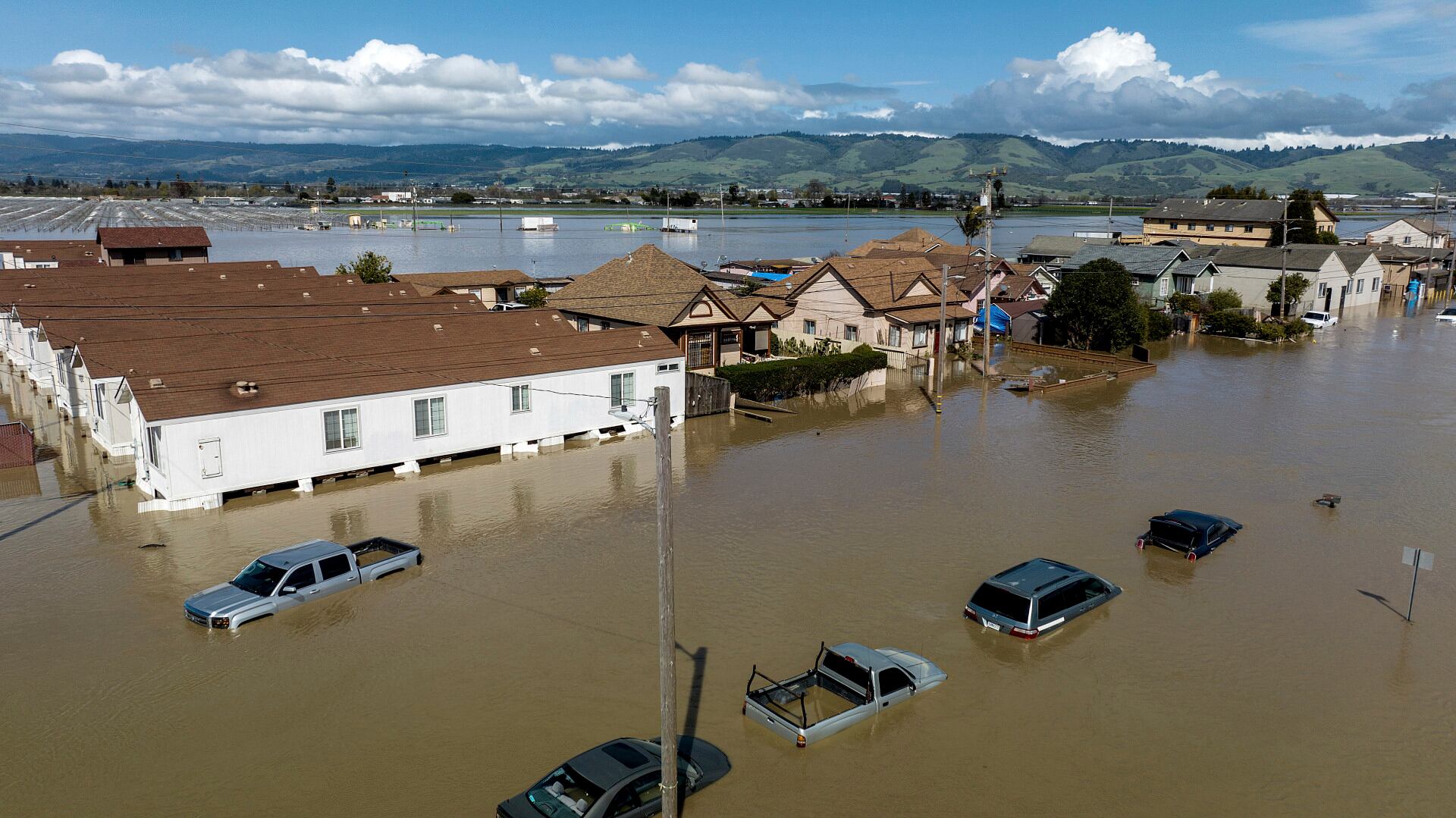
One of the major takeaways from the report is that drought conditions in the Western U.S. are set to improve. The region that has been inundated with wet weather for much of the winter will see some reprieve when it comes to drought.
"Climate change is driving both wet and dry extremes, as illustrated by NOAA's observations and data that inform this seasonal outlook," said Rick Spinrad, Ph.D, NOAA administrator. "Under the Bipartisan Infrastructure Law and Inflation Reduction Act, and in support of the Biden Administration's priority to tackle the climate crisis, NOAA will invest significant resources to build a Climate-Ready Nation that gives communities tailored information about changing conditions so that residents and economies are protected."
In California, drought status is expected to improve even more as snowpacks that built up over the winter eventually melt. The conditions in the central Plains and in Florida are also expected to improve with Spring rainfalls.
Meanwhile, when it comes to heat and high temperatures, a swath of Southern and East Coast states will be above average. Alaska and Hawaii are also predicted to see above average temperatures between April and June.
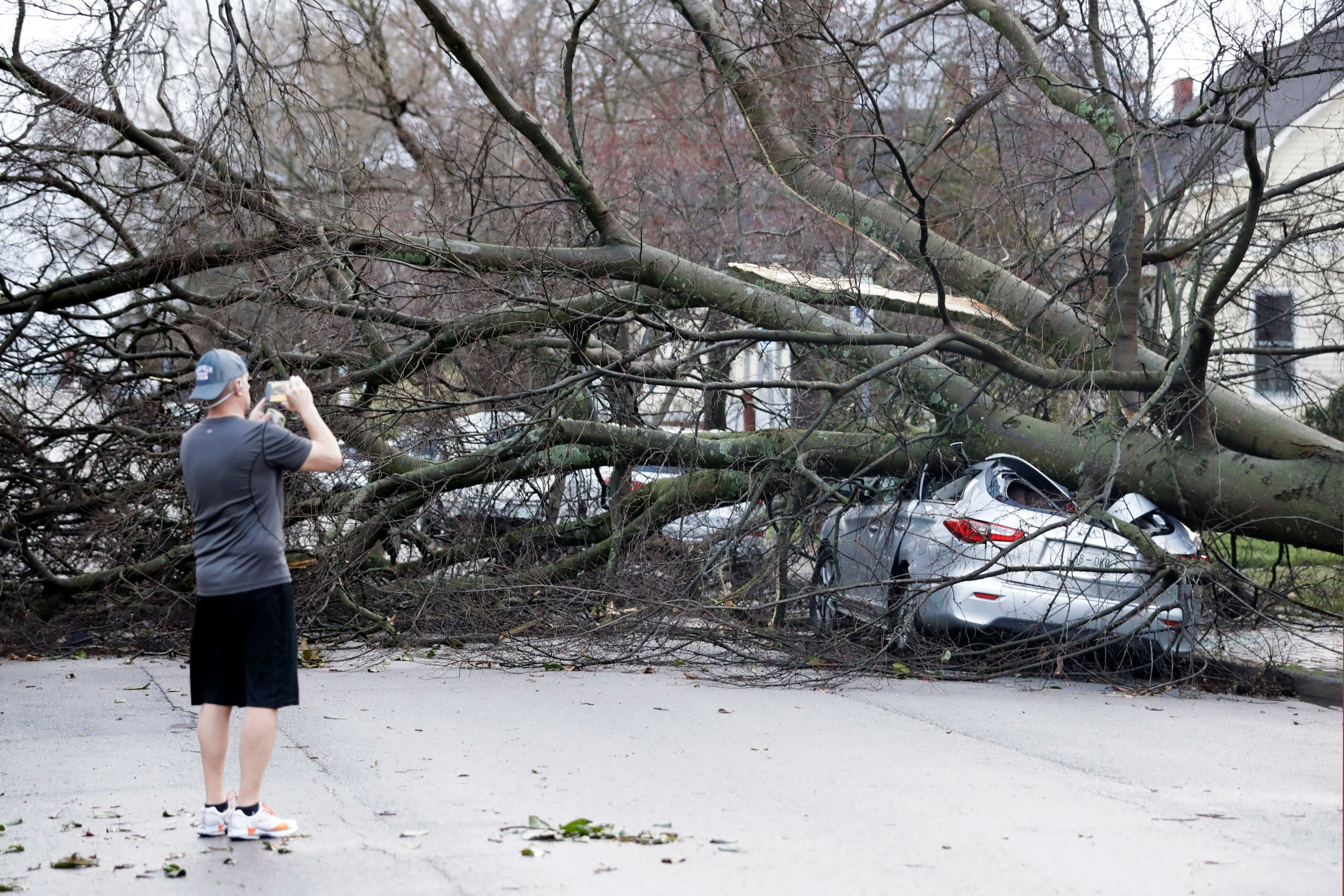
NOAA said flooding could also significantly impact most states east of the Mississippi River.
"Approximately 44 percent of the U.S. is at risk for flooding this spring," said Ed Clark, the director of NOAA's National Water Center. "California's snowpack, coupled with spring rain, is heightening the potential for spring floods."
A resurgent Joe Biden scored sweeping victories across the country with the backing of a diverse coalition and progressive rival Bernie Sanders seized Super Tuesday’s biggest prize with a win in California as the Democratic Party’s once-crowded presidential field suddenly transformed into a two-man contest.
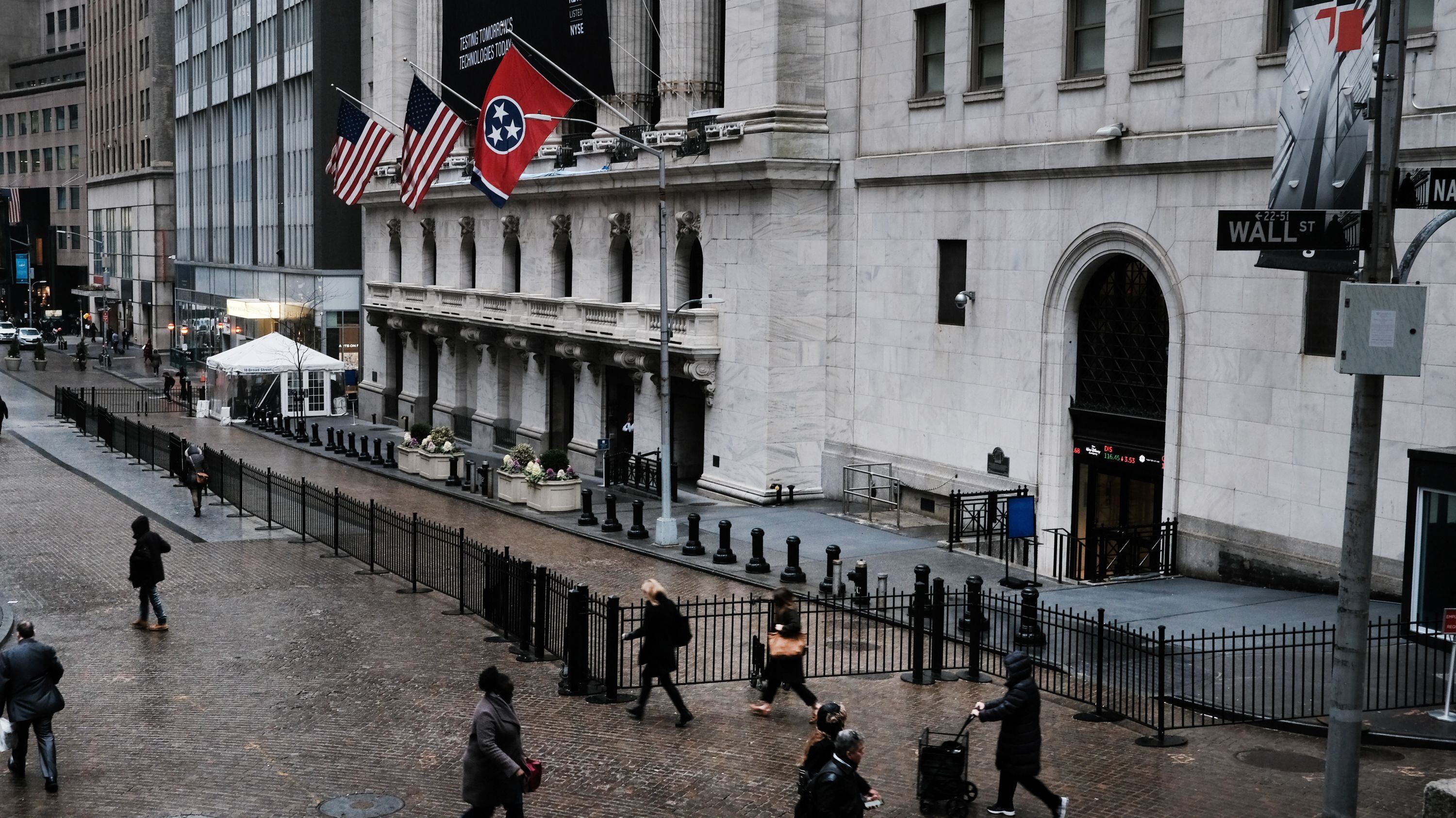
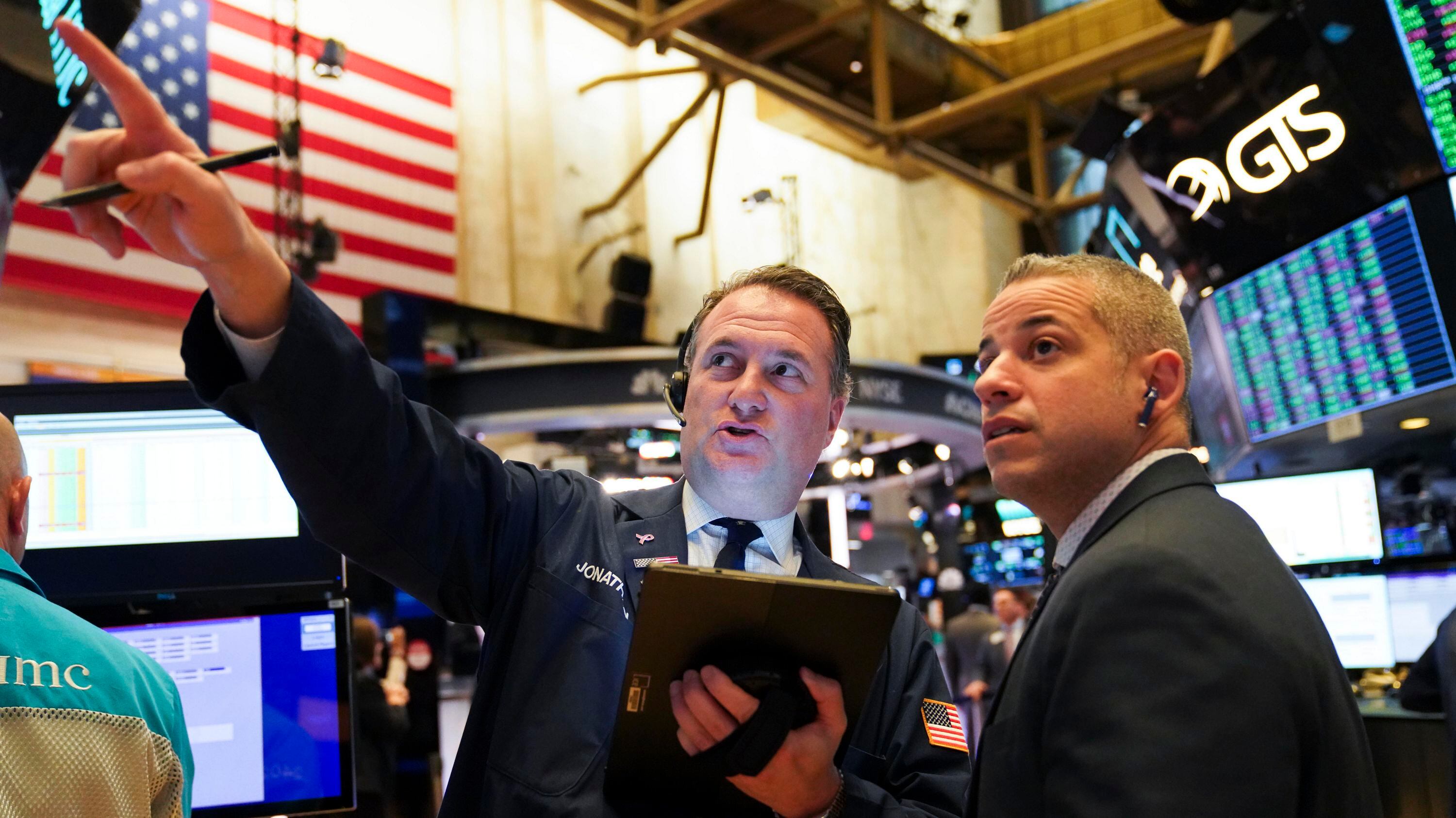
The Dow Jones Industrial Average dropped 785 points and bond prices surged after an emergency interest-rate cut by the Federal Reserve failed to reassure markets racked by worries that a fast-spreading virus outbreak could lead to a recession.
HotelPlanner CEO Tim Hentschel told Cheddar that the travel industry is taking the worst hit it has seen in nearly two decades thanks to the coronavirus outbreak paralyzing multiple countries.
Stocks are whipping up and down after the Federal Reserve swooped into the market with an emergency rate cut in hopes of shielding the economy from the effects of the fast-spreading virus. Tuesday's surprise move gave stocks a strong, brief boost, but it took just 15 minutes for the gains to evaporate.
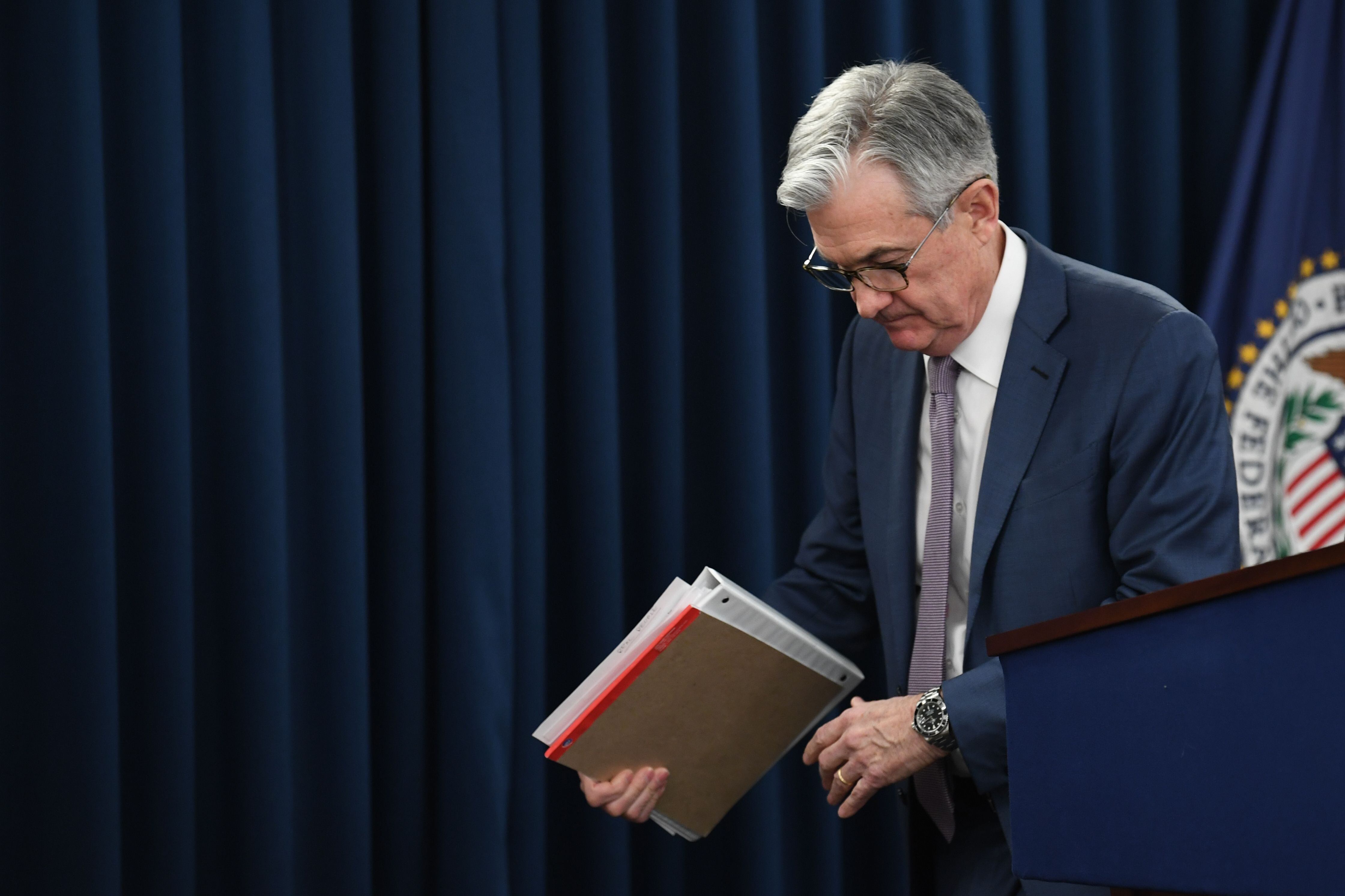
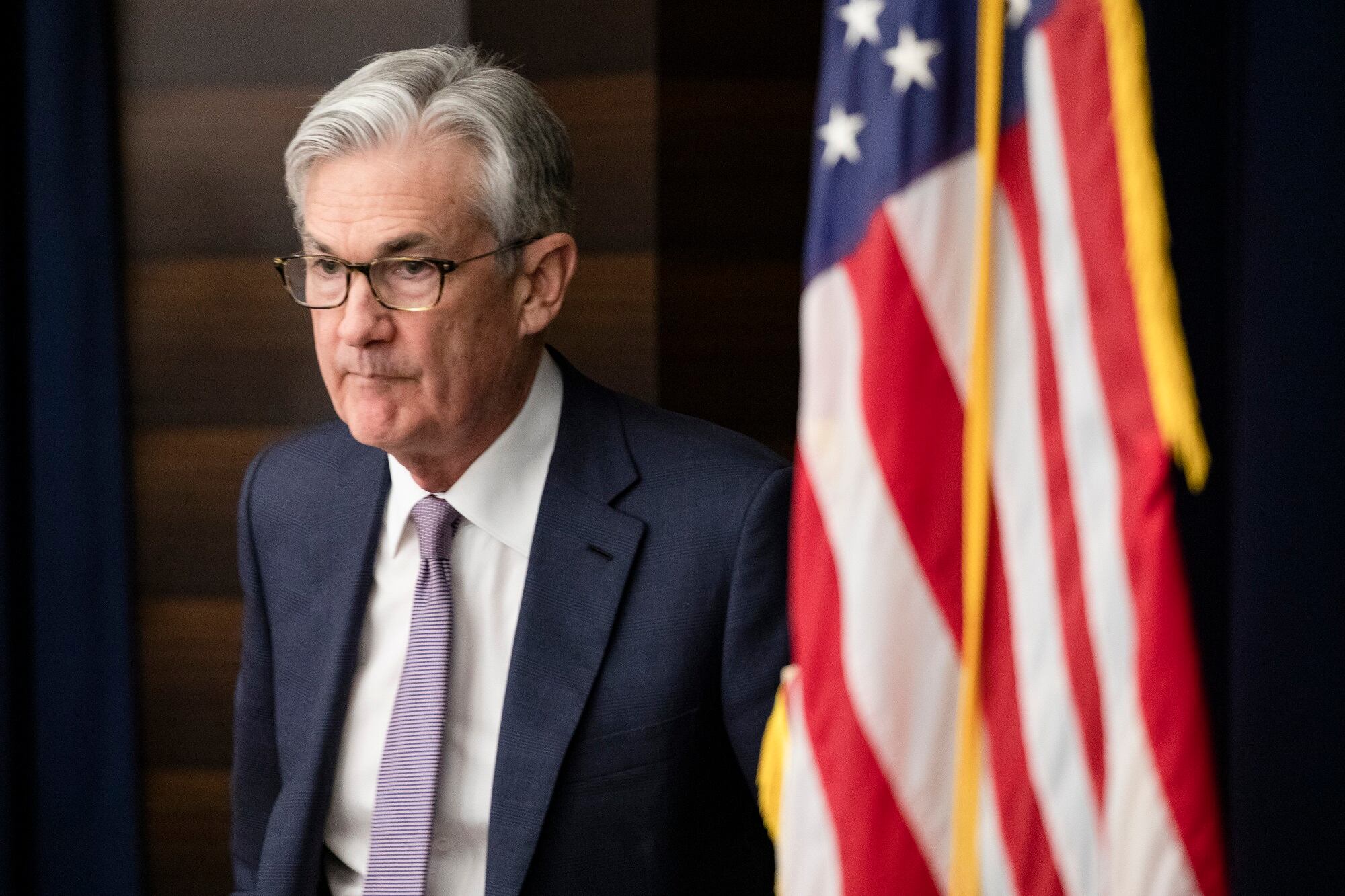
Chairman Jerome Powell said at a news conference that the virus “will surely weigh on economic activity both here and abroad for some time.” It was the Fed's first rate cut since last year, when it reduced its key short-term rate three times.
The Federal Reserve will cut interest rates by a half-percentage point in its first emergency rate cut since the Great Recession in response to the spreading coronavirus.
These are the headlines you Need 2 Know for Tuesday, March 3, 2020.
Dow Jones skyrockets on hopes central banks protect the economy from the coronavirus outbreak.
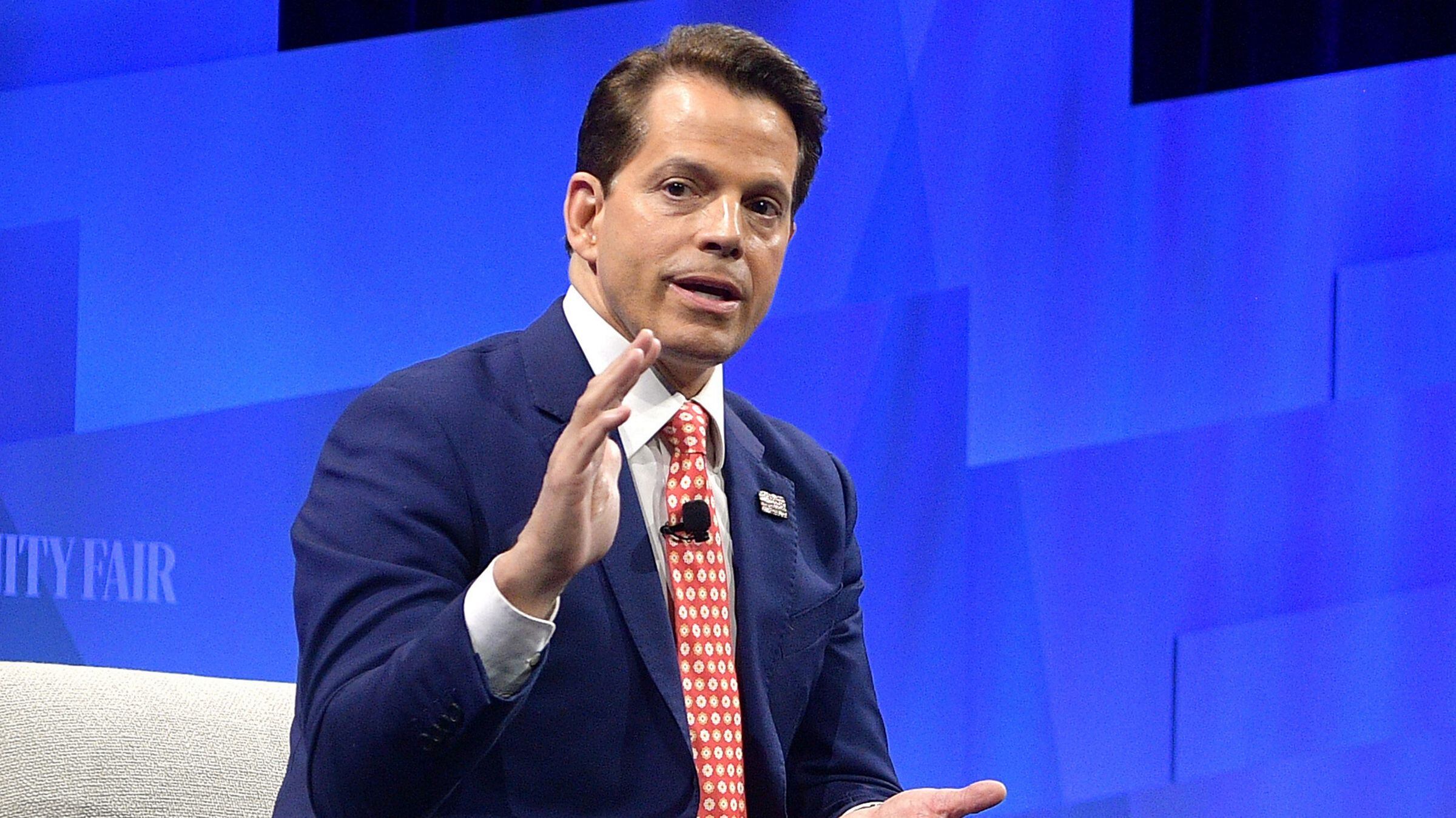
Anthony Scaramucci, the founder of SkyBridge Capital and former White House communications director, has an optimistic view of the markets going forward despite the headwinds of the COVID-19 outbreak and President Trump's handling of the health crisis.
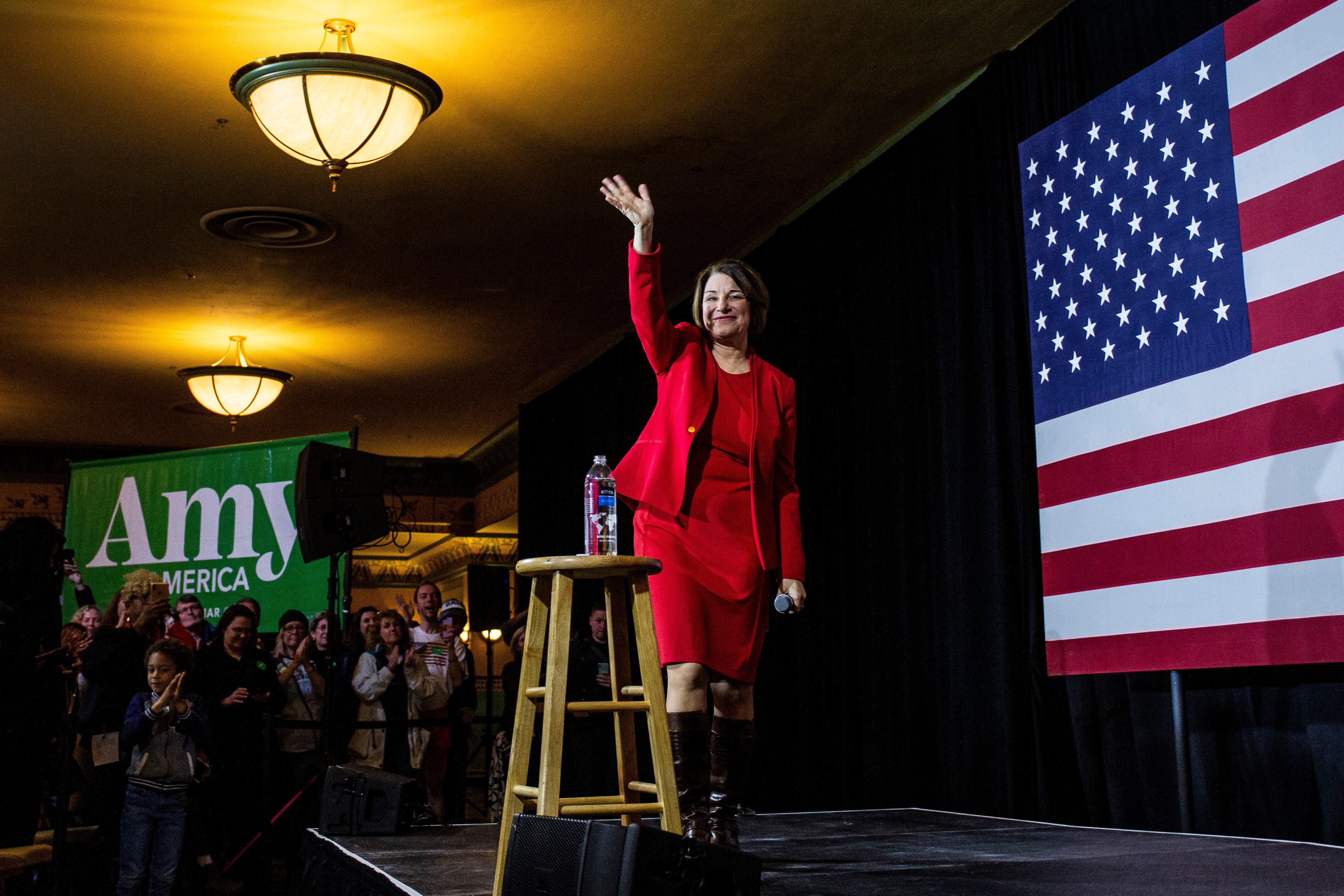
Amy Klobuchar is ending her Democratic presidential campaign, plans to endorse Joe Biden.