By Marcia Dunn
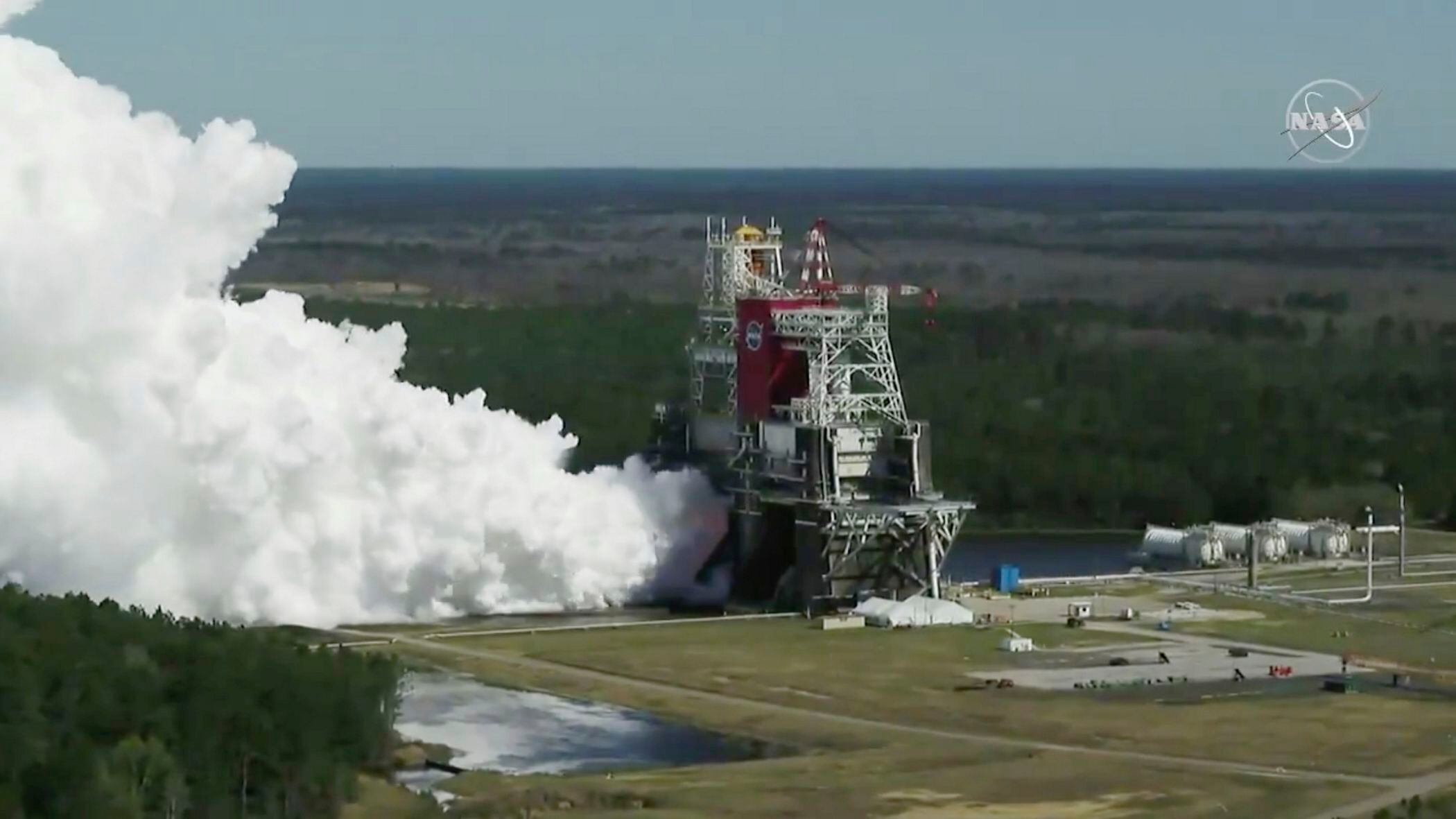
NASA completed an engine test firing of its moon rocket Thursday, after the first attempt in January ended prematurely.
This time, the four main engines of the rocket’s core stage remained ignited for the full eight minutes. Applause broke out in the control room at Mississippi's Stennis Space Flight Center once the engines shut down on the test stand.
NASA officials called it a major milestone in sending astronauts back to the moon, but declined to say when that might occur or even whether the first test flight without a crew would occur by year's end as planned.
John Honeycutt, NASA's program manager for the Space Launch System or SLS rocket, said everything seemed to go well in Thursday's test firing. “The core stage ... got an A-plus today,” he told reporters.
During the first test, the engines fired for just a minute, automatically cut short by strict test limits that were relaxed for the redo. Valve issues also had to be resolved prior to Thursday's countdown.
With this critical test finally finished — and assuming everything went well — NASA can now send the rocket segment to Florida's Kennedy Space Center to prepare it for launch.
Noting they're taking it one step at a time, officials declined to say whether this first SLS launch will occur by year's end as had been planned or will bump into 2022. The SLS rocket will send an empty Orion capsule to the moon and back.
The four engines tested Thursday actually flew into orbit on NASA's space shuttles and were upgraded for the more powerful SLS system. The orange core stage is reminiscent of the shuttle's external fuel tank, which held the liquid hydrogen and oxygen that fed the main engines.
Boeing built the core stage, which stands 212 feet (65 meters.)
The Trump administration had pressed for a moon landing by astronauts by 2024, a deadline increasingly difficult if not impossible to achieve at this point. The current White House has yet to issue a revised timeline.
NASA Acting Administrator Steve Jurczyk said the space agency is conducting an internal study to determine a schedule for the astronaut moon landings — “what we can optimally do” based on budgets. The review will take a few months, he noted.
Amazon surpassed Microsoft in market cap. McDonald's is making its Happy Meals healthier. Washington D.C. reacts to the Florida high school massacre. Plus, we hear from an entrepreneur who started the first studio of its kind in the fitness industry.
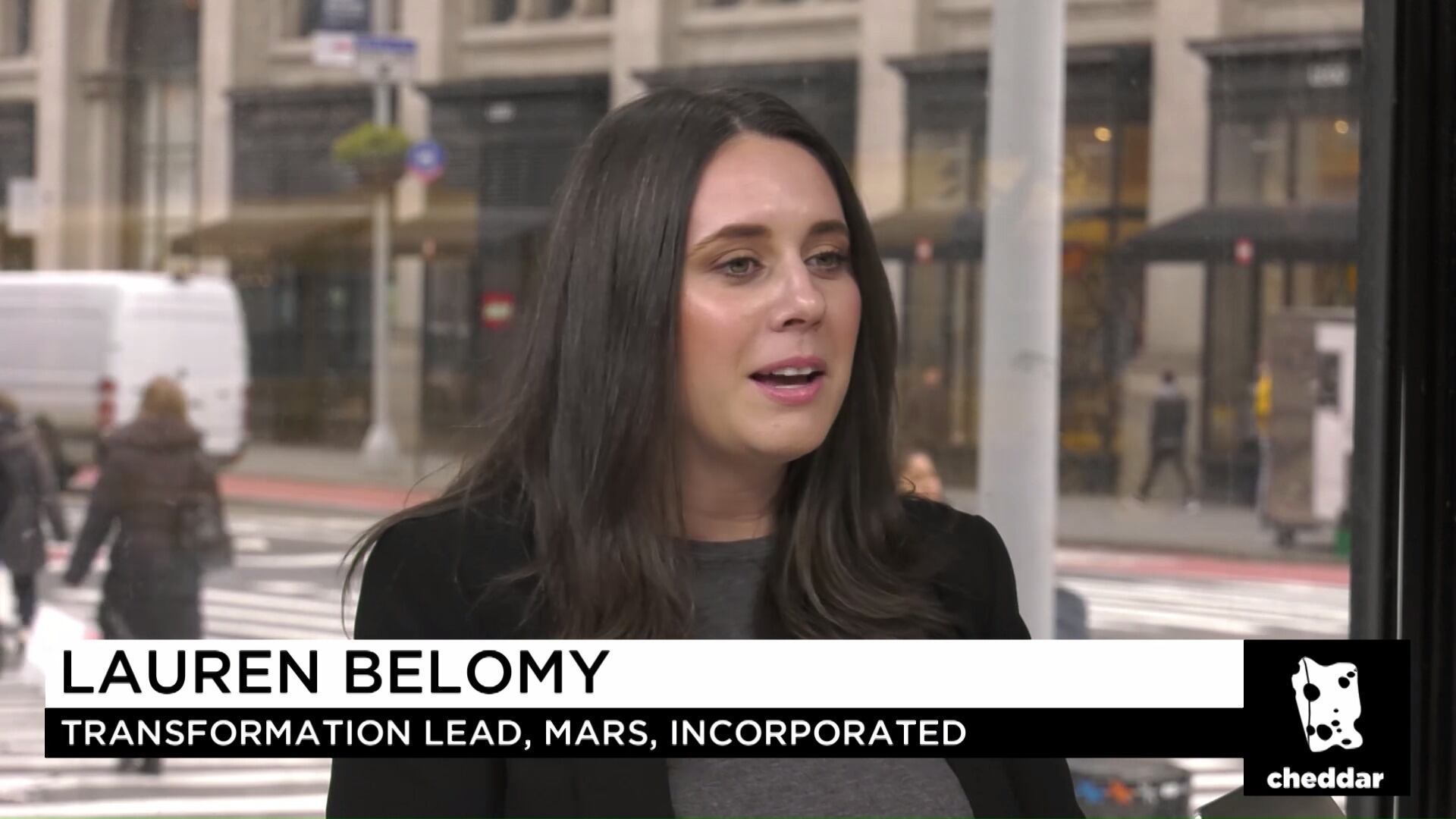
As of the last census women made up just over 25% of the STEM workforce. Mars, Incorporated is one company that is working to change that.
Lisa Lutoff-Perlo, CEO of Celebrity Cruises, discusses the company's partnership with the Malala Fund. The new "Celebrity Edge" ship will debut later this year, and Malala Yousafzai has been named the ship's Godmother.
Police in Florida respond to a deadly high school shooting in Parkland. Congressman Joe Kennedy talks about bringing the Democratic message to millennial voters, and President Trump's Infrastructure plan.
Chipotle announces a new CEO. Dominos and Tinder and teaming up for Valentine's Day. The Director of National Intelligence sounds the alarm on Russia and the midterms elections. Sarah Kauss is the CEO of water bottle company S'well. Her small idea has turned into one of the most successful female-run businesses. Legal technology platform CannaRegs is on a mission to make sense of the legal landscape of marijuana for stakeholders in this growing space. Vermont Governor Phil Scott is asking legislators in his state to speed up equal pay legislation.
Rob Verger, assistant tech editor at Popular Science, discusses SpaceX's successful launch of the Falcon Heavy rocket that propelled Elon Musk's red Tesla Roadster into orbit.
One of the biggest global consumers goods companies, Unilever, is threatening to stop advertising on digital platforms like Facebook and Google if the companies don't clean up their acts. Snap's Vice President of sales has left the company. A new report finds Facebook is losing a younger audience. Dow closed up 400 points after the most volatile week in two years.
Seven Dreamers has created a robot that folds your clothes for you. The Laundroid can help eliminate the annoying process of folding from your life, but it comes at a steep price.
Dr. Mike Dow discusses his new book "Heal Your Drained Brain." Dow is a psychotherapist, bestselling author, and brain health expert.
Lee Billings, space and physics editor for Scientific American, discusses the financials behind the Falcon Heavy. SpaceX successfully launched the rocket from Kennedy Space Center earlier this week.