By Marcia Dunn
NASA completed an engine test firing of its moon rocket Thursday, after the first attempt in January ended prematurely.
This time, the four main engines of the rocket’s core stage remained ignited for the full eight minutes. Applause broke out in the control room at Mississippi's Stennis Space Flight Center once the engines shut down on the test stand.
NASA officials called it a major milestone in sending astronauts back to the moon, but declined to say when that might occur or even whether the first test flight without a crew would occur by year's end as planned.
John Honeycutt, NASA's program manager for the Space Launch System or SLS rocket, said everything seemed to go well in Thursday's test firing. “The core stage ... got an A-plus today,” he told reporters.
During the first test, the engines fired for just a minute, automatically cut short by strict test limits that were relaxed for the redo. Valve issues also had to be resolved prior to Thursday's countdown.
With this critical test finally finished — and assuming everything went well — NASA can now send the rocket segment to Florida's Kennedy Space Center to prepare it for launch.
Noting they're taking it one step at a time, officials declined to say whether this first SLS launch will occur by year's end as had been planned or will bump into 2022. The SLS rocket will send an empty Orion capsule to the moon and back.
The four engines tested Thursday actually flew into orbit on NASA's space shuttles and were upgraded for the more powerful SLS system. The orange core stage is reminiscent of the shuttle's external fuel tank, which held the liquid hydrogen and oxygen that fed the main engines.
Boeing built the core stage, which stands 212 feet (65 meters.)
The Trump administration had pressed for a moon landing by astronauts by 2024, a deadline increasingly difficult if not impossible to achieve at this point. The current White House has yet to issue a revised timeline.
NASA Acting Administrator Steve Jurczyk said the space agency is conducting an internal study to determine a schedule for the astronaut moon landings — “what we can optimally do” based on budgets. The review will take a few months, he noted.
Cheddar's CannaBiz explores the latest trends, politics, and market opportunity in this space. Cheddar Anchor's Brad Smith, Hope King and Alyssa Julya Smith speak with legislators and start-up founders in this emerging market.
This Changes Things: Advice for the executives and leaders of tomorrow, brought to you by American Express OPEN. On Between Bells: The Bachelor finale and big changes at ESPN. With Popular Science, Us Weekly, and more.
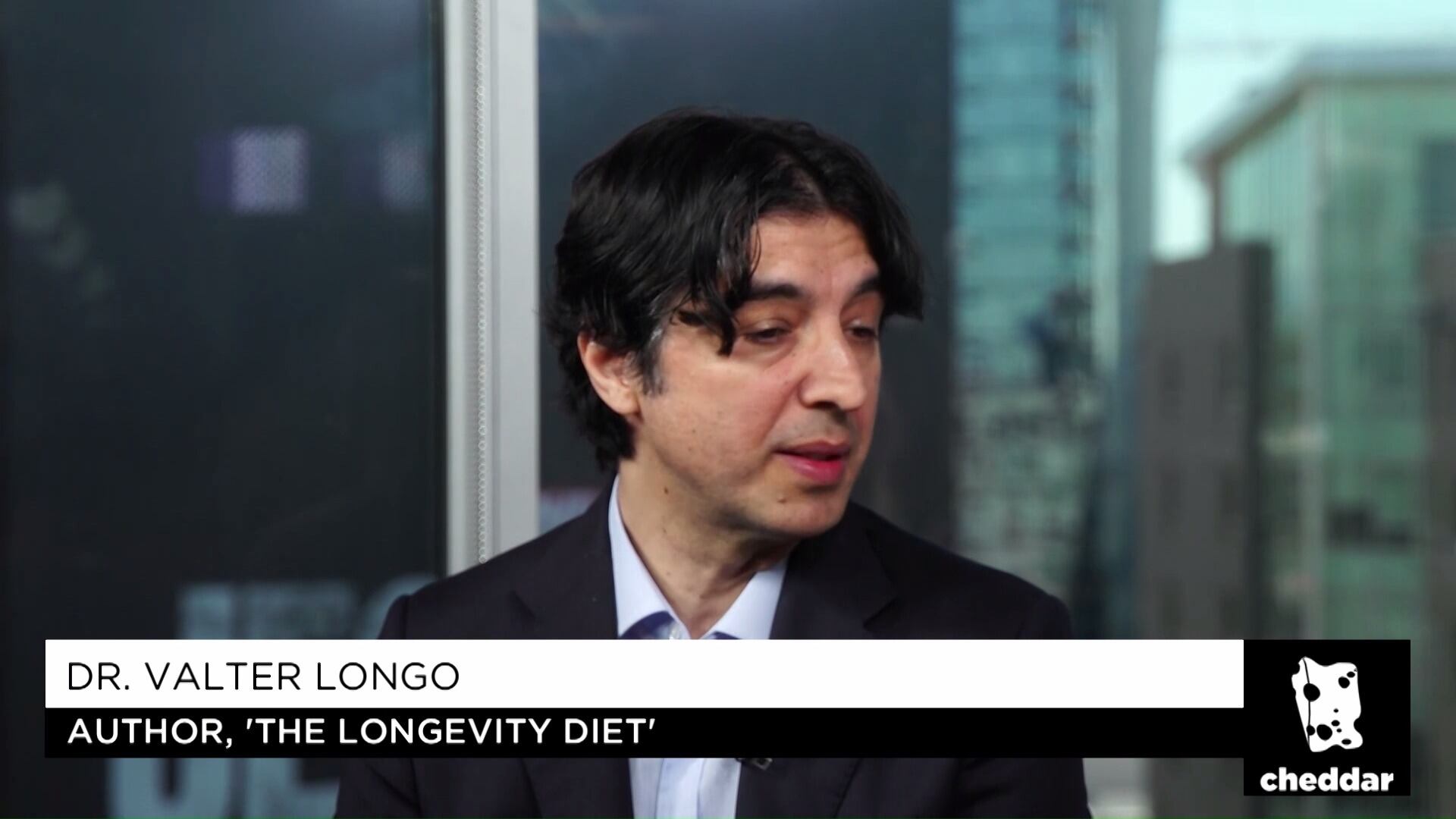
His new Amazon bestseller, "The Longevity Diet," helps patients to live longer, healthier and more fulfilling lives by slowing aging, fighting disease and optimizing weight. Dr. Valter Longo sits down with Alyssa Julya Smith in Los Angeles to share some of his secrets to living a healthier life.
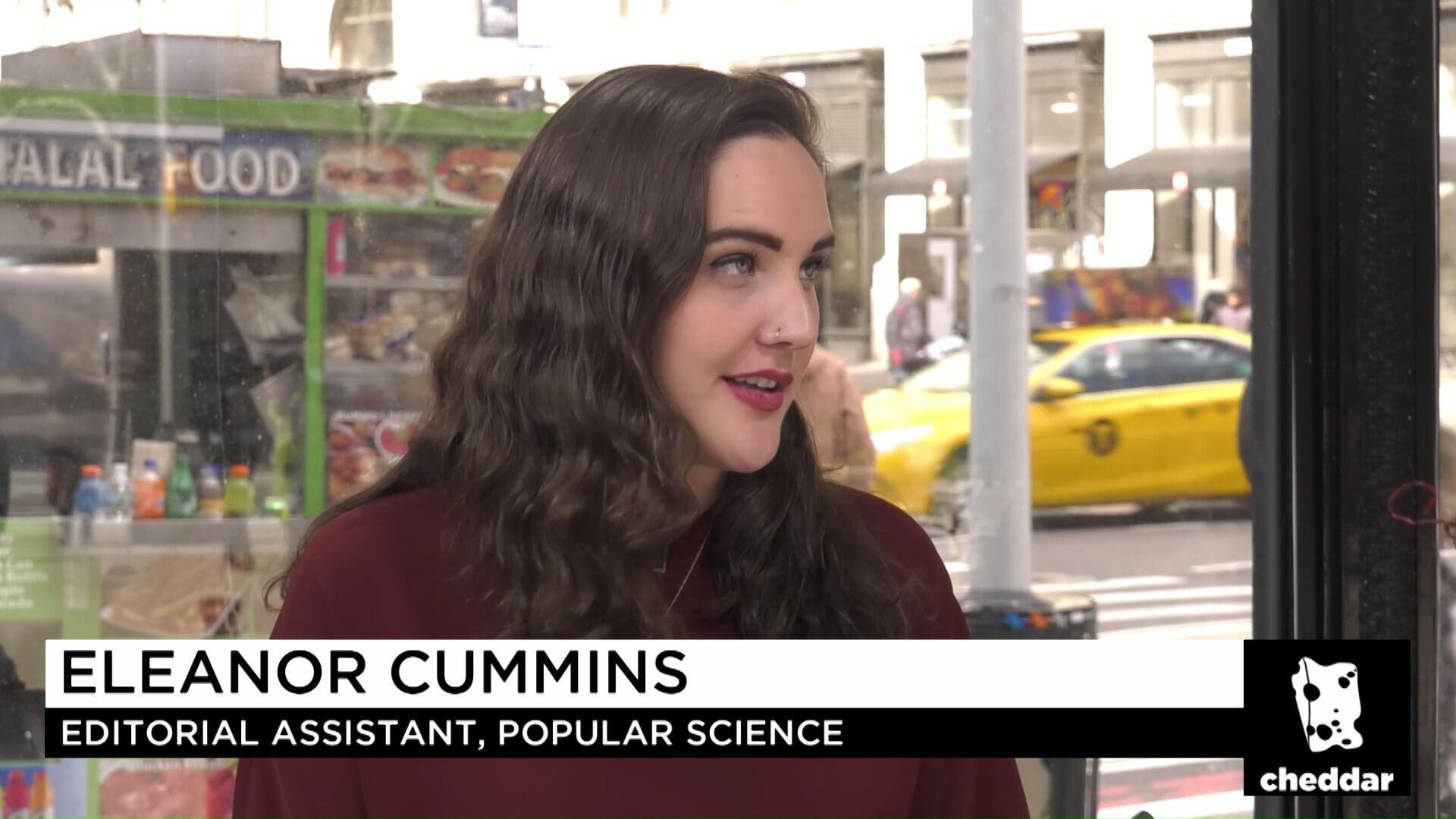
Marrying your cousin has long been considered taboo, but new research says that procreating with your cousins may not be as risky as previously thought. Popular Science's Eleanor Cummins breaks down the findings.
Sarah Lewin, associate editor at Space.com, breaks down SpaceX's landmark 50th Falcon 9 launch. The rocket took off early Tuesday morning, launching a communications satellite into orbit.
The Dow closes up more than 300 points as trade war fears subside. Amazon is looking to team up with banks to build a checking account-type product. There's also new speculation on where Amazon's HQ2 might be located. Apple reportedly releasing a cheaper MacBook Air. Former Trump campaign aide refuses to cooperated and the Mueller investigation.
Every three minutes, someone in the U.S. is diagnosed with blood cancer. These people often rely on bone marrow donations to survive, but getting a match can be difficult. To make registering easier, the non-profit DKMS has launched virtual bone marrow drives.
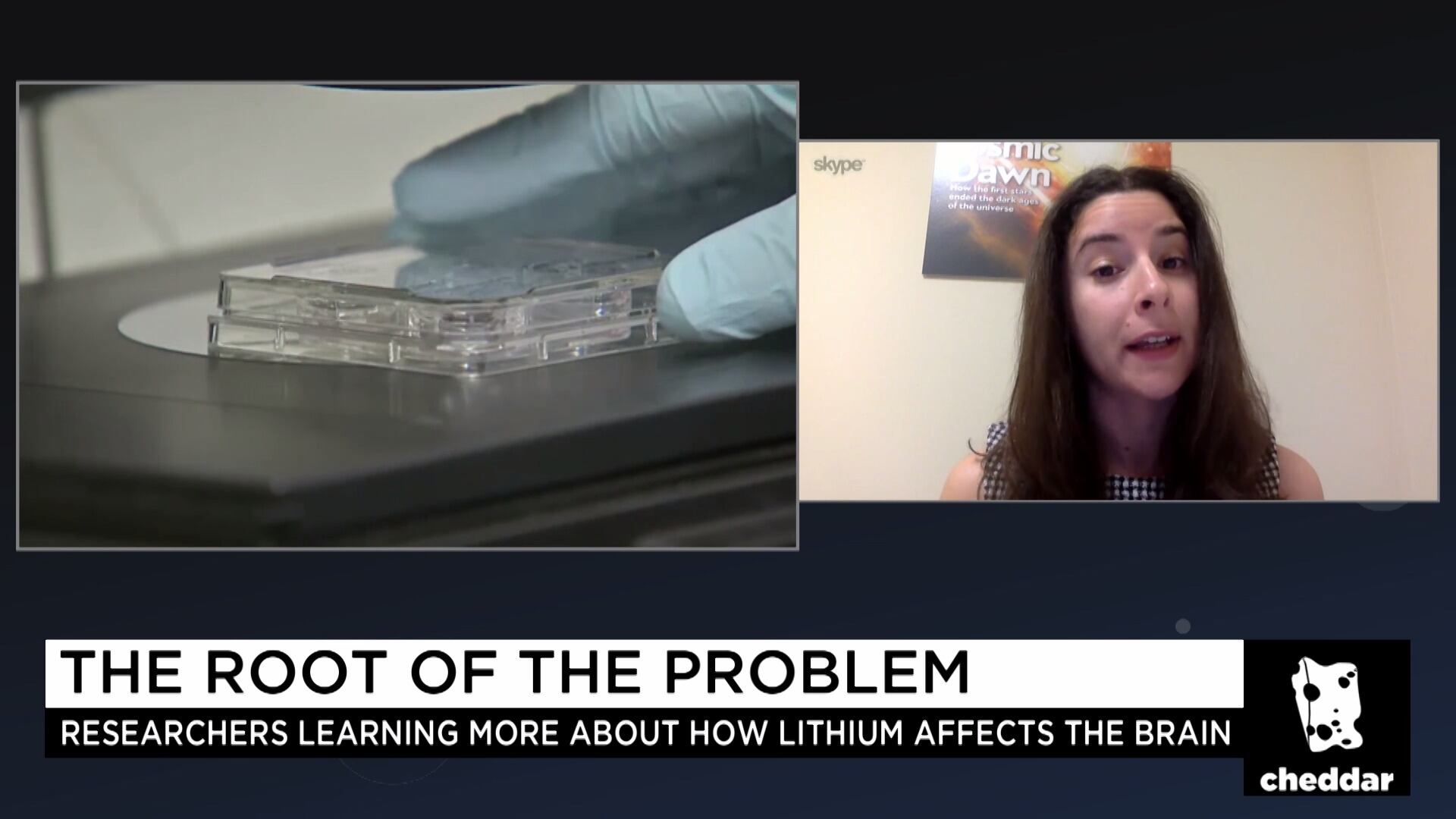
Dina Fine Maron, health & science editor at Scientific American, discusses the breakthrough that could help doctors diagnose mental illnesses. Stem cells have enabled researchers to see how lithium affects the brain.
Eric Harris, president and chief operating officer at Cheddar, joins us to talk about the company's participation in Cycle for Survival, an indoor charity cycling event raising money for rare cancers.
Snap is planning to release new versions of its hugely unpopular Spectacles. The Weinstein Co. lives to fight another day after a last-minute deal emerged Thursday night.