By Marcia Dunn
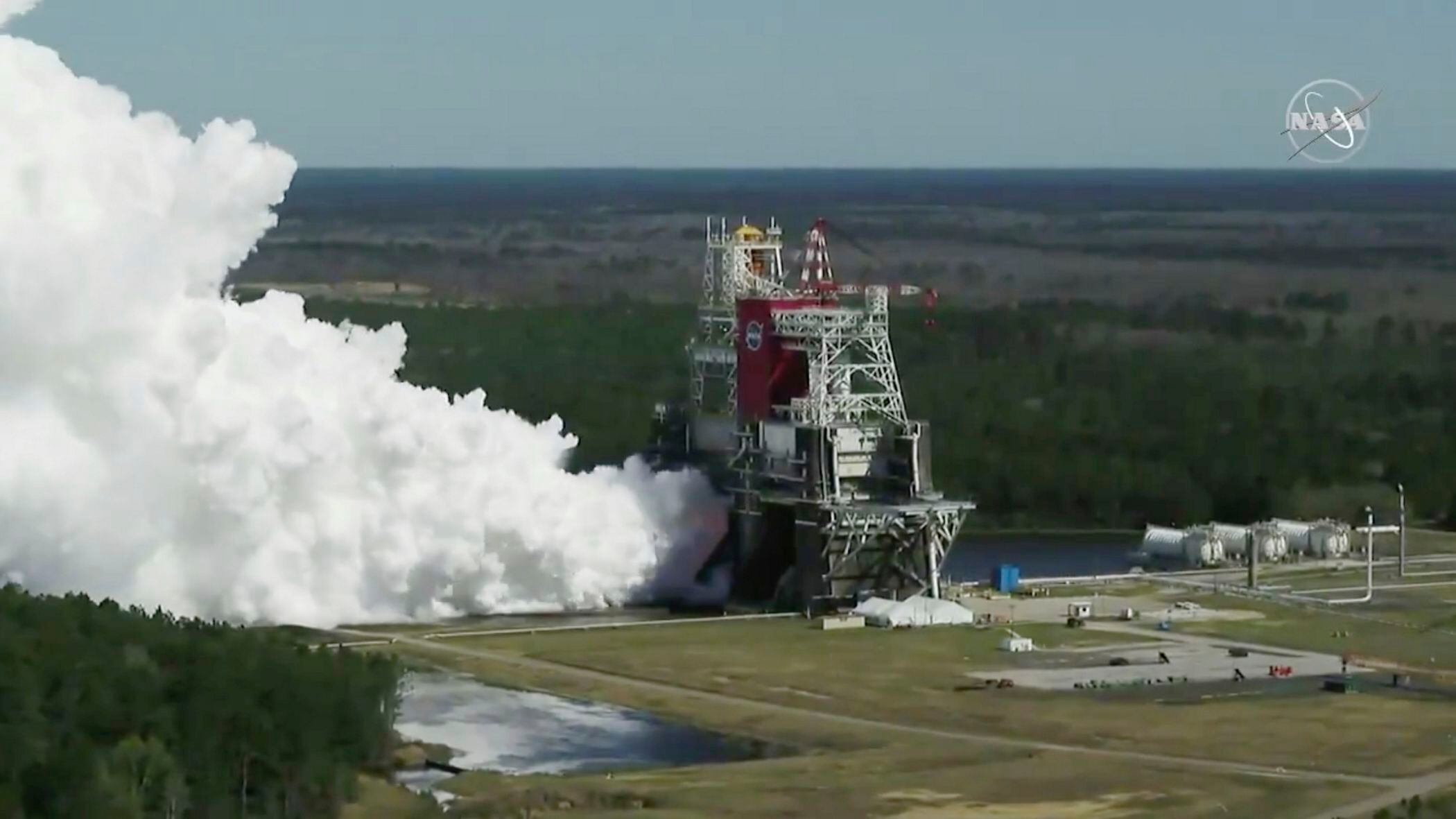
NASA completed an engine test firing of its moon rocket Thursday, after the first attempt in January ended prematurely.
This time, the four main engines of the rocket’s core stage remained ignited for the full eight minutes. Applause broke out in the control room at Mississippi's Stennis Space Flight Center once the engines shut down on the test stand.
NASA officials called it a major milestone in sending astronauts back to the moon, but declined to say when that might occur or even whether the first test flight without a crew would occur by year's end as planned.
John Honeycutt, NASA's program manager for the Space Launch System or SLS rocket, said everything seemed to go well in Thursday's test firing. “The core stage ... got an A-plus today,” he told reporters.
During the first test, the engines fired for just a minute, automatically cut short by strict test limits that were relaxed for the redo. Valve issues also had to be resolved prior to Thursday's countdown.
With this critical test finally finished — and assuming everything went well — NASA can now send the rocket segment to Florida's Kennedy Space Center to prepare it for launch.
Noting they're taking it one step at a time, officials declined to say whether this first SLS launch will occur by year's end as had been planned or will bump into 2022. The SLS rocket will send an empty Orion capsule to the moon and back.
The four engines tested Thursday actually flew into orbit on NASA's space shuttles and were upgraded for the more powerful SLS system. The orange core stage is reminiscent of the shuttle's external fuel tank, which held the liquid hydrogen and oxygen that fed the main engines.
Boeing built the core stage, which stands 212 feet (65 meters.)
The Trump administration had pressed for a moon landing by astronauts by 2024, a deadline increasingly difficult if not impossible to achieve at this point. The current White House has yet to issue a revised timeline.
NASA Acting Administrator Steve Jurczyk said the space agency is conducting an internal study to determine a schedule for the astronaut moon landings — “what we can optimally do” based on budgets. The review will take a few months, he noted.
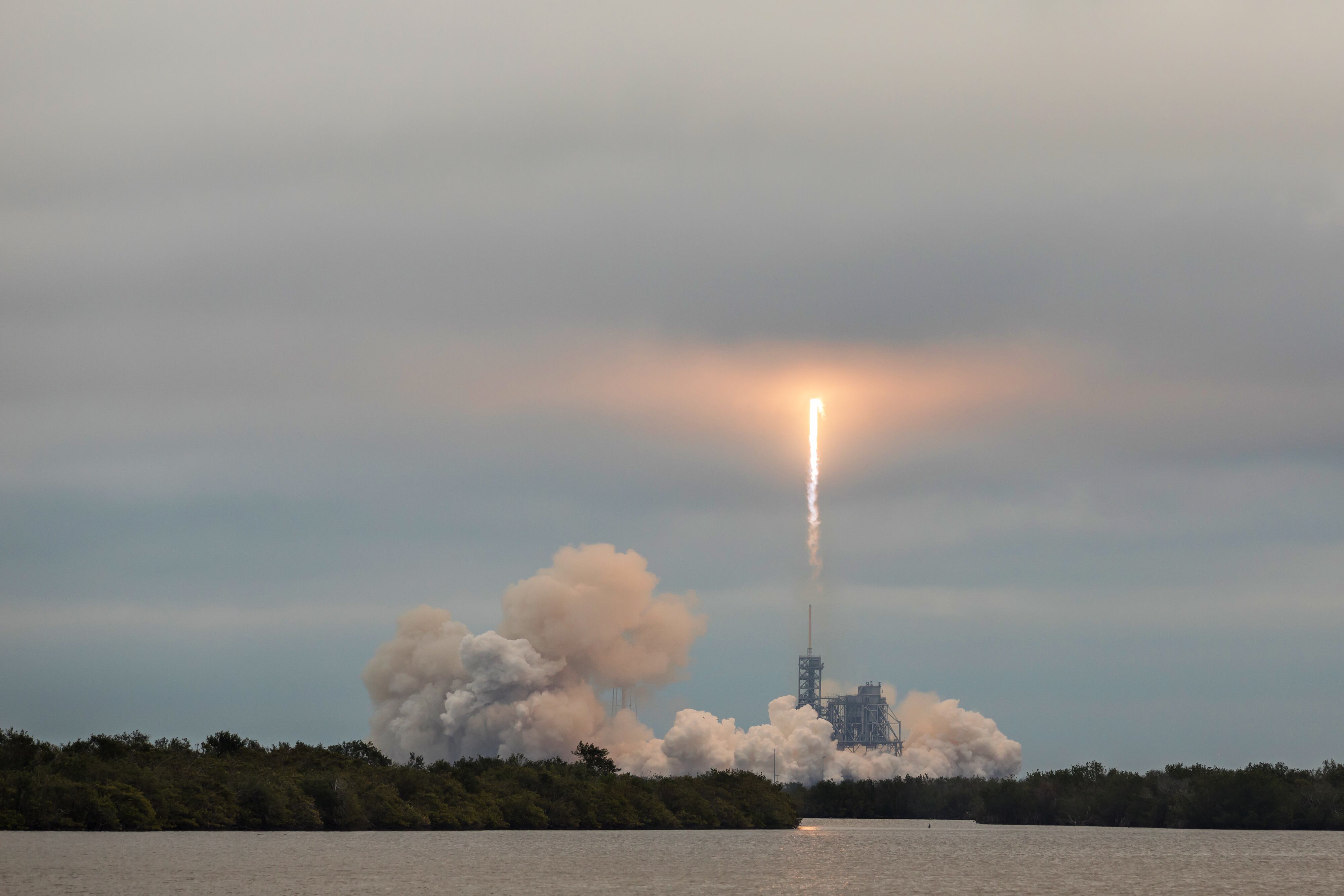
The 'Block 5' rocket is the first Falcon 9 rocket that can theoretically be reused 10 times without any maintenance, and up to 100 times with just minor servicing. If SpaceX can pull off seven successful 'Block 5' launches, the company could get clearance from NASA to do manned missions, says Will Goodman, managing editor of Rockets Are Cool.
Mark Kaufman, science reporter at Mashable, discusses California's history-making decision to mandate solar panels on all new homes and low-rise apartment buildings. [We talk what this means for the solar panel companies and the rest of the U.S.](https://mashable.com/2018/05/09/california-becomes-first-state-to-mandate-solar-panels-on-new-homes)
Rob Marvin, associate features editor for PCMag, discusses the biggest announcements from Microsoft's Build conference. Marvin weighs in on Microsoft introducing AI for Accessibility, an integration between its digital assistant Cortana and Amazon Alexa.
Zachariah Reitano's Roman Health is using the treatment of erectile dysfunction to save lives by helping men discover the sometimes very serious underlying causes of the condition.
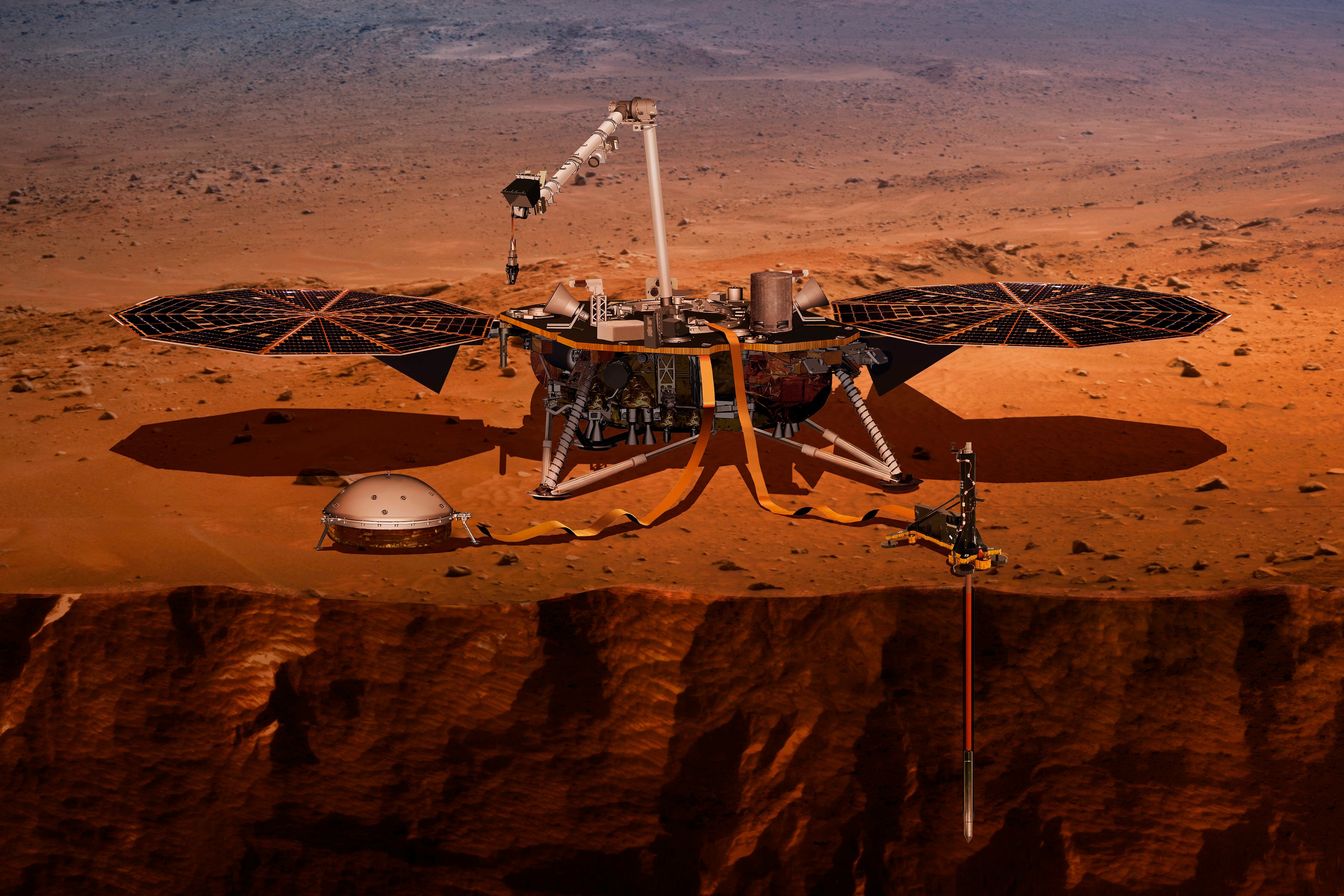
Emily Manor-Chapman, a NASA engineer on the 'InSight' lander, explains what the new mission to Mars hopes to accomplish.
The on-demand app that connects patients with doctors has seen rapid growth in the past few years, particularly in mental health services, and recently raised an additional $74 million in funding. "Not only does it make access to a doctor much, much easier, it also addresses a lot of the stigma associated with mental health," says CEO Hill Ferguson.
Jill Steinberg, the wife of Cheddar's CEO, took the DIY genetic test out of curiosity and found out she was prone to breast cancer. "There's always something there to learn," says Anne Wojcicki, CEO and founder of 23andMe.
Is the surface of a comet really a winter wonderland? Not exactly. Cheddar's Pat Jones explains what's going on in this viral space gif.
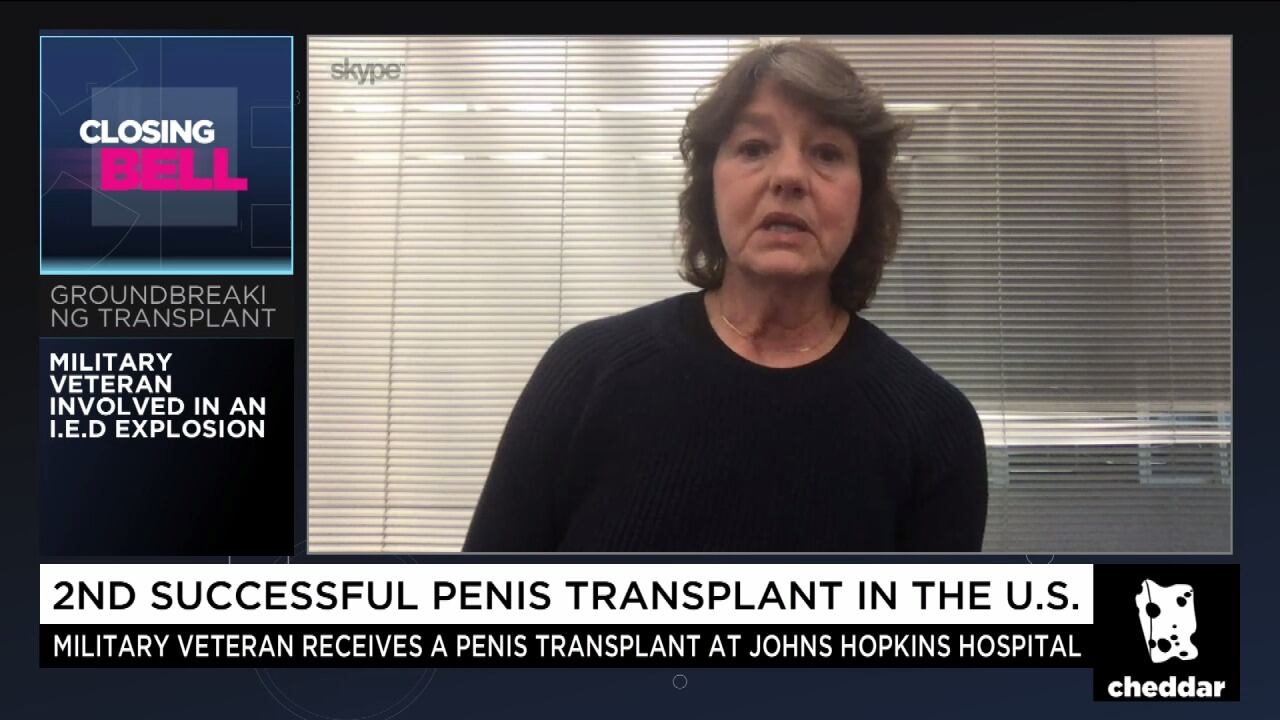
John Hopkins Hospital recently completed the second-ever successful penis transplant in the U.S., an incredibly complex surgery that lasted 14 hours. New York Times reporter Denise Grady explains why the vet needed the surgery in the first place.
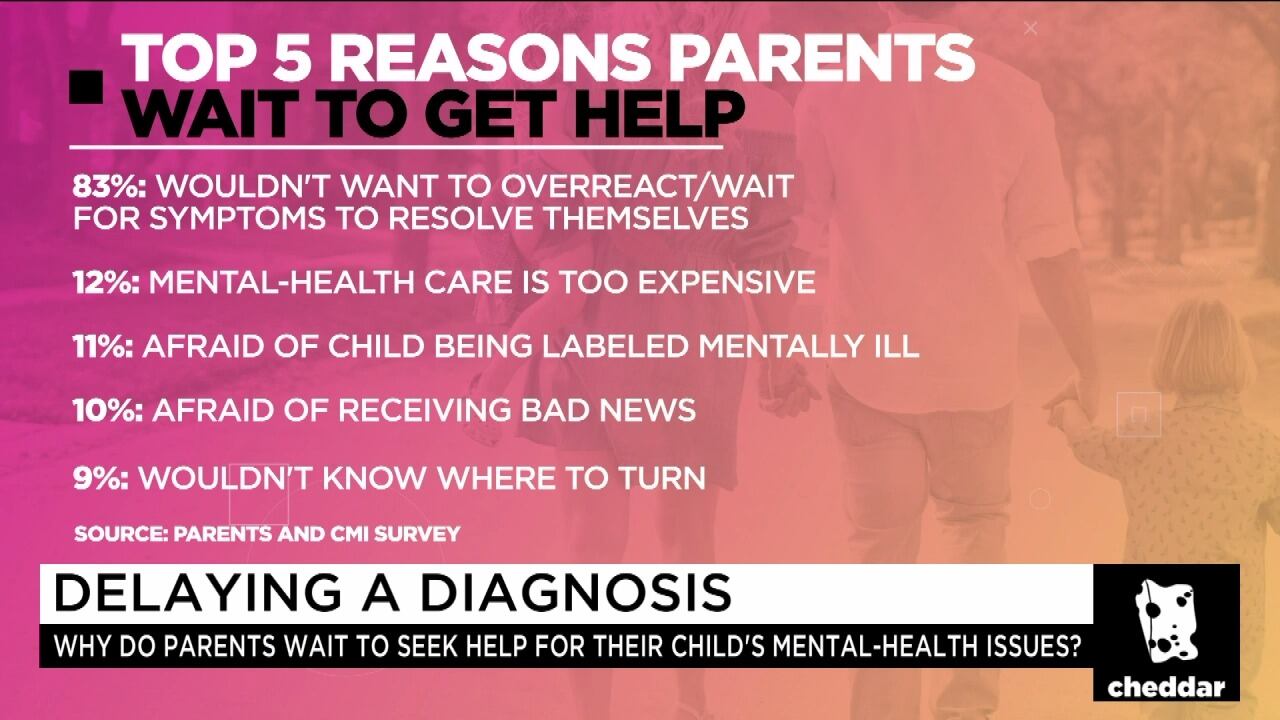
A recent survey by Parents Magazine found that 62 percent of participants waited more than five weeks to get their children help with mental health issues. A majority of those said they were trying not to overreact to their child's behavior, explains Liz Vaccariello, Editor-in-Chief of Parents Magazine.