By Marcia Dunn
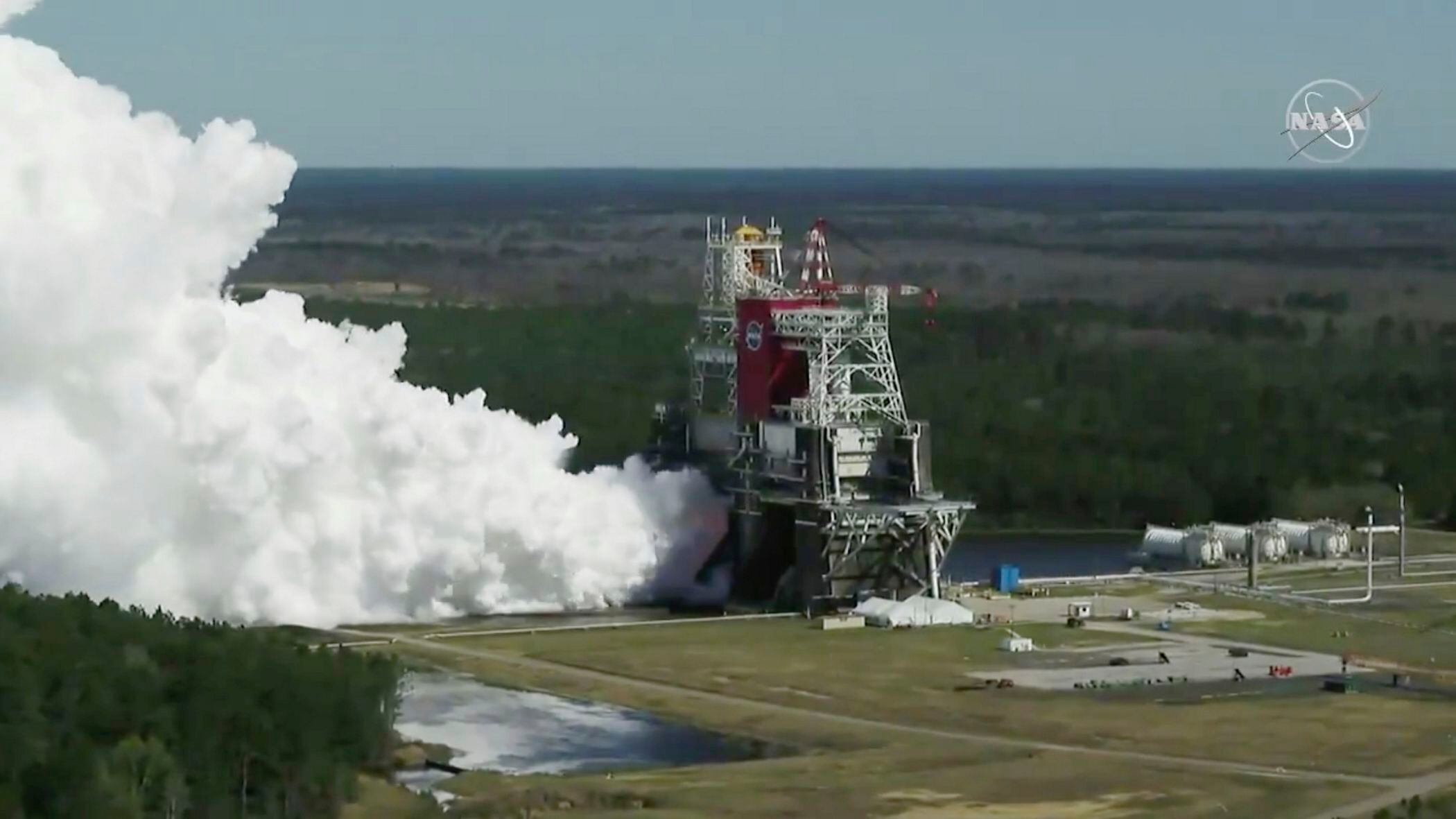
NASA completed an engine test firing of its moon rocket Thursday, after the first attempt in January ended prematurely.
This time, the four main engines of the rocket’s core stage remained ignited for the full eight minutes. Applause broke out in the control room at Mississippi's Stennis Space Flight Center once the engines shut down on the test stand.
NASA officials called it a major milestone in sending astronauts back to the moon, but declined to say when that might occur or even whether the first test flight without a crew would occur by year's end as planned.
John Honeycutt, NASA's program manager for the Space Launch System or SLS rocket, said everything seemed to go well in Thursday's test firing. “The core stage ... got an A-plus today,” he told reporters.
During the first test, the engines fired for just a minute, automatically cut short by strict test limits that were relaxed for the redo. Valve issues also had to be resolved prior to Thursday's countdown.
With this critical test finally finished — and assuming everything went well — NASA can now send the rocket segment to Florida's Kennedy Space Center to prepare it for launch.
Noting they're taking it one step at a time, officials declined to say whether this first SLS launch will occur by year's end as had been planned or will bump into 2022. The SLS rocket will send an empty Orion capsule to the moon and back.
The four engines tested Thursday actually flew into orbit on NASA's space shuttles and were upgraded for the more powerful SLS system. The orange core stage is reminiscent of the shuttle's external fuel tank, which held the liquid hydrogen and oxygen that fed the main engines.
Boeing built the core stage, which stands 212 feet (65 meters.)
The Trump administration had pressed for a moon landing by astronauts by 2024, a deadline increasingly difficult if not impossible to achieve at this point. The current White House has yet to issue a revised timeline.
NASA Acting Administrator Steve Jurczyk said the space agency is conducting an internal study to determine a schedule for the astronaut moon landings — “what we can optimally do” based on budgets. The review will take a few months, he noted.
Thrive+ binds to the same brain receptors as alcohol to combat the negative effects of drinking, says CEO Brooks Powell, who started developing the pills during his sophomore year at Princeton.
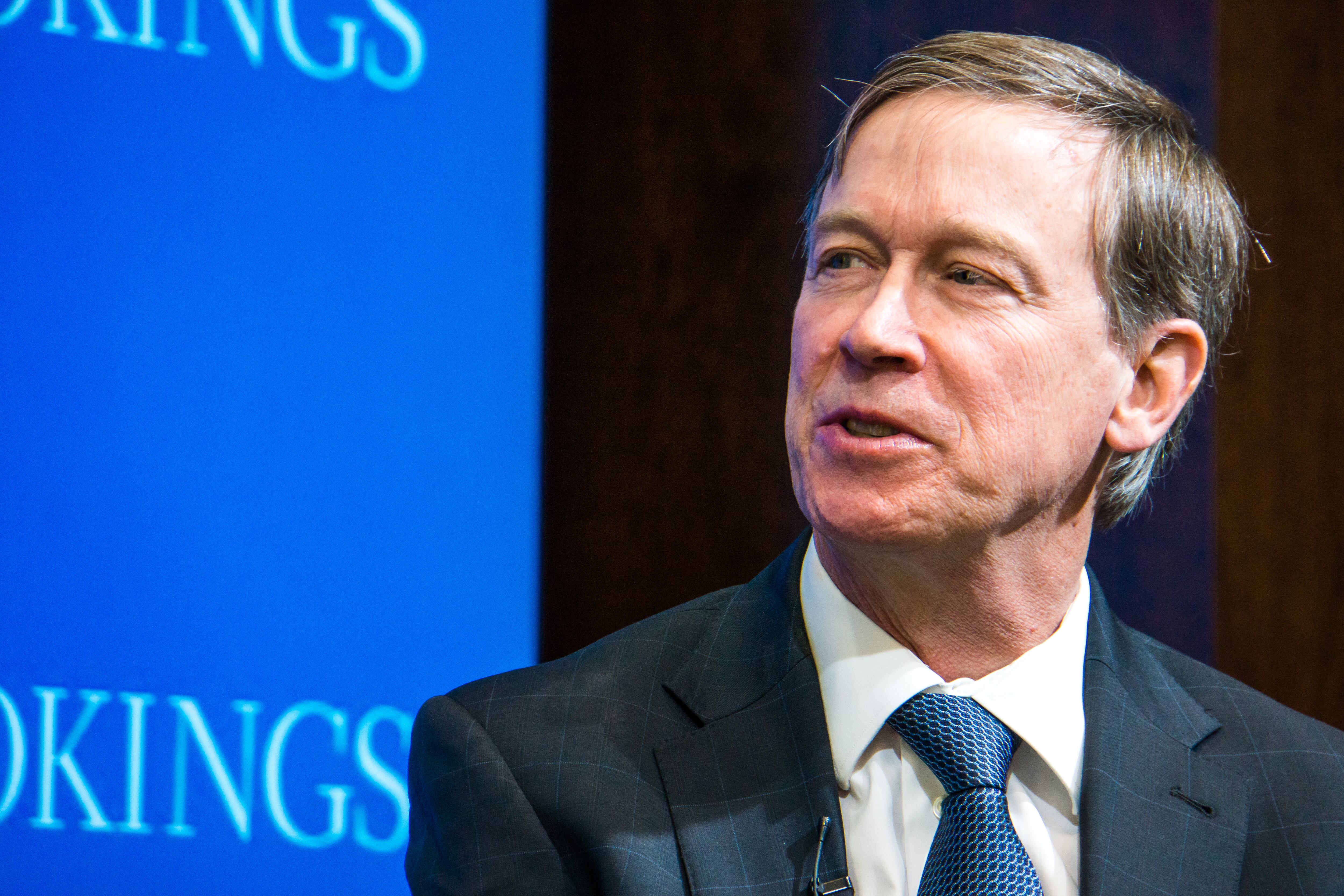
The Republican reiterated his cautious approach to legalization, despite momentum for more liberalization in a state with some of the most tolerant cannabis laws in the country.
A data breach on MyHeritage impacted more than 90 million users. David Nicholson, Co-Founder and Managing Director of Living DNA breaks down what precautions companies take in order to protect your information.
DNA testing service MyHeritage reported a data breach that gave hackers access to email addresses and passwords of over 92 million users. While genetic information wasn't exposed, Rob Verger, Assistant Tech Editor at Popular Science, says the incident serves as a reminder that "almost anything is hackable."
The dental start-up, which sells custom teeth aligners online, opened its first brick-and-mortar store to reach more consumers, says co-founder and CEO Nick Greenfield.
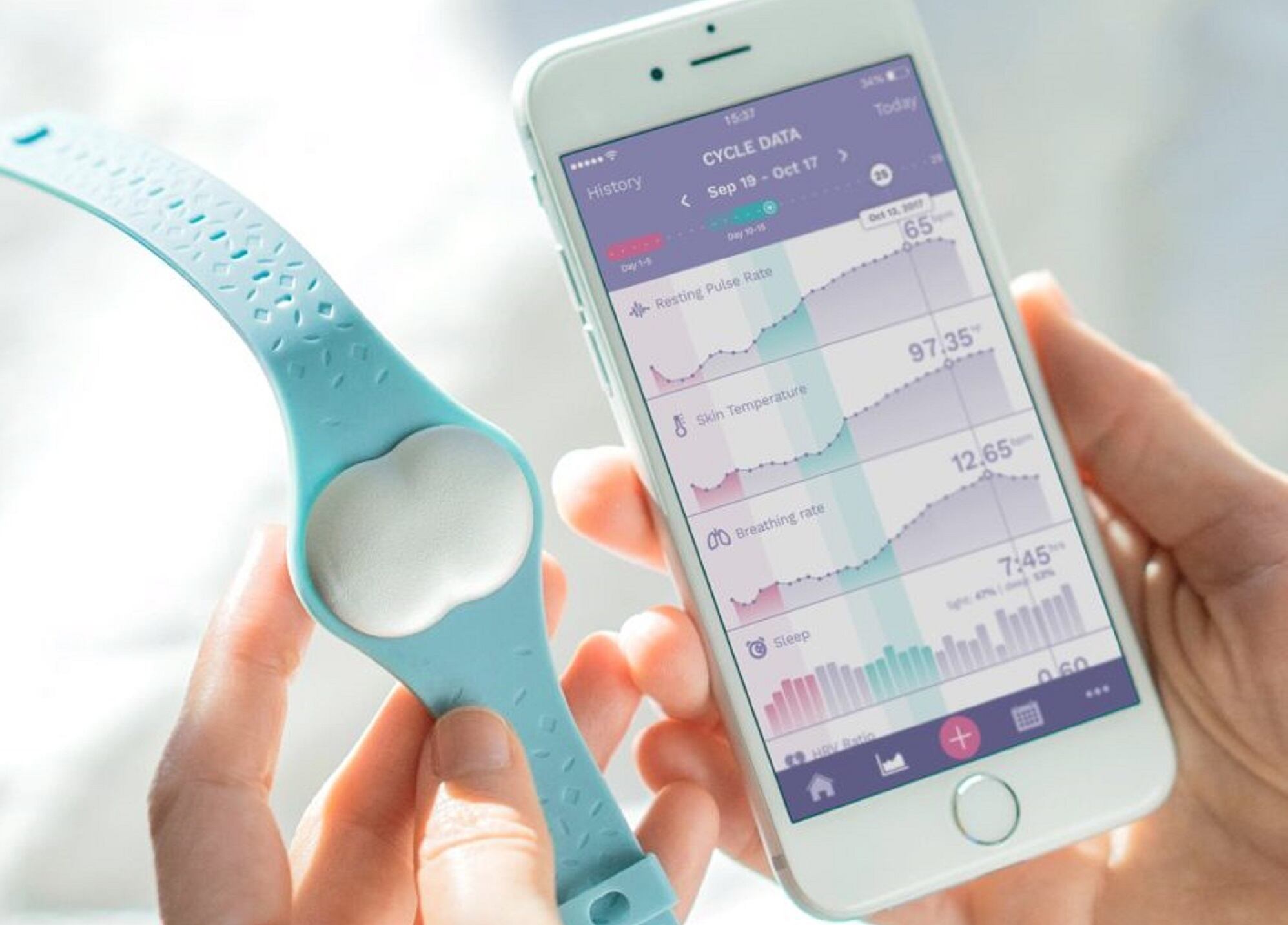
The company, which makes a FitBit-style fertility sensor, announced it will use the fresh capital to fill gaps in the market. "Women's health and women's health research has been underfunded for the last decade," says co-founder Lea von Bidder.
More than 9 million tons of unrecycled plastic waste ends up in the ocean every year, according to Jenna Jambeck, an associate professor at the University of Georgia and a National Georgraphic explorer. In its June issue, the magazine is trying to shine a light on the serious problem with a "Planet or Plastic?" initiative.
Stocks kick off the week with a rally after Treasury Secretary Steven Mnuchin said the prospect of a trade war was "on hold" following an agreement to suspend tariff threats. Tesla CEO Elon Musk unveils details of the souped-up Model 3. President Trump is going after the FBI. Fortnite is launching on Android phones this summer.
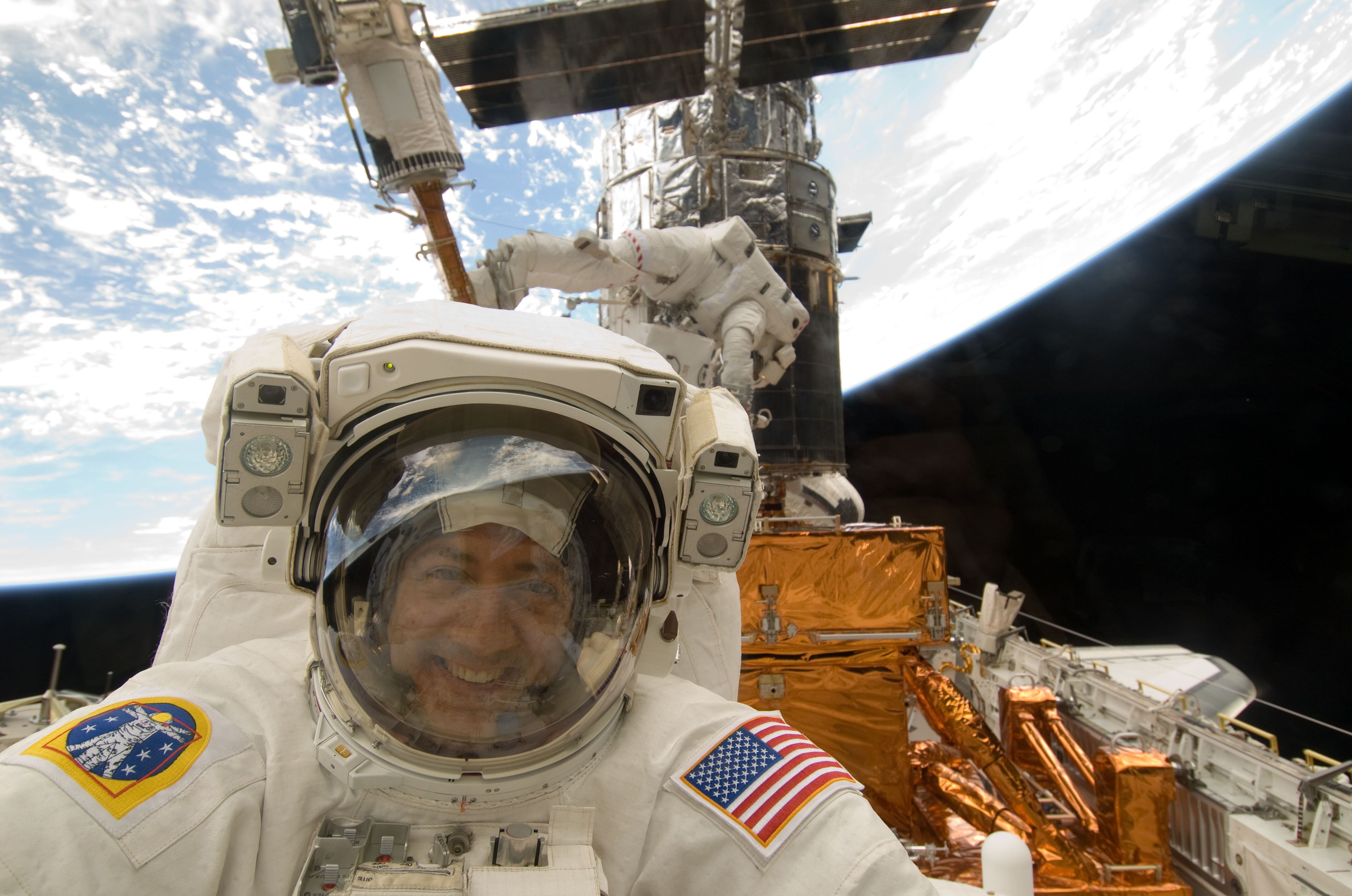
Mike Massimino, the former astronaut who became the first man to tweet from space during one of his two space flights, says companies like SpaceX, Virgin Galactic, and Blue Origin are "the best hope we have for a thriving space program."
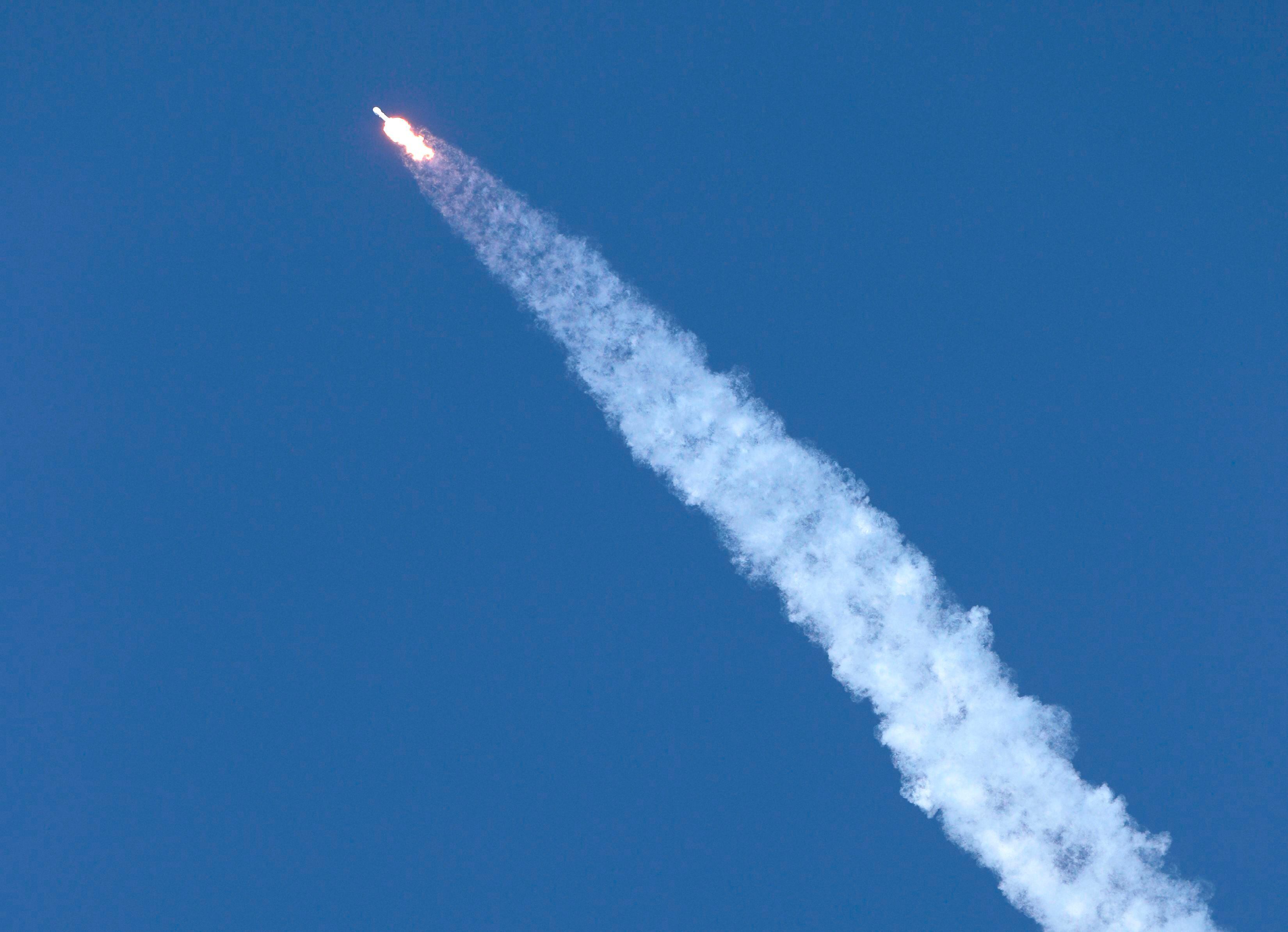
The Falcon 9 'Block 5', which theoretically can be reused 100 times without much maintenance, took off Friday afternoon from the Kennedy Space Center in Florida. The rocket carried a communications satellite into orbit for Bangladesh and then successfully landed back on a platform in the Atlantic.