The Biden administration will propose a new rule Wednesday that would make 3.6 million more U.S. workers eligible for overtime pay, reviving an Obama-era policy effort that was ultimately scuttled in court.
The new rule, shared with The Associated Press ahead of the announcement, would require employers to pay overtime to so-called white collar workers who make less than $55,000 a year. That's up from the current threshold of $35,568 which has been in place since 2019 when Trump administration raised it from $23,660. In another significant change, the rule proposes automatic increases to the salary level each year.
Labor advocates and liberal lawmakers have long pushed a strong expansion of overtime protections, which have sharply eroded over the past decades due to wage stagnation and inflation. The new rule, which is subject to a publicly commentary period and wouldn't take effect for months, would have the biggest impact on retail, food, hospitality, manufacturing and other industries where many managerial employees meet the new threshold.
“I’ve heard from workers again and again about working long hours, for no extra pay, all while earning low salaries that don’t come anywhere close to compensating them for their sacrifices,” Acting Secretary of Labor Julie Su said in a statement.
The new rule could face pushback from business groups that mounted a successful legal challenge against similar regulation that Biden announced as vice president during the Obama administration, when he sought to raise the threshold to more than $47,000. But it also falls short of the demands by some liberal lawmakers and unions for an even higher salary threshold than the proposed $55,000.
Under the Fair Labor Standards Act, almost all U.S. hourly workers are entitled to overtime pay after 40 hours a week, at no less than time-and-half their regular rates. But salaried workers who perform executive, administrative or professional roles are exempt from that requirement unless they earn below a certain level.
The left-leaning Economic Policy Institute has estimated that about 15% of full-time salaried workers are entitled to overtime pay under the Trump-era policy. That's compared to more than 60% in the 1970s. Under the new rule, 27% of salaried workers would be entitled to overtime pay because they make less than the threshold, according to the Labor Department.
Business leaders argue that setting the salary requirement too high will exacerbate staffing challenges for small businesses, and could force many companies to convert salaried workers to hourly ones to track working time. Business who challenged the Obama-era rule had praised the Trump administration policy as balanced, while progressive groups said it left behind millions of workers.
A group of Democratic lawmakers had urged the Labor Department to raise the salary threshold to $82,732 by 2026, in line with the 55th percentile of earnings of full-time salaried workers.
A senior Labor Department official said new rule would bring threshold in line with the 35th percentile of earnings by full-time salaried workers. That's above the 20th percentile in the current rule but less than the 40th percentile in the scuttled Obama-era policy.
The National Association of Manufacturers last year warned last year that it may challenge any expansion of overtime coverage, saying such changes would be disruptive at time of lingering supply chain and labor supply difficulties.
Under the new rule, some 300,000 more manufacturing workers would be entitled to overtime pay, according to the Labor Department. A similar number of retail workers would be eligible, along with 180,000 hospitality and leisure workers, and 600,000 in the health care and social services sector.
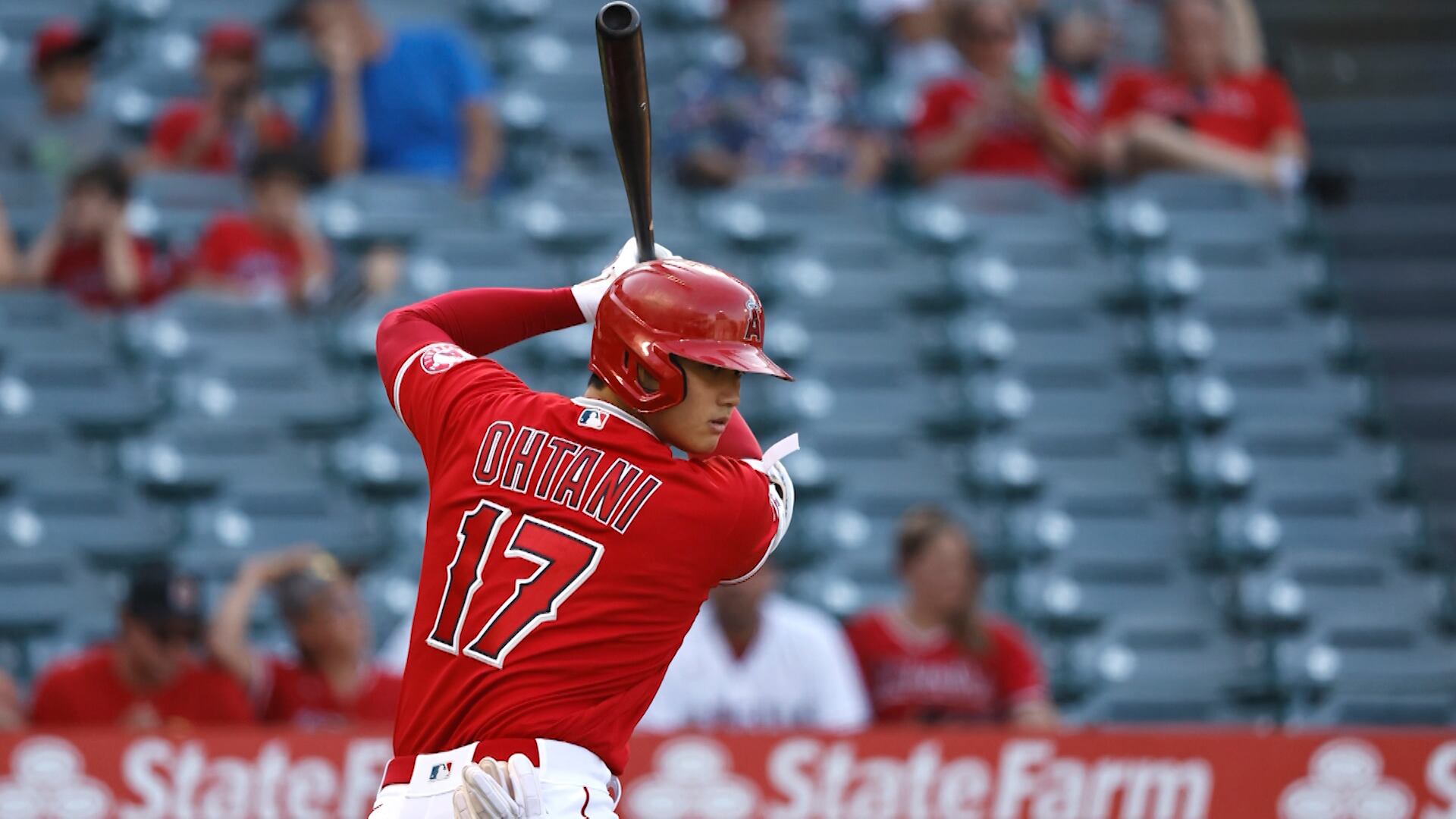
In late January, NFT company Candy Digital cashed in when a Shohei Ohtani Icon NFT sold for $100,000, breaking the six-figure sale price mark for MLB NFTs for the first time. Scott Lawin, CEO of Candy Digital, joins Cheddar News' Closing Bell, where he explains why his company is very excited about the future of digital collectibles and how the Ohtani NFT sale shows consumer confidence in the marketplace.
Sēkr, a mobile app that aims to improve and digitize the outdoor travel experience, announced this week that it raised a $2.25 million seed round. In the Sēkr app, users can get access to more than 50,000 campsites throughout the U.S. including the nation's largest database of free campsites. The company is saying it is on a mission to make every step of the planning experience for outdoor travel easier, safer, and more social. Breanne Acio, co-founder and CEO of Sēkr, and Jess Shisler, co-founder and COO, joined Cheddar News' Closing Bell to discuss.
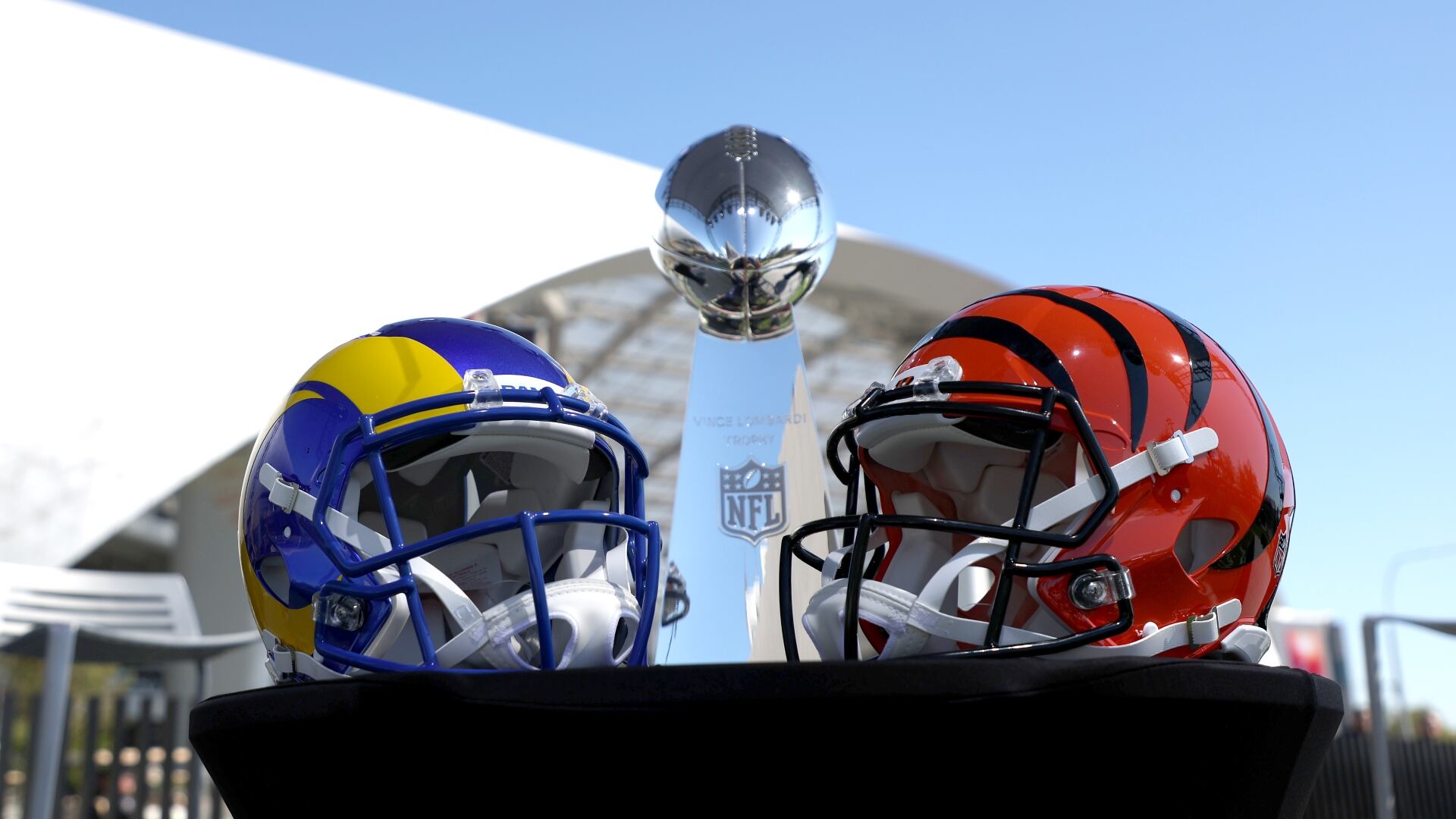
Cheddar's Big Game Special gives you all the info you need heading into Sunday's event. Pro Football Hall of Famer Terrell Davis, Big Game MVP Hines Ward, and Big Game Champion Emmanuel Sanders dissect the action set to take place on the field, Olivia Harlan Dekker delivers her winning wagers, Tom Morton breaks down what we should expect from advertisers, Azia Celestino showcases the atmosphere from Los Angeles, and Baker Machado discusses what viewers should expect to see unfold during the halftime show.
As the Cincinnati Bengals and Los Angeles Rams prep to face each other in the Big Game at SoFi Stadium in LA, 55 percent of a record number of bettors are projected to drop money on the Rams. Casey Clark, the senior vice president of strategic communications for the American Gaming Association, joined Cheddar News to share some data and predictions based on the greater interest in gambling on Super Bowl LVI. "You know that means that people are migrating away from the predatory illegal market and corner bookie and moving their action into the legal marketplace," he said. "So really encouraging for consumer protections and for those of us who might want to have a little action on the game."
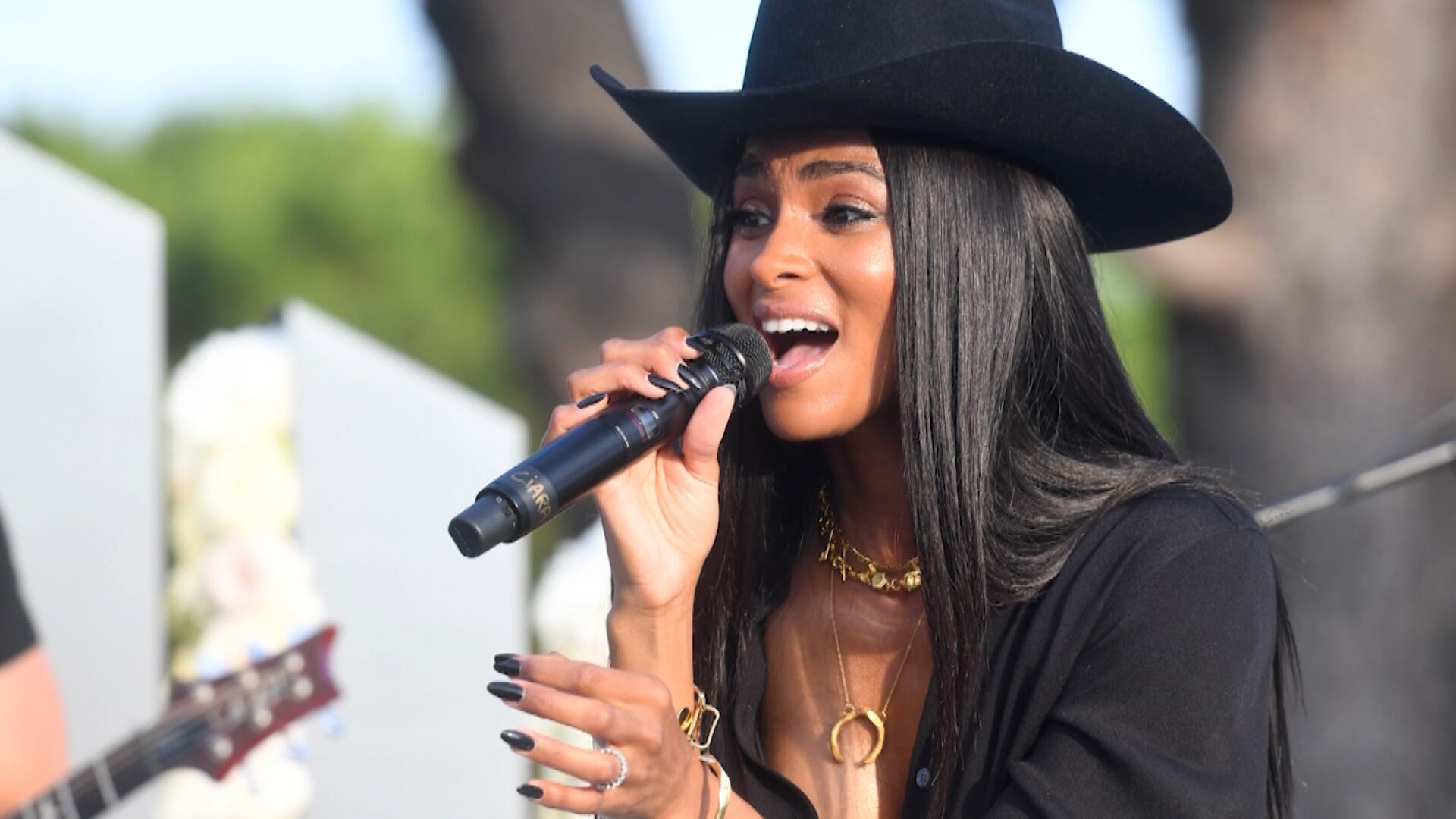
Facebook parent Meta and Grammy Award-winning singer Ciara have joined forces to help black female-owned small businesses. Selected businesses will receive marketing mentorship from Meta along with $100,000 to put into their brand. One such business, The Self Care Suite, is a platform that supports mental health, and founder Tara Pringle Jefferson, along with Irene Walker, Meta Elevate founder and program manager, joined Cheddar News to discuss the program. "Having this opportunity with Meta, with Ciara, really will allow us to focus on our virtual programming, to focus on our e-commerce shop, and, as we kind of adjust, to the new normal in 2022," said Pringle Jefferson.
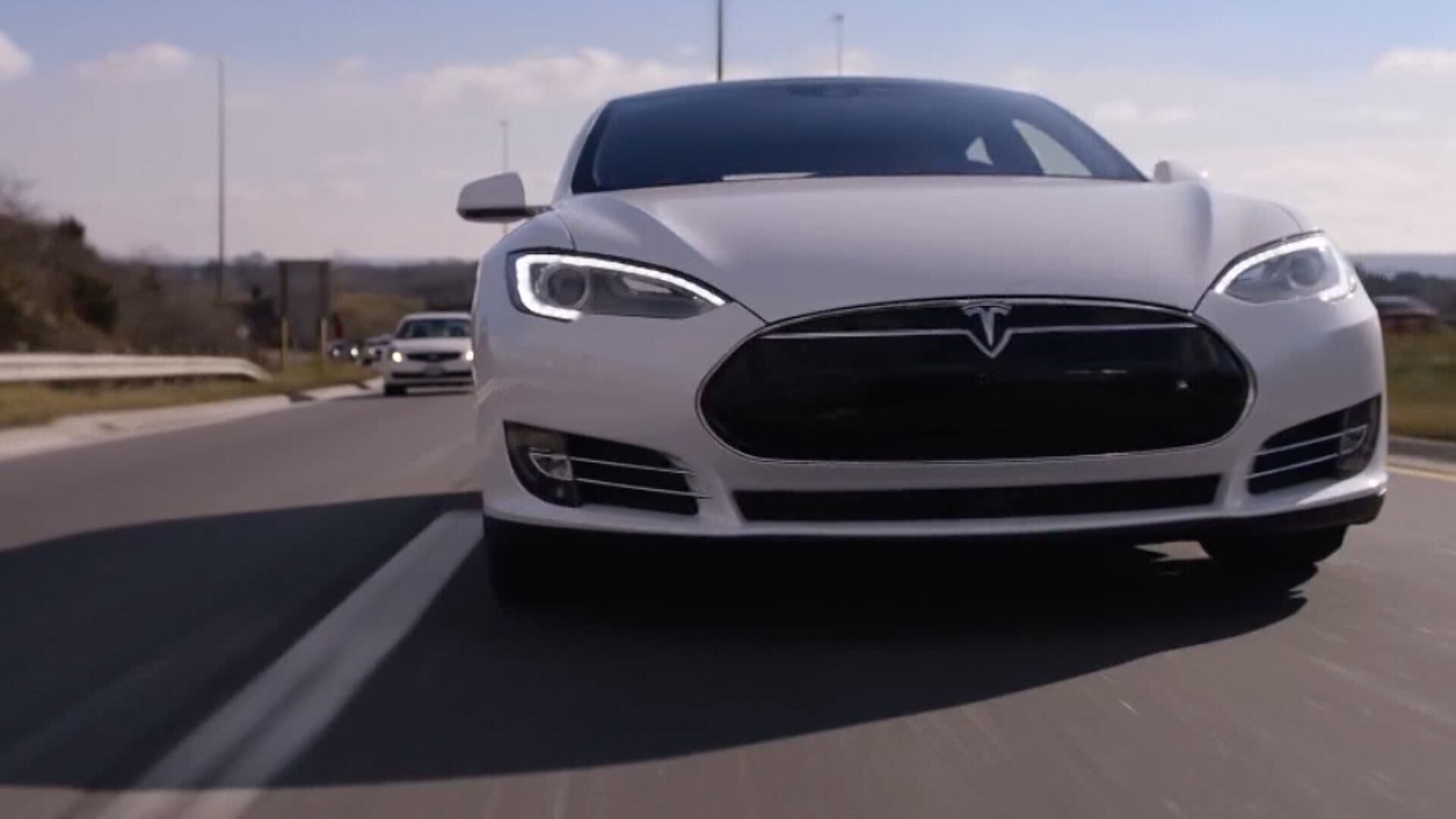
Tesla has been under mounting regulatory scrutiny by the NHTSA, and has issued numerous recalls, including four within the past two weeks. While the company has issued recalls over the years, the number seems to be increasing in recent months as the company issues fixes for seat belt chimes, pedestrian alerts, its self-driving software, and more. What's behind this uptick in recalls — and how might this impact brand loyalty? Al Root, Senior Writer at Barron's, joins Closing Bell to discuss.
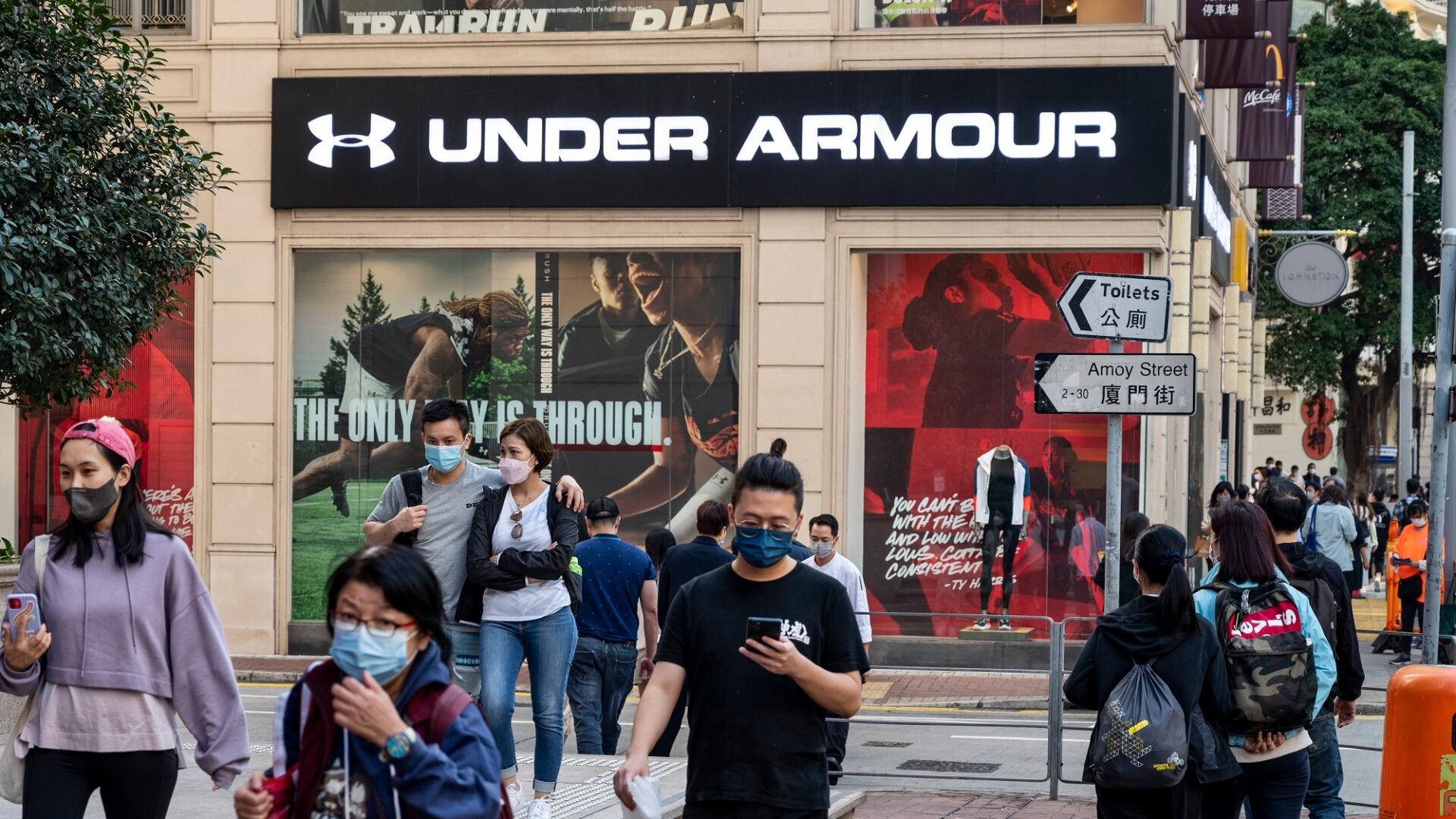
Under Armour released a successful Q4 earnings report amid supply chain issues. The apparel company said it invested in analytics to decipher what drives consumers to its brand. However, the company warned of potential supply problems going forward due to COVID.
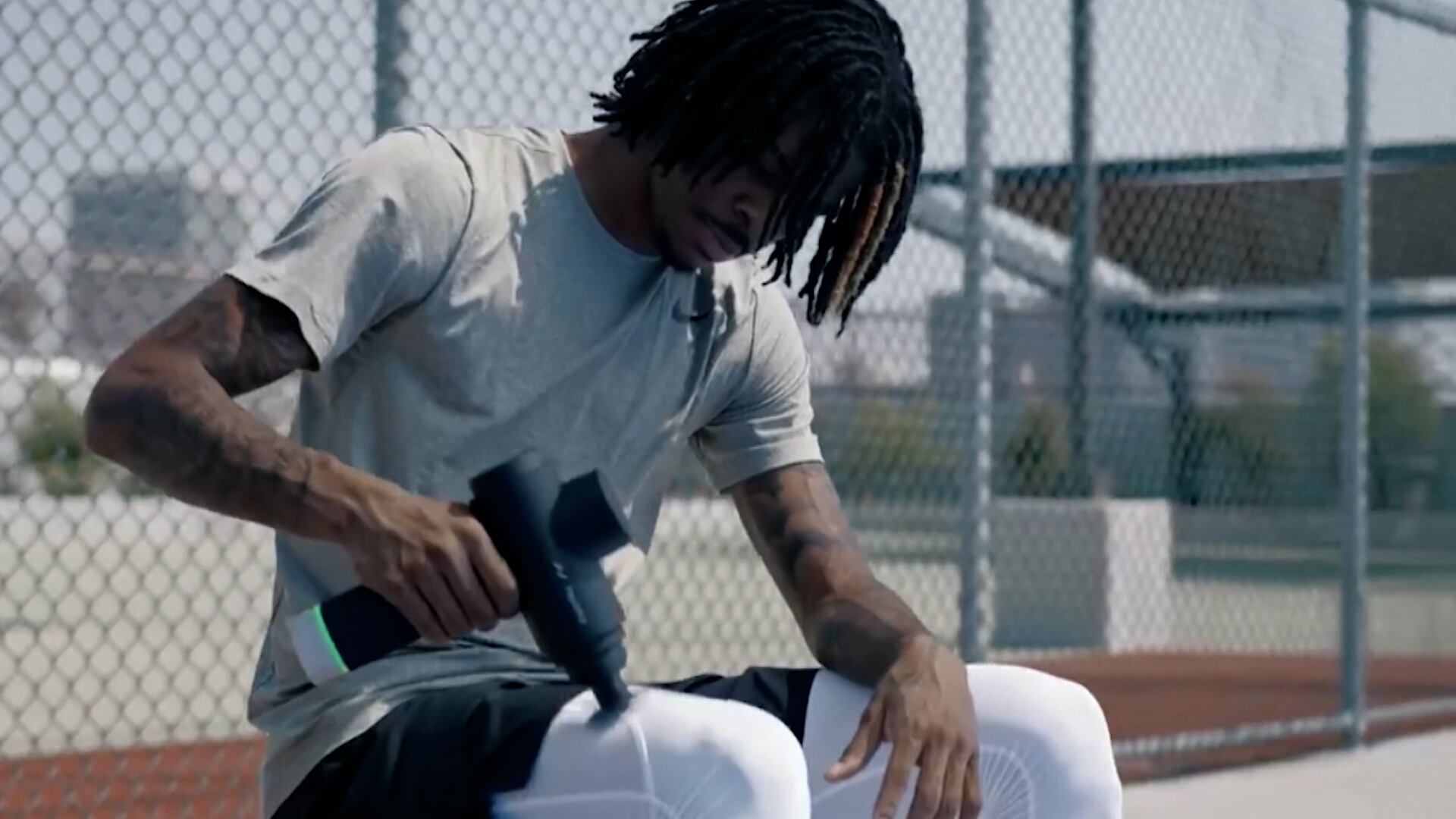
Hyperice is a technology company that specializes in physical recovery for athletes, and it's now partnering with the NFL. Christian McCaffrey, Carolina Panthers running back and Hyperice athlete-investor, and Jim Huether, Hyperice CEO, joined Cheddar News to discuss the partnership. "It's definitely for both for performance and for recovery, as somebody who plays a brutal sport and have to go through some of the unfortunate realities of injury," McCaffery said of the products. "You're always fighting for that 0.1 percent difference between winning and losing and and the little things and every second matters."