Microsoft "permanently disabled" Internet Explorer on Valentine's Day, shutting down a web browser that for a long time has stood in the shadow of newer, better web browsers.
Microsoft Edge has co-existed with Internet Explorer for years, but now it will be the default browser on all Windows devices.
“Not only is Microsoft Edge a faster, more secure and more modern browsing experience than Internet Explorer, but it is also able to address a key concern: compatibility for older, legacy websites and applications,” Sean Lyndersay, general manager of Microsoft Edge Enterprise, wrote in a 2021 blog post announcing Internet Explorer's eventual demise.
The browser launched in 1995 and for a long time was the most popular entry point to the web. Then federal regulators in 1997 sued Microsoft for requiring computer makers to use Internet Explorer as part of Windows.
The legal pressure eventually forced Microsoft to open up Windows to other browsers, which soon gained market share.
Google's Chrome now makes up 65 percent of the browser market, and Apple's Safari makes up 19 percent, according to analytics company Statcounter. As for Microsoft Edge, it currently stands at around 4 percent.
Internet Explorer's final version came out in 2013.
While more nostalgic web denizens lamented the brower's passing, others commented that it had become "bug-ridden and insecure," and noted that it was primarily used for downloading other browsers.
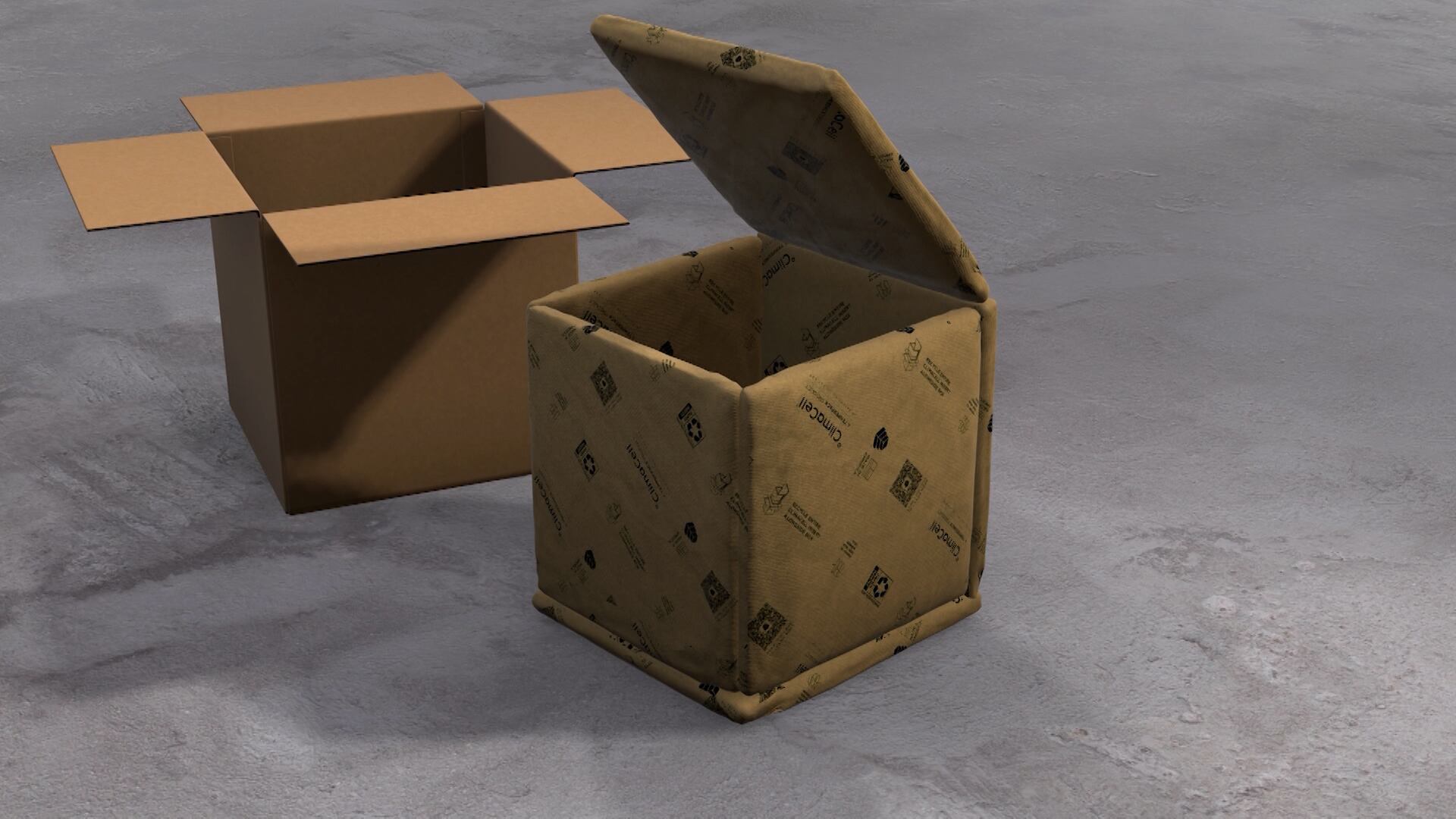
Almost every industry now uses online shopping and ordering, but some products require a different packing material, and many times, shipping products can be wasteful. TemperPack aims to solve both issues with its ClimaCell liners, which you might recognize if you have ever ordered a meal subscription kit. Brian Powers, co-founder and Chief Growth Officer at TemperPack, joins Closing Bell to discuss TemperPack's ClimaCell liners, the company's sustainability mission, its corporate customer base, and more.
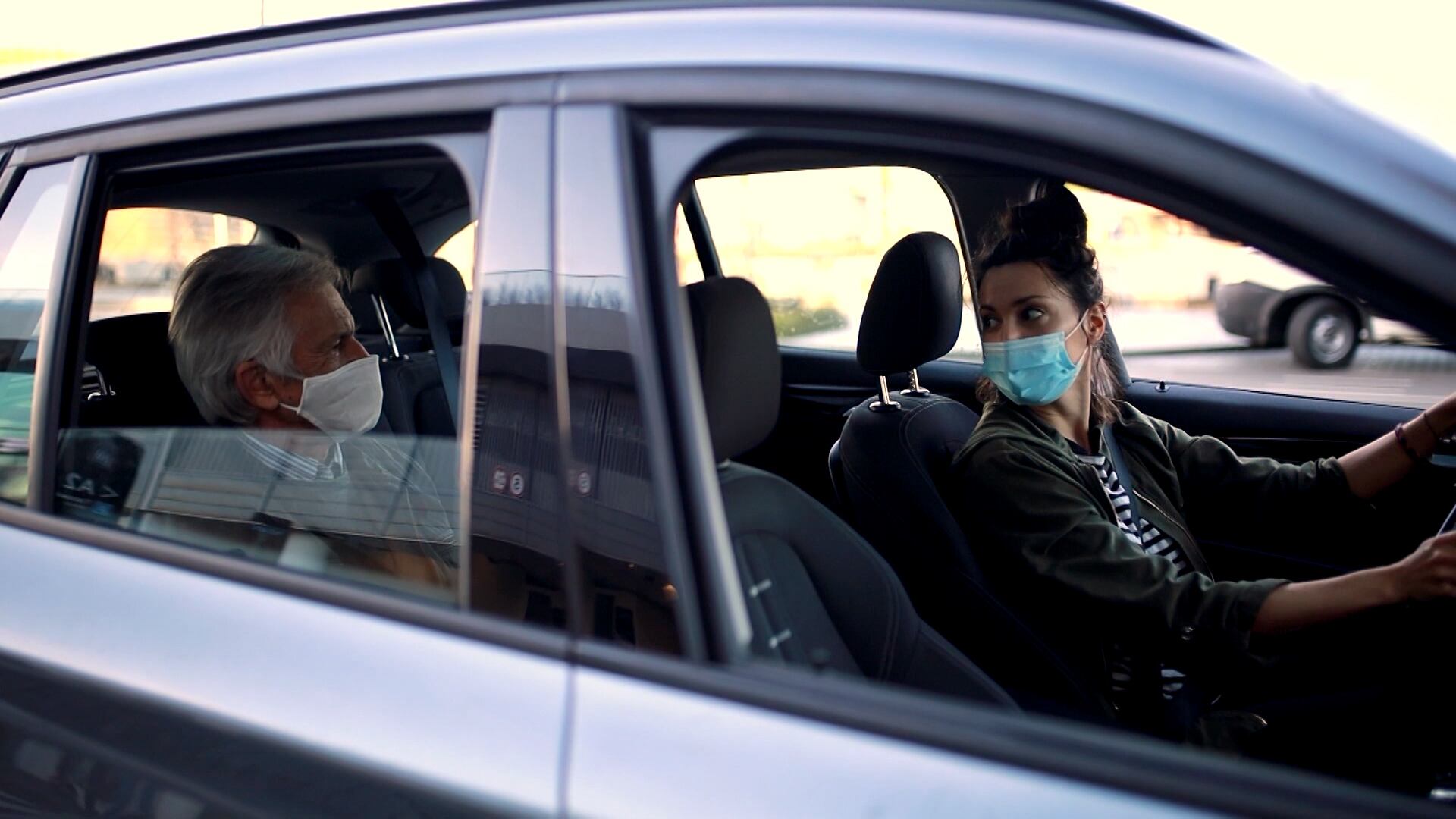
Uber and Lyft drivers are cruising in Washington State, the first U.S. state to set an earnings standard for drivers for the ride-hailing companies. Governor Jay Inslee signed the new minimum pay standard into law Thursday, which also gives drivers access to perks like paid sick time and family medical leave. John Logan, Director of Labor and Employment Studies at San Francisco State University, joins Cheddar News' Closing Bell to discuss.
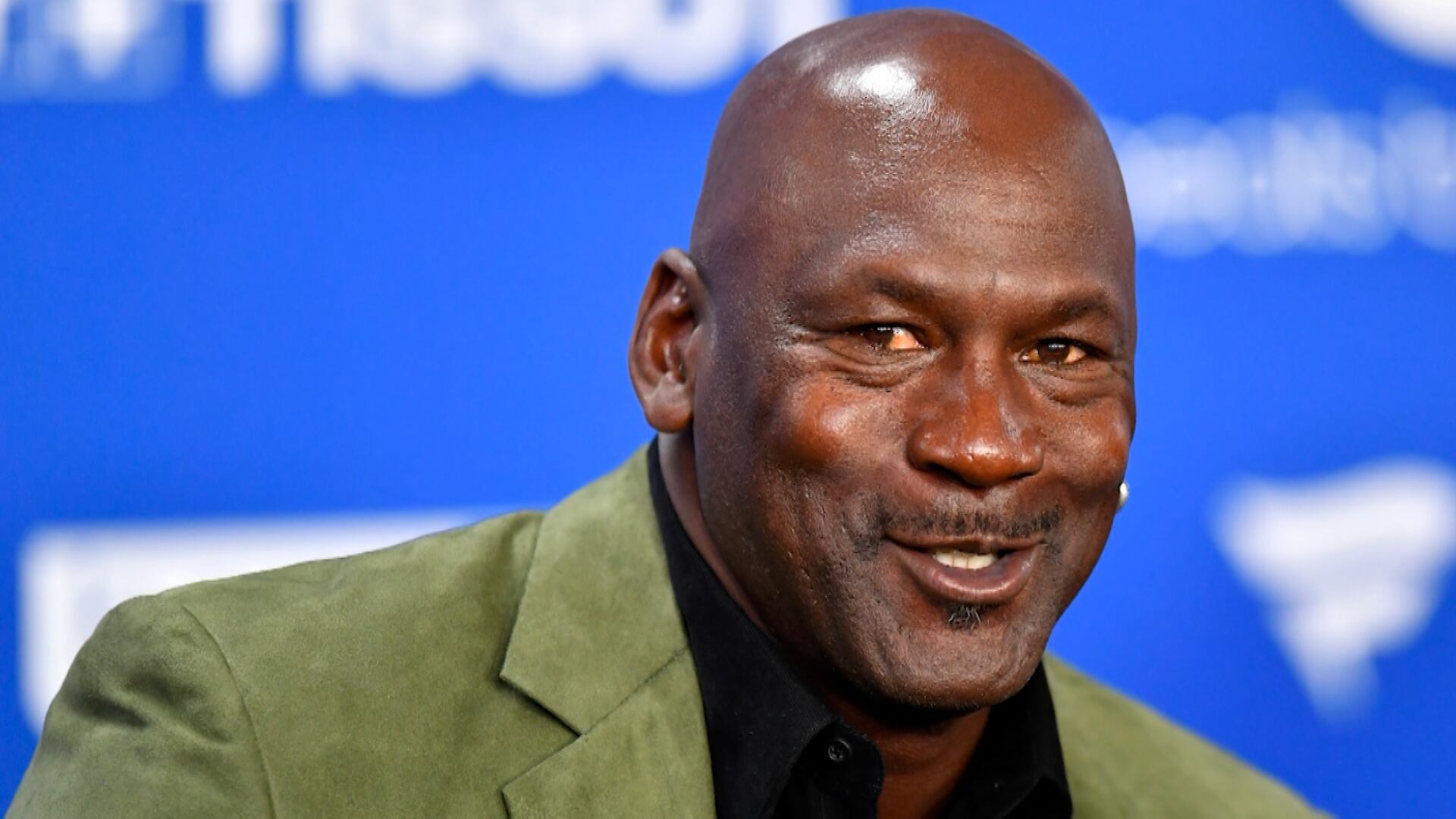
Carsten Koerl, CEO of Sportradar, joins Cheddar News' Closing Bell, where he explains how his company is bolstering the platforms of sports betting and streaming networks, and discusses basketball legend and Sportradar investor Michael Jordan's role in helping the company grow.
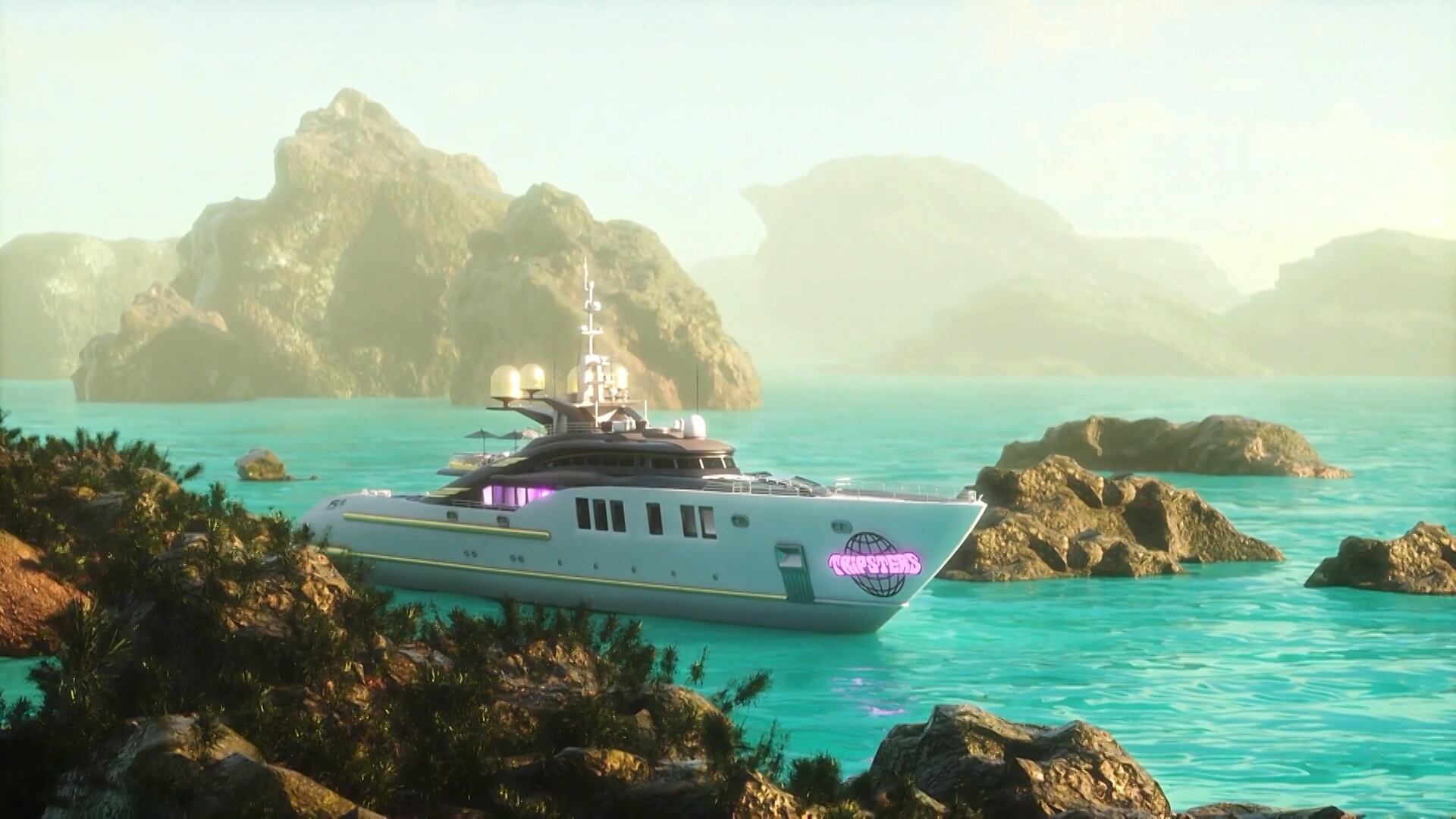
A new NFT network claims it is disrupting the art market, and is doing so by following in the footsteps of art legends Andy Warhol and Jean-Michel Basquiat. Tripsters says it is creating a new and revolutionary concept in the NFT space, by allowing users to combine two NFTs in order to create a new third NFT. Tripsters says the feature will be compatible with multiple NFT collections in the future, but the first Tripsters' airdrop will be compatible with the Bored Ape Yacht Club collection. Jayson Winer, co-founder of Tripsters, and Oskar Kowalski, a senior advisor for the startup, join Cheddar News' Closing Bell to discuss.
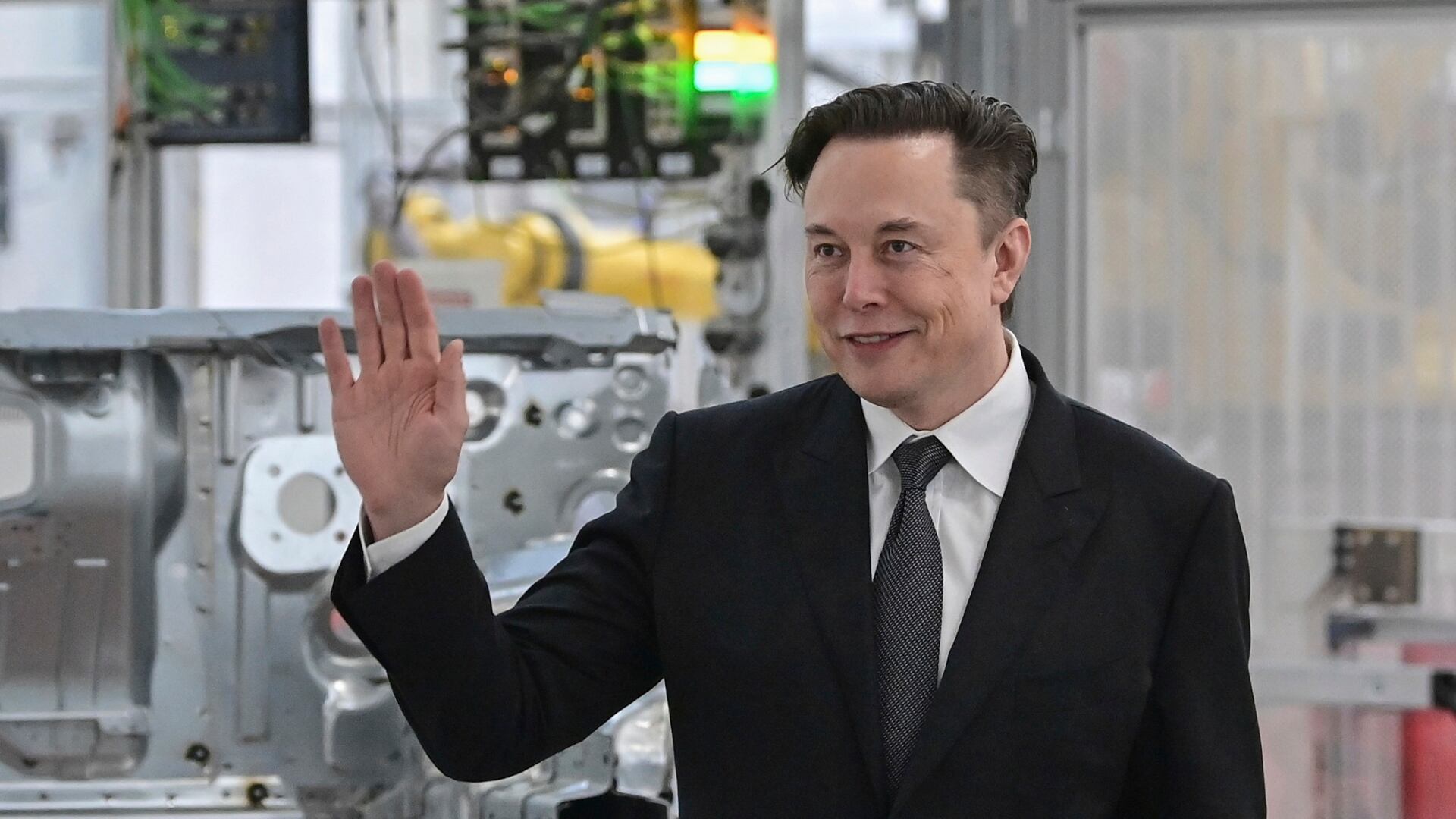
Just a week after talks of him starting his own social media platform, Tesla CEO Elon Musk purchased a 9.2 percent stake in Twitter. The stock by resulted in a price surge for both Twitter and Tesla stocks, but questions are swirling about how much of an active stake this will be for the controversial figure who's had a fraught relationship with the platform over the years. Dan Ives, the managing director of equity research at Wedbush, joined Cheddar News to discuss. "I think this is a start of what's gonna really be a soap opera with Musk, either getting on the board or forcing significant strategic changes at Twitter," he noted.
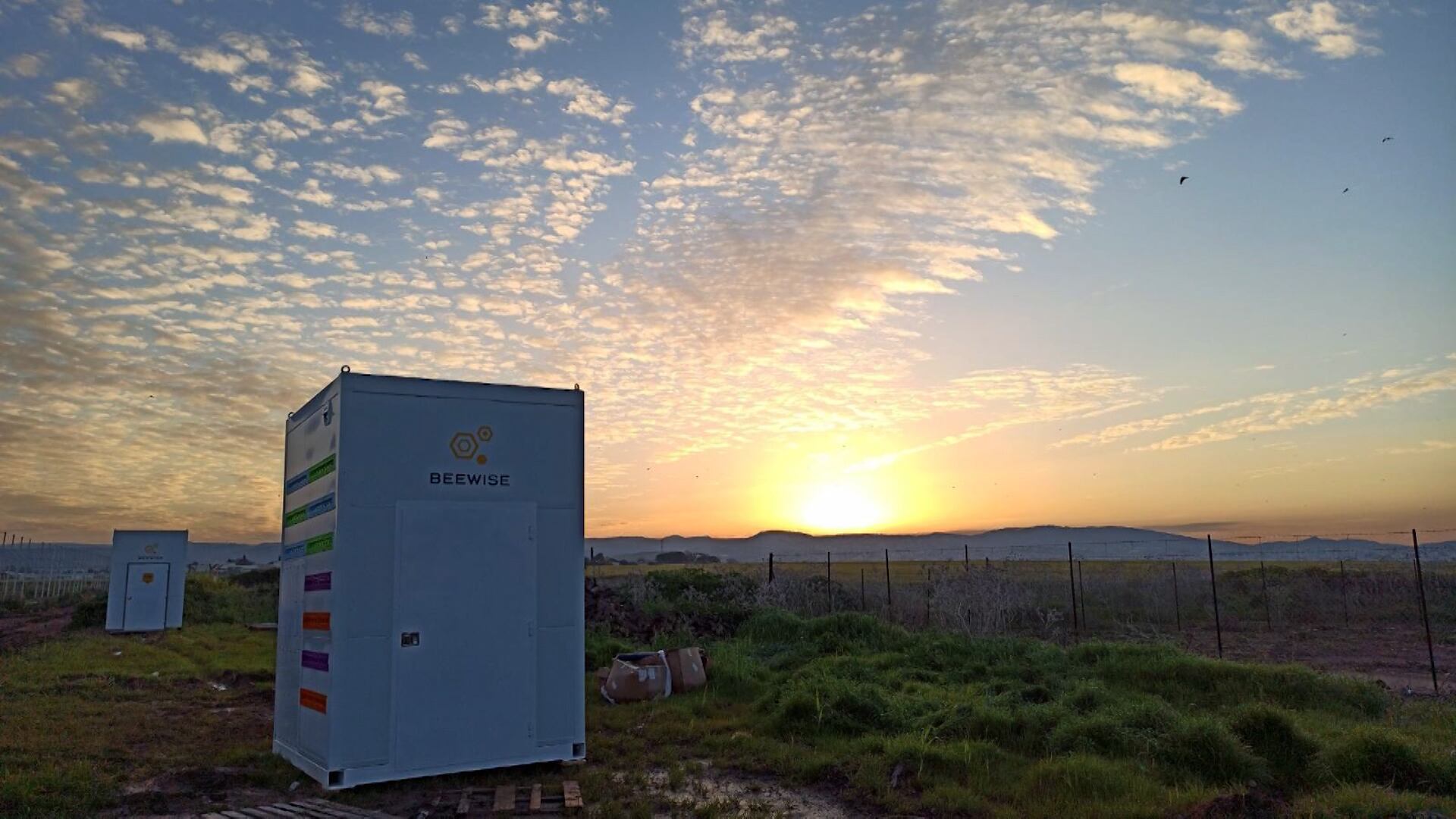
Bees are responsible for the bulk of fruit and vegetable pollination — and they're negatively being affected by climate change. Tech startup Beewise is offering a solution with artificial intelligence to create robotic, autonomous hives to help the vulnerable bee populations. Saar Safra, co-founder & CEO, joined Cheddar News to talk about the company's recent $80 million to help make this project possible. "Our solution is not only hardware," he said. "Its software and biology all in one device. That's the challenge, and that's what sets us apart."