Mayim Bialik, an actress, author, and neuroscientist, who became a fan-favorite on the hit CBS show The Big Bang Theory as Sheldon's quirky love interest, is starring in a sitcom of her own again.
The show, which premiered in January and titled Call Me Kat, is about a woman who uses her life savings to open a cat cafe in Louisville, Ky. Jim Parsons, who starred opposite Bialik in The Big Bang Theory as the highly intelligent but often irritating Sheldon, is producing the show adapted from the British sitcom Miranda by Miranda Hart.
"He said 'if anyone can pull off annoying but also adorable, I think it's you," Bialik told Cheddar.
In the grand-old tradition of adapting British comedies, the two shows will share more in spirit than in specifics, but both concern a single woman looking for love and employment. What's unique to the American version is the decision to base the show in a cat cafe.
Luckily for Bialik, she's a cat owner herself.
"It's really awesome that I get to play with cats all day at work, and come home and then deal with my own cats who definitely smell the other cats on me," she said.
A stylistic choice that was carried over from Miranda is that Bialik's character will break the fourth wall throughout the show.
"Kat is a character who's alone a lot and tries not to be lonely, so the audience is kind of in on what's going on in her head," Bialik said.
In addition, the cast takes a bow at the end of each episode, which Bialik said has been divisive.
"You don't have to love it, but if you don't, it's not our fault. It's based on Miranda," she said.
The neuroscientist also took a moment to talk about the world outside the silver screen.
Bialik made headlines back in October for posting a video on YouTube clarifying that she was not an anti-vaxxer. She said misinformation had spread about her because her newly-born children were not vaccinated on a regular schedule.
"Obviously my children are vaccinated," she said. "We are a family that supports the vaccine program for this virus."
However, she noted that she was a skeptical person in general and pointed out that the long-term effects of COVID vaccines are still unknown. Nonetheless, she said she got the vaccine in order to reach herd immunity as soon as possible.
"I got the vaccine, and that's something that I decided to share about because there's been a lot of misinformation about me."
The make-or-break holiday shopping season was off to a strong start as of Black Friday, according to early online data and interviews with several analysts and early online statistics. On Thanksgiving day alone, consumers nationwide spent $1.75 billion online ー a striking increase of nearly 30 percent over last year, according to data from Adobe Analytics. The latest numbers are an indication that what was once a day-long Black Friday event, that then extended into a long weekend capped by Cyber Monday, has morphed into something altogether different.
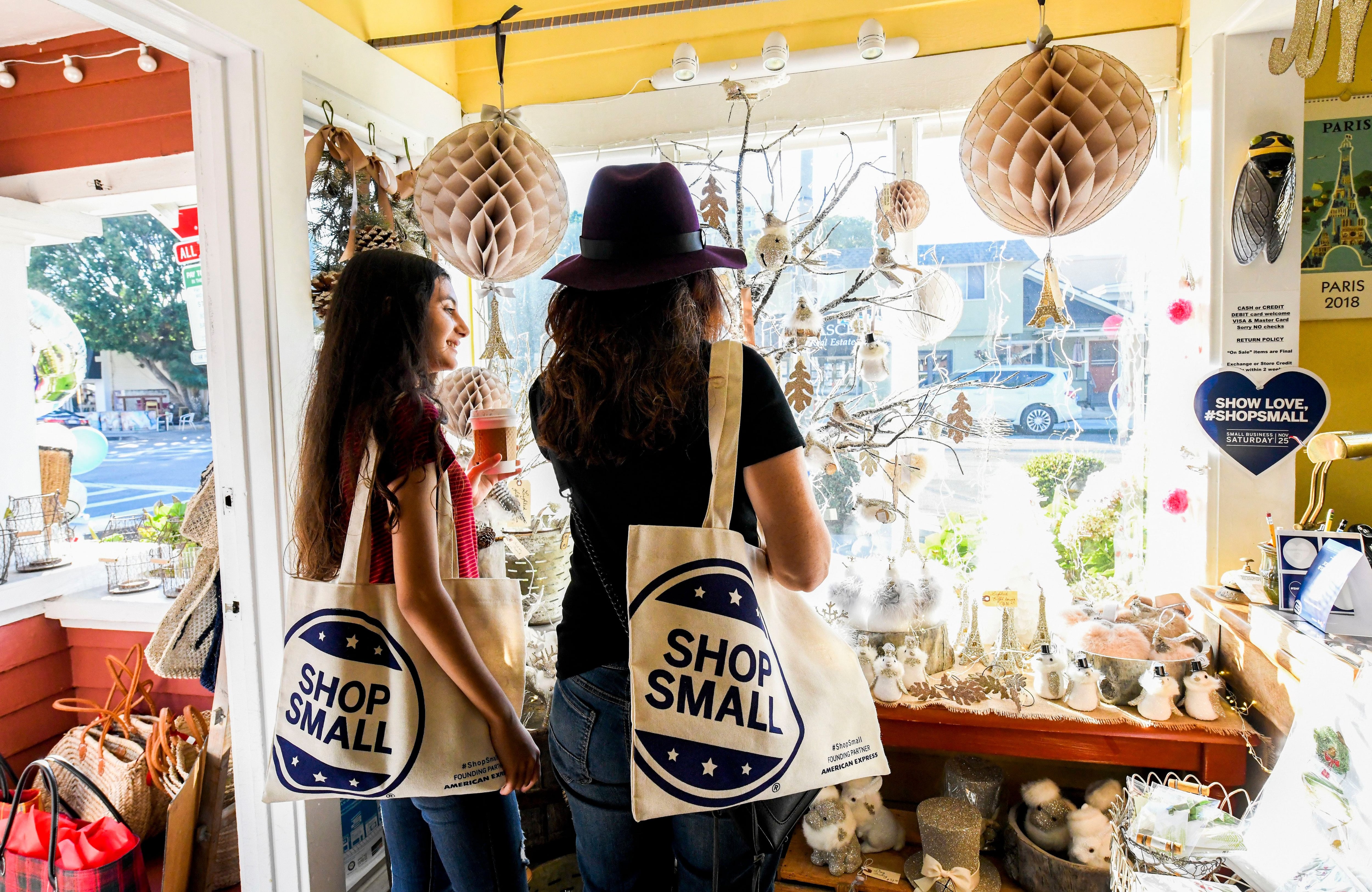
Sandwiched between the massive Black Friday and Cyber Monday, Small Business Saturday is a day for mom-and-pop shops to take a slice of holiday revenue from the retail giants. Walter Frye, a vice president at American Express, sat down with Cheddar to discuss how his company is working to raise awareness about the importance of shopping small. When a shopper spends one dollar at a small business, 67 percent of that dollar stays in the local community, he told Cheddar.
Amazon's decision to bring an HQ2 to Queens, N.Y., was met by considerable backlash. According to the director of the city's Riders Alliance, the frustration is largely about the subway's reliability ー or lack thereof. "We have enough space on our trains, but they're not reliable," Danny Pearlstein, policy and communications director of the Riders Alliance, told Cheddar Wednesday.
Airports nationwide are gearing up for one of the busiest holiday travel weekends on record. But thrifty procrastinators take heart: there may still be some workarounds to help save money on holiday travel this year.
Condé Nast's shift to digital continued this week with an announcement that Glamour, the 80-year-old women's fashion magazine, would cease monthly print publication after its January 2019 issue. It follows similar moves by Teen Vogue and Self, other female-focused brands in the Condé stable. The vaunted magazine publisher lost $120 million last year amid a consolidation of its print properties.
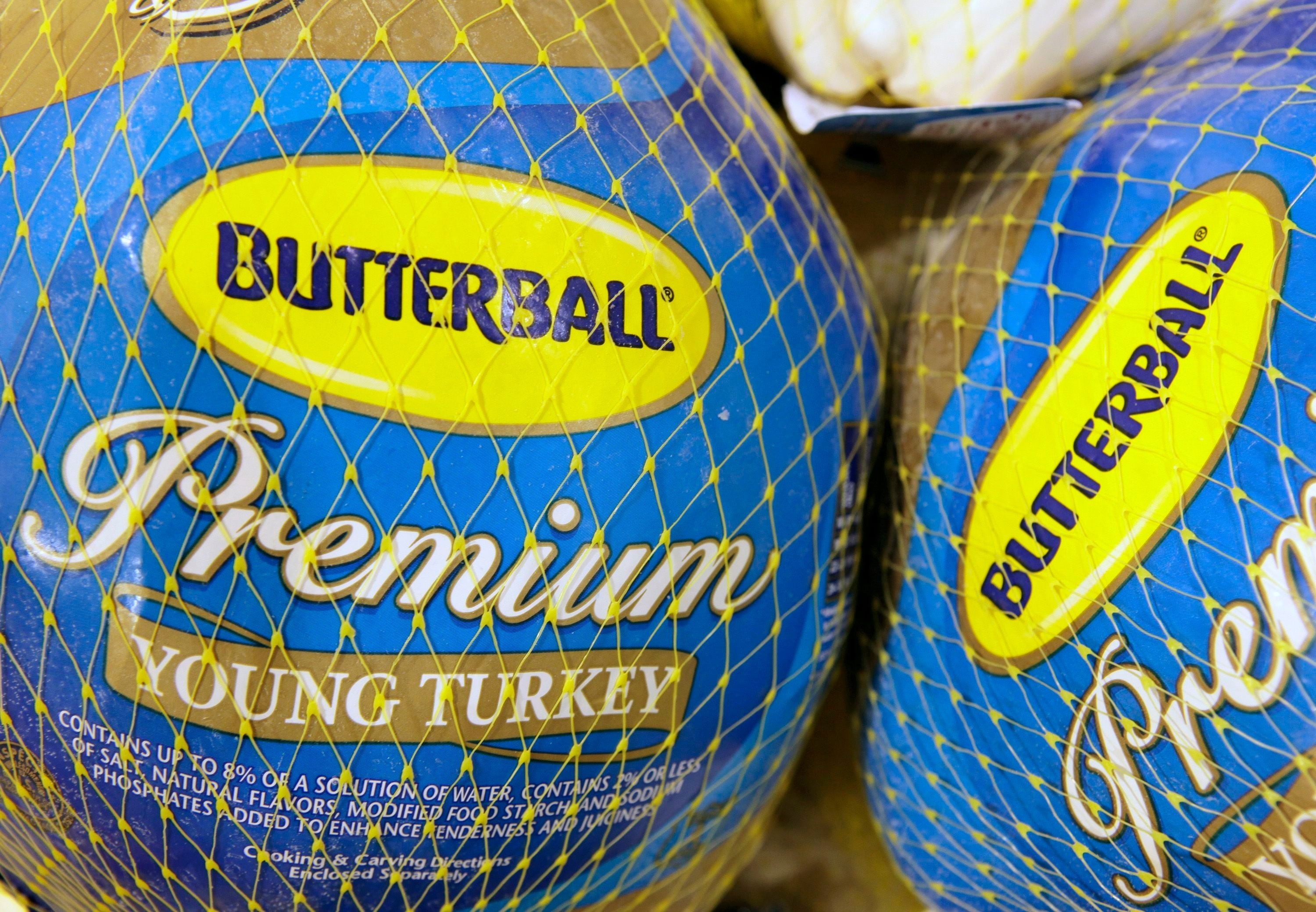
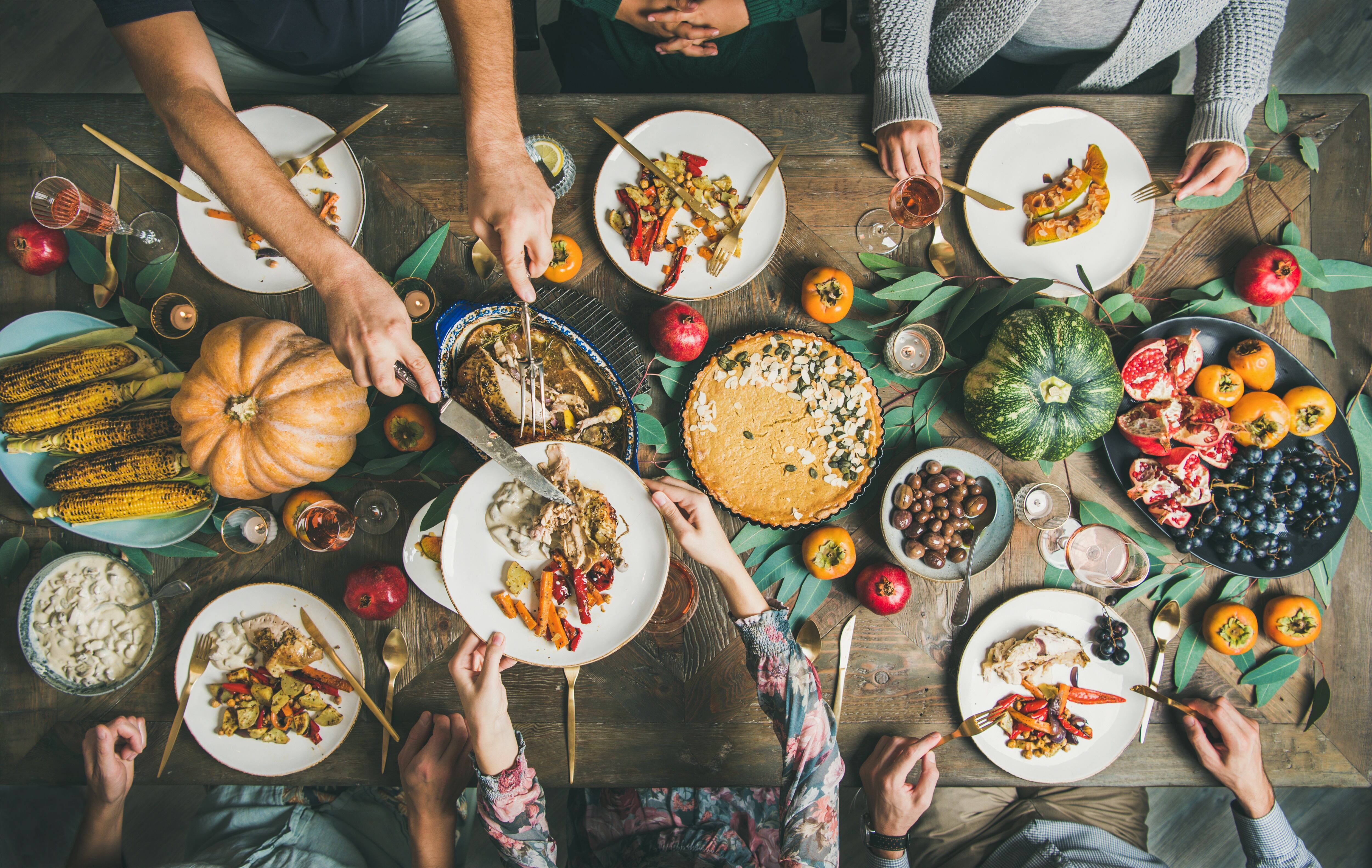
The Butterball Turkey Talk-Line has been answering the questions of stressed-out Thanksgiving hosts for decades, but this year it is turning to Amazon Alexa to modernize how it helps with turkey prep.
These are the headlines you Need 2 Know for Wednesday, Nov. 21, 2018.
Home-builders were largely spared from the broader market sell-off early this week, but a mix of high home prices, rising mortgage rates, and low home-builder confidence are threatening the future of the housing market.
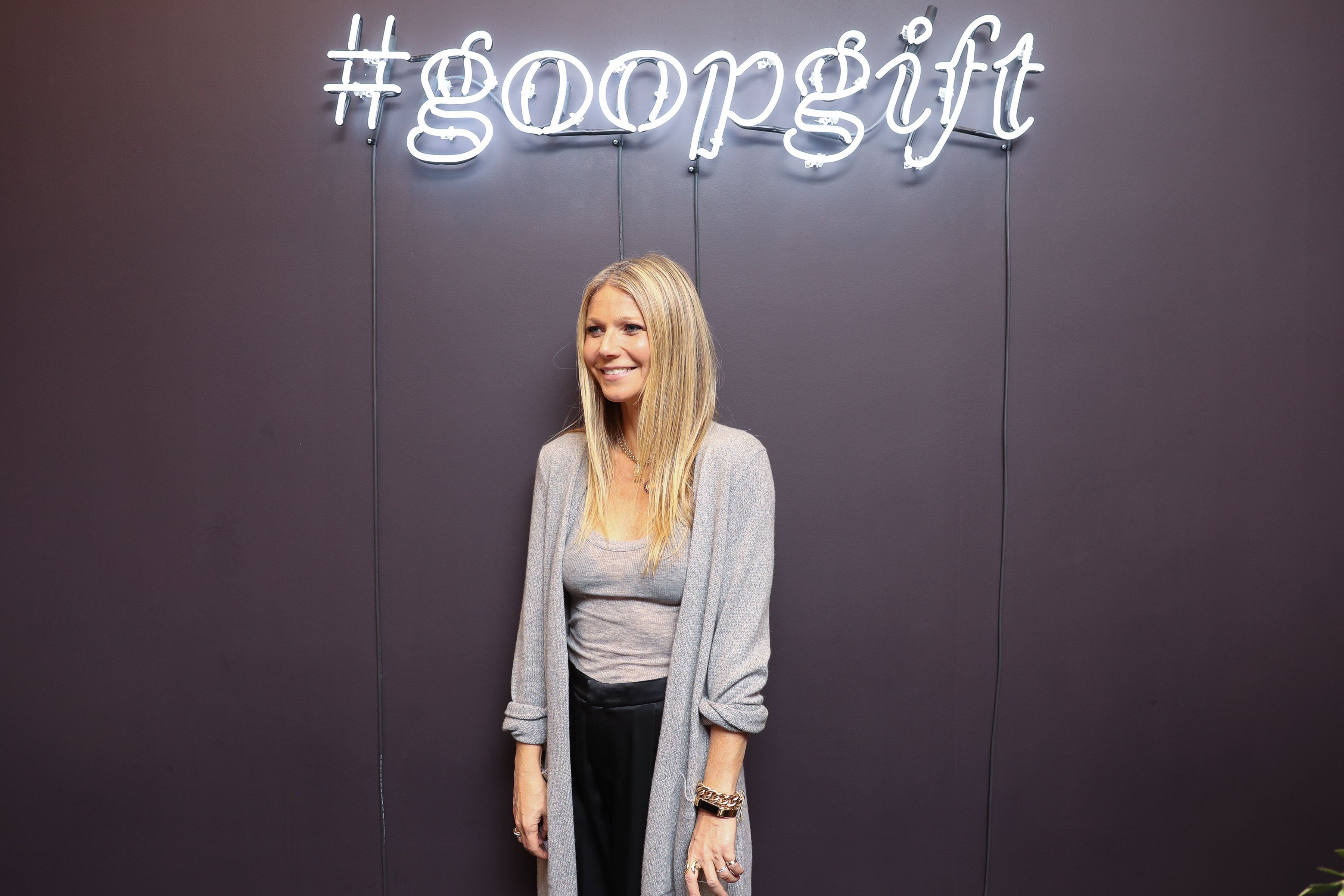
Gwenyth Paltrow's Goop brand is out with its annual holiday gift guide, with such practical ideas as 24 karat gold rolling papers and an entire Spanish village.
Dr. Karin Tamerius is the mind behind "Angry Uncle Bot," an interactive feature for the New York Times which simulates conversations between the user and their disagreeable relatives.