MAGA Hats Have Become a Divisive 'Us Vs. Them' Symbol: Fashion Critic
*By Chloe Aiello*
President Trump's "Make America Great Again" cap is more than just a hat, it's a "symbol of us vs. them," according to Washington Post fashion editor Robin Givhan.
"No fashion item is completely separate from the broader culture. It doesn't exist in a vacuum and so the way that people respond to it, the way it's read by others, is equally as potent if not more so than the intent of the wearer," Givhan said.
Givhan [penned a column](https://www.washingtonpost.com/lifestyle/style/the-maga-hat-is-not-a-statement-of-policy-its-an-inflammatory-declaration-of-identity/2019/01/23/9fe84bc0-1f39-11e9-8e21-59a09ff1e2a1_story.html?utm_term=.ec3a75c53f4e) last week about what the hat has come to mean in the years since it burst on the scene as a campaign accessory for Trump's 2016 presidential bid. The hat, she wrote, has become "a symbol of us vs. them, of exclusion and suspicion, of garrulous narcissism, of white male privilege, of violence and hate."
Her commentary follows a recent controversy in which the hat took center stage. Catholic schoolboys in MAGA hats, a Native American elder, and black nationalists collided at the March for Life in Washington, D.C., in a video that went viral. In an interview on "Today" after the incident, the student at the center of the controversy, Nick Sandmann, acknowledged that the presence of his hat may have escalated tensions.
Fashion has historically been used to make political statements ー last year alone saw women in Tehran, Iran, removing their headscarves in protest of compulsory hijab laws, as well as celebrities at the Golden Globes wearing all black in solidarity with the #MeToo movement. But in the era of the pink pussy hats and the Black Lives Matter t-shirts, the red MAGA hat has emerged as the most divisive accessory of all. And Givhan argues it is inherently different that these other politically charged items.
"The Black Lives Matter t-shirts and the pink pussy hats, those were being worn by a group of people who were not at the top of the pyramid in terms of our society. They were people striving to better their rights and ... gain greater equality, versus the 'Make America Great' hat, which doesn't have that sort of duality of the oppressed versus the oppressor," Givhan said.
She added that the hats have been weaponized by some who have worn them, including white supremacists at the deadly Charlottesville, Va., rally. When someone wears a MAGA hat today, they're implicitly supporting more than Trump's policies, Givhan said.
"There are definitely reasonable policy differences that are expressed by people who wear that hat, but I think the larger connotation says, 'I am willing to concede that my policy wins are worth it, despite all of these other negative ramifications,'" she said.
For full interview [click here](https://cheddar.com/videos/washington-post-columnist-calls-maga-hats-a-declaration-of-identity).
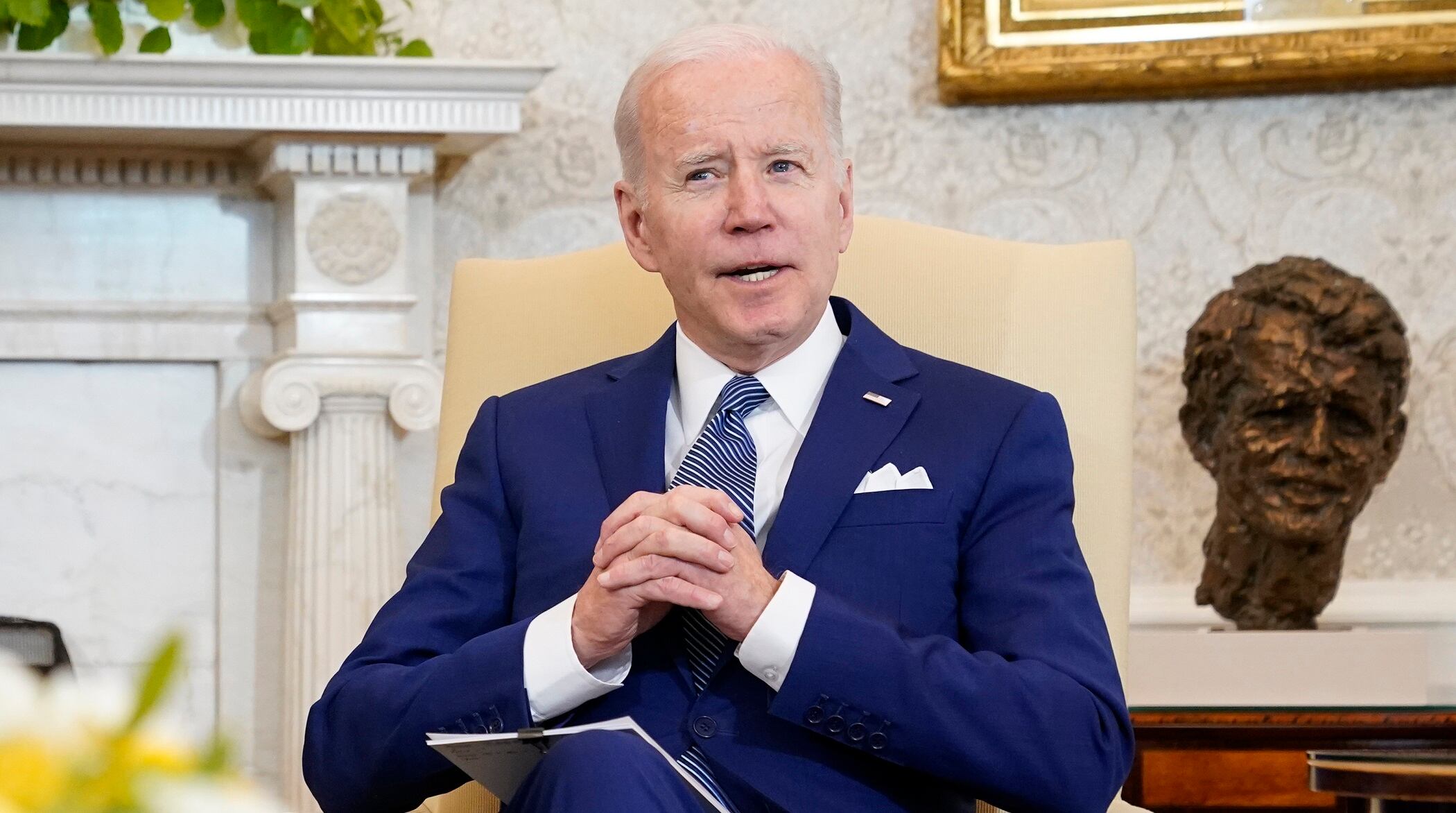
President Joe Biden on Wednesday signed a long-awaited executive order on cryptocurrencies, striking a careful balance between highlighting the risks of digital assets and touting their potential benefits.
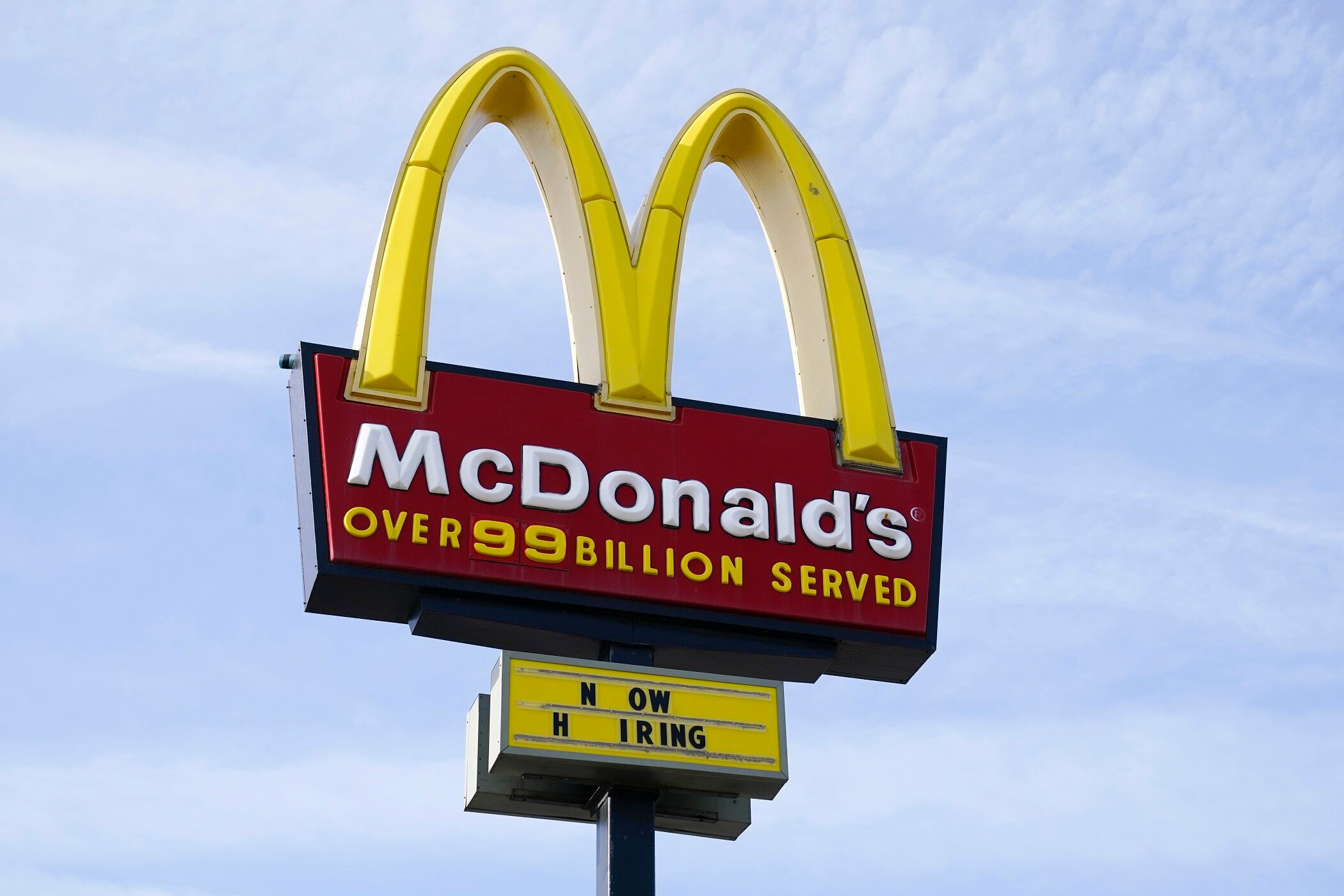
McDonald’s said Tuesday it is temporarily closing all of its 850 restaurants in Russia in response to the country's invasion of Ukraine. The burger giant said it will continue paying its 62,000 employees in Russia.
The price of nickel, one of the key minerals needed to produce stainless steel and lithium-ion batteries, saw an unprecedented surge Tuesday amid fears that Western sanctions could cut off Russian supplies of the crucial commodity.
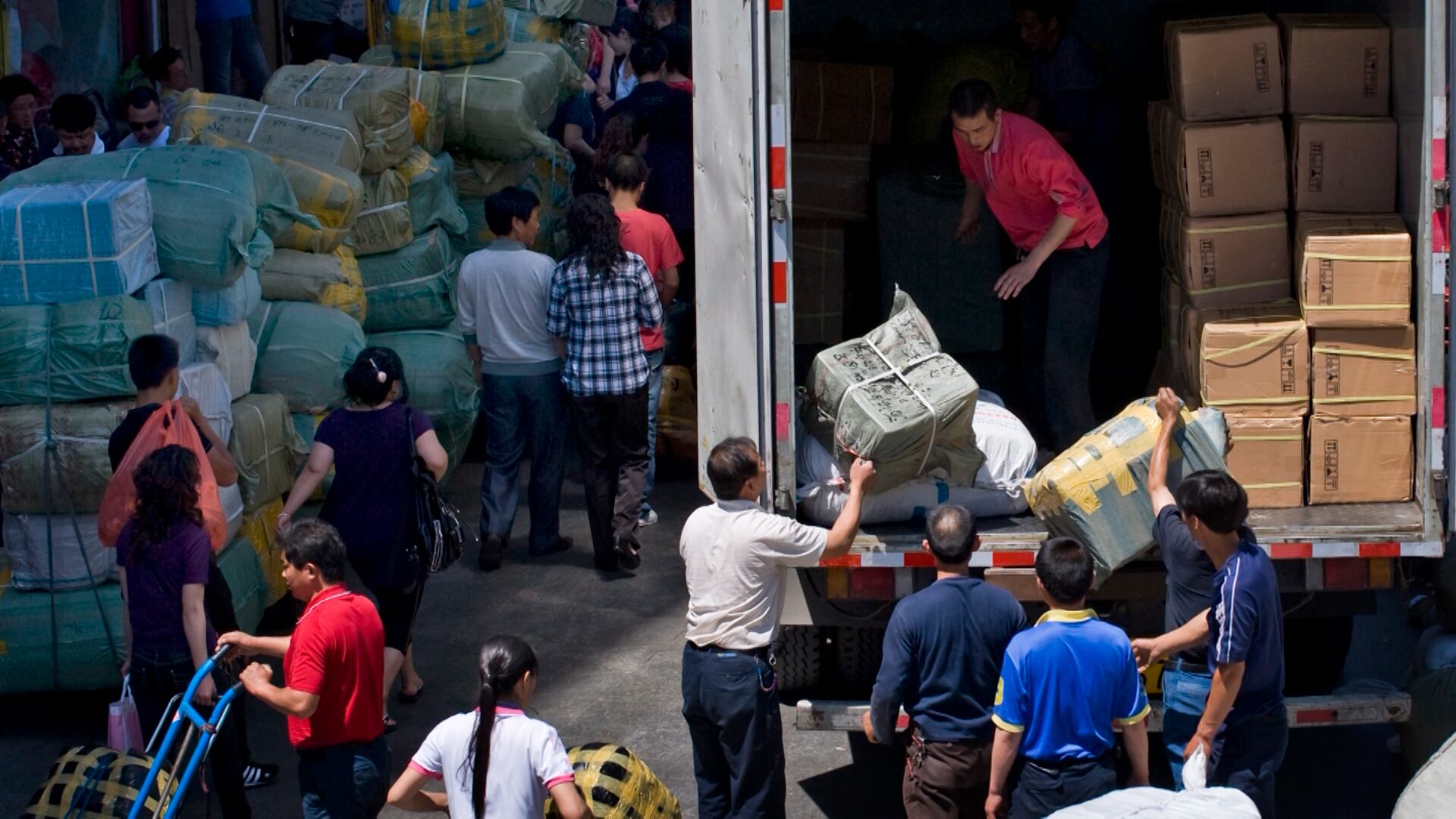
As Western companies cut ties with Russia over its invasion of Ukraine, there's a possibility their Chinese rivals could move in and fill the void. Major corporations such as Apple, Samsung, Dell, and more have halted sales in Russia in hopes of encouraging Putin to back down, but now it seems those sanctions could be presenting a unique opportunity for China. Michael Friedson, Co-founder and Executive Editor of The Media Line News Agency, joined Cheddar's Opening Bell to discuss how these Western boycotts are reshaping geopolitical alignments, the global economy, and international trade.
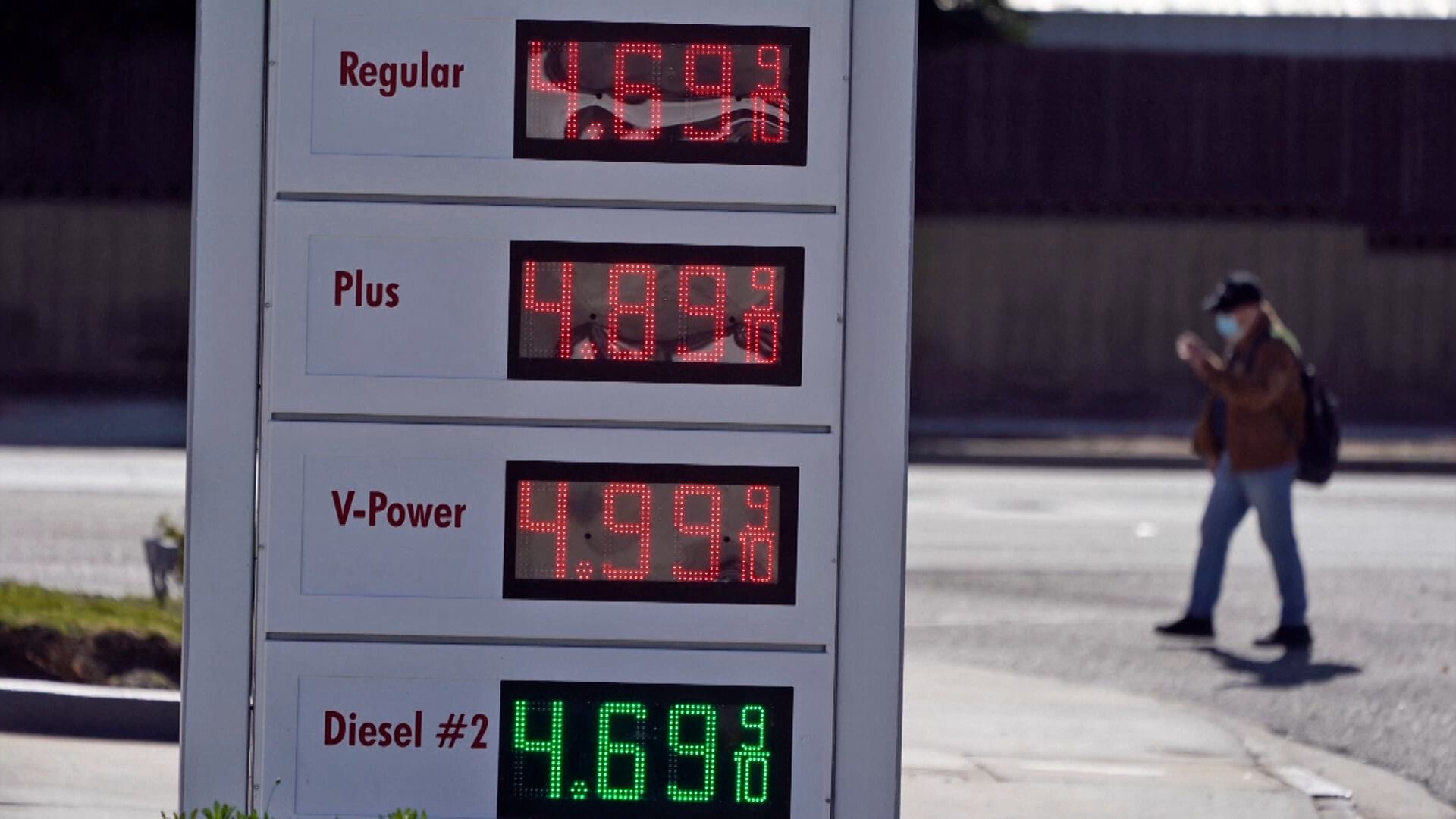
Gas prices have reached their highest level since 2008, topping an average of $4 across the country. The surge comes as Russia's invasion of Ukraine triggers supply concerns in what was already an extremely tight oil market. Jay Hatfield, Chief Investment Officer at ICAP, breaks down why costs at the pump are so high right now, and just how high they could go.
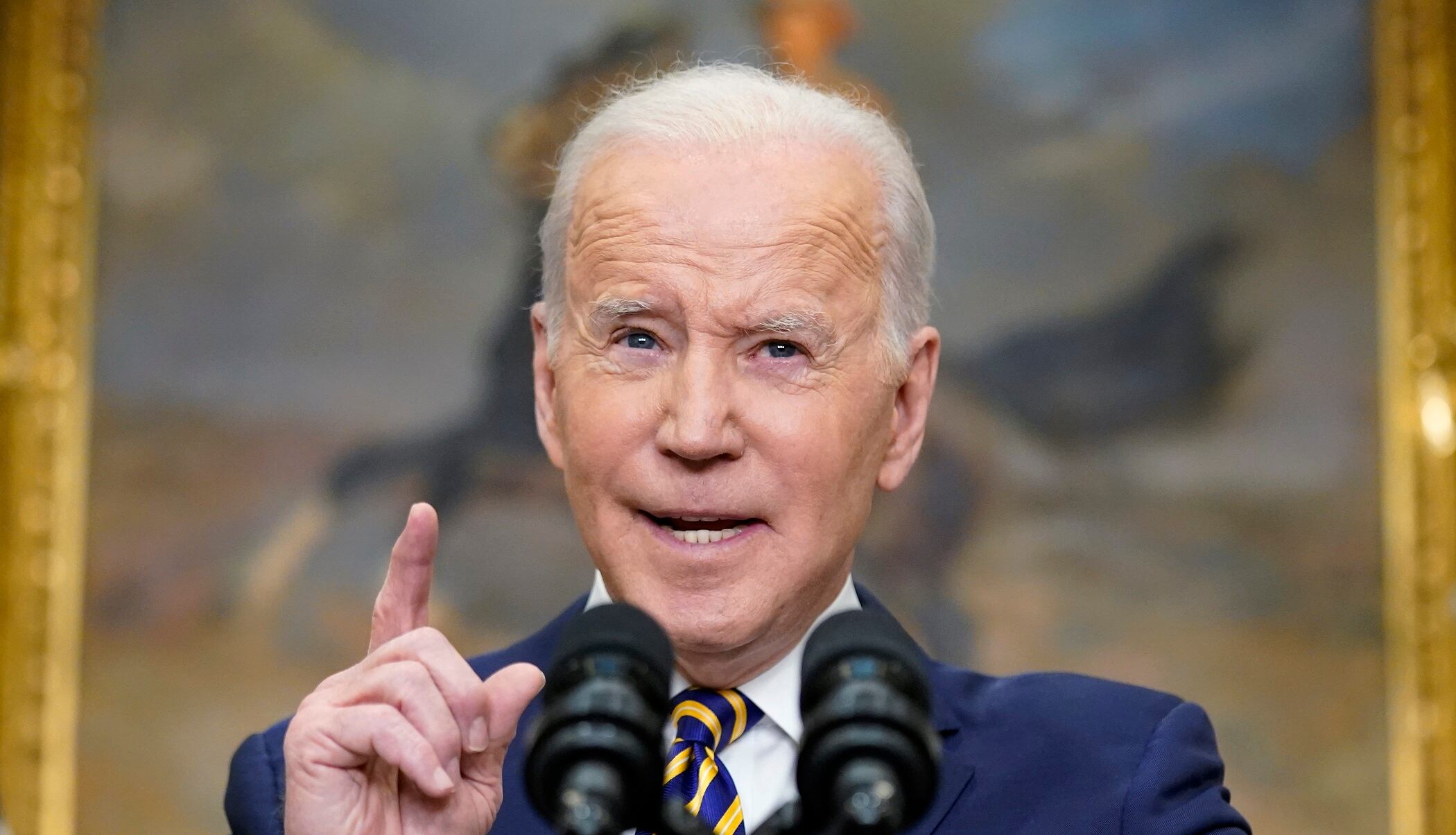
President Joe Biden has announced that the U.S. will ban all Russian oil imports, toughening the toll on Russia’s economy in retaliation for its invasion of Ukraine.
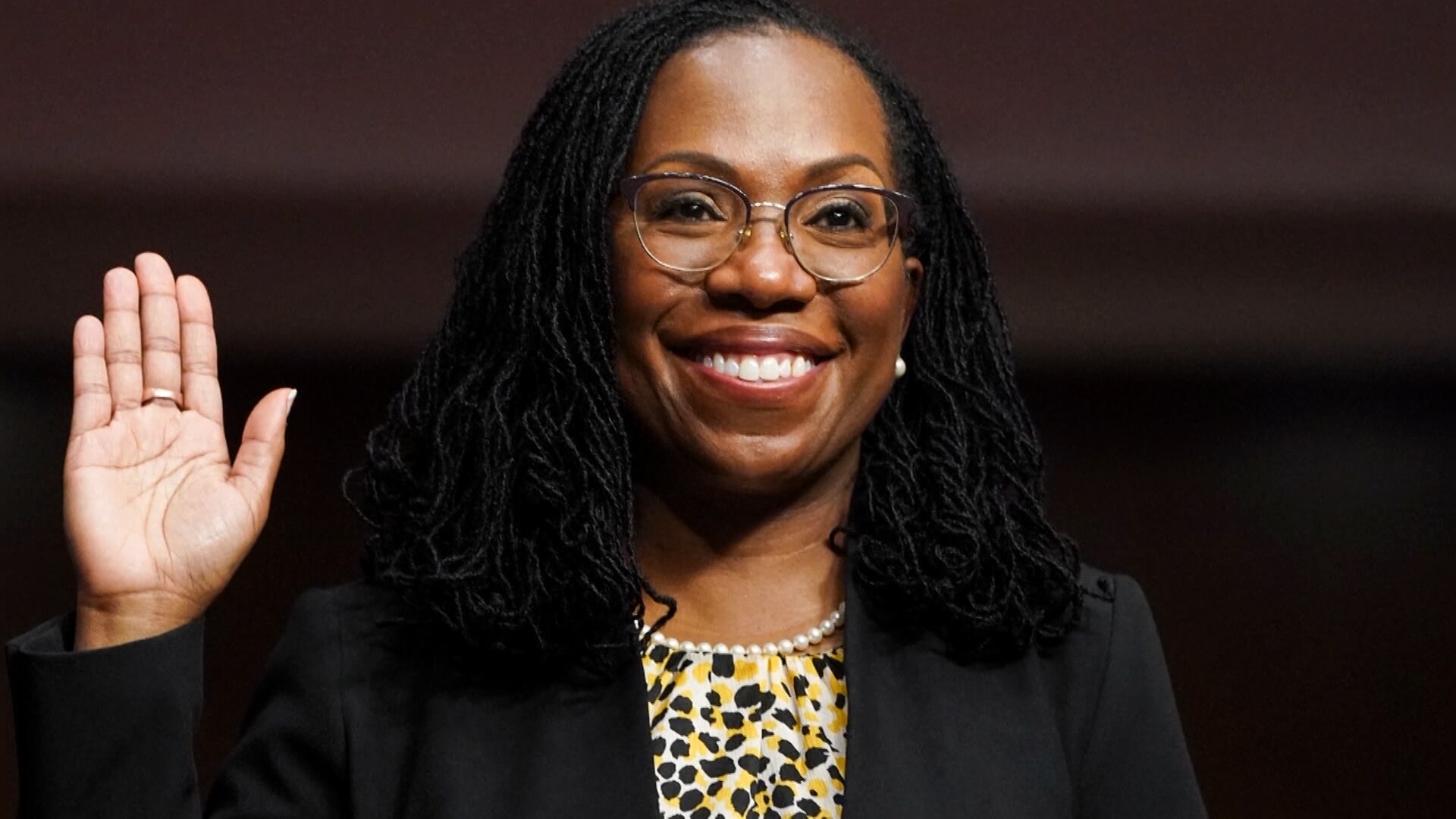
If confirmed, judge Ketanji Brown Jackson could become the first black woman on the bench of the U.S. Supreme Court. Cheddar News speaks with Katie Barlow, Chief Legal Correspondent at Fox 5 to discuss the significance of the nomination.
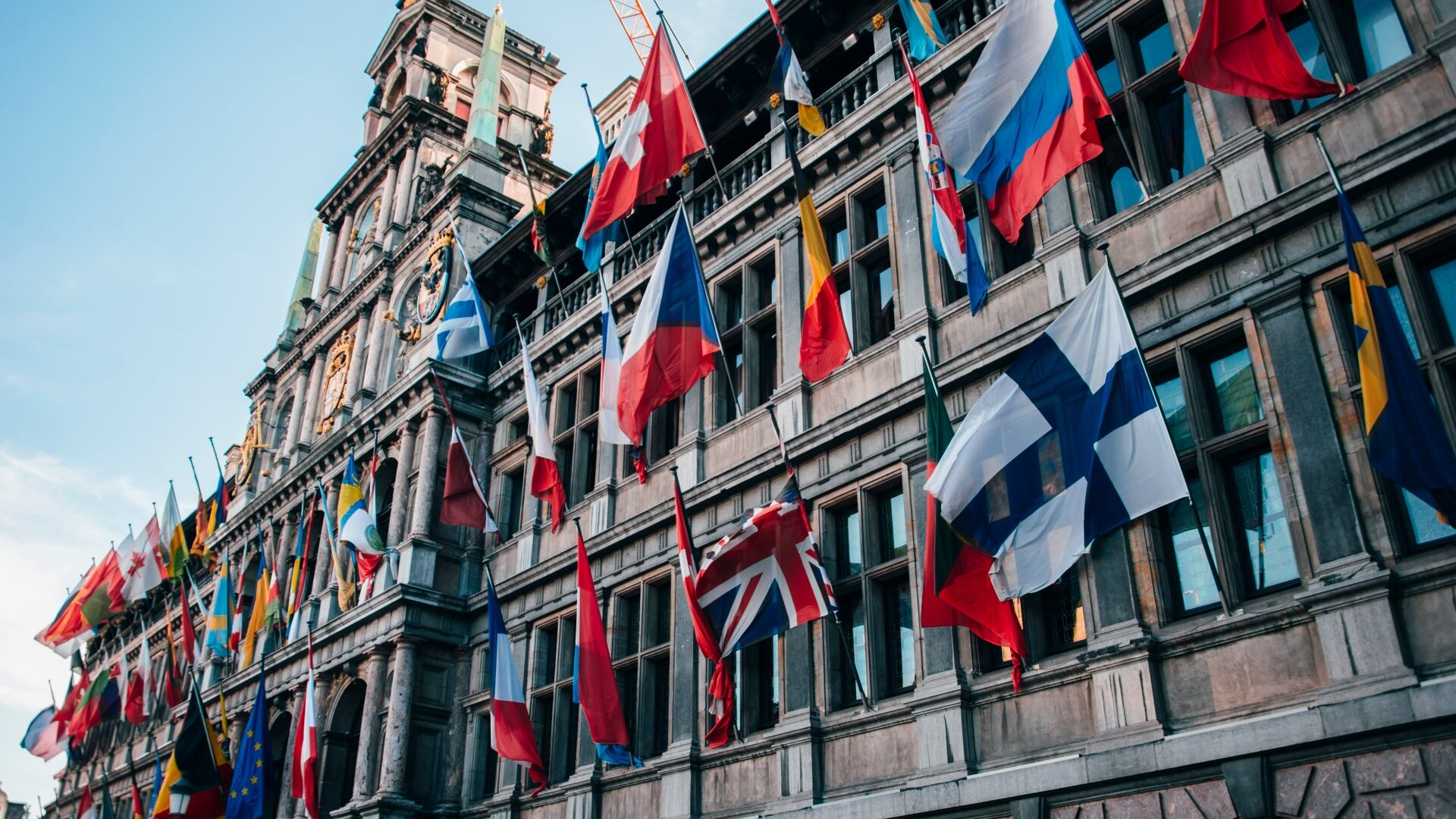
The European Union is historically divided and slow when it comes to decision-making, but in the recent weeks, the 27 members have agreed upon several sanctions and decisions regarding foreign policy and defense. The EU has cut off Russian banks from the swift payment system, blocked Russian propaganda channels, and closed European skies for air travel to and from Russia. Germany, for example, who has refused to send any deadly weapons to conflict zones, has now agreed to send lethal weapons to Ukraine. Rupert Steiner, London Bureau Chief at Barron's, joins cheddar news to discuss.
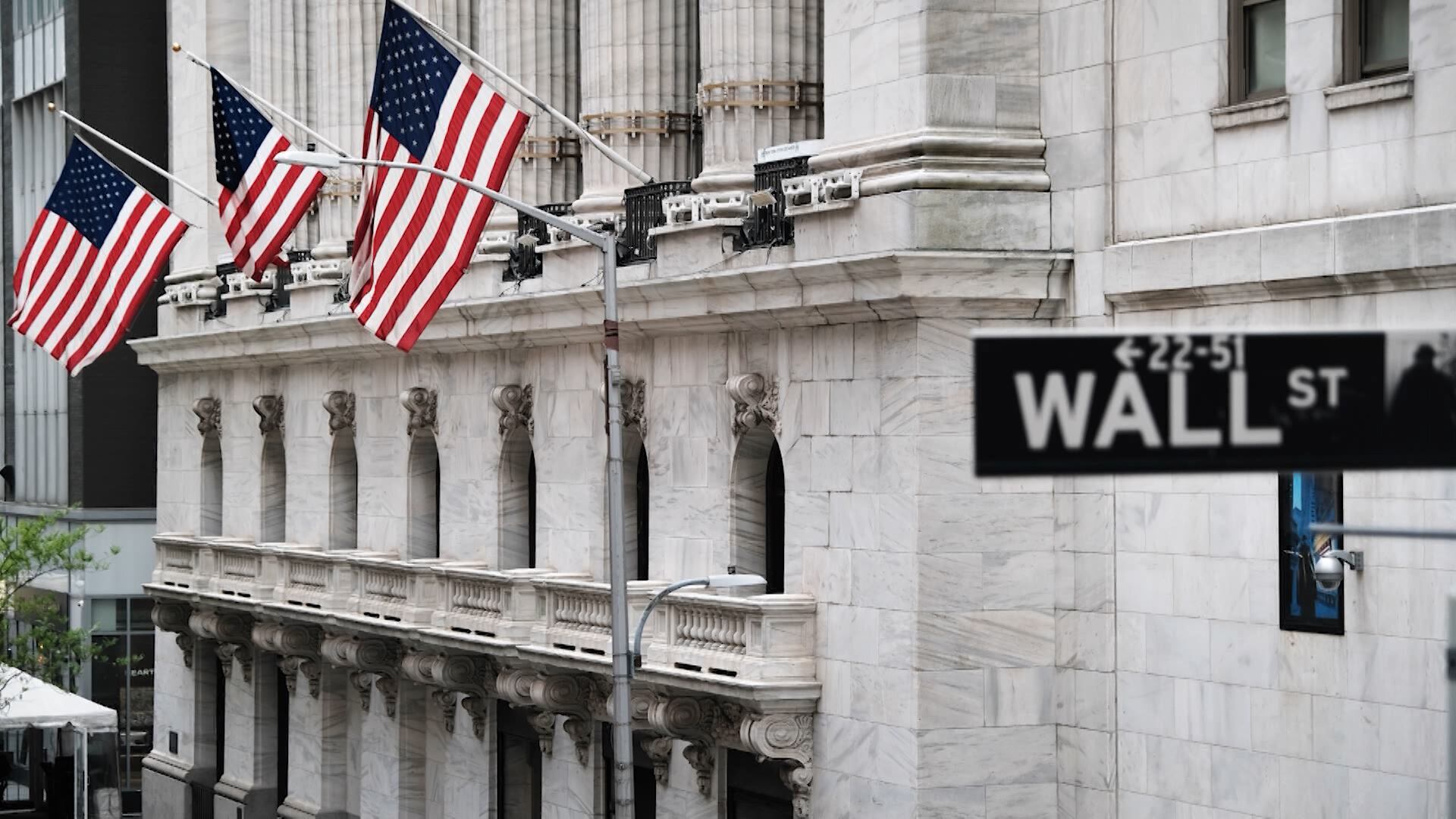
Sam Stovall, Chief Investment Strategist at CFRA Research, joins Cheddar News' Closing Bell where he dives into the factors contributing to Monday's market plunge and what could be in store when February's CPI data comes out on Tuesday.
Derek Shearer, former U.S. Ambassador to Finland and contributing writer for Washington Monthly, joins Cheddar News to discuss the latest developments in the Russia-Ukraine conflict.