The U.S. Supreme Court's decision Monday that employers cannot discriminate in hiring due to a candidate's sexual or gender preference was a surprising revelation for many Americans, including Sarah Kate Ellis, the president and CEO of GLAAD.
"It was groundbreaking. It was historic today," she told Cheddar.
Still, Ellis said this is just a small part of the rights challenges members of the LGBTQ community face.
"We're debating whether or not I can be fired from my job at the Supreme Court simply because I'm gay. It shouldn't even be a discussion," she said.
The historic decision came just days after the Trump administration rolled back healthcare protections for transgender people under the Affordable Care Act -- a move which Ellis said is in line with the president's broader dismissal of LGBTQ people throughout his term.
"This administration has attacked the LGBTQ community 150 times with both policy rollbacks and rhetoric since he's come into power," she said.
As demonstrators across the nation call for social justice and equality this June, Ellis said that it is important for Pride month supporters to remember where it started.
"Pride is a protest, and we need to be on the streets," she stated. "We have to go back to our roots this one. This Pride especially."
She noted that 14 members of the trans community have been violently killed so far this year.
In 2020, a year unlike any other with a pandemic canceling Pride celebrations and calls for social justice amplified throughout the nation, Ellis tasked people to come together now to force real change.
"Our community is our power. Our identity is our power," she said. "We need to be fighting for Black Lives Matter, for our trans community. We have to be standing up for each other right now, and we need to be locking arms as marginalized communities."
These are the headlines you Need 2 Know.
Shares of Tesla dropped after hours Thursday after the Securities and Exchange Commission filed a [lawsuit] (https://www.scribd.com/document/389617044/SEC-vs-MUSK#from_embed) against CEO Elon Musk in federal court, alleging that the billionaire founder committed securities fraud when he tweeted about taking the company private with "funding secured" on Aug. 7. In the complaint, the SEC seeks to bar Musk from being an officer of a public company.
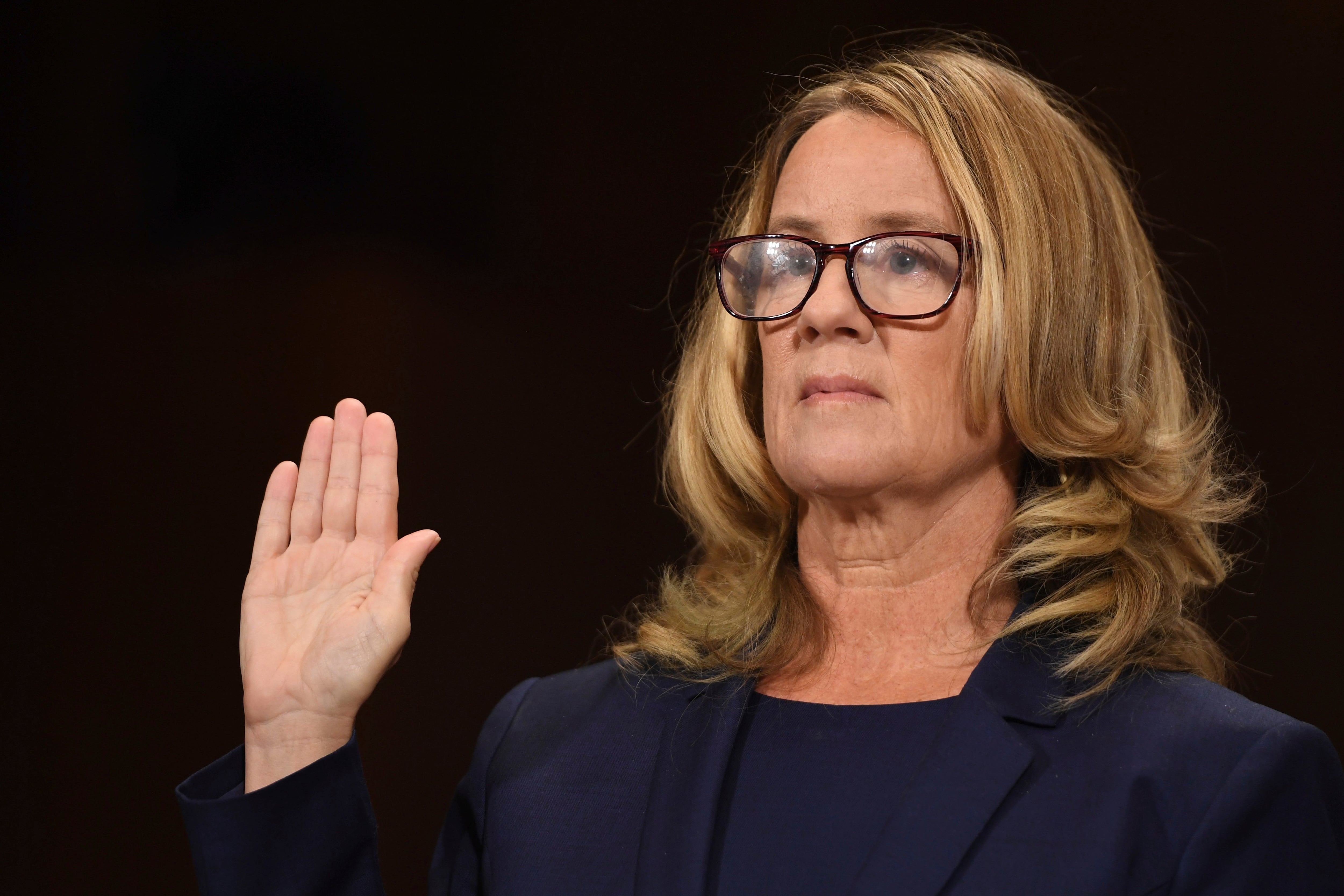
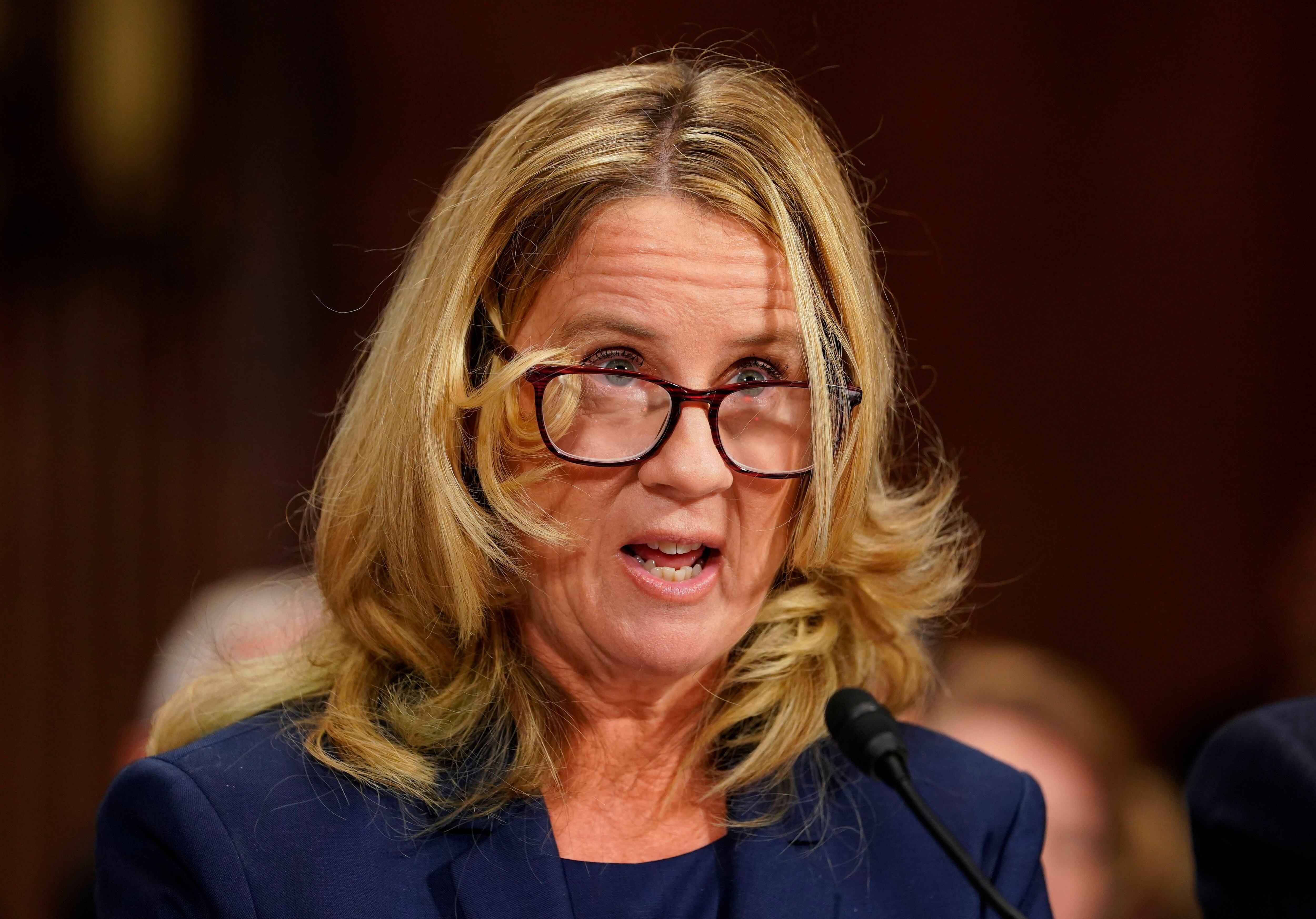
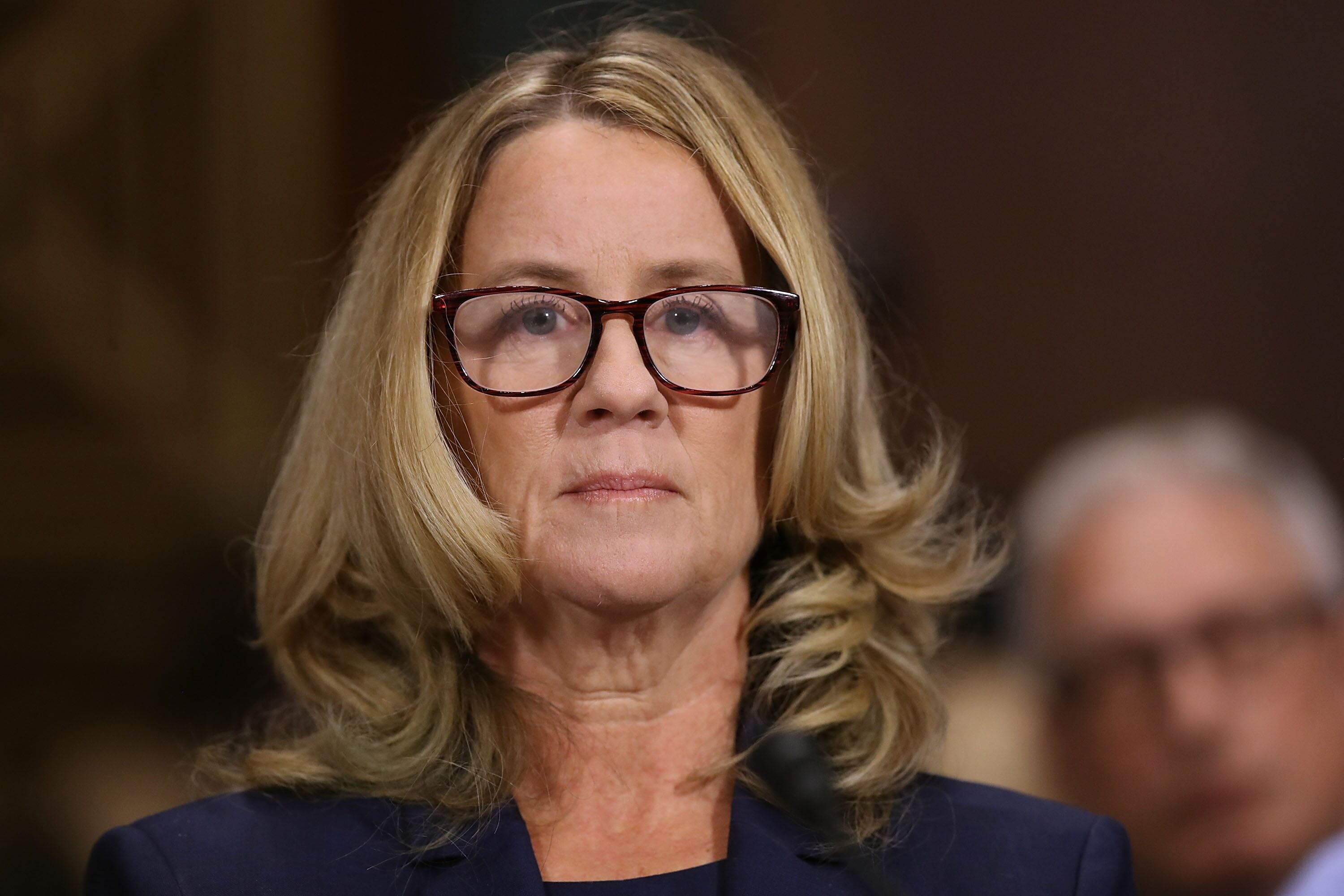
Supreme Court nominee Brett Kavanaugh was both furious and emotional in testimony Thursday afternoon in front of the Senate Judiciary Committee. He emphatically denied the sexual assault accusations against him, which were detailed from the same chair by Dr. Christine Blasey Ford earlier in the day.
"My family and my name have been totally and permanently destroyed," Kavanaugh said.
Rep. Nita Lowey played a key role in the Anita Hill hearings in 1991 when then-Supreme Court nominee Clarence Thomas was accused of sexual harassment. On Thursday, Lowey was present for Christine Blasey Ford's testimony about current nominee Brett Kavanaugh's alleged sexual assault and spoke of the differences between the two eras.
Prof. Christine Blasey Ford spoke to the Senate Judiciary Committee about her memories from the night of her alleged assault. She said the memory that has stuck with her the most is the laughter from Supreme Court nominee Brett Kavanaugh and Mark Judge as Kavanaugh was on top of her.
On Thursday morning Prof. Christine Blasey Ford appeared in front of the Senate Judiciary Committee to testify on her alleged sexual assault by Supreme Court nominee Brett Kavanaugh.
These are the headlines you Need 2 Know.
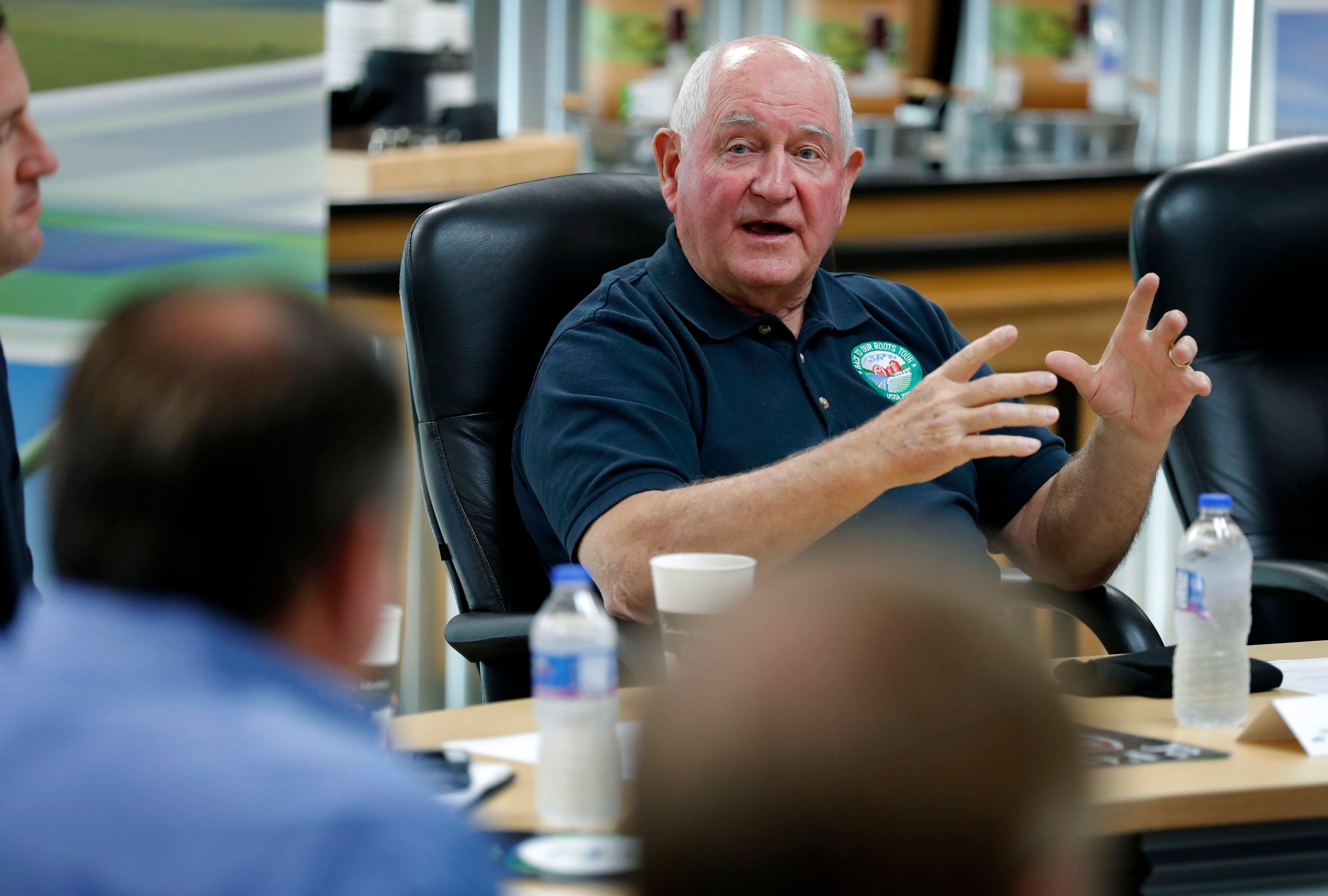
Sonny Perdue, U.S. Secretary of Agriculture, said American farmers understand the need for tariffs on Chinese imports, even if they might feel some short-term pain. After President Trump imposed tariffs on China, American farmers began to feel the effects. China is the largest importer of American soybeans and that revenue stream has now been cut off. The federal government pledged $12 billion as temporary relief for farmers affected by Trump's tariffs.
Sen. Elizabeth Warren (D-MA) is currently promoting a new housing bill that calls for $450 billion to build and renovate affordable housing over the next 10 years. Warren is suggesting an estate tax on the 10,000 top earners in the U.S. to fund the bill. Warren said it's not about "punishing" people for their economic success, but rather for everyone to pay their fair share and allow middle Americans to accrue wealth through homeownership.
These are the headlines you Need 2 Know.