The U.S. Supreme Court's decision Monday that employers cannot discriminate in hiring due to a candidate's sexual or gender preference was a surprising revelation for many Americans, including Sarah Kate Ellis, the president and CEO of GLAAD.
"It was groundbreaking. It was historic today," she told Cheddar.
Still, Ellis said this is just a small part of the rights challenges members of the LGBTQ community face.
"We're debating whether or not I can be fired from my job at the Supreme Court simply because I'm gay. It shouldn't even be a discussion," she said.
The historic decision came just days after the Trump administration rolled back healthcare protections for transgender people under the Affordable Care Act -- a move which Ellis said is in line with the president's broader dismissal of LGBTQ people throughout his term.
"This administration has attacked the LGBTQ community 150 times with both policy rollbacks and rhetoric since he's come into power," she said.
As demonstrators across the nation call for social justice and equality this June, Ellis said that it is important for Pride month supporters to remember where it started.
"Pride is a protest, and we need to be on the streets," she stated. "We have to go back to our roots this one. This Pride especially."
She noted that 14 members of the trans community have been violently killed so far this year.
In 2020, a year unlike any other with a pandemic canceling Pride celebrations and calls for social justice amplified throughout the nation, Ellis tasked people to come together now to force real change.
"Our community is our power. Our identity is our power," she said. "We need to be fighting for Black Lives Matter, for our trans community. We have to be standing up for each other right now, and we need to be locking arms as marginalized communities."
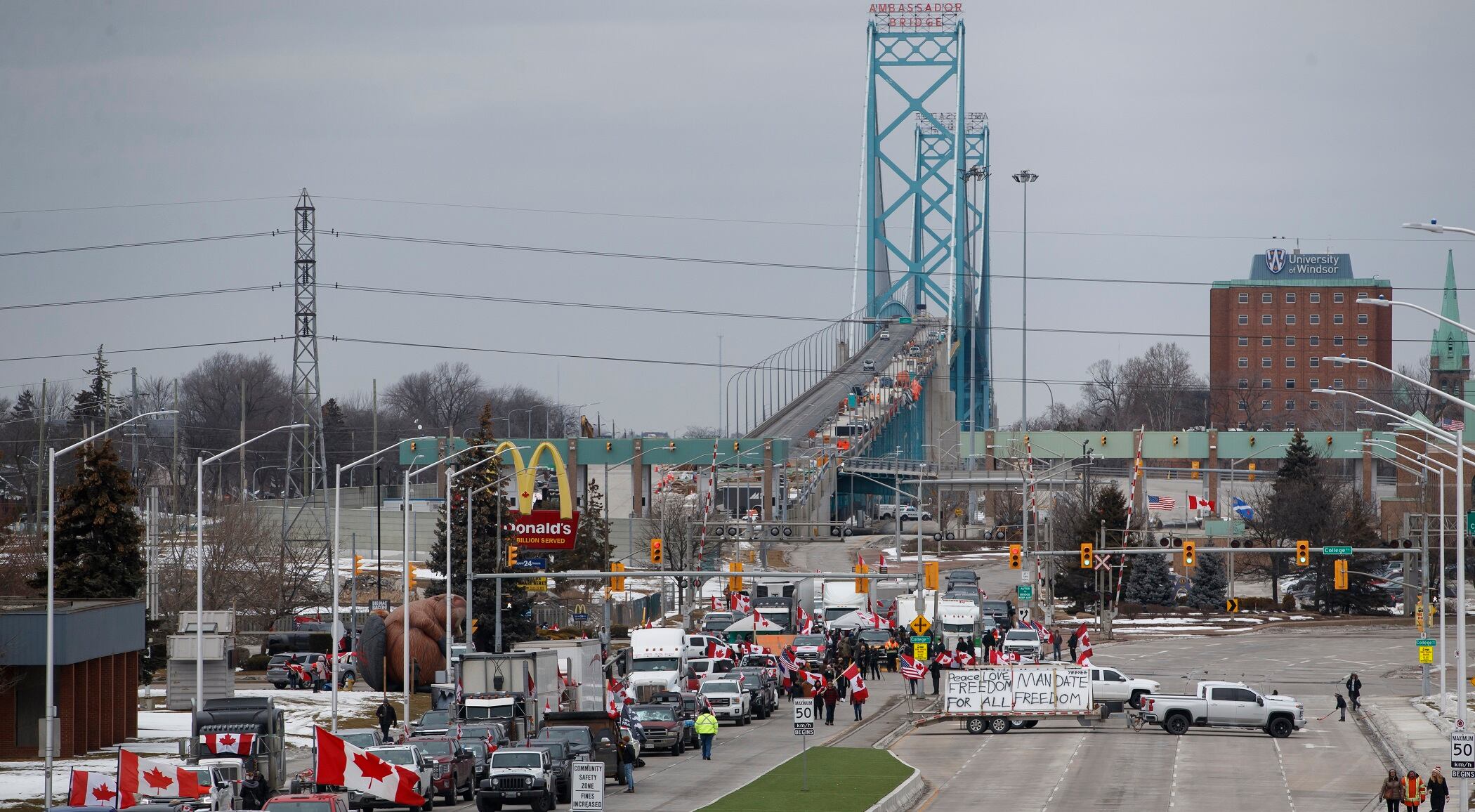
The truck blockade at the U.S. border by Canadians protesting the country’s COVID-19 restrictions is tightening the screws on the auto industry, forcing Ford, Toyota and General Motors to shut down plants or otherwise curtail production.
Inflation was hotter than expected in January, but the debate over what this means for the economy is getting even hotter as markets brace for a flurry of Fed rate hikes in 2022.
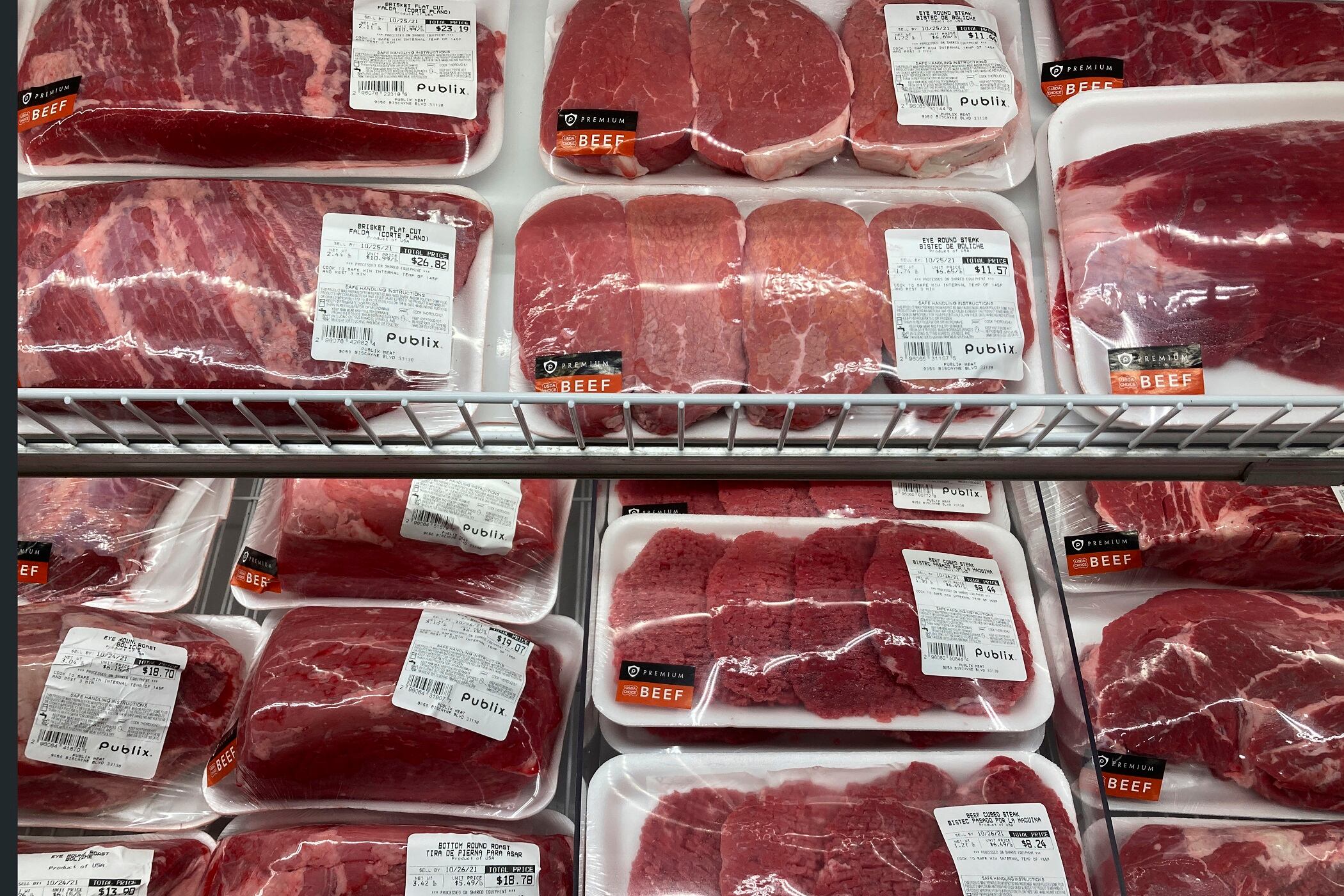
Inflation soared over the past year at its highest rate in four decades, hammering America’s consumers, wiping out pay raises and reinforcing the Federal Reserve’s decision to begin raising borrowing rates.
A rapidly growing list of Canadian provinces moved to lift their COVID-19 restrictions as protesters decrying vaccine mandates and other precautions kept up the pressure with truck blockades.
The House has approved legislation financing federal agencies for another month. It's the latest emblem of Congress’ inability to finish its budget work on time.
The IRS said Monday it will suspend the use of facial recognition technology to authenticate people who create online accounts after the practice was criticized by privacy advocates and lawmakers.
The first lady says real people often are caught in the middle. She spoke Monday in Washington about a now-stalled proposal for tuition-free community college, which she's pushed for a long time as a community college professor.
In a flurry of diplomacy across two continents, President Joe Biden emerged from a meeting with Germany’s new leader to vow the crucial Nord Stream 2 gas pipeline in Europe would be blocked if Russia further invades Ukraine.
Kristin Myers, Editor-in-Chief at The Balance, joined Cheddar News to preview the January jobs report, and to break down the racial disparity in employment numbers in the U.S.