By David Koenig
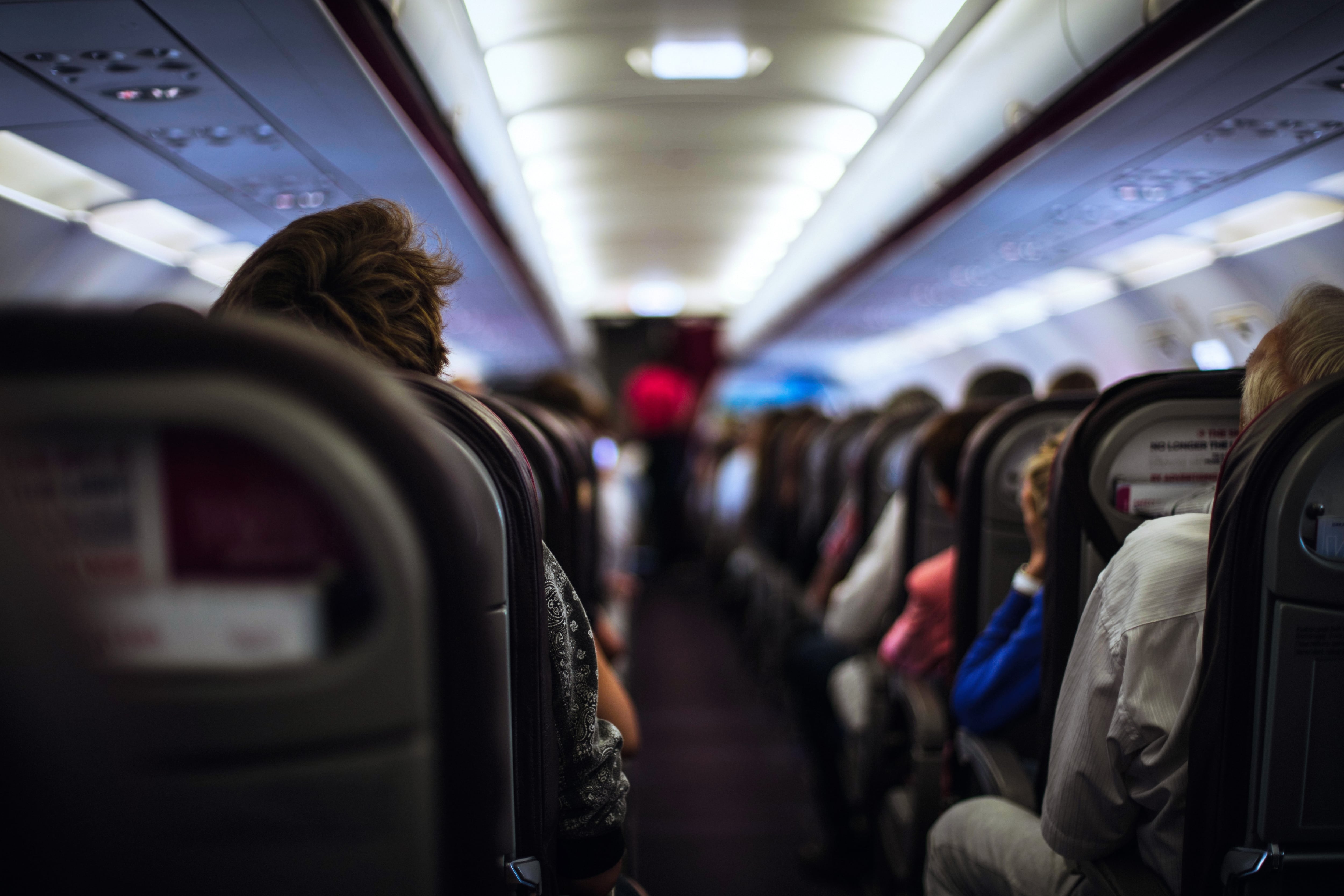
Lawmakers are considering rolling back an Obama-era rule that requires airlines to show the total price of a ticket upfront in advertising, while also tweaking training requirements for airline pilots and making other changes in a massive bill covering the Federal Aviation Administration.
On Friday, Republicans and Democrats on the House Transportation Committee released a 773-page proposal to reauthorize FAA programs for the next five years.
Rep. Rick Larsen, D-Wash., described the proposal as a compromise and said many issues could still be fought out when congressional committees begin considering changes in the legislation next week.
The FAA is under fire for a shortage of air traffic controllers, aging technology and close calls between planes. The agency has a new acting administrator with no aviation experience. It has lacked a Senate-confirmed leader for more than a year, since the last one resigned halfway through his term.
One provision of the House bill would let airlines advertise the “base airfare” — excluding taxes and fees — as long as they include a link to the all-in price or disclose it some other way. That would weaken an Obama administration rule that airlines have long fought to kill, and consumer advocates are unhappy about the House move.
“These protections were hard fought and took years to enact,” said William McGee, an aviation expert at the American Economic Liberties Project. “Any consumer can tell you that online airline bookings are confusing enough. The last thing we need is to roll back an existing protection that provides effective transparency.”
The House committee leaders also propose to let people become airline pilots with less time in the cockpit. The bill would not change the requirement for 1,500 hours of training, but it would allow 250 hours — up from the current 100 hours — to occur in simulators rather than flying a plane.
Airlines, particularly the smaller ones that operate regional flights, have long fought against the 1,500-hour rule, which already has exemptions that let military pilots and graduates of some aviation schools qualify with fewer hours. The rule was put in after a 2009 crash that killed 50 people.
Garth Thompson, head of the Air Line Pilots Association unit at United Airlines, said it is “a horrible idea" to weaken the rule.
“That rule, like so many federal aviation regulations, is written in blood, literally,” Thompson said. “That regulation came about because of the Colgan Air crash and other crashes that involved experience issues.”
Asked about changes in airfare advertising and pilot training, Larsen said, “It's something we can live with.” The change in pilot training rules, he said, is a priority of the Transportation Committee's Republican chairman, Sam Graves of Missouri, and both sides had to compromise during drafting of the bill.
Elsewhere in the bill, Larsen said, Democrats were able to include provisions they wanted, such as those covering wheelchair accessibility.
The bill also includes provisions aimed at improving airport infrastructure and the supply of sustainable aviation fuel. It would require airline planes to be outfitted with better cockpit voice recorders and, for the first time, cockpit video recorders to improve accident investigations. Pilots have opposed the video recorders.
Some other contentious topics were left out, including raising the mandatory retirement age of 65 for pilots and easing restrictions on flights from Reagan Washington National Airport in northern Virginia.