By Amy Beth Hanson and Matthew Brown
A Montana judge on Monday sided with young environmental activists who said state agencies were violating their constitutional right to a clean and healthful environment by permitting fossil fuel development without considering its effect on the climate.
The ruling in the first-of-its- kind trial in the U.S. adds to a small number of legal decisions around the world that have established a government duty to protect citizens from climate change.
District Court Judge Kathy Seeley found the policy the state uses in evaluating requests for fossil fuel permits — which does not allow agencies to evaluate the effects of greenhouse gas emissions — is unconstitutional.
Julia Olson, an attorney representing the youth and with Our Children’s Trust, an Oregon environmental group that has filed similar lawsuits in every state since 2011, celebrated the ruling.
“As fires rage in the West, fueled by fossil fuel pollution, today’s ruling in Montana is a game-changer that marks a turning point in this generation’s efforts to save the planet from the devastating effects of human-caused climate chaos,” Olson said in a statement. “This is a huge win for Montana, for youth, for democracy, and for our climate. More rulings like this will certainly come.”
Judge Seeley wrote in the ruling that “Montana’s emissions and climate change have been proven to be a substantial factor in causing climate impacts to Montana’s environment and harm and injury” to the youth.
However, it's up to the state Legislature to determine how to bring the policy into compliance. That leaves slim chances for immediate change in a fossil fuel-friendly state where Republicans dominate the statehouse.
Attorneys for the 16 plaintiffs, ranging in age from 5 to 22, presented evidence during the two-week trial in June that increasing carbon dioxide emissions are driving hotter temperatures, more drought and wildfires and decreased snowpack. Those changes are harming the young people's physical and mental health, according to experts brought in by the plaintiffs.
The state argued that even if Montana completely stopped producing C02, it would have no effect on a global scale because states and countries around the world contribute to the amount of C02 in the atmosphere.
A remedy has to offer relief, the state said, or it’s not a remedy at all.
These are the headlines you Need 2 Know for Tuesday Jan. 15, 2019.
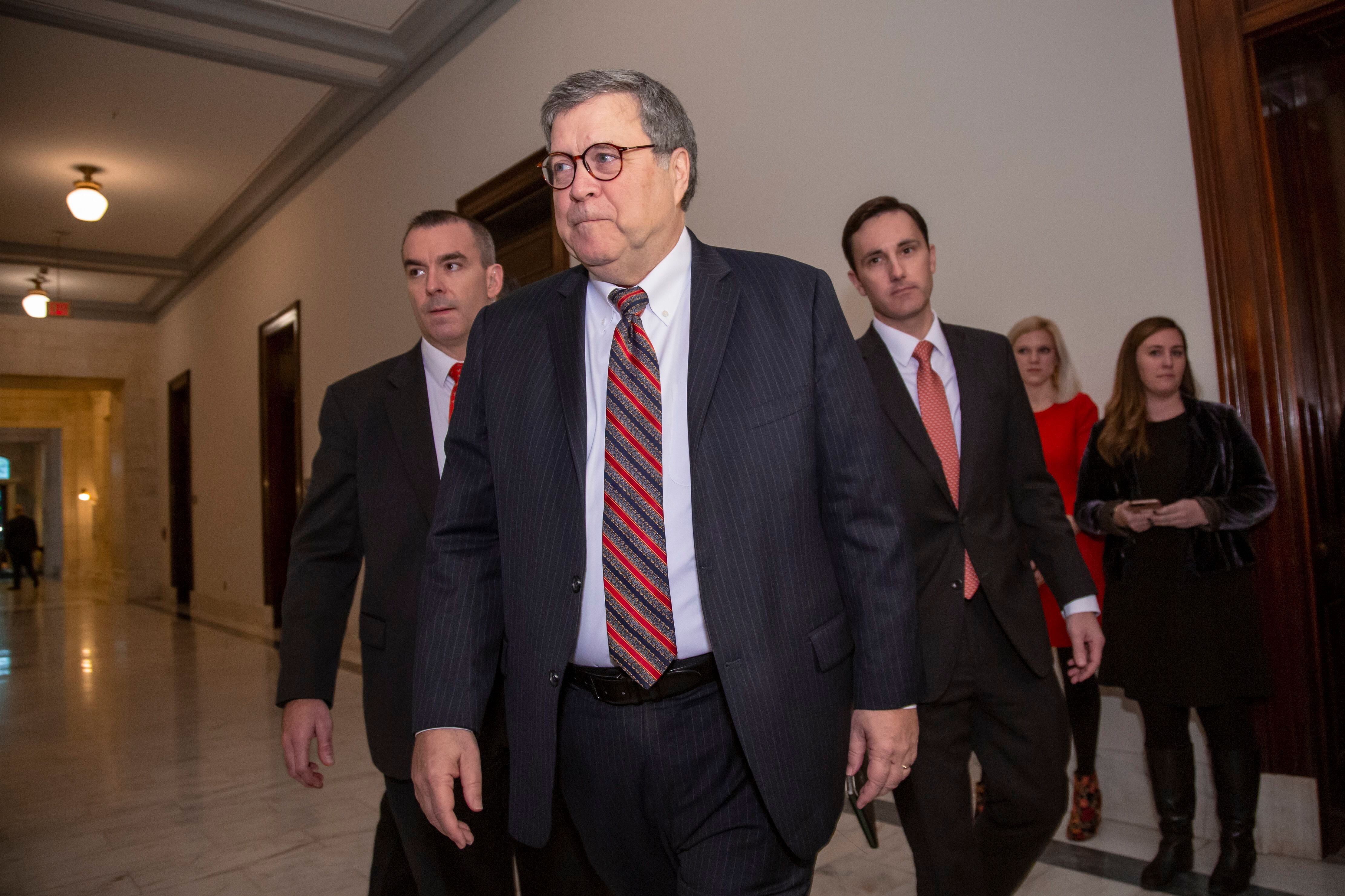
When William Barr, President Trump's nominee for attorney general, appears before the Senate Judiciary Committee on Tuesday for his confirmation hearing, his views on executive privilege will be under the microscope. "Mr. Barr has expressed some very broad views of executive authority and he's also expressed a very strong view that a president cannot be criminally charged," Jennifer Daskal, Associate Professor of Law at American University, told Cheddar on Monday.
Weak economic data from China and the ongoing government shutdown appeared to drag down the major U.S. indexes on Monday morning. SpaceX is slashing its workforce by 10 percent in an effort to become "leaner." Plus, we sit down with Emmy-award winning actor and producer Yeardley Smith who is most famous for voicing the iconic cartoon character, Lisa Simpson.
These are the headlines you Need 2 Know for Monday, Jan. 14, 2019.
From Wall Street to Silicon Valley, these are the top stories that moved markets and had investors, business leaders, and entrepreneurs talking this week on Cheddar.
Rep. John Garamendi (D-Calif.) warned President Trump not to mess with emergency funding for California on Friday after the commander-in-chief threatened to cut off disaster-relief in the fire-ravaged state. In a tweet on Wednesday, Trump suggested that California itself was to blame for the wildfires that killed 86 people and destroyed thousands of homes last year, and said he was considering pulling its FEMA funds.
The housing market is slowing down ー and that's not necessarily a bad thing. So says Tendayi Kapfidze, chief economist for LendingTree, who told Cheddar Friday what to expect from the housing market this year.
Is it time for the federal government to hire its own chief information officer? Rep. Will Hurd (R-Tex.) thinks so. He told Cheddar Friday that the recent spate of major data breaches warrant a federal czar to help protect consumers and potentially even levy penalties on companies that don't do enough to safeguard users' information.
As the government shutdown approaches the milestone of becoming the longest in history, Transportation Security Agency employees are feeling the strain ー and soon, so will travelers, Joe Shuker, a TSA union representative, told Cheddar.
These are the headlines you Need 2 Know for Friday, Jan. 11, 2019.