The coronavirus pandemic in the United States continues to spread and attack the population, but it is not affecting all communities equally.
"Your income and the color of your skin are in a large way predicting how you're doing here," according to Dr. Richard Besser, president and CEO of the non-profit healthcare organization, the Robert Wood Johnson Foundation.
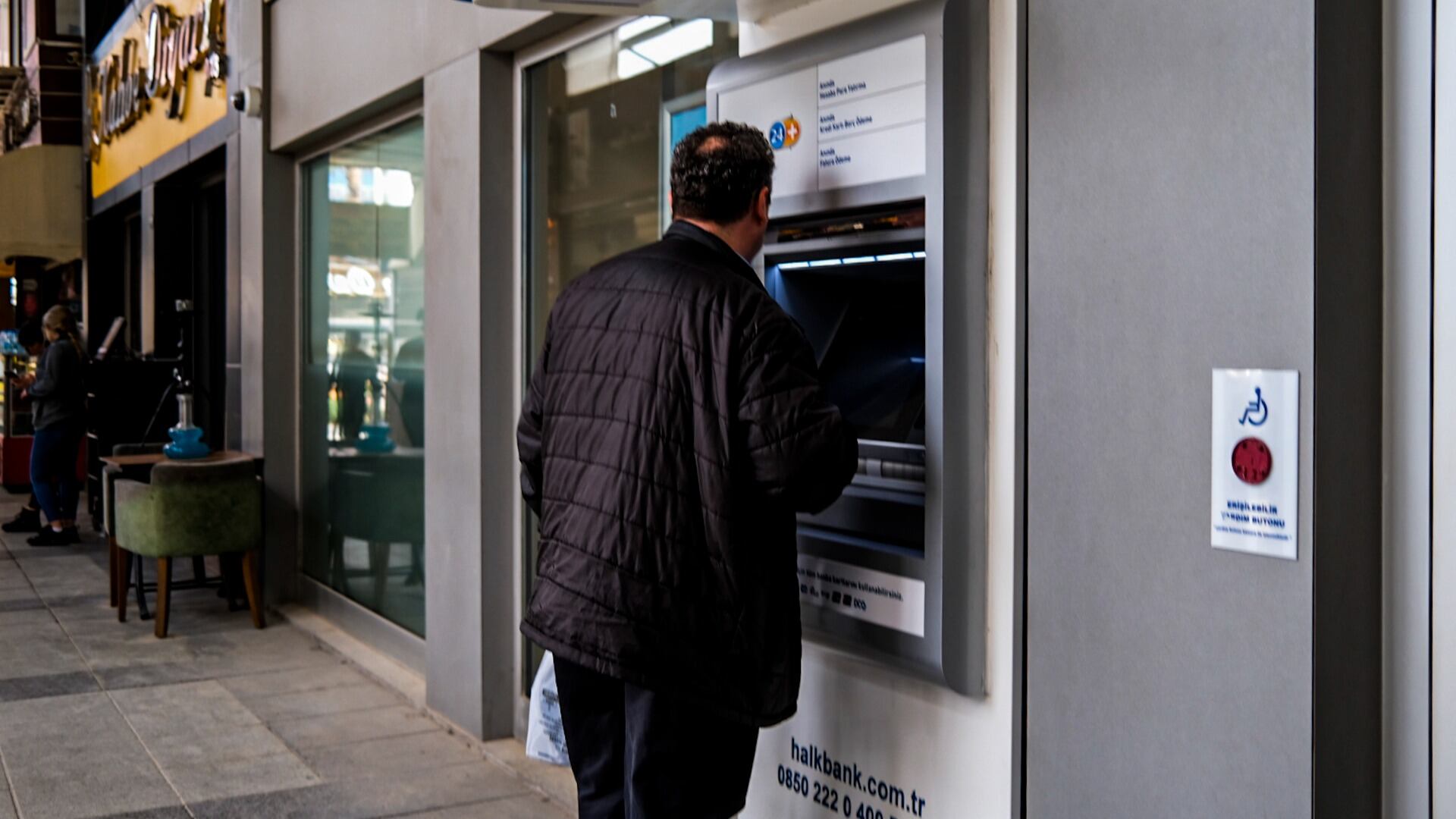
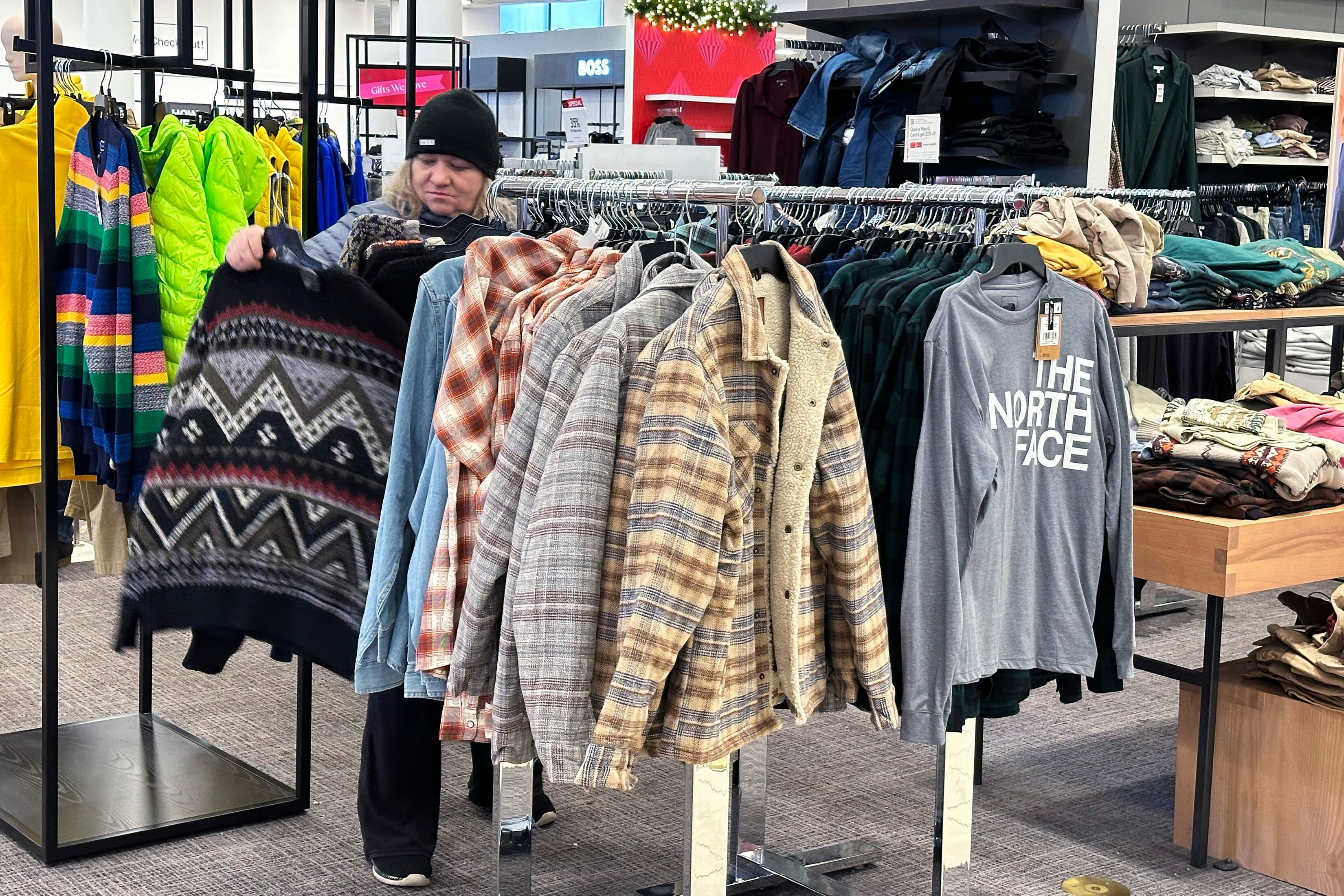
While disparities in health outcomes from COVID-19 exposure and infection based on race and income have become widely recognized, Besser explained that the number of black and Latino Americans who are getting sick and dying are also higher because they are likelier to hold jobs still considered to be essential. Essential workers may not be able to avoid exposure to others and current practices and policies have not been able to fully protect them from the disease.
"It's forcing them to make a life or death decision between staying home and protecting themselves and their family and their community, or going to work and putting food on the table and paying rent," Besser said. "And what we're seeing is that black and Latino Americans, at a much higher proportion, are getting sick and are dying, much more likely to be essential workers," in sectors like government, frontline health care, and food supply.
"In those jobs, they have a much higher risk of exposure to coronavirus than people who are able to work remotely," he added.
Besser, who served as the acting director of the Centers for Disease Control and Prevention during the 2009 H1N1 flu pandemic, was critical of the lack of resources available to lower-income Americans, who may live in crowded circumstances but are being told to self-isolate at home, putting their own families and loved ones at risk.
"Philanthropy can't solve this, but early on we put out $50 million in humanitarian aid to address the needs of some of the most vulnerable populations, recognizing it's a drop in the bucket," he said, highlighting his organization's work, while still pushing the federal government to cover gaps in their relief programs. "We're trying to call attention to needs of domestic workers, of people of color, of immigrants, of people with disabilities."
Besser endorsed longer-term government investments in programs and infrastructure to counteract the devastation to these communities, including public healthcare.
"There are 28 million people in America who have no health insurance and that number's growing, given how many people get health insurance from their employment," he stated, pointing out that earliest CDC recommendations asked people with mild coronavirus symptoms to call their doctors. "Well for that 28 million people, what are you telling them to do? Many of them will go to the emergency room. If they didn't have COVID-19, they're going to get it there, so we want to see universal health care."
In addition, he advocated for a national approach to family and sick leave to allow caregivers to still receive an income while caring for their ill loved ones, unemployment insurance expansion for those still not covered under CARES Act provisions, low-income housing expansions, and a guaranteed living wage.
"Our hope is that with this pandemic we are going be a more equitable, a more just society," Besser proposed. "Everyone should be paid a living wage. Everyone should have that opportunity to accumulate wealth so that when crises come they're not forced to make decisions that put their economic security and their health security at odds."