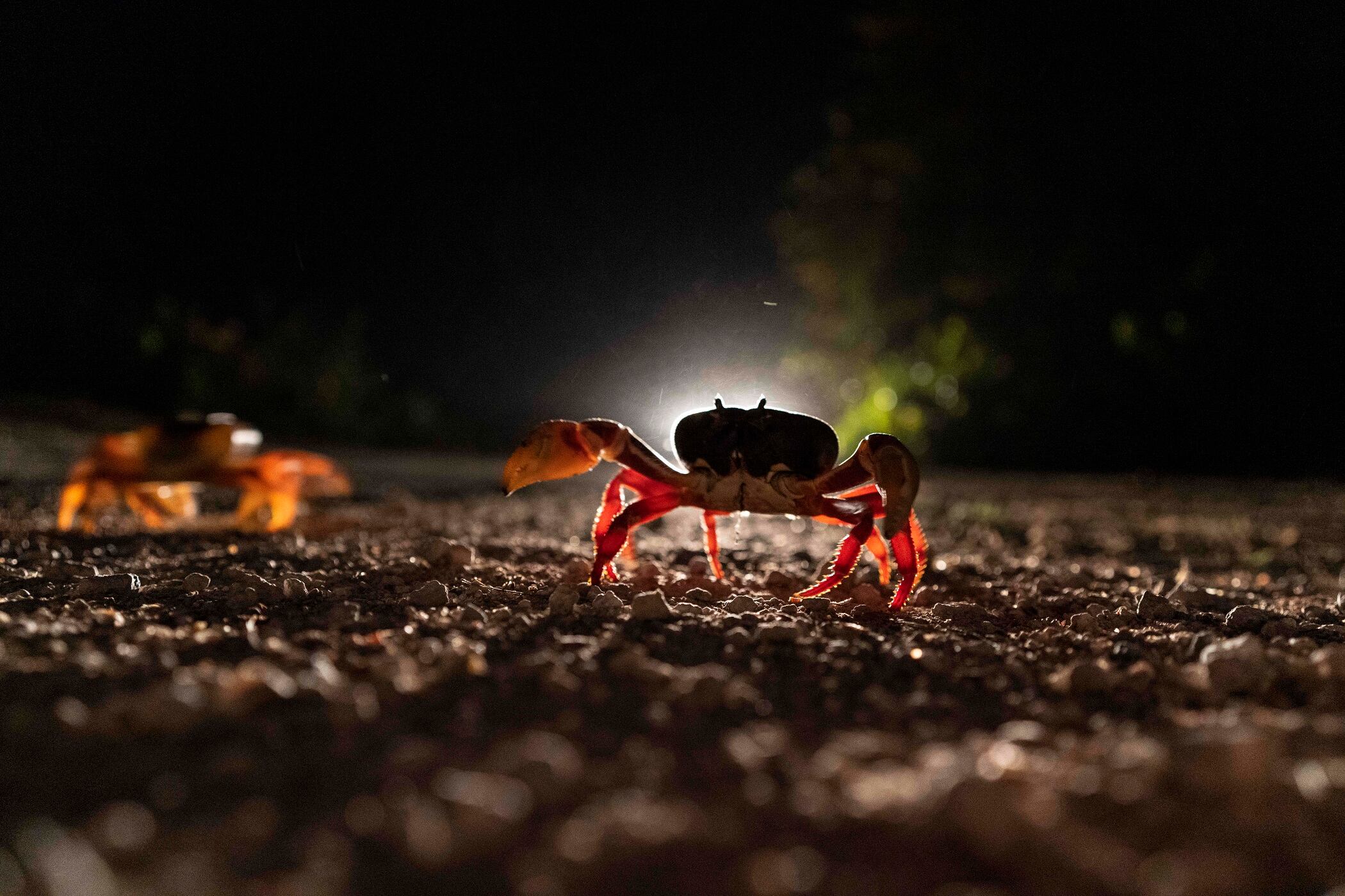
Every year in Cuba, millions of crabs emerge from the forest at the beginning of the spring rains and head for the waters of the Bay of Pigs, crossing streets and highways on a perilous journey to mate and reproduce.

Now underway, the migration causes concern to drivers who try to swerve in an often futile attempt not to kill the crustaceans. The crabs are a nuisance to residents but the sight of their road-crossing is a wonder for tourists and other first-time onlookers.

“They got here before us,” said Amaury Urra, a 50-year-old hiking guide who spent his entire life in this part of the Ciénega de Zapata, the largest wetland in the Caribbean, particularly picturesque for the backdrop of turquoise sea waters and the coastal cliffs. ″We’re used to this.″

“Where I live, which is in the center of the town of Girón, the crabs don’t get there as much,″ though there are plenty on the outskirts, he said.

Located about 180 kilometers (110 miles) southeast of Havana, the area was the scene of a 1961 failed invasion by Cuban exiles who signed up for a covertly CIA-funded operation to overthrow Fidel Castro.

This year, the crabs started their journey early. At the end of March, the municipal authorities issued a warning to drivers to avoid traveling in the morning and evening hours - the favorite crossing times for the crabs. Environmentalists usually demand the closure of the main road, especially at key migration times.

The passage of the red crustaceans — the species is called gecarcinus ruricola — could last until July. The largest amount of traffic occurs between April and May. Residents have to be careful: When the crabs feel threatened, they can puncture car tires with their pincers.

Official figures estimate that some 3.5 million crabs die each season on the road, many crushed by passing vehicles. They take a minute and a half to cross.

This type of crab lives and migrates in the Bahamas, Nicaragua, Jamaica and Dominica. But only here, and perhaps in another sector of the coast towards the neighboring province of Cienfuegos, does its path collide so dramatically with human traffic.


Share:
More In Science
Eli Lilly to Offer Breakthrough Migraine Drug for Free
Relief for migraine suffers may, at long last, be imminent. With the FDA approving Eli Lilly's Emgality drug, Christi Shaw, president of Lilly Bio-Medicines, expounded on the drug's potential efficacy. The company has said it will offer the treatment to chronic migraine suffers with commercial insurance for free for a year.
Facebook's Bosworth: VR the 'Next Frontier For Human Connection'
Facebook announced its newest VR headset that will ship next year. "Oculus Quest" offers users the same virtual experience, but now users are able to move more freely while wearing the headset. Andrew Bosworth, VP of VR/AR at Facebook, said this is the next step in better connecting people around the world.
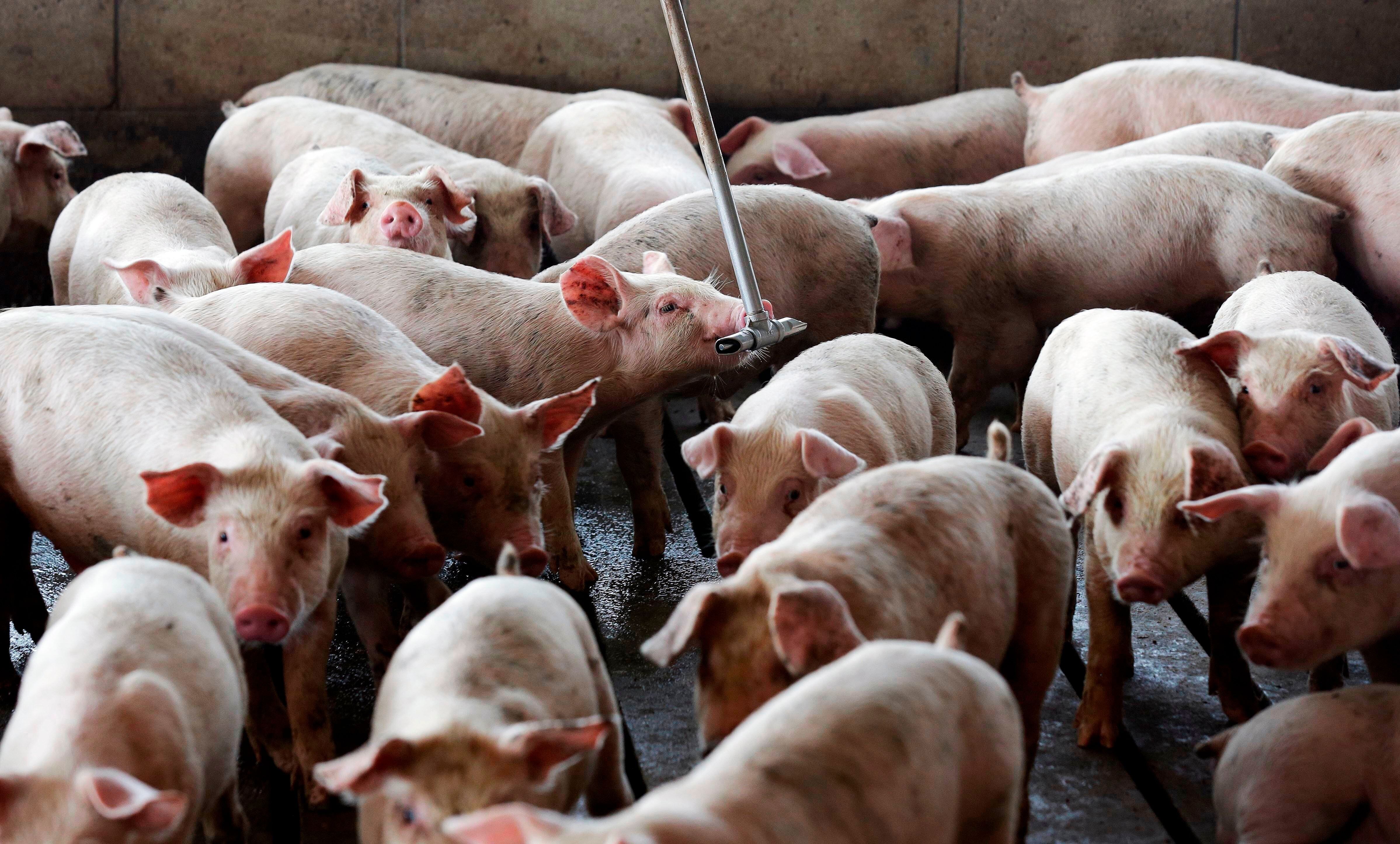
After Florence, Farm Animal Death Toll Could Be in Millions
North Carolina is facing a new crisis a week after Hurricane Florence made landfall. Not only have millions of farm animals drowned in the initial floods. Now, flooded waste lagoons are contaminating the drinking water, explained Zoë Schlanger, environment reporter for Quartz.
How High Can Pot Stocks Go?
Tilray, the Canadian cannabis company swiftly becoming one of the most talked-about stocks of the year, was up as much as 50 percent on Wednesday morning, leading a continued bull run in pot stocks and putting its market cap above established companies like Macy's and Viacom.
SpaceX Has Chosen Its First Moon Tourist
Elon Musk and SpaceX announced the company's first private passenger, Japanese billionaire Yusaku Maezawa. Shannon Stirone, freelance science journalist, said that this is the first step to Musk's ultimate goal ー transporting people to Mars.
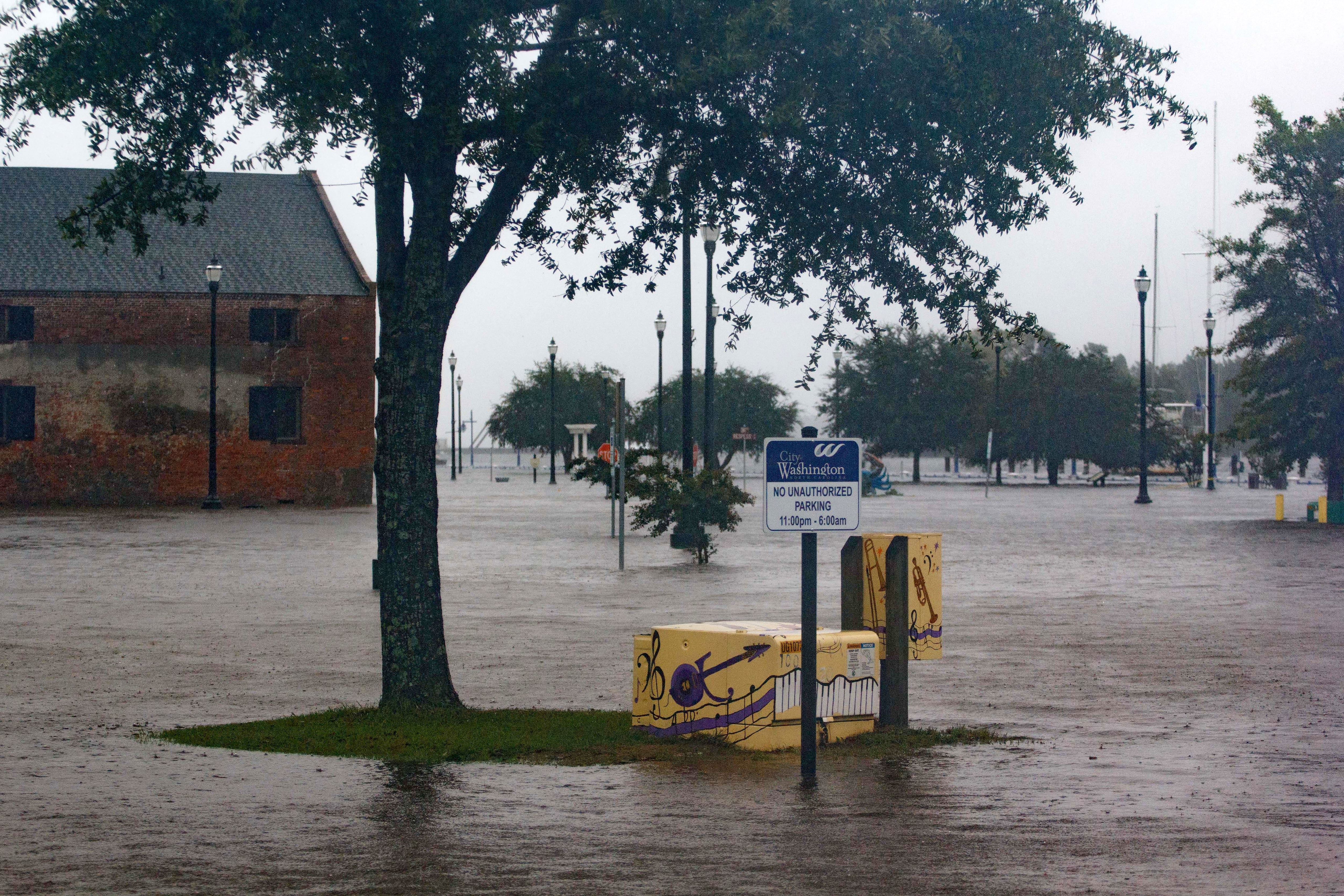
Florence's Slow Movement a Worry for Insurers
Insurers should expect losses in the tens of billions of dollars due to Hurricane Florence's rain, which will linger for days because of the system's slow movement, said Mark Watson, CEO of Argo Group.
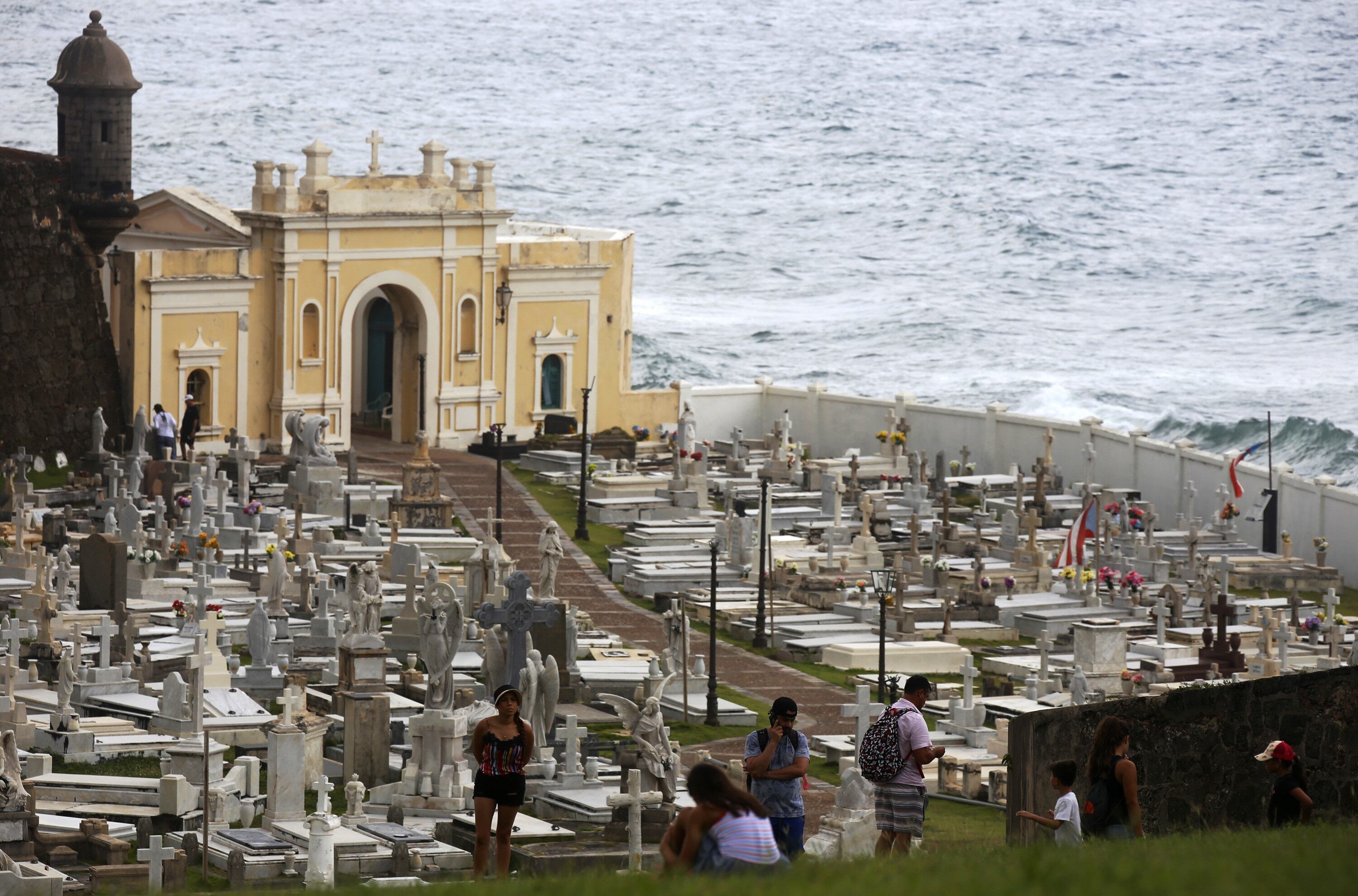
With Florence Looming, Trump Claims Democrats Made Up Puerto Rico Death Toll
Natural disasters, hurricanes especially, were once opportunities for administrations to flex their leadership and empathy muscles. When they failed (see: Bush, Katrina), the results were politically devastating. When they succeeded (see: Christie, Sandy), they launched runs for office. Those days appear to be over.
Load More