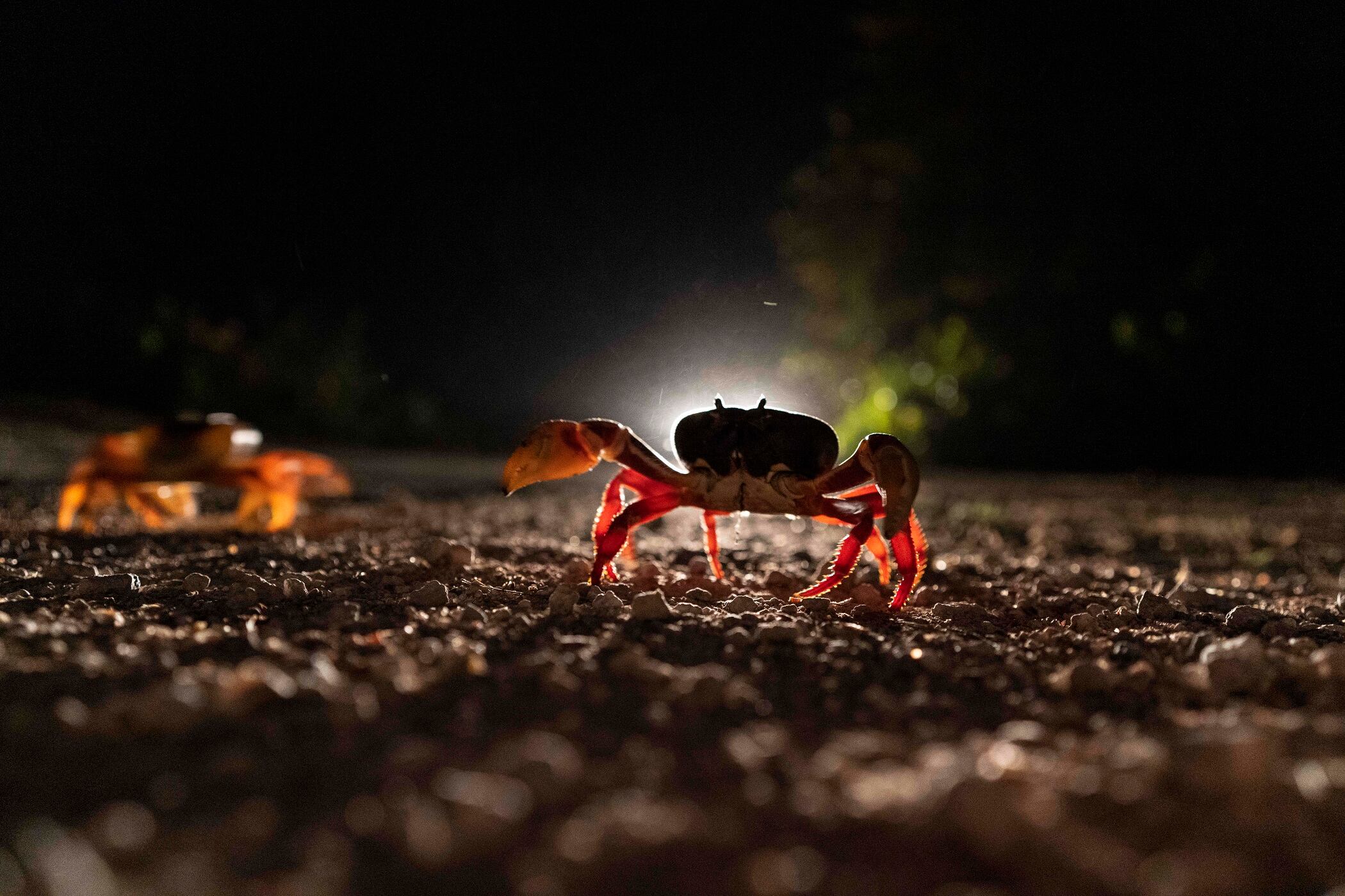
Every year in Cuba, millions of crabs emerge from the forest at the beginning of the spring rains and head for the waters of the Bay of Pigs, crossing streets and highways on a perilous journey to mate and reproduce.
Now underway, the migration causes concern to drivers who try to swerve in an often futile attempt not to kill the crustaceans. The crabs are a nuisance to residents but the sight of their road-crossing is a wonder for tourists and other first-time onlookers.
“They got here before us,” said Amaury Urra, a 50-year-old hiking guide who spent his entire life in this part of the Ciénega de Zapata, the largest wetland in the Caribbean, particularly picturesque for the backdrop of turquoise sea waters and the coastal cliffs. ″We’re used to this.″
“Where I live, which is in the center of the town of Girón, the crabs don’t get there as much,″ though there are plenty on the outskirts, he said.
Located about 180 kilometers (110 miles) southeast of Havana, the area was the scene of a 1961 failed invasion by Cuban exiles who signed up for a covertly CIA-funded operation to overthrow Fidel Castro.
This year, the crabs started their journey early. At the end of March, the municipal authorities issued a warning to drivers to avoid traveling in the morning and evening hours - the favorite crossing times for the crabs. Environmentalists usually demand the closure of the main road, especially at key migration times.
The passage of the red crustaceans — the species is called gecarcinus ruricola — could last until July. The largest amount of traffic occurs between April and May. Residents have to be careful: When the crabs feel threatened, they can puncture car tires with their pincers.
Official figures estimate that some 3.5 million crabs die each season on the road, many crushed by passing vehicles. They take a minute and a half to cross.
This type of crab lives and migrates in the Bahamas, Nicaragua, Jamaica and Dominica. But only here, and perhaps in another sector of the coast towards the neighboring province of Cienfuegos, does its path collide so dramatically with human traffic.
Weak economic data from China and the ongoing government shutdown appeared to drag down the major U.S. indexes on Monday morning. SpaceX is slashing its workforce by 10 percent in an effort to become "leaner." Plus, we sit down with Emmy-award winning actor and producer Yeardley Smith who is most famous for voicing the iconic cartoon character, Lisa Simpson.
Cheddar's Hope King looks back at her first trip to the Consumer Electronics Show in Las Vegas.
There seem to be endless options when it comes to diet plans, new workouts, and high-tech help. But could too many options be a bad things? A new study by Jenny Craig looks at how all those choices can lead to misinformation. The company's CEO Monty Sharma talked to Cheddar about the best ways to get healthy.
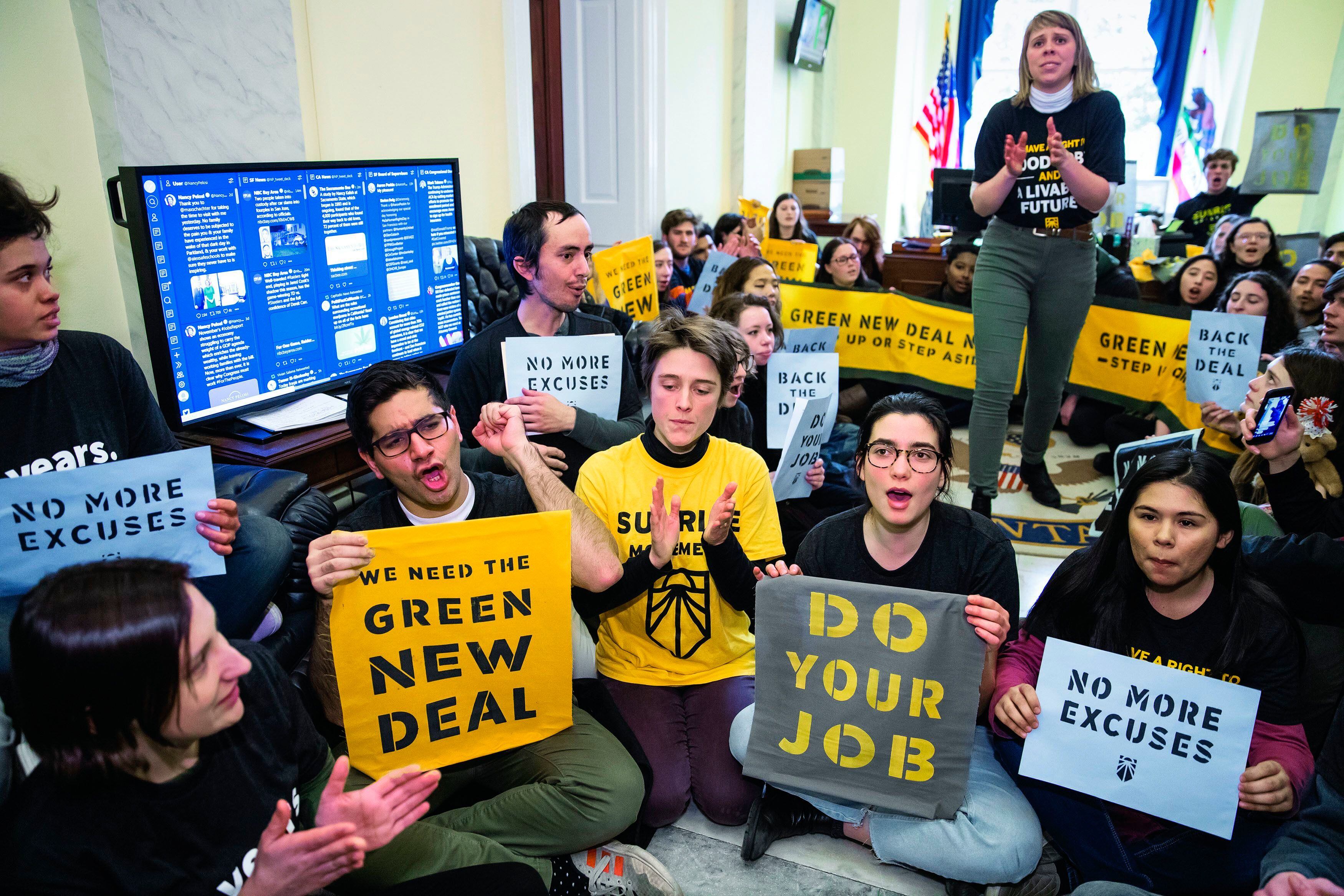
The Democratic Party establishment still have a chance to embrace the Green New Deal ー and their success in upcoming elections might just depend on it, Justice Democrats Communications Director Waleed Shahid told Cheddar on Monday.
These are the headlines you Need 2 Know for Wednesday, Jan. 2, 2019.
The salad chain known for its reusable bowl program is doubling down on its ambitions for a green 2019. As part of its efforts, Just Salad has appointed Janani Lee as its new chief sustainability officer. She'll lead sustainability initiatives at the salad, sandwich, and smoothie company, which means everything from front-of-house and back-of-house composting projects to ingredient tracking that can help prevent food-borne illnesses.
This year marked the first voyage for Cheddar's weekly series Cheddar Rides, covering the changes happening in transportation and the future of getting from here to there. To celebrate the last episode of its inaugural year, Rides is looking at the road ahead.
If you’re looking to make a move in 2019, you could do worse than some of the cities below. Each one is using technology ー IoT, machine learning, data analysis, autonomy, A.I. ー to remake the way its citizens interact with their surroundings. But a smart city is more than just innovative technology, as Mike Barlow and Cornelia Levy-Bencheton, authors of "Smart Cities, Smart Future," told Cheddar. It's about improving lives in concrete, everyday ways.
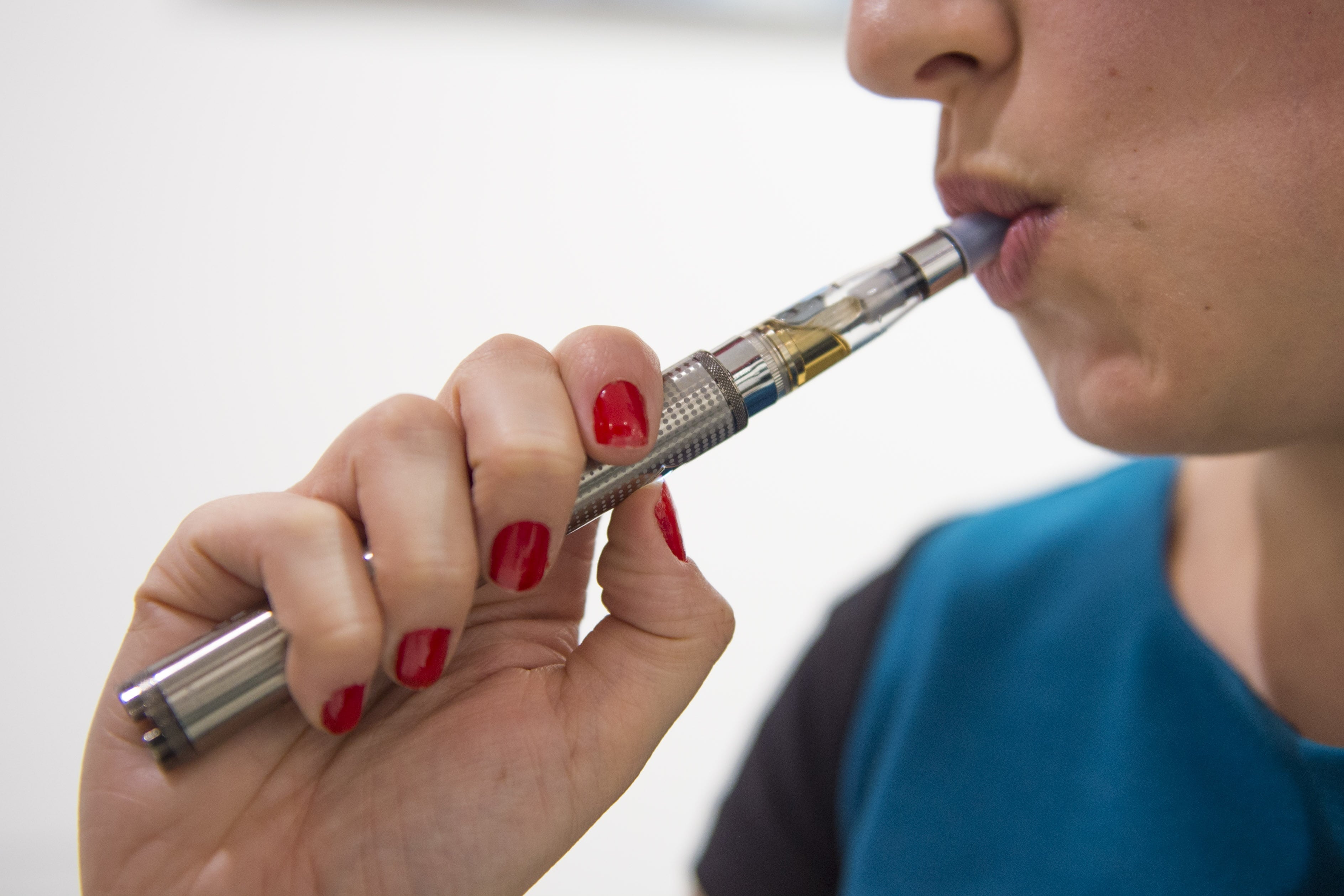
A study released on Monday found a dramatic increase in vaping among teenagers ー after a second study found that the increasingly popular habit comes with not-insignificant health risks. "Vaping appears to be less harmful than smoking, but then again smoking kills half of the people who do it long-term. So, again, it's a low bar to be safer than smoking," Rachel Becker, a reporter with the Verge, told Cheddar on Monday.
2018 was a year of serious advancement in tech. It brought us more driver-less cars, Bitcoin adoption, and more A.I. But as the year dwindles, we're looking to the future, not the past. As we gaze into Cheddar's Crystal Ball, here are our top five picks for the technology that is most likely to advance even further in 2019.