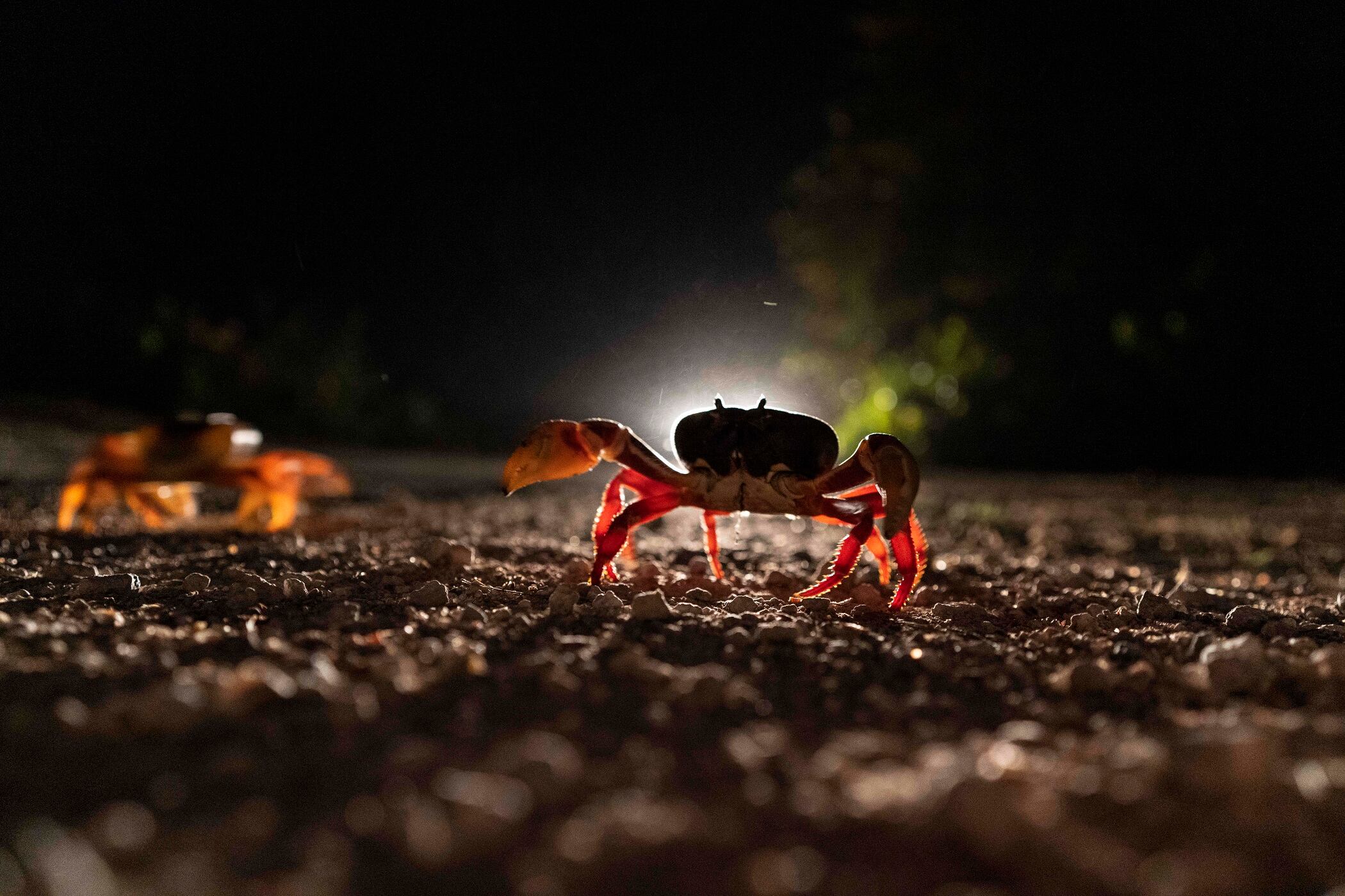
Every year in Cuba, millions of crabs emerge from the forest at the beginning of the spring rains and head for the waters of the Bay of Pigs, crossing streets and highways on a perilous journey to mate and reproduce.
Now underway, the migration causes concern to drivers who try to swerve in an often futile attempt not to kill the crustaceans. The crabs are a nuisance to residents but the sight of their road-crossing is a wonder for tourists and other first-time onlookers.
“They got here before us,” said Amaury Urra, a 50-year-old hiking guide who spent his entire life in this part of the Ciénega de Zapata, the largest wetland in the Caribbean, particularly picturesque for the backdrop of turquoise sea waters and the coastal cliffs. ″We’re used to this.″
“Where I live, which is in the center of the town of Girón, the crabs don’t get there as much,″ though there are plenty on the outskirts, he said.
Located about 180 kilometers (110 miles) southeast of Havana, the area was the scene of a 1961 failed invasion by Cuban exiles who signed up for a covertly CIA-funded operation to overthrow Fidel Castro.
This year, the crabs started their journey early. At the end of March, the municipal authorities issued a warning to drivers to avoid traveling in the morning and evening hours - the favorite crossing times for the crabs. Environmentalists usually demand the closure of the main road, especially at key migration times.
The passage of the red crustaceans — the species is called gecarcinus ruricola — could last until July. The largest amount of traffic occurs between April and May. Residents have to be careful: When the crabs feel threatened, they can puncture car tires with their pincers.
Official figures estimate that some 3.5 million crabs die each season on the road, many crushed by passing vehicles. They take a minute and a half to cross.
This type of crab lives and migrates in the Bahamas, Nicaragua, Jamaica and Dominica. But only here, and perhaps in another sector of the coast towards the neighboring province of Cienfuegos, does its path collide so dramatically with human traffic.
The theme of Bill and Melinda Gates' annual letter for 2019 is "surprise." The letter, released Tuesday, acts as a roadmap for how the Gates Foundation plans to invest in technology that will help make the world a better place in the years to come. And, as Melinda Gates told Cheddar in an interview, it starts with poop.
There's a dearth of research to back up the abundance of miraculous health claims tied to CBD ー but that won't stop celebrities from endorsing it. CBD, or cannabidiol, is a component of cannabis or hemp with little to no psychotropic effects. It is purported to have an array of applications to treat everything from epilepsy to anxiety, pain, depression, and sleeplessness. When Congress and President Trump signed the latest version of the Farm Bill into effect, they also legalized hemp, and thereby CBD derived from hemp.
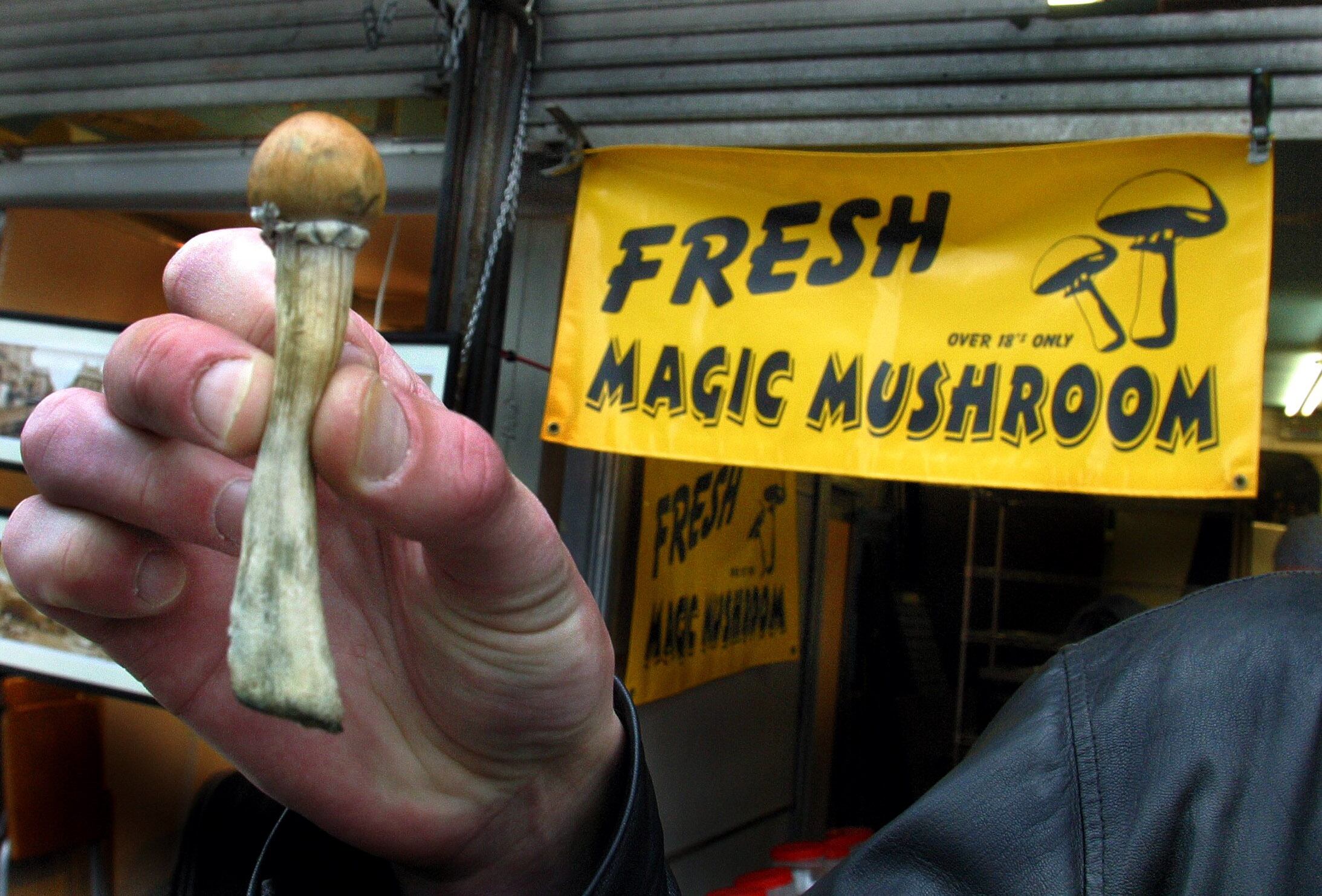
More than 50 years after the psychedelic Summer of Love, psilocybin, the psychoactive component in magic mushrooms, is having a moment. Researchers at leading universities have been conducting research on the purported medical benefits of mushrooms for years, but as studies yield promising results, the opioid epidemic persists and sentiment warms toward cannabis, mushrooms are earning a lot more attention. Lawmakers and psychotropic advocates have concurrently advanced separate measures in Oregon, Colorado, and, most recently, Iowa, that attempt to loosen restrictions on these hallucinogenic fungi.
These are the headlines you Need 2 Know for Thursday, Feb. 7, 2019.
These are the headlines you Need 2 Know for Wednesday, Feb, 6, 2019.
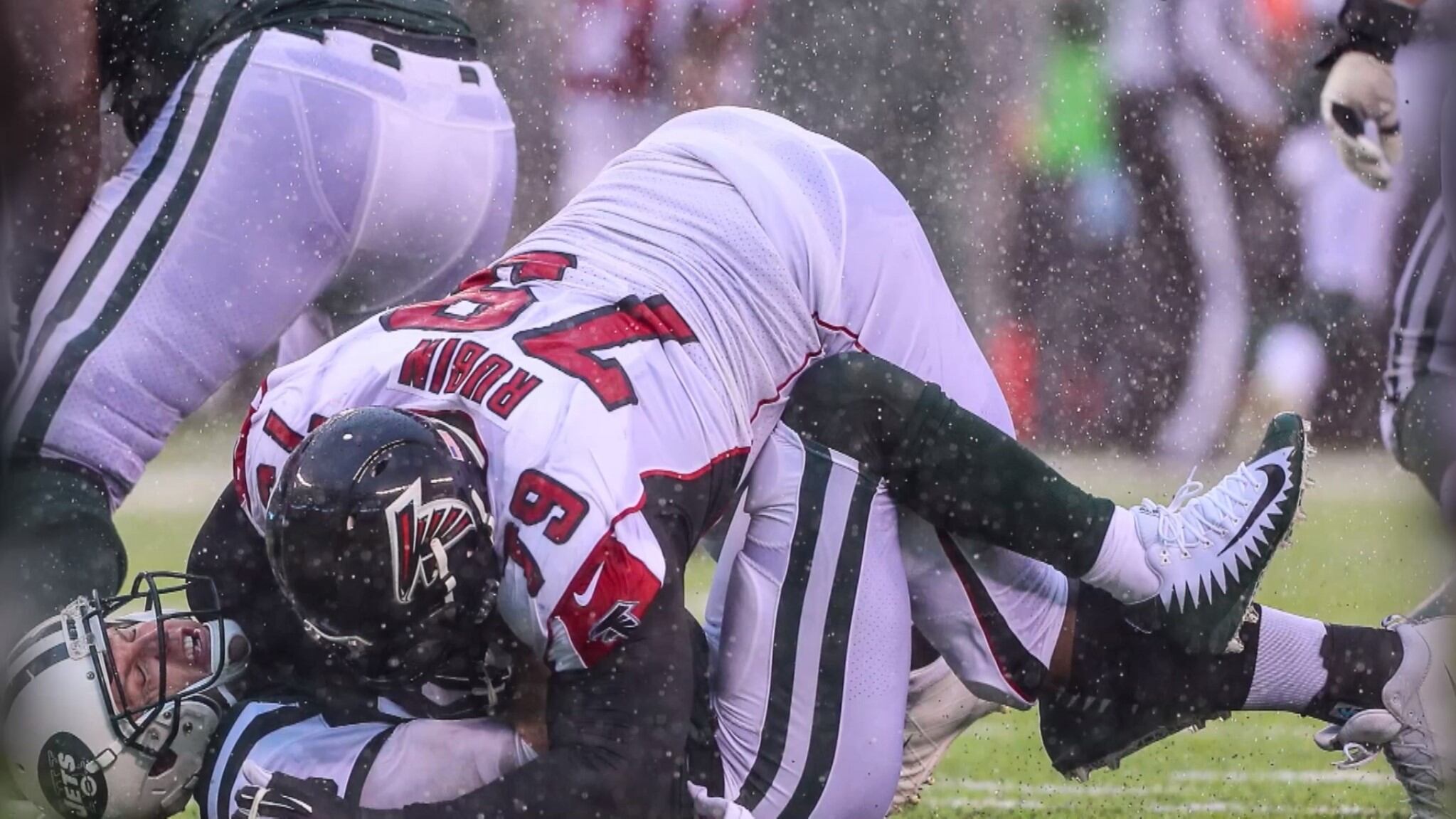
Millions of people around the world are getting ready for the Super Bowl on Sunday. And while the day is all fun and games, there's still a serious discussion happening about player safety. Now, two leading sports brands have teamed up to design new, state-of-the-art equipment using 3D printing. Joe DeSimone, co-founder and CEO of Carbon, stopped by Cheddar with more on how technology is making football more safe, head to toe.
These are the headlines you Need 2 Know for Friday, Feb. 1, 2019.
These are the headlines you Need 2 Know for Wednesday, Jan. 30, 2019.
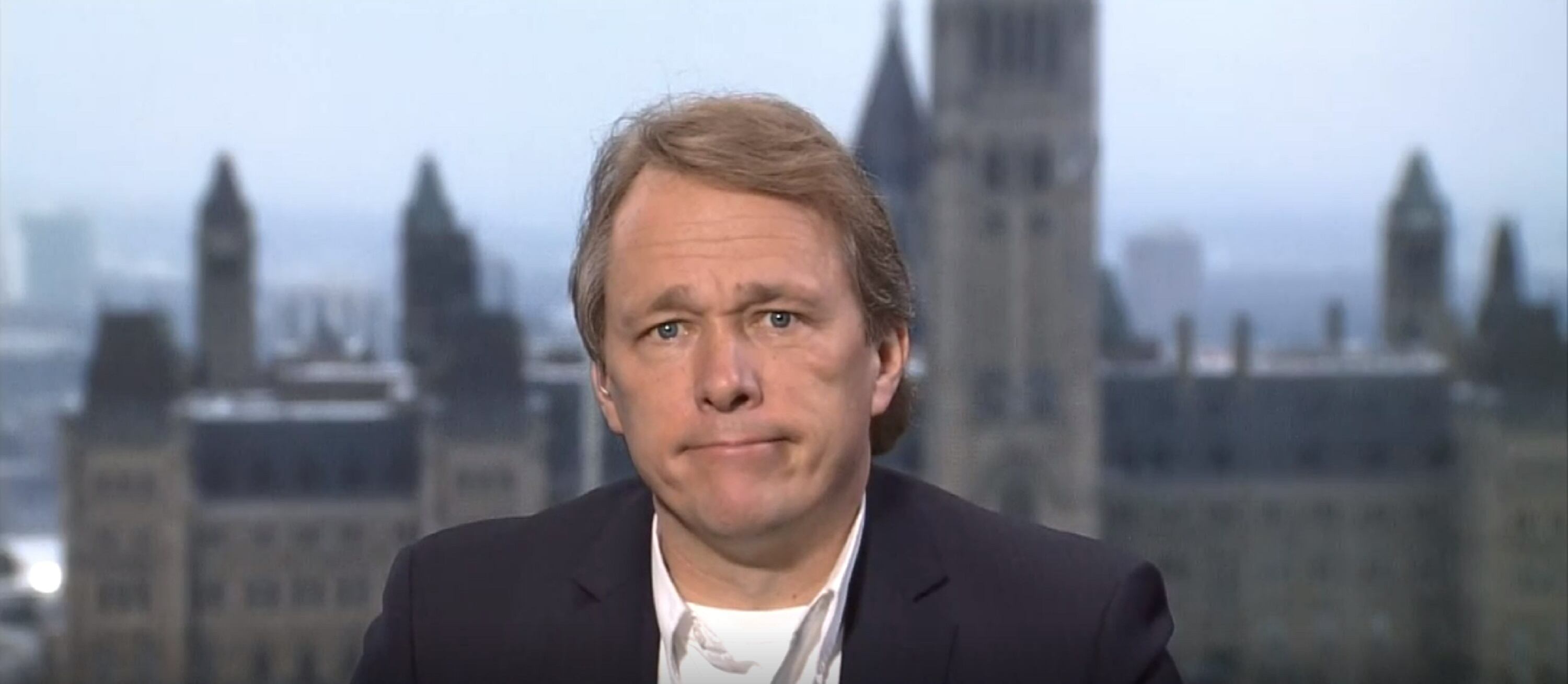
Canopy Growth is planning its entry to the U.S. on the back of the new Farm Bill ー and aims to establish a hemp "hub" in New York, according to CEO Bruce Linton."New York is setting up a pretty progressive approach and we have an earlier first license under that system so we can actually create a hub," Linton told Cheddar on Tuesday.
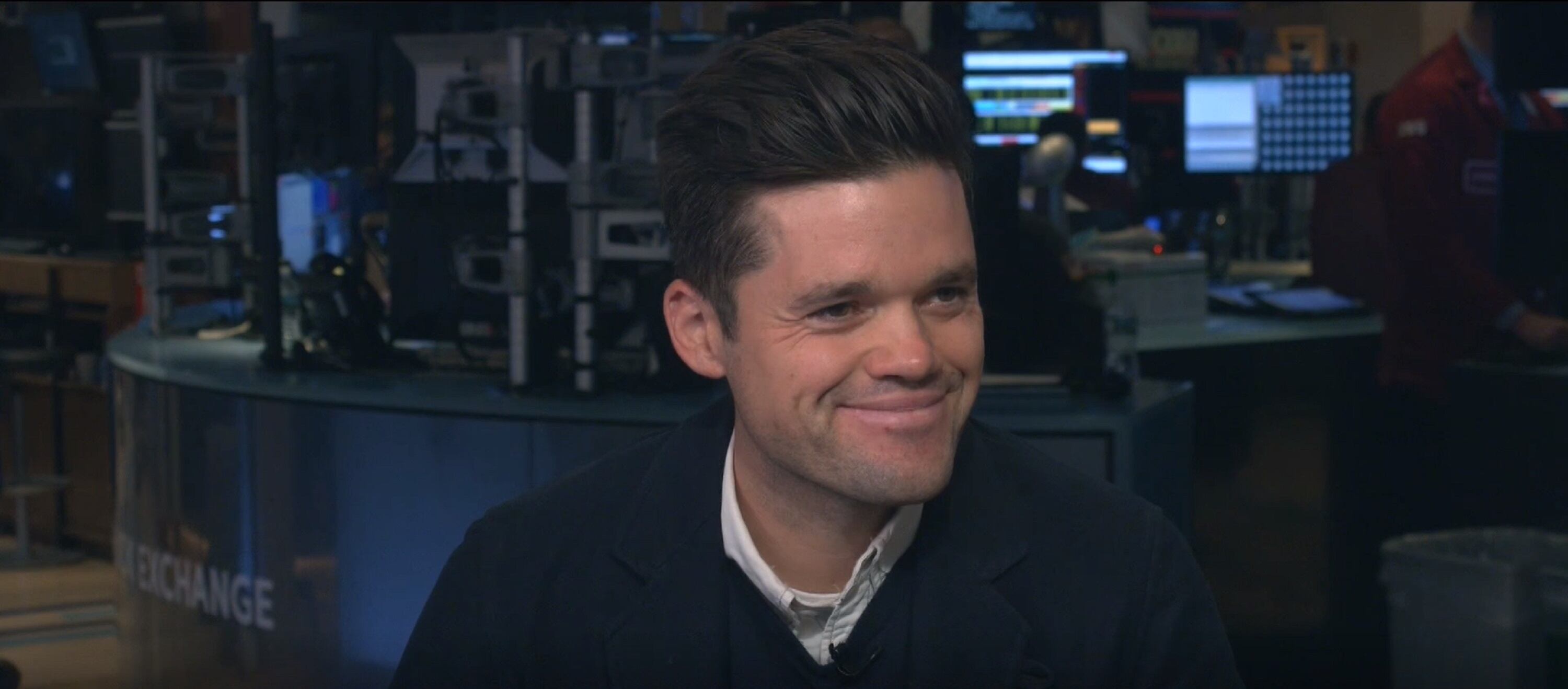
Meditation app Headspace is zen about its future. Coming off a profitable year in 2018, with more than $100 million in revenue, CEO and co-founder Rich Pierson told Cheddar on Monday that the company is looking to continue its domination of the digital meditation space by pushing into healthcare and international markets.