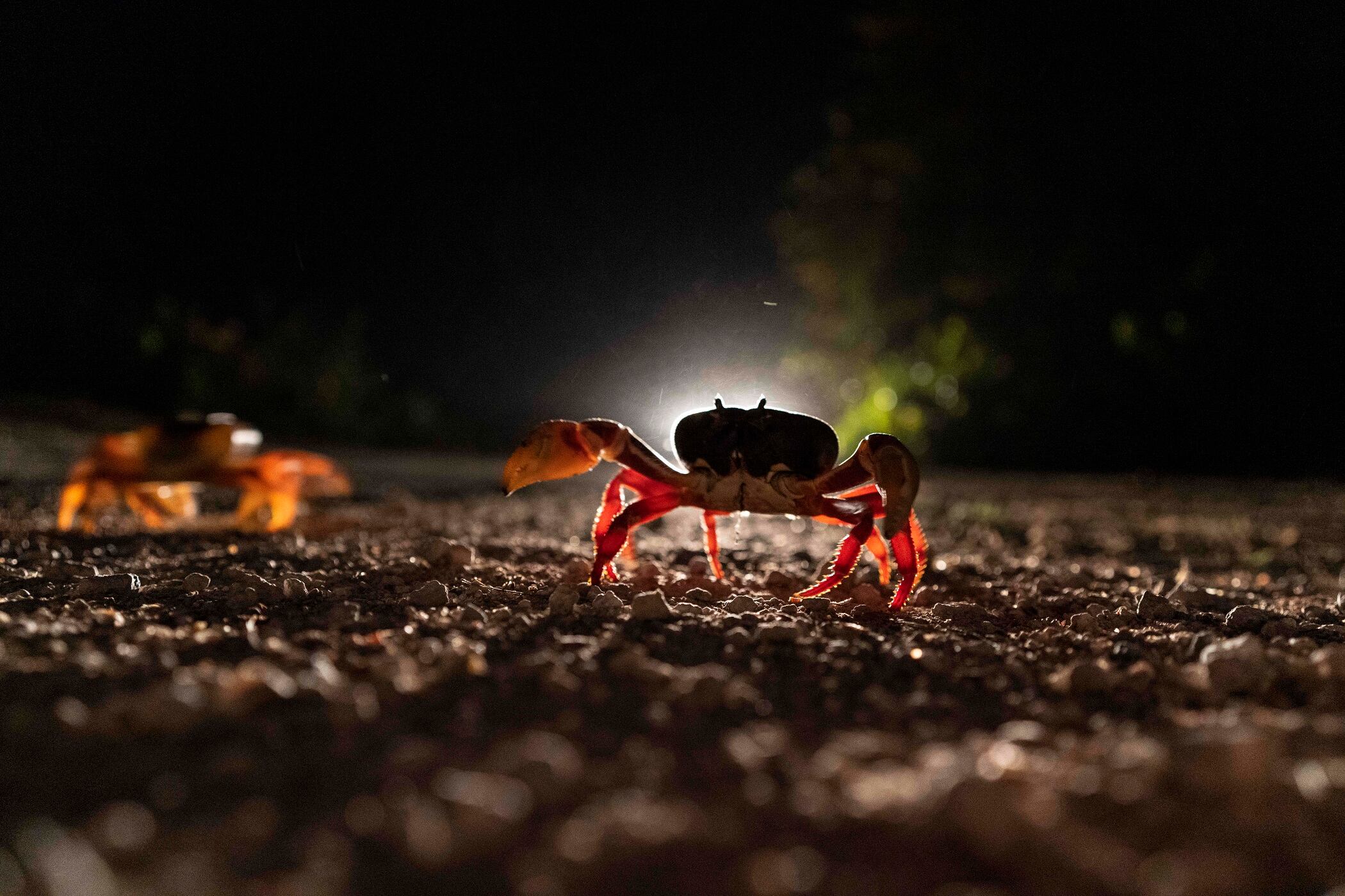
Every year in Cuba, millions of crabs emerge from the forest at the beginning of the spring rains and head for the waters of the Bay of Pigs, crossing streets and highways on a perilous journey to mate and reproduce.
Now underway, the migration causes concern to drivers who try to swerve in an often futile attempt not to kill the crustaceans. The crabs are a nuisance to residents but the sight of their road-crossing is a wonder for tourists and other first-time onlookers.
“They got here before us,” said Amaury Urra, a 50-year-old hiking guide who spent his entire life in this part of the Ciénega de Zapata, the largest wetland in the Caribbean, particularly picturesque for the backdrop of turquoise sea waters and the coastal cliffs. ″We’re used to this.″
“Where I live, which is in the center of the town of Girón, the crabs don’t get there as much,″ though there are plenty on the outskirts, he said.
Located about 180 kilometers (110 miles) southeast of Havana, the area was the scene of a 1961 failed invasion by Cuban exiles who signed up for a covertly CIA-funded operation to overthrow Fidel Castro.
This year, the crabs started their journey early. At the end of March, the municipal authorities issued a warning to drivers to avoid traveling in the morning and evening hours - the favorite crossing times for the crabs. Environmentalists usually demand the closure of the main road, especially at key migration times.
The passage of the red crustaceans — the species is called gecarcinus ruricola — could last until July. The largest amount of traffic occurs between April and May. Residents have to be careful: When the crabs feel threatened, they can puncture car tires with their pincers.
Official figures estimate that some 3.5 million crabs die each season on the road, many crushed by passing vehicles. They take a minute and a half to cross.
This type of crab lives and migrates in the Bahamas, Nicaragua, Jamaica and Dominica. But only here, and perhaps in another sector of the coast towards the neighboring province of Cienfuegos, does its path collide so dramatically with human traffic.
The sophisticated rocket sent a payload that included 24 satellites, a new, solar-powered space sail, and the ashes of 152 people, into space with its side boosters successfully returning to Earth unscathed.
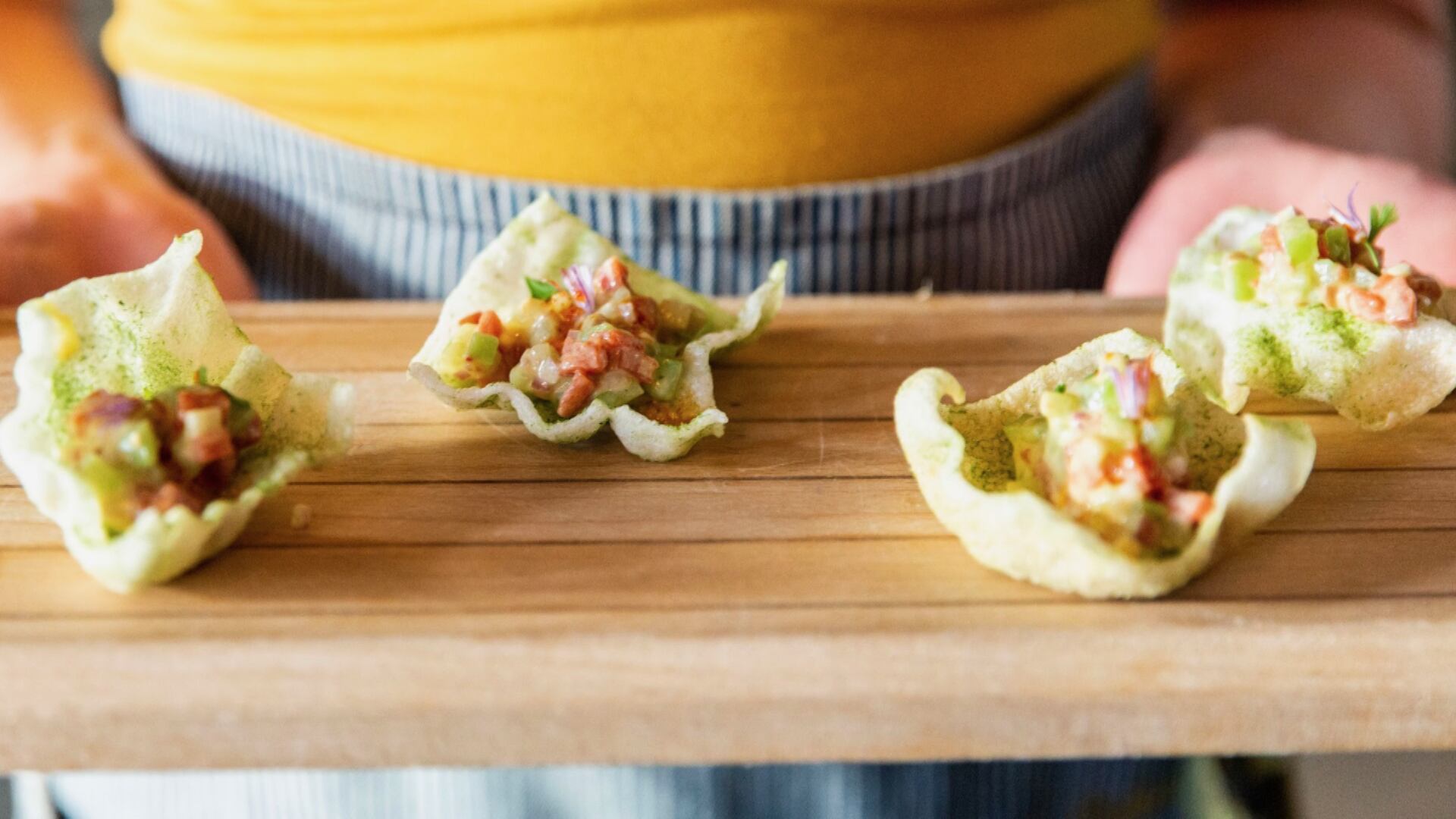
That next step for meat alternatives will apparently include fish as companies like Wild Type, BlueNalu, and Finless Foods wager that, in the age of plant-based burgers, there’s room for seafood grown in the lab.
These are the headlines you Need 2 Know for Wednesday, June 19, 2019.
Elon Musk may be going to Vegas. The Las Vegas Convention and Visitors Authority has recommended that The Boring Company be chosen to construct a "people mover" below the expanding convention center.
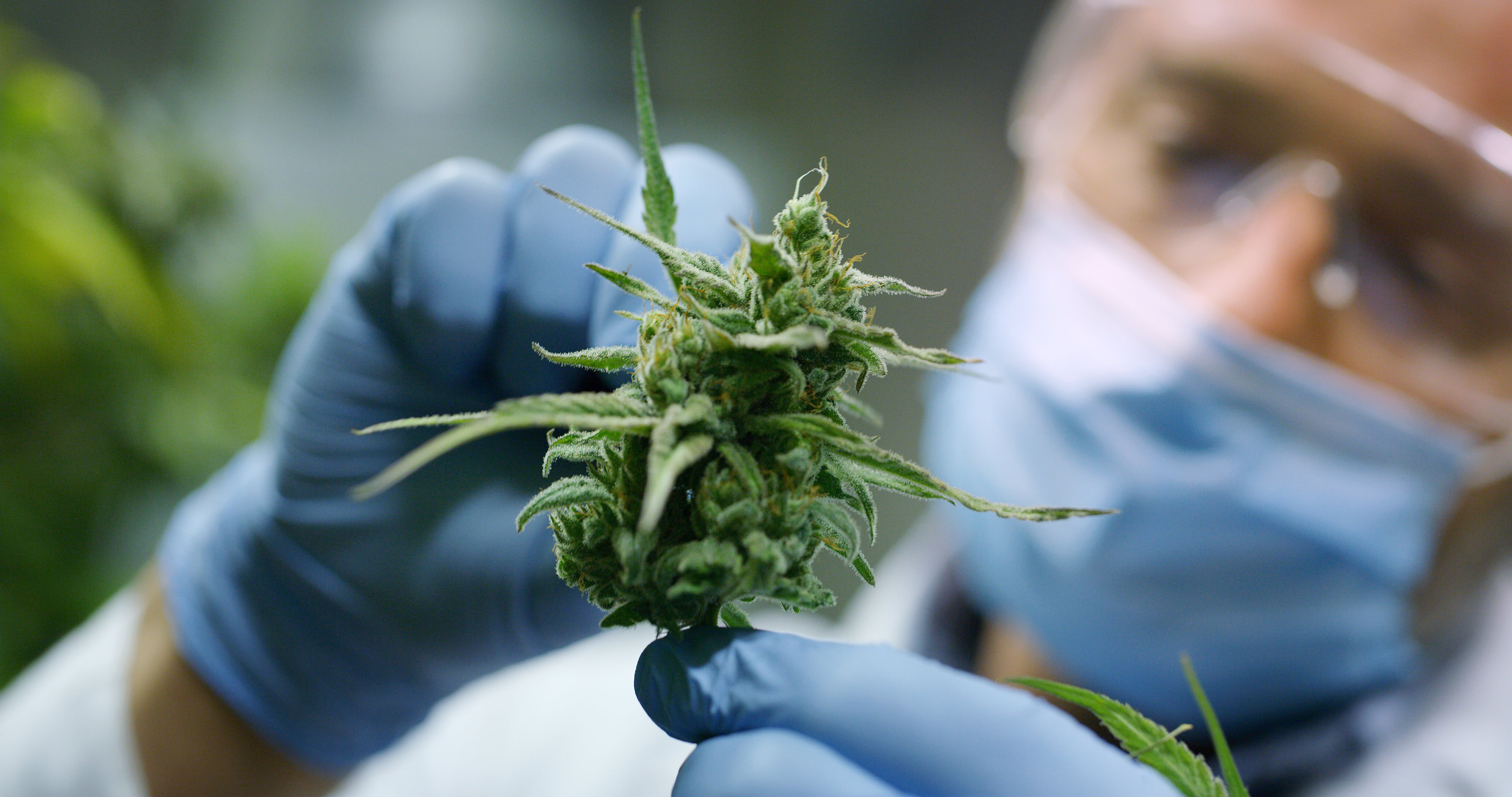
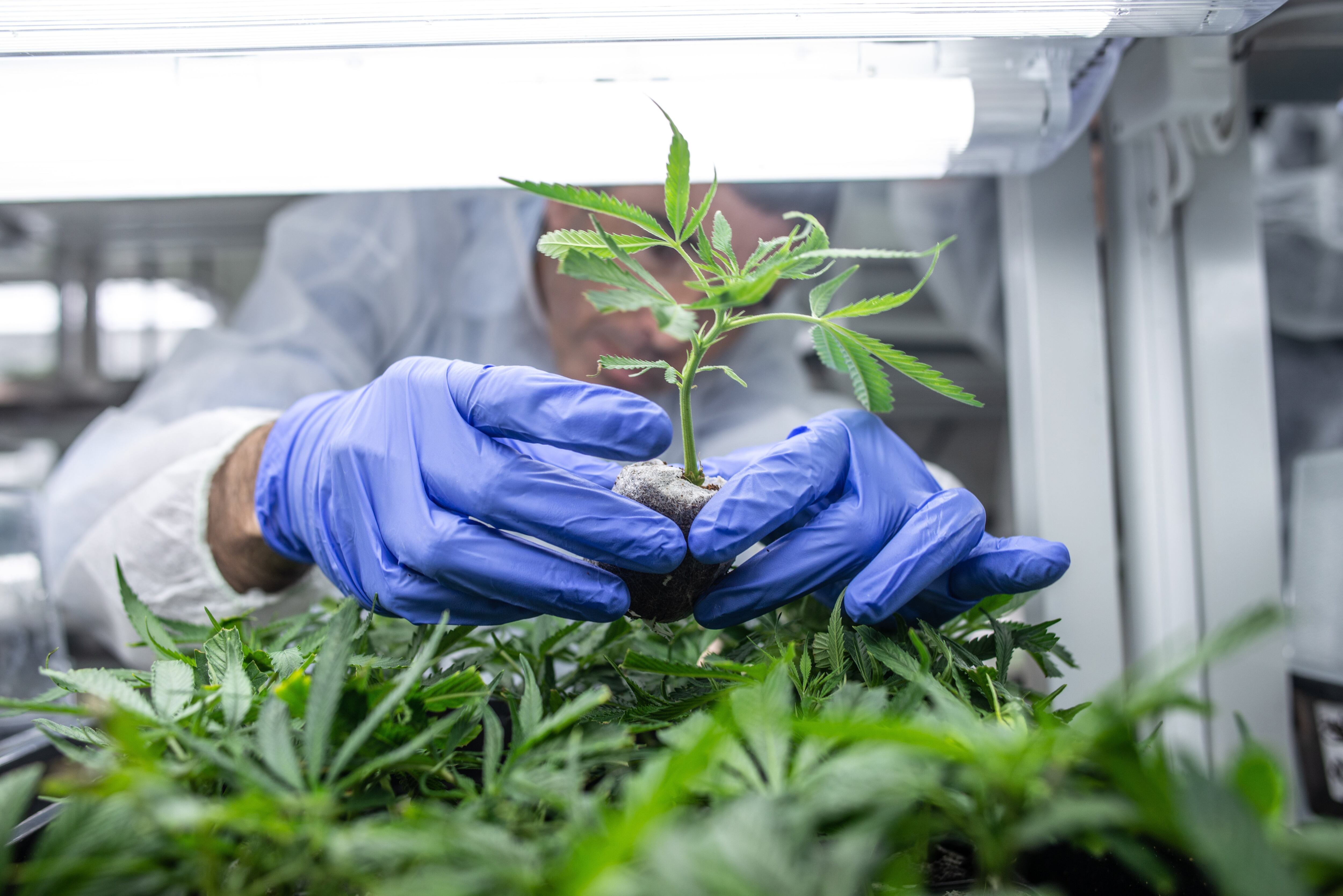
Cannabis, hemp, reefer, marijuana, dope, pot, grass ー no matter what term you choose, they all refer to the same plant: cannabis sativa. It’s a common misconception that cannabis sativa exclusively means that particular strain of weed that makes you creative and focused (as opposed to indica, which promotes relaxation)ー but it’s actually the scientific name of the single plant that yields marijuana, CBD, and hemp, among other products.
These are the headlines you Need 2 Know for Tuesday, Feb. 19, 2019.
Canopy Growth CEO Bruce Linton won't guarantee investors dividends. What he will promise is a stake in global cannabis domination. "If people want a dividend, we are probably not the right stock. If they want some entity aimed at dominating a global opportunity that started in Canada, we are probably your best bet," Linton told Cheddar on Friday, one day after the company reported a massive spike in third-quarter revenue.
These are the headlines you Need 2 Know for Friday, Feb, 15, 2019.
It's a big week in cannabis earnings ー Aurora Cannabis reported Monday and Canopy Growth will report Thursday ー but Paul Rosen, CEO of cannabis private equity firm Tidal Royalty, said he's noticing a concerning trend."All the companies are facing gross margin compression because there are excise taxes, there's a massive marketing spend as we go to recreational cannabis, and there's also increased packaging costs. So I think you're going to see a trend line here, which is revenue and capacity going up, but gross margin is going down," Rosen told Cheddar Wednesday.
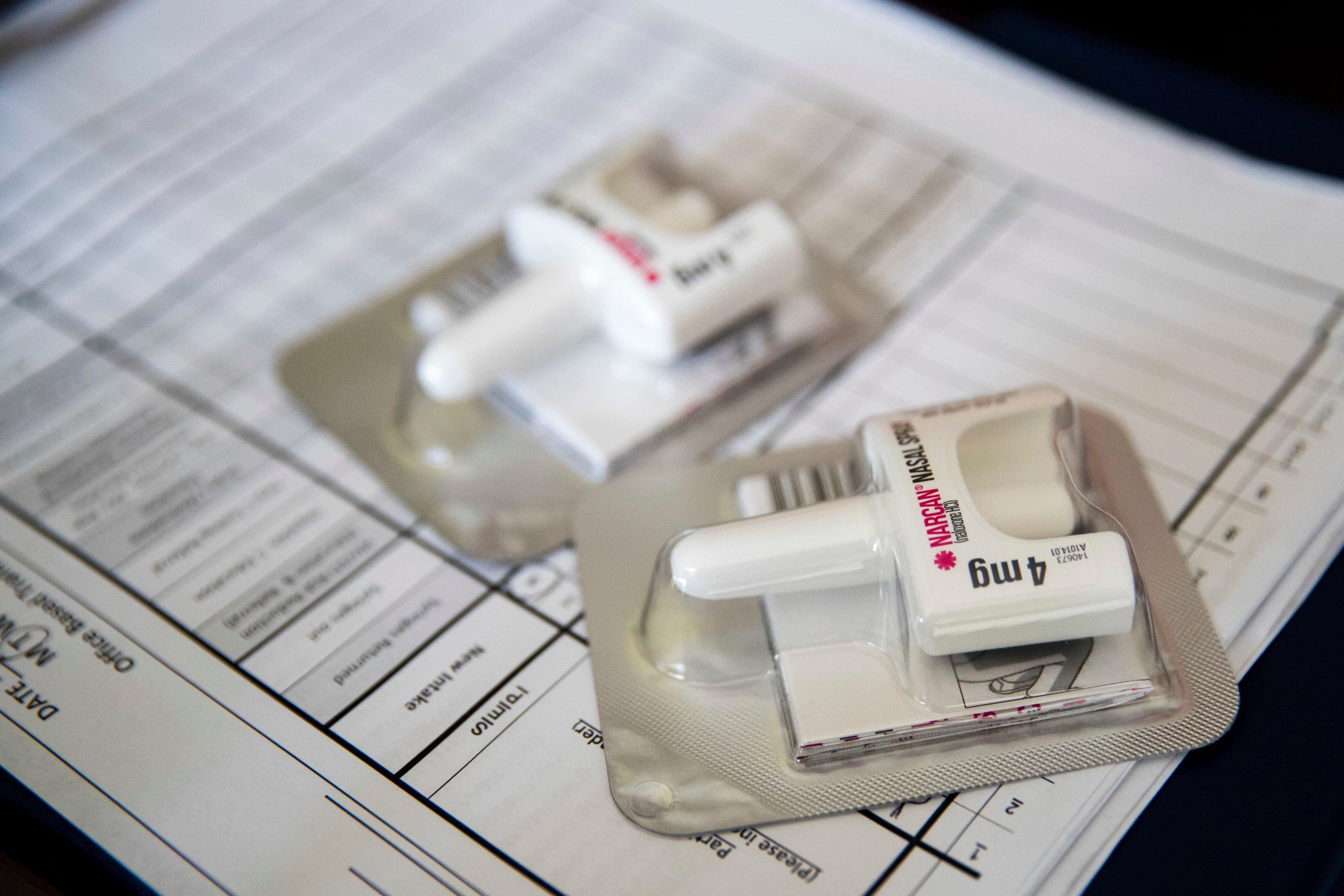
Opiant Pharmaceuticals, the developer of opioid antidote NARCAN, is in the process of developing a version of its lifesaving drug for cannabanoid overdoses, the company's CEO told Cheddar in an interview on Wednesday.