*By Michael Teich*
Uber is driving itself to the center of the scooter scuffle with its strategic partnership with Lime, a deal that will allow users to eventually request an electric scooter through its app.
Axios reporter Dan Primack, who broke the story, says there's a key advantage to the bike-sharing company choosing Uber as a partner over rival Lyft.
"One of the big reasons Lime wanted to partner with Uber is because Uber has much deeper geographic penetration, especially internationally," Primack said in an interview on Cheddar Tuesday. On top of that, "Uber has the deepest pockets right now. "
A fragile relationship with city officials, though, could hold back Uber and Lime from a complete transportation takeover. San Francisco is only granting five permits for companies to operate a dock-less, rentable electric scooter programs on city streets. While Primack said it's still unclear whether either company will be one of the chosen, he noted that Lime's survival does not depend on the SF market because it is already in 80 other regions.
"It wouldn't be end of world if they didn't get into San Francisco."
Despite sky-high valuations for scooter companies such as Lime and Bird, Primack told Cheddar it is unlikely that the industry is in a bubble. He also does not expect the deals in the scooter business to lose momentum, predicting that we could soon see Uber fully acquire Lime.
"My guess is that it would happen quick," he said.
For the full segment, [click here.](https://cheddar.com/videos/primack-uber-best-positioned-in-scooter-wars)
A lot has changed since the pandemic began back in march 2020. COVID-19 caused a huge disruption in the U.S. labor force that is just beginning to normalize. As of last month, about 96% of jobs lost in the pandemic have returned. Still, where people work now looks very different from two years ago. Cheddar's Shannon Lanier looks at where the jobs are now and where they aren't.
Dave Burg, EY Americas Cybersecurity Leader, joins Cheddar News to discuss the rise of quantum computing and how it can compromise existing security measures at play today, and what the timeline looks like for quantum computing to become a reality.
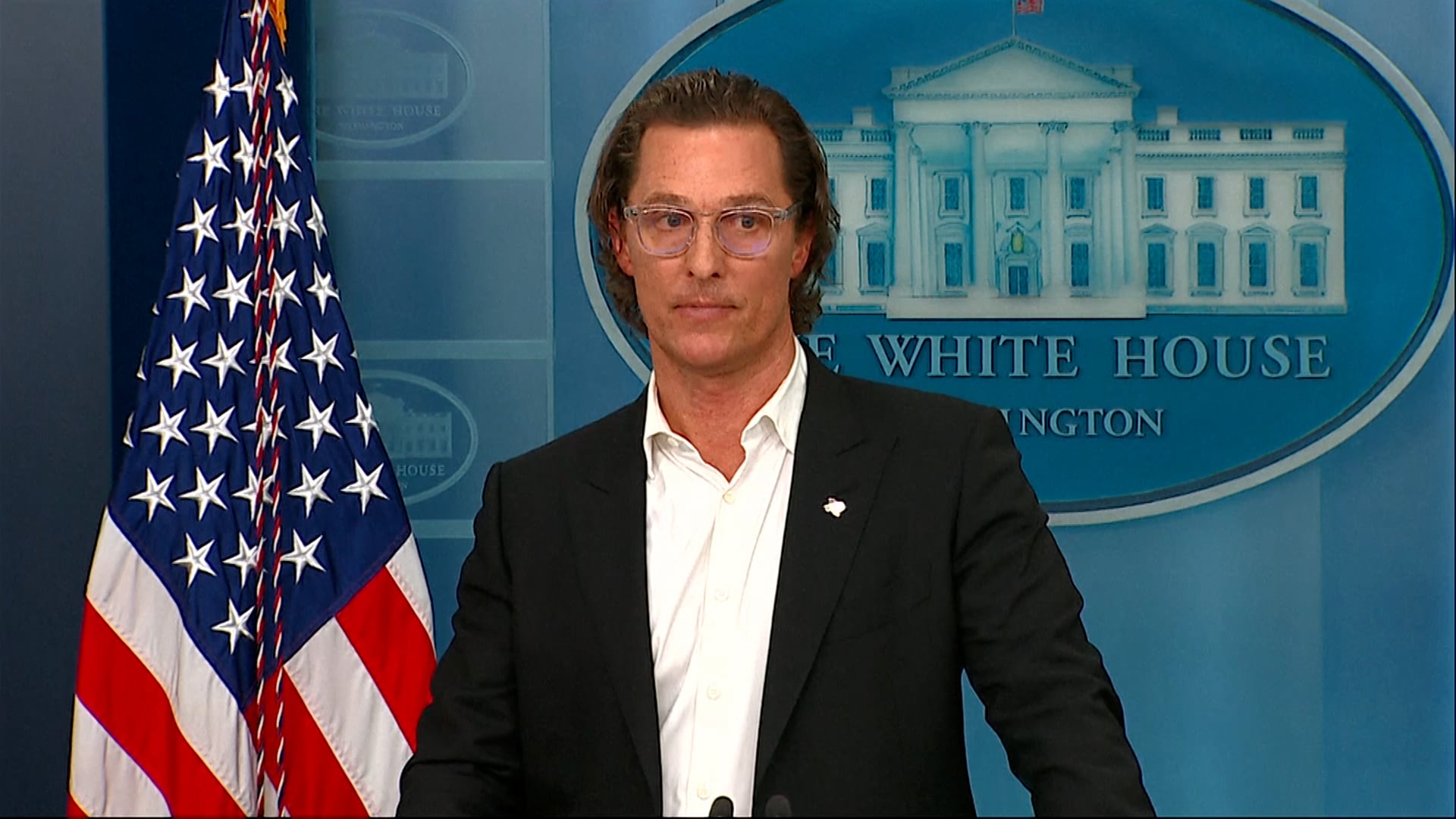
Getting you caught up on the stories you need to know this morning: Matthew McConaughey lends his voice to the gun control fight in congress, at least 30 people were injured in Germany after a car plows into a crowd, and a new weight loss drug shows promising results.
Michelle Bond, CEO of the Association for Digital Asset Markets, joins Closing Bell, where she breaks down the Responsible Financial Innovation Act, which would not only establish a regulatory structure for digital assets, but hand over crypto oversight to the CFTC instead of the SEC.
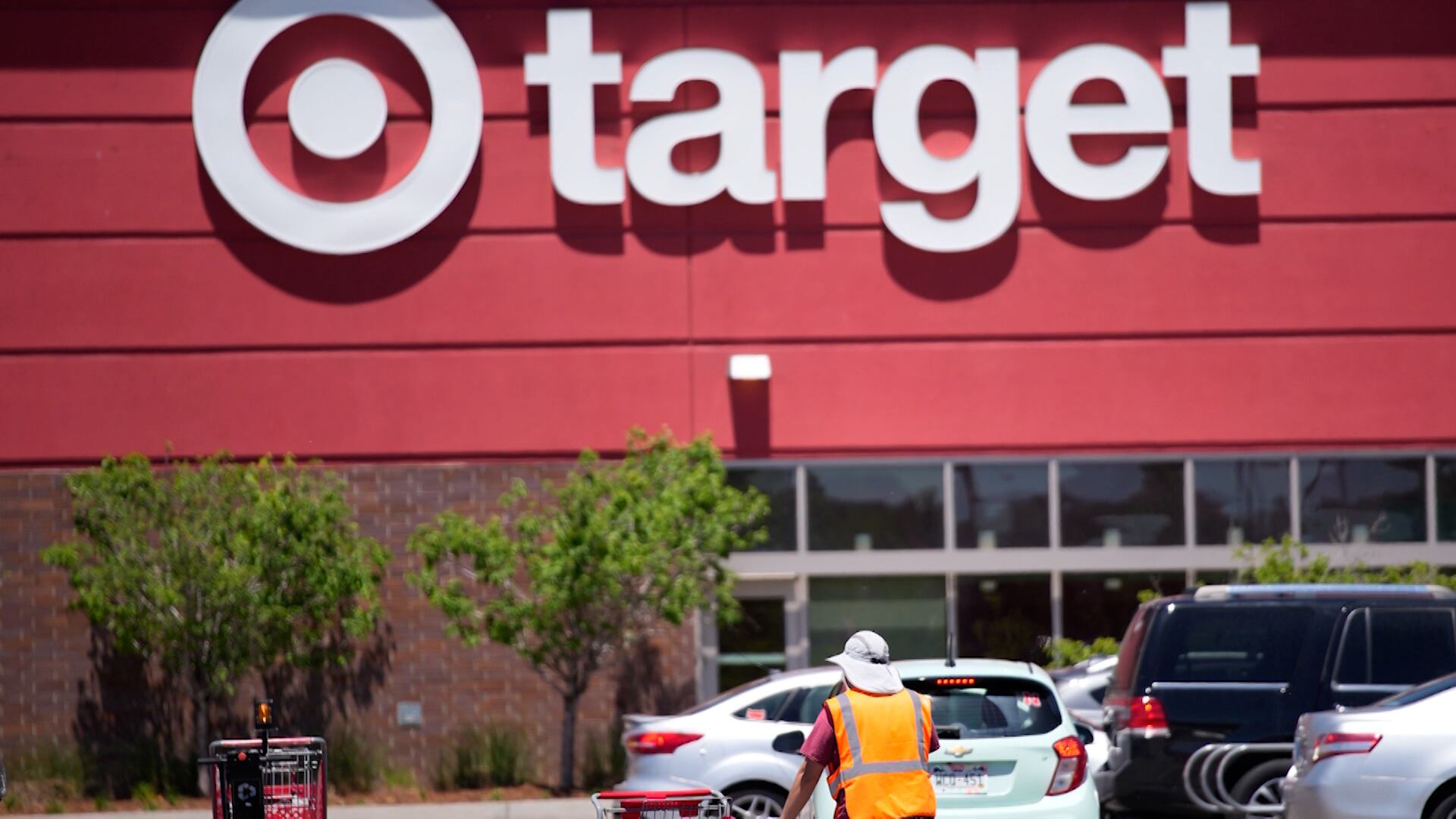
Caleb Silver, Editor-in-Chief at Investopedia, joined Closing Bell to break down what Target's lowered forecast means for the retail industry ahead of Friday's CPI report.
Jim Corridore, Senior Insights Manager at Similarweb, joined Closing Bell to break down the competing offers from JetBlue and Frontier as both airlines look to join forces with Spirit Airlines.
Child care marketplace startup Kinside announced raising $12 million in a Series A round led by venture capitalists who are mothers themselves. The company aids parents searching for affordable child care easier by providing concierge support in a marketplace of verified professionals and helping them tap into flexible spending accounts (FSA) and other benefits. Founder and CEO Shadiah Sigala joined Cheddar News to talk about the fresh funds and the ongoing effects of the pandemic on the care of young children.