*By Michael Teich*
Uber is driving itself to the center of the scooter scuffle with its strategic partnership with Lime, a deal that will allow users to eventually request an electric scooter through its app.
Axios reporter Dan Primack, who broke the story, says there's a key advantage to the bike-sharing company choosing Uber as a partner over rival Lyft.
"One of the big reasons Lime wanted to partner with Uber is because Uber has much deeper geographic penetration, especially internationally," Primack said in an interview on Cheddar Tuesday. On top of that, "Uber has the deepest pockets right now. "
A fragile relationship with city officials, though, could hold back Uber and Lime from a complete transportation takeover. San Francisco is only granting five permits for companies to operate a dock-less, rentable electric scooter programs on city streets. While Primack said it's still unclear whether either company will be one of the chosen, he noted that Lime's survival does not depend on the SF market because it is already in 80 other regions.
"It wouldn't be end of world if they didn't get into San Francisco."
Despite sky-high valuations for scooter companies such as Lime and Bird, Primack told Cheddar it is unlikely that the industry is in a bubble. He also does not expect the deals in the scooter business to lose momentum, predicting that we could soon see Uber fully acquire Lime.
"My guess is that it would happen quick," he said.
For the full segment, [click here.](https://cheddar.com/videos/primack-uber-best-positioned-in-scooter-wars)
Did you happen to watch the series The Bear? The show follows a struggling small business owner in Chicago who is trying to save his business. It's a story a lot of small business owners in the U.S. can relate to. To help out these struggling entrepreneurs, Cheddar News brought on an expert here to help take your company from stressful to successful.
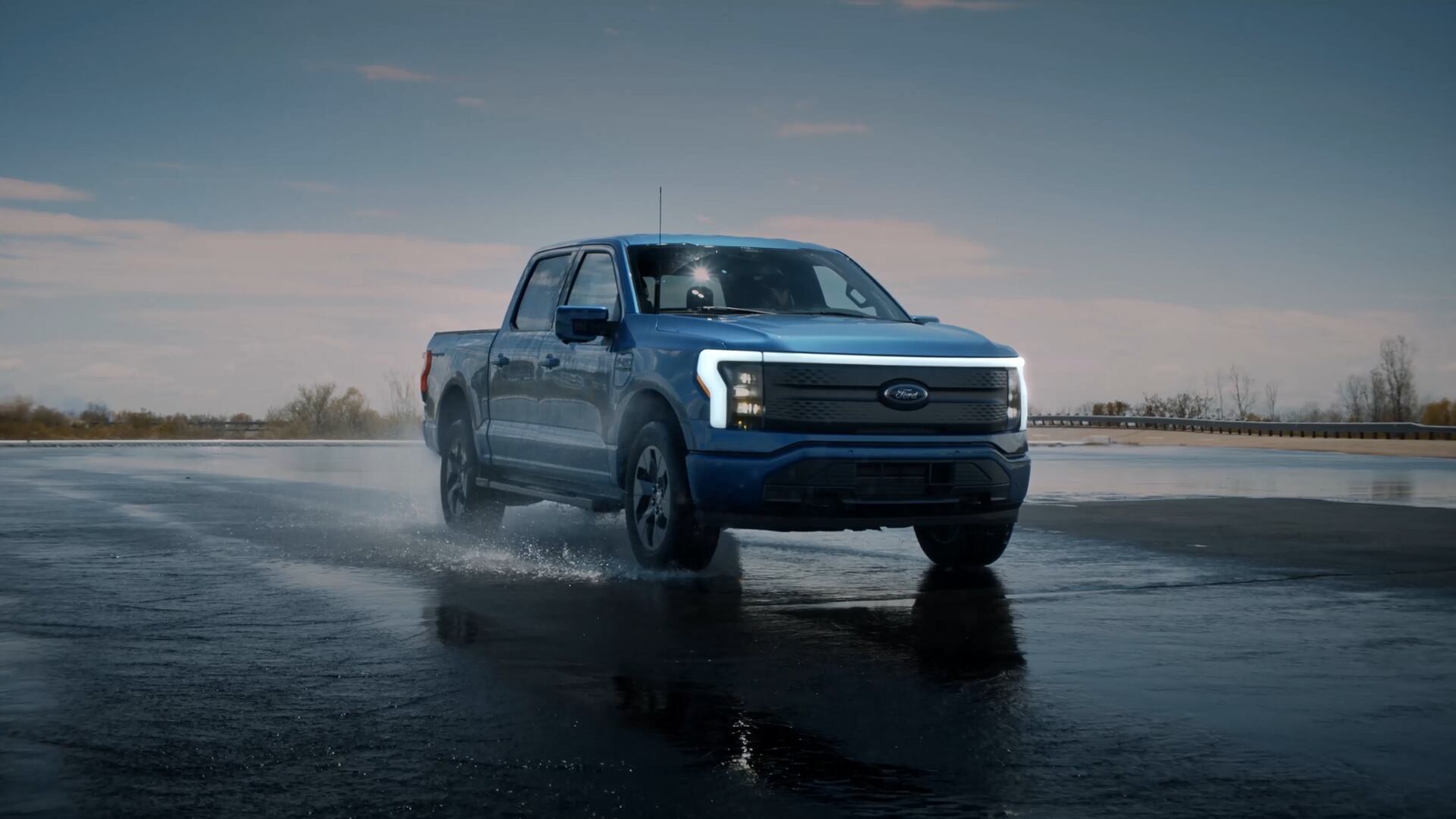
The sticker prices for Ford's F-150 Lightning electric pickup trucks are being lowered by thousands of dollars across the board, the company said Monday, due to increased plant capacity, falling costs for battery raw materials and internal efforts to scale production by the Detroit automaker.
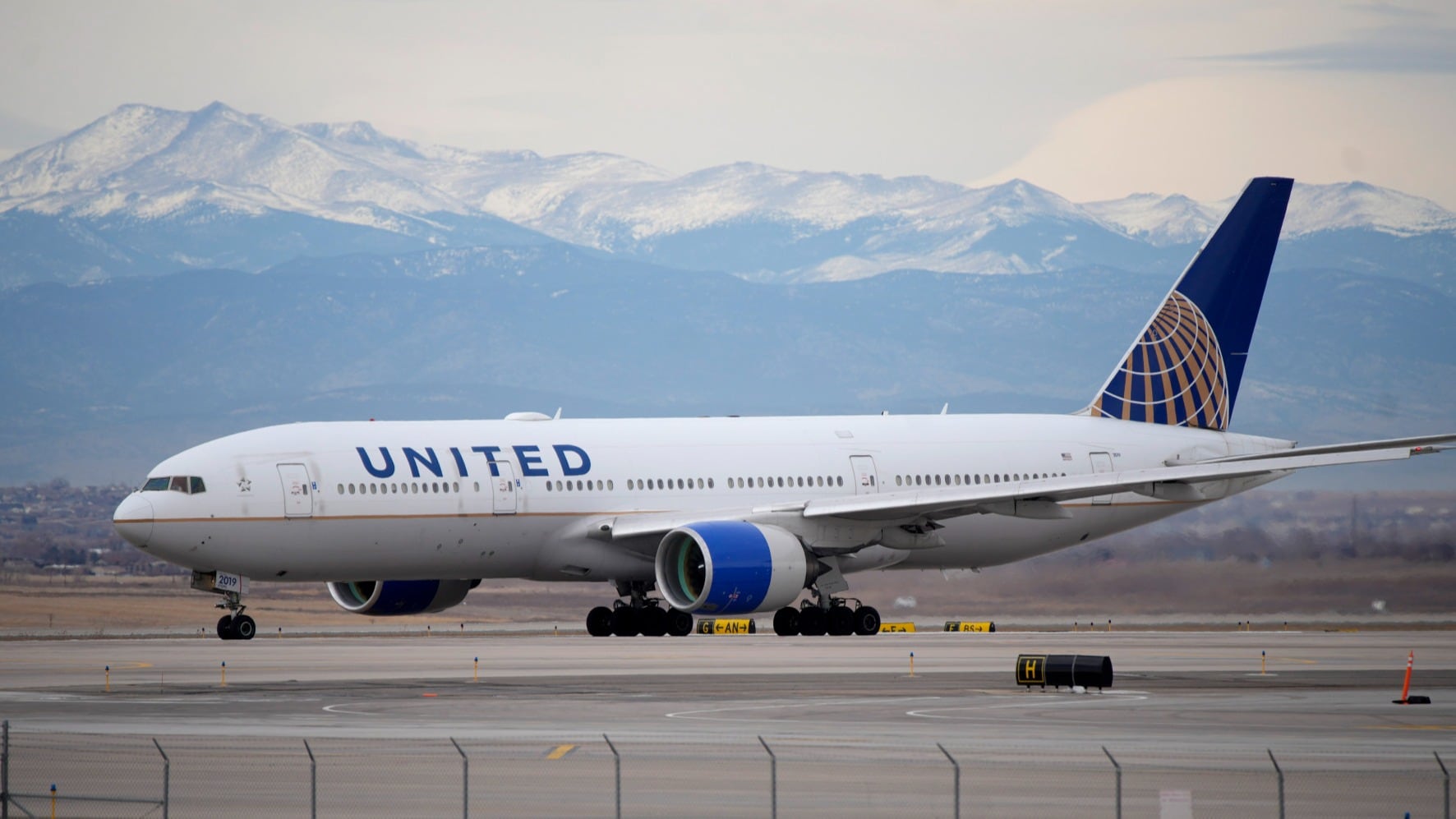
United Airlines and the union representing its pilots said Saturday they reached agreement on a contract that will raise pilot pay by up to 40% over four years.
The court’s ruling applies to higher education institutions and other entities that receive federal funding and doesn’t directly change private employer obligations, but business leaders might pull back diversity, equity and inclusion programs to avoid lawsuits.
The Week's Top Stories is a guided tour through the biggest market stories of the week, from winning stocks to brutal dips to the facts and forecasts generating buzz on Wall Street. Up this week: Meta, Disney & Microsoft-Activision Blizzard.