At the helm of the top media outlets in the nation are all men. The Washington Post's Media Columnist Margaret Sullivan explains the conditions facing women in news, and ways to close the gender gap in newsroom mastheads.
"I think there are more women in powerful positions in media than there ever have been before," says Sullivan. "The problem is at the very, very top of those very powerful news organizations it's pretty rare for a woman to have broken through."
Men wrote 52 percent of bylined news articles and opinion pieces about reproductive issues in the nation’s 12 most widely circulated newspapers and news wires. Meanwhile, women penned 37 percent, according to the 2017 Women's Media Center Report. Men won 84 percent of a century’s worth of Pulitzer Prizes, while women won only 16 percent according to Women's Media Center.
On how the #MeToo movement has impacted newsrooms, Sullivan says, "to say this whole thing gone too far is really misguided." She goes on to say, "I think what's really going to rule the day is that this major reckoning we're having in our society and how extremely important it is and how it was brought about by courageous journalists and courageous women."
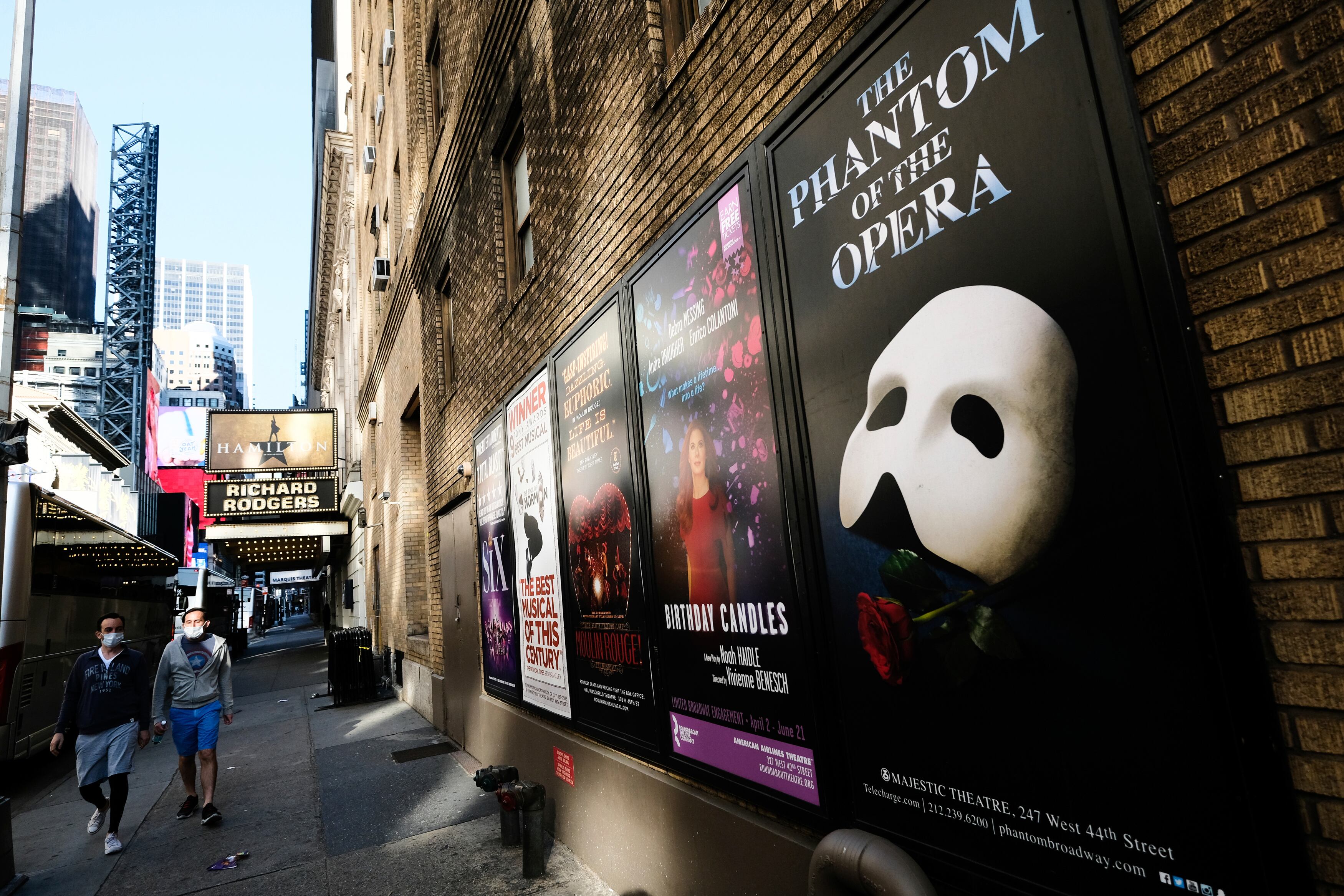
TodayTix rebrands to TomorrowTix to excite fans and workers about the return of Broadway shows.
A growing number of writers, performers, musicians, and podcasters who have turned to fan-direct services such as Patreon, Substack, and OnlyFans to make a living. This trend has only been amplified under quarantine, as media consumption has increased dramatically worldwide.
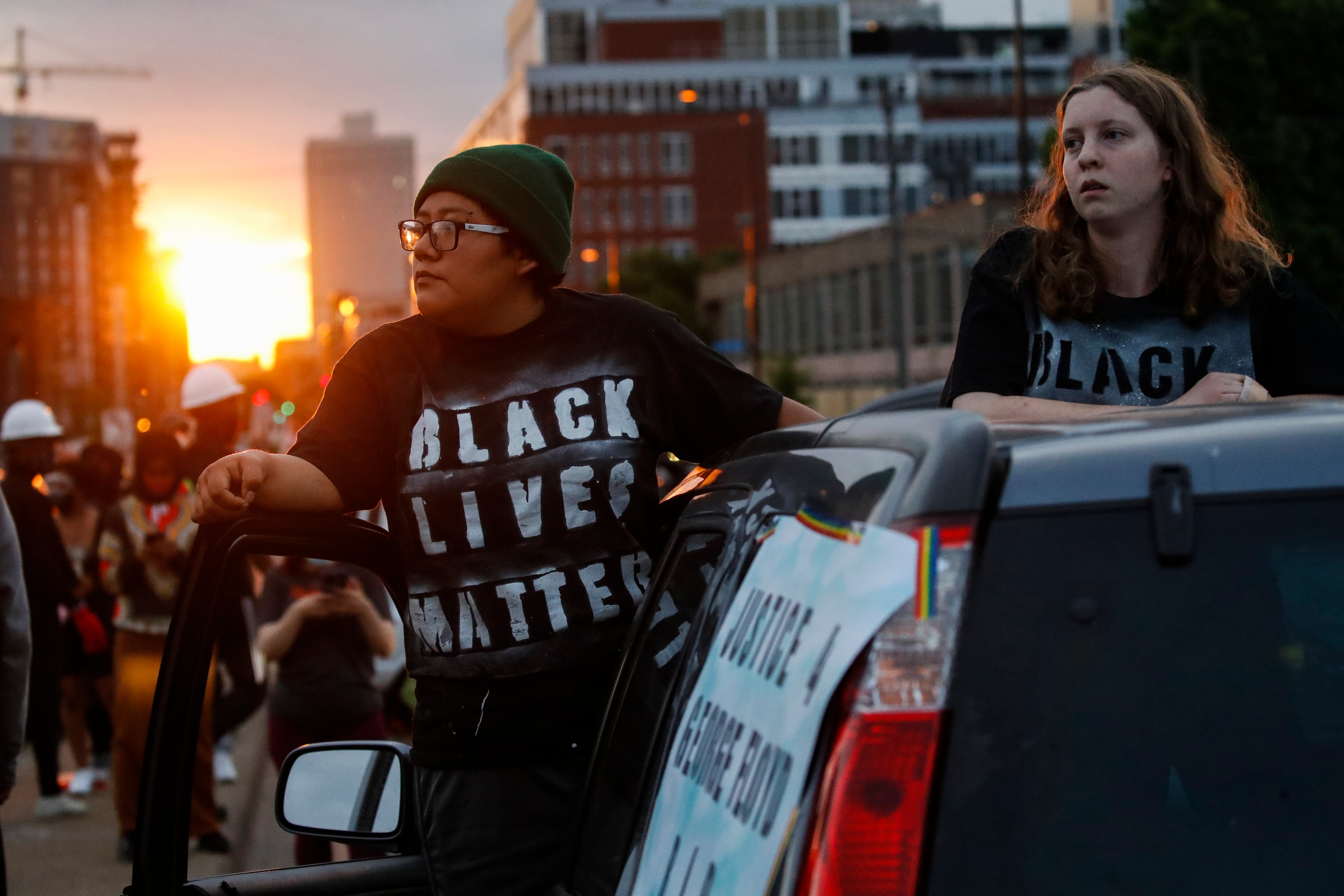
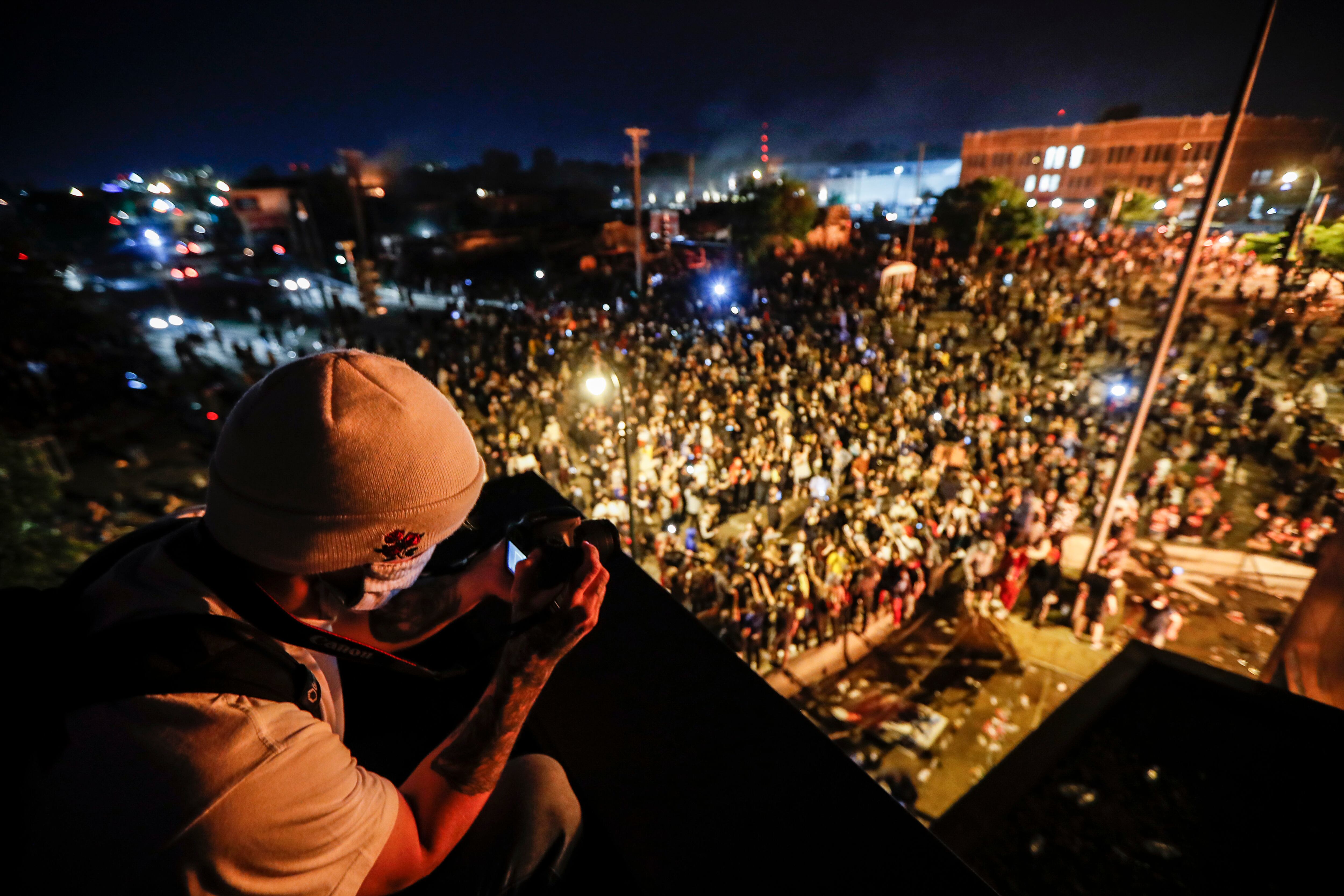
With cities wounded by days of violent unrest, America headed into a new week with neighborhoods in shambles, urban streets on lockdown and shaken confidence about when leaders would find the answers to control the mayhem amid unrelenting raw emotion over police killings of black people.
From Wall Street to Silicon Valley, these are the top stories that moved markets and had investors, business leaders, and entrepreneurs talking this week on Cheddar.
Minnesota authorities say the police officer who knelt on George Floyd has been arrested
Project Soulmate's founder Lori Zaslow sat with Cheddar to discuss rising popularity of online dating apps and the future of virtual dating.
Autotune was a staple in pop hits throughout the 2000s. T-Pain, Nelly, Daft Punk, and almost every major pop artist embraced the technology. But most of these famous tunes were actually using Autotune incorrectly. So who started this trend and how did something so despised become so popular?
Lauren Williams first day at the public relations and marketing agency was March 9. Her severance letter was dated May 8, less than two months later.
WarnerMedia's streaming service, which launched on Wednesday with 10,000 hours of content for $15 a month, now exists in a world no analyst could have predicted.
Cheddar's Michelle Castillo breaks down Pt. Pleasant's reopening plan. Beach-goers will have access to the beach beginning 5/29.