At the helm of the top media outlets in the nation are all men. The Washington Post's Media Columnist Margaret Sullivan explains the conditions facing women in news, and ways to close the gender gap in newsroom mastheads.
"I think there are more women in powerful positions in media than there ever have been before," says Sullivan. "The problem is at the very, very top of those very powerful news organizations it's pretty rare for a woman to have broken through."
Men wrote 52 percent of bylined news articles and opinion pieces about reproductive issues in the nation’s 12 most widely circulated newspapers and news wires. Meanwhile, women penned 37 percent, according to the 2017 Women's Media Center Report. Men won 84 percent of a century’s worth of Pulitzer Prizes, while women won only 16 percent according to Women's Media Center.
On how the #MeToo movement has impacted newsrooms, Sullivan says, "to say this whole thing gone too far is really misguided." She goes on to say, "I think what's really going to rule the day is that this major reckoning we're having in our society and how extremely important it is and how it was brought about by courageous journalists and courageous women."
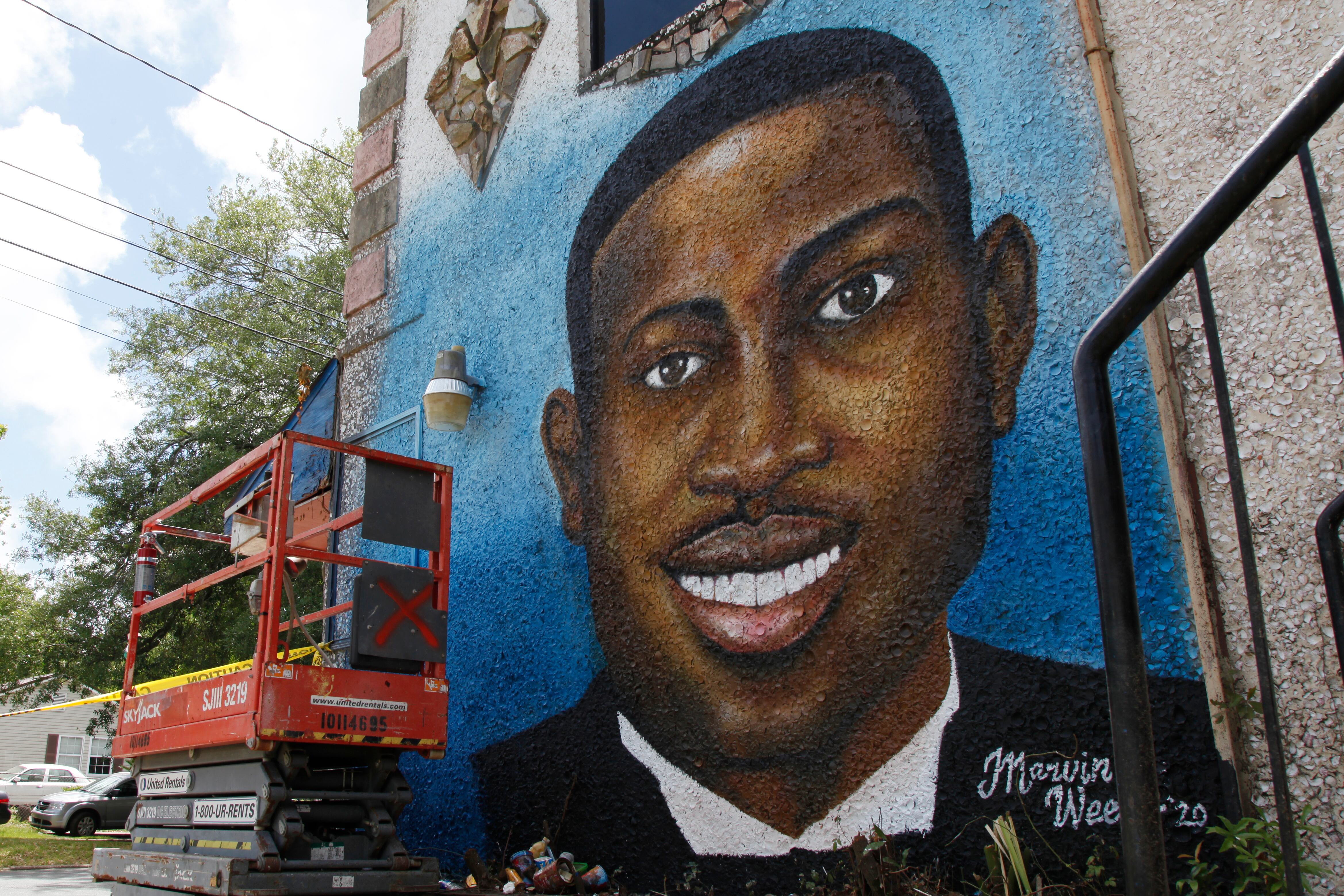
A prosecutor has announced that three men have been indicted on murder charges in the killing of a Black man in coastal Georgia, Ahmaud Arbery.
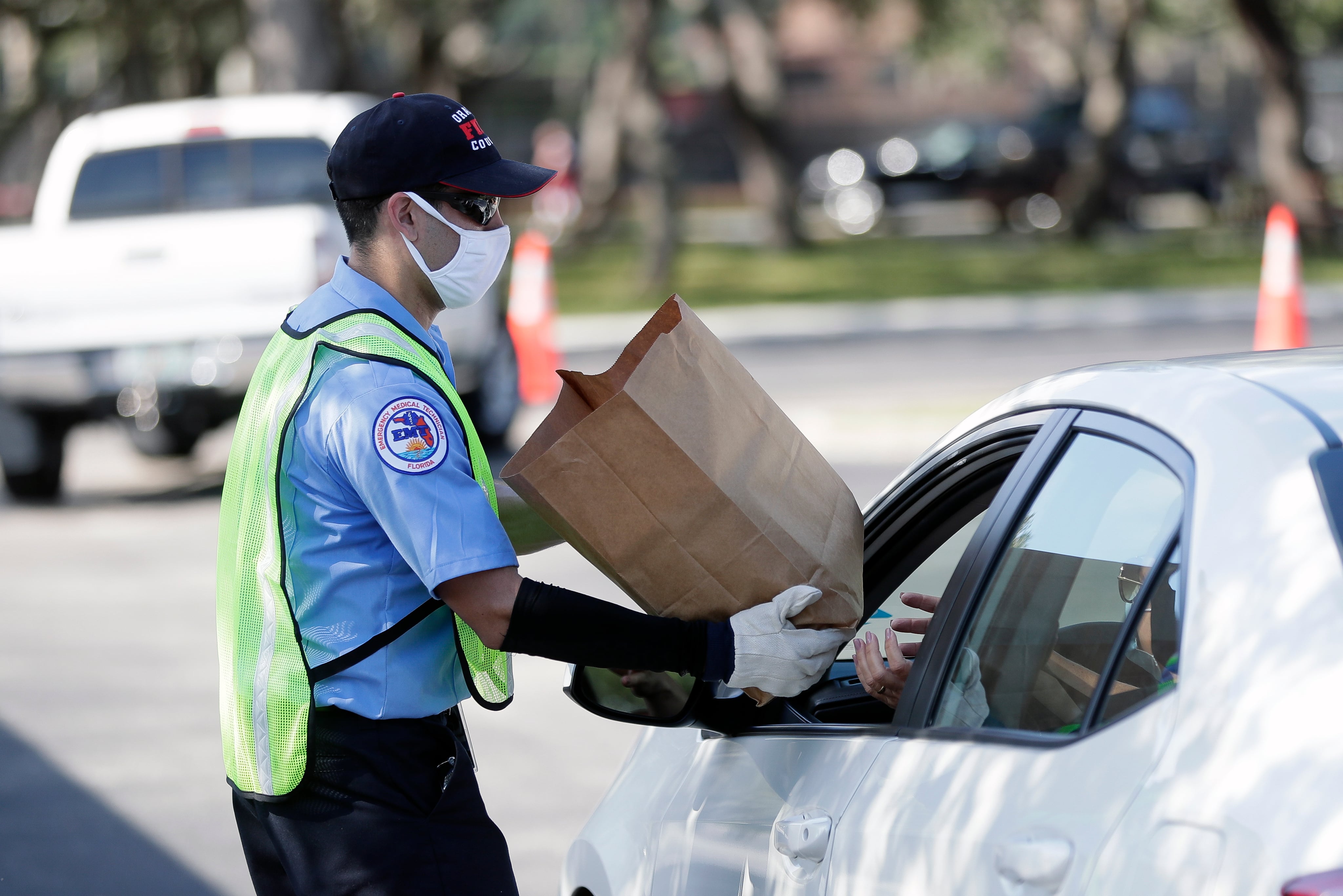
Coronavirus hospitalizations and caseloads have hit new highs in over a half-dozen U.S. states as signs of the virus' resurgence grow.
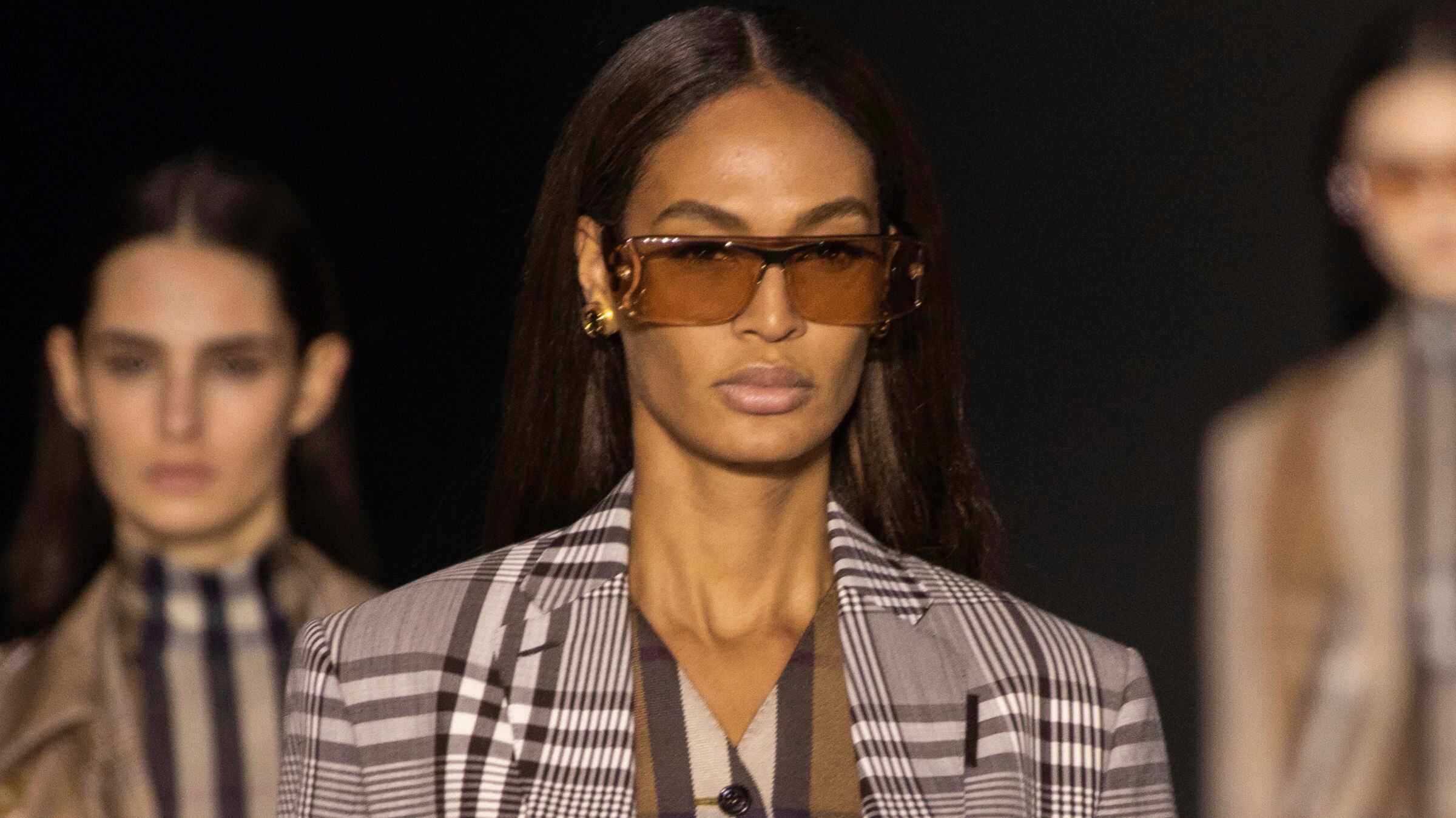
Super model Joan Smalls talks 'Donate My Wage' initiative as the fashion industry comes under fire for reported racial discrimination. Smalls also details her personal experiences with discrimination in the industry.
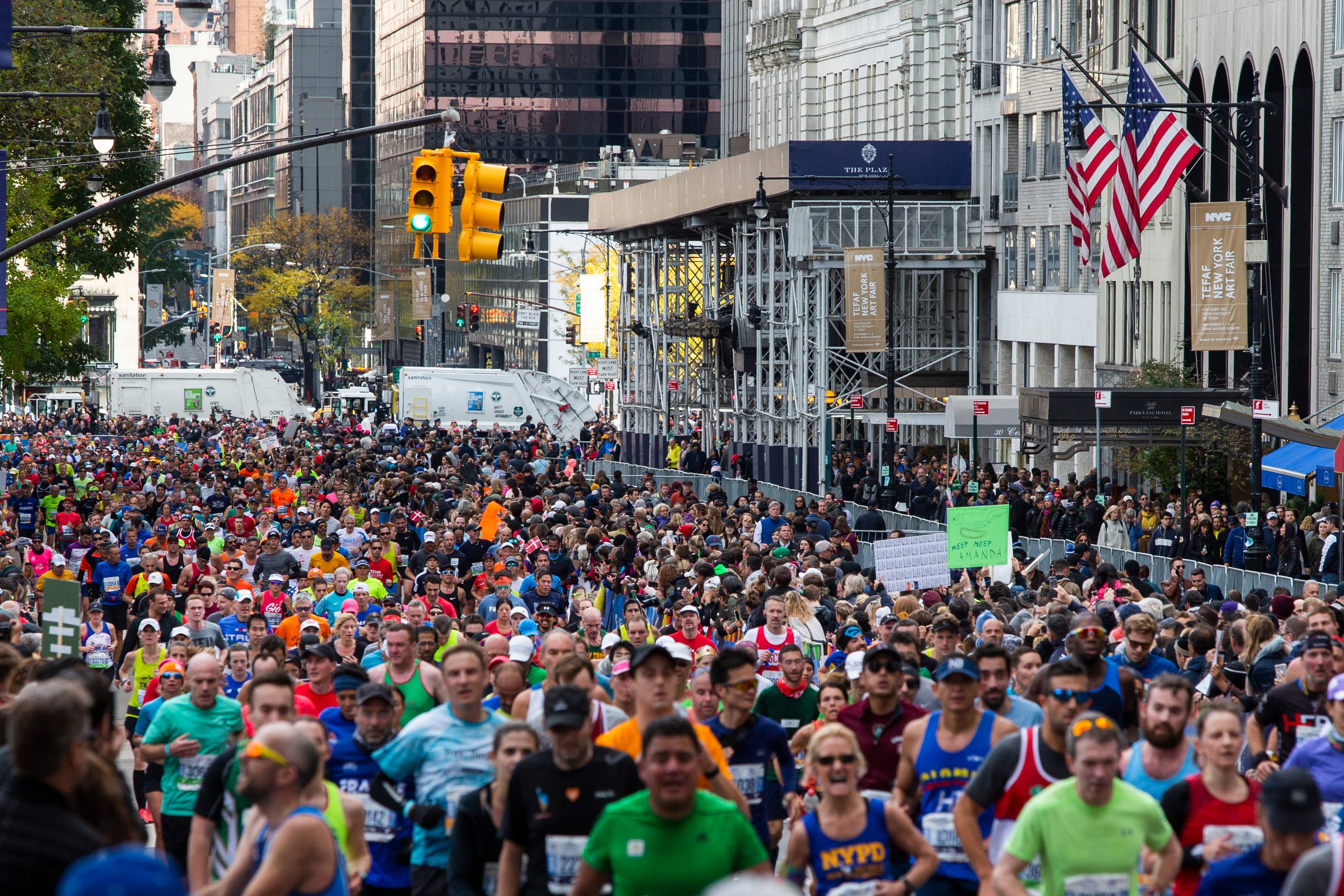
The New York City Marathon scheduled for Nov. 1 has been canceled because of the coronavirus pandemic.
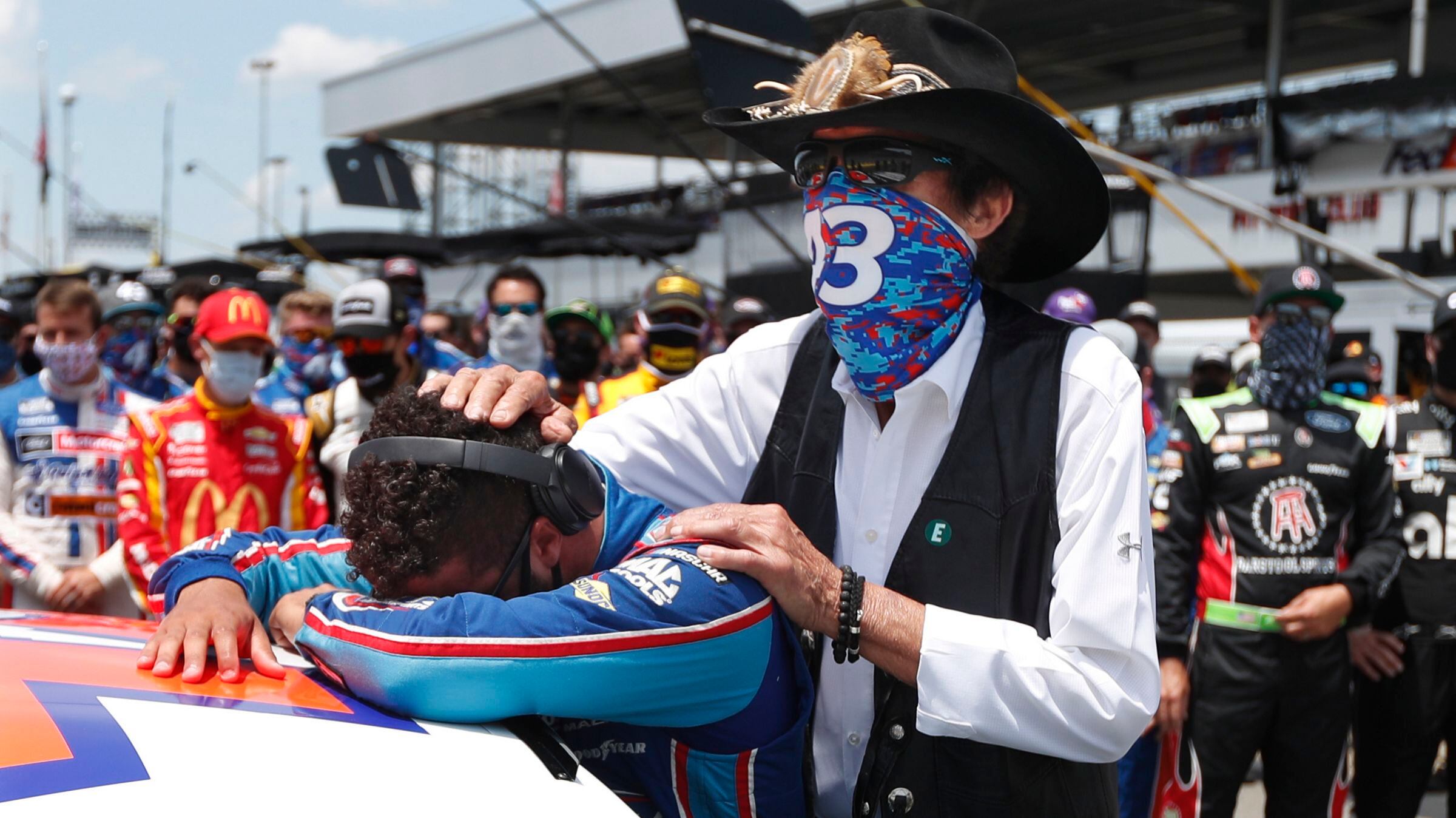
Dr. Fauci says he's optimistic on the vaccine front...less so on everything else, as the EU moves to ban Americans from Europe. What we know and don't know after Tuesday's primaries, plus updates on the baseball season, Bubba Wallace and Novak Djokovic.
The noose found hanging in Bubba Wallace’s garage stall at Talladega Superspeedway had been there since at least last October.
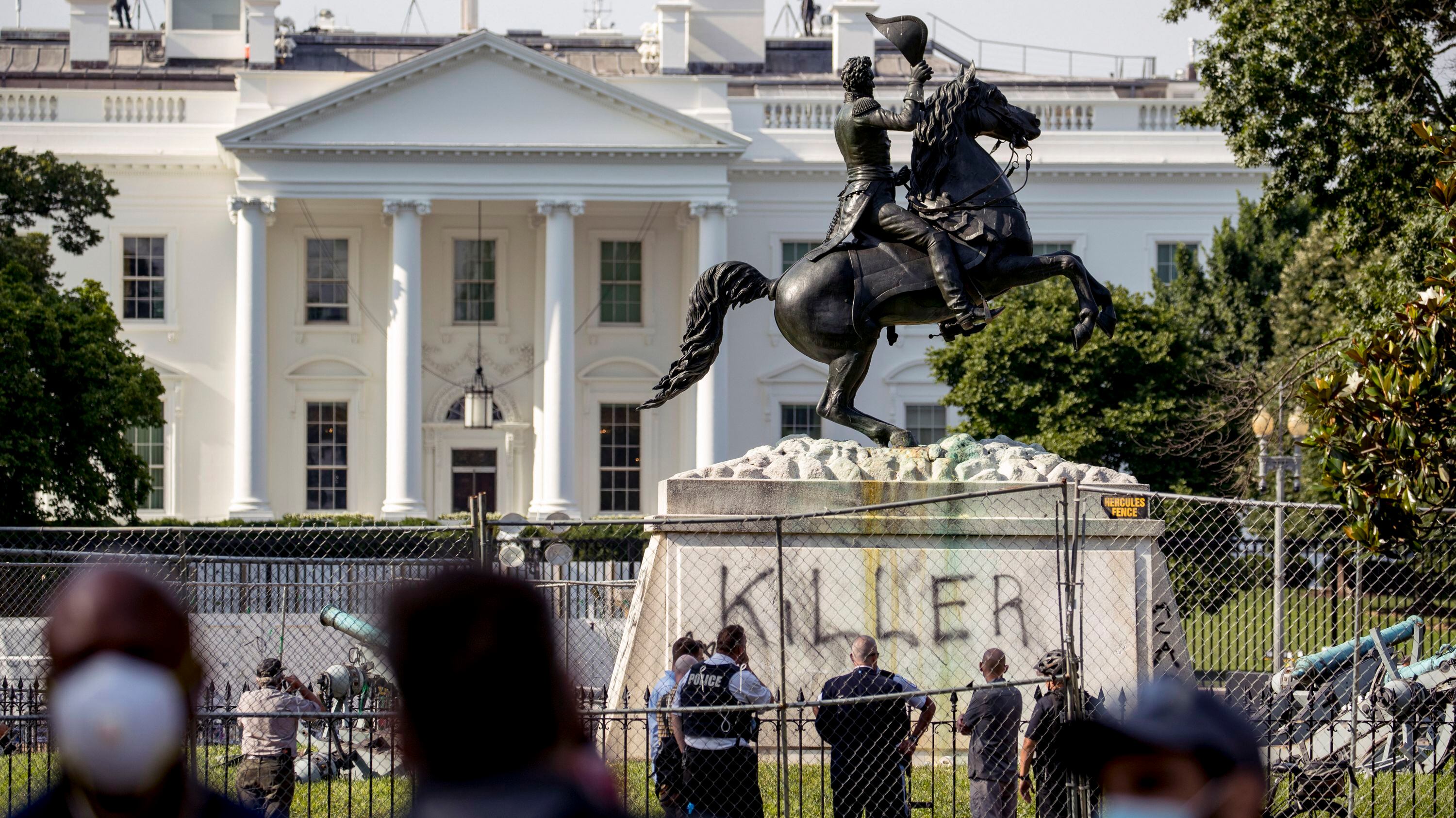
President Trump took to Twitter to threaten lengthy prison sentences for anyone caught vandalizing federal monuments.
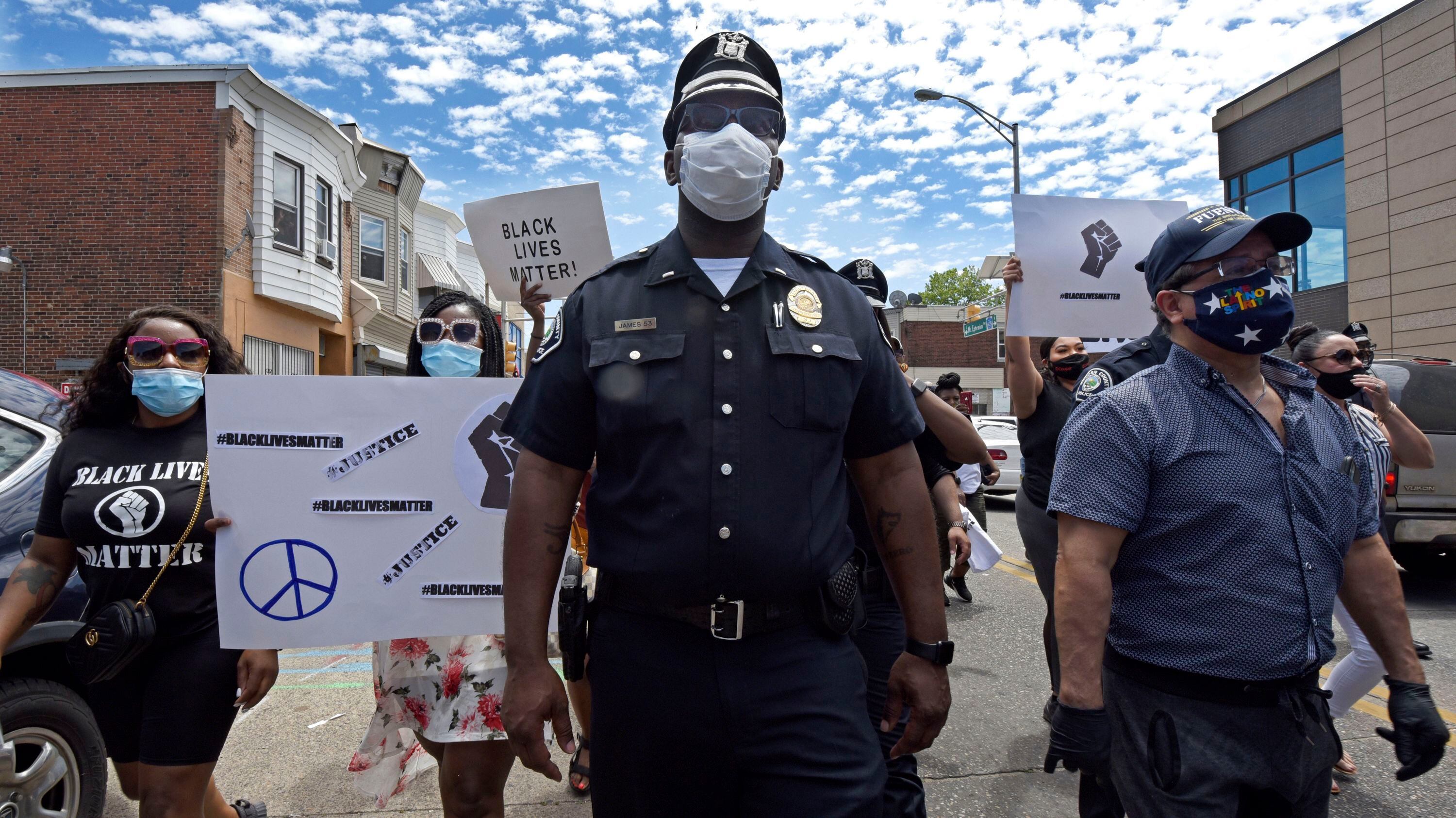
Camden, N.J., which disbanded and instituted a county-wide police force in 2013, has become an example for some reform activists in the wake of the George Floyd protests, but locals have a complicated view of what happened in the South Jersey city over the last seven years.
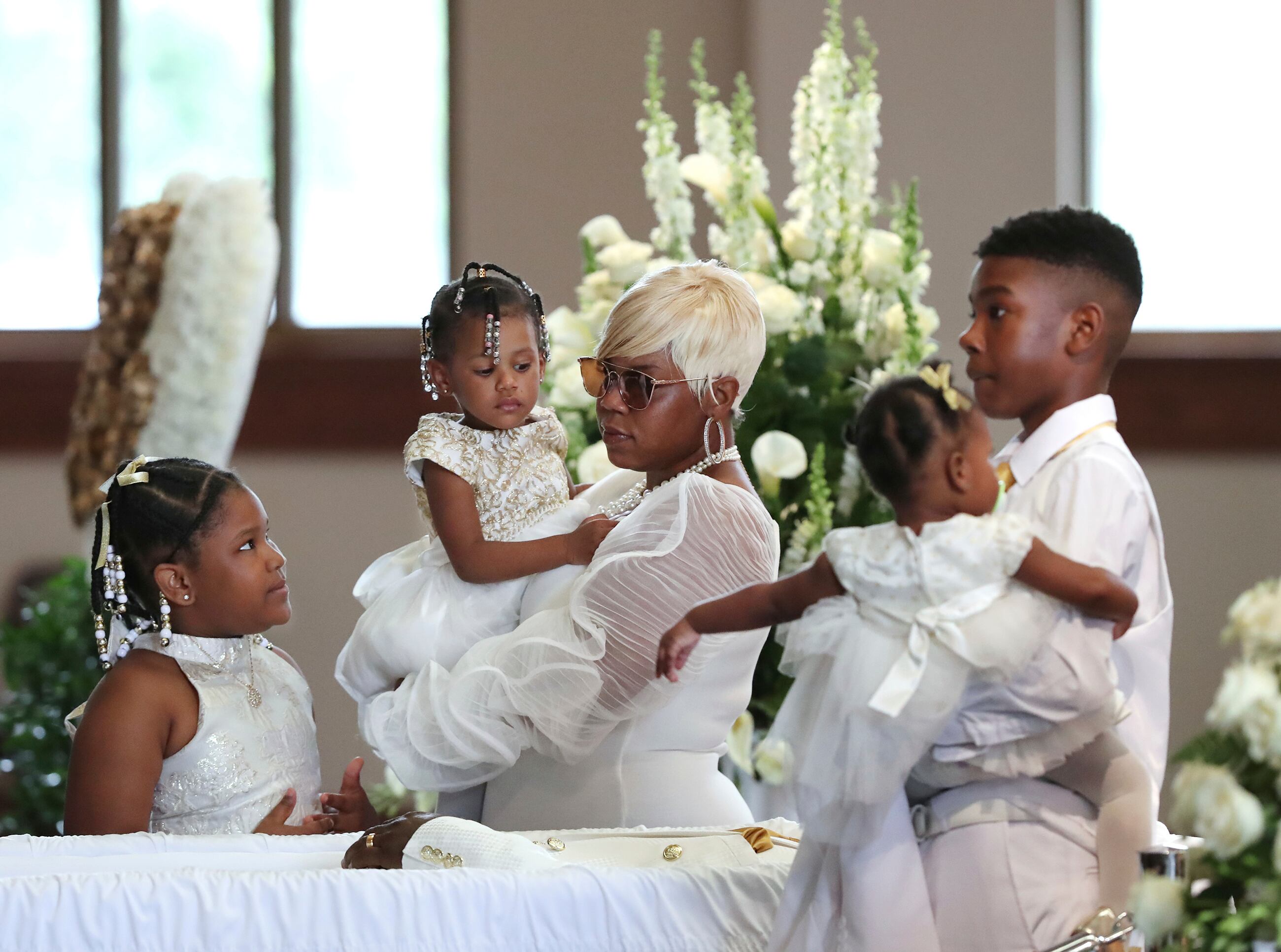
Rayshard Brooks is being remembered at the Atlanta church where the Rev. Martin Luther King Jr. once preached.
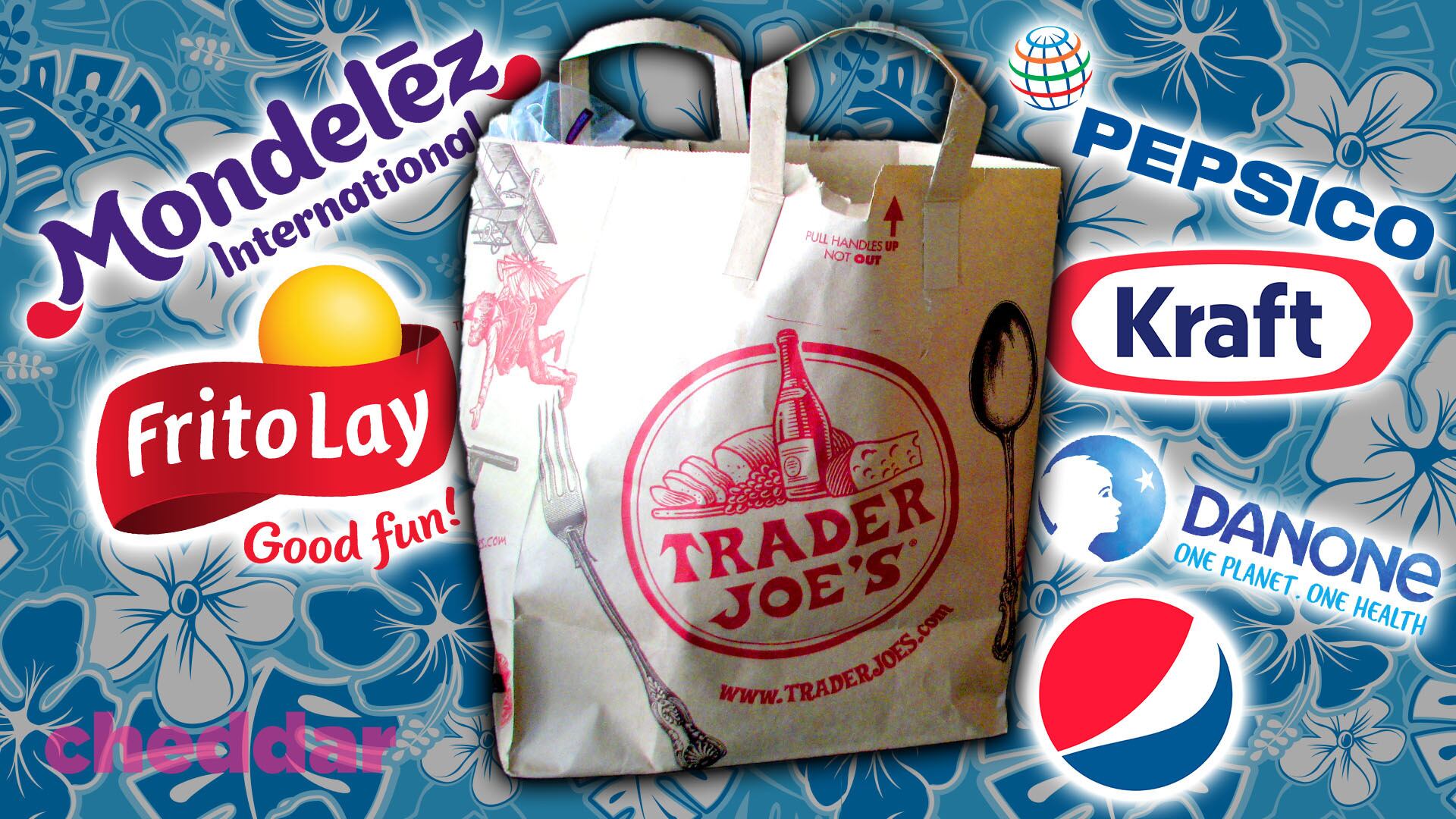
We all love Trader Joe’s. Their fun culture, healthy vibe, and cheap private label have all helped fuel prolific growth over the past two decades. But have you ever stopped to wonder who supplies that private label? In some cases, it’s the same big brands and massive companies that you would see in any standard grocery store.