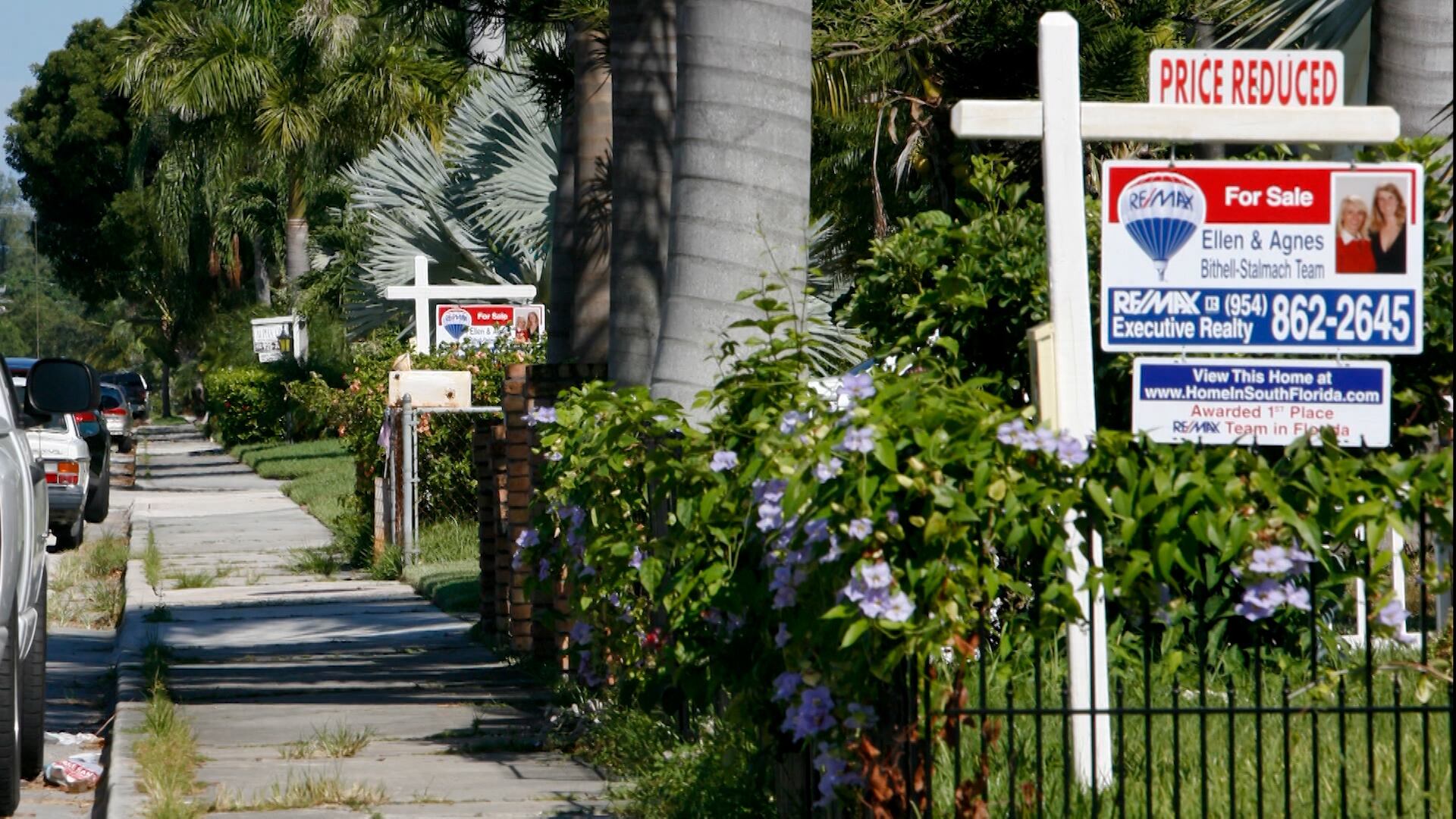
The housing market is feeling the squeeze from higher interest rates.
The average 30-year fixed mortgage rate jumped 23 basis points from last week to 6.62 percent, the highest rate since November 2022, according to the Mortgage Bankers Association (MBA). This is leading to a drop-off in mortgage applications at a time when home buying is usually picking up.
"The jump led to the purchase applications index decreasing 18 percent to its lowest level since 1995,” according to Joel Kan, MBA vice president and deputy chief economist. “This time of the year is typically when purchase activity ramps up, but over the past two weeks, rates have increased significantly as financial markets digest data on inflation cooling at a slower pace than expected."
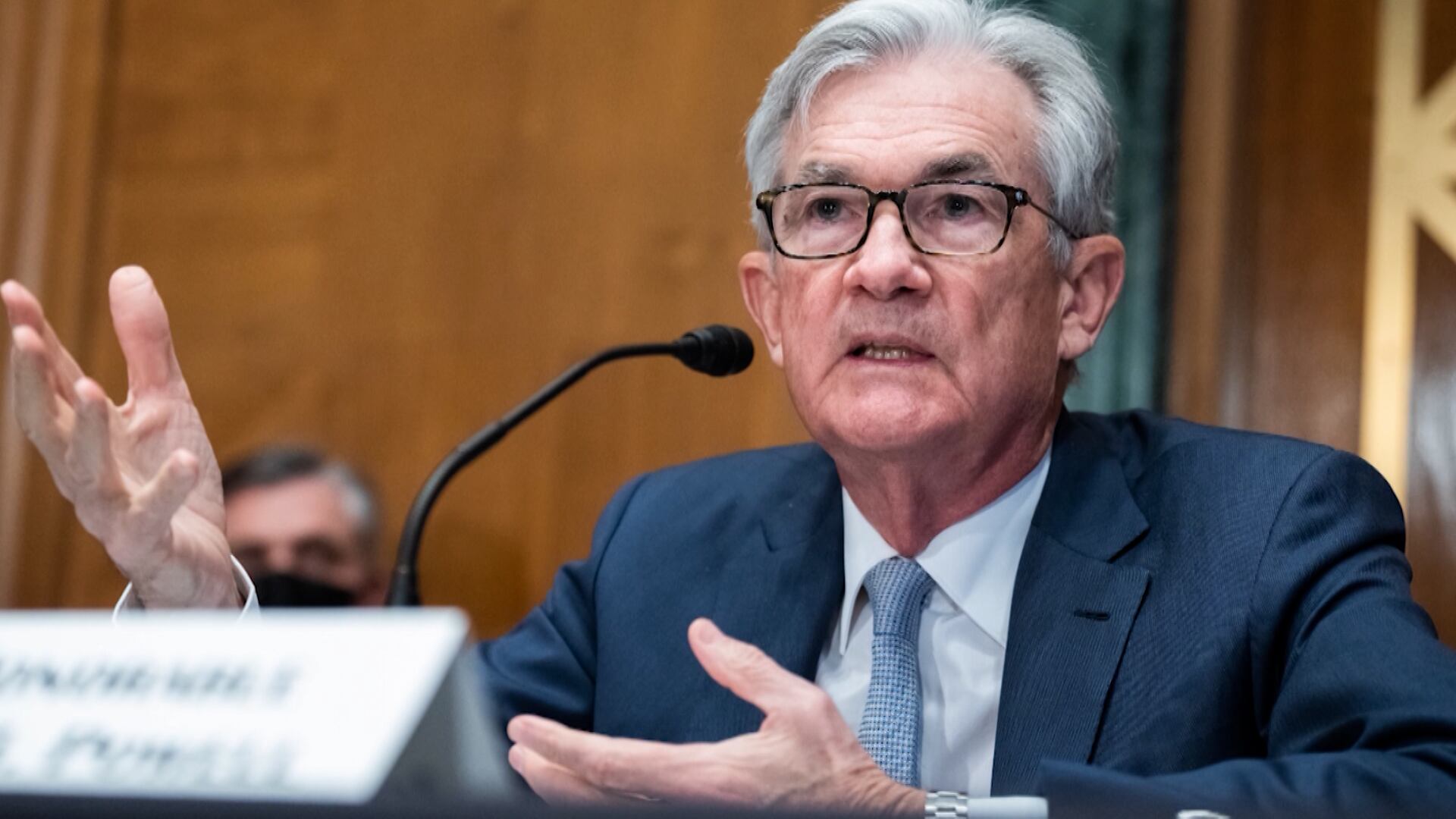
Mortgage rates rose rapidly in 2022 as the Federal Reserve increased its benchmark interest rate with the goal of bringing down inflation across the economy, including the overheated housing market. On that front, the economy has made some progress.
The National Association of Realtors on Tuesday reported that the median existing home price ticked up 1.3 percent in January from the year before, which is the smallest gain since 2012. The slowing inflation tracked with a 0.7 percent drop in existing home sales, which is the biggest drop since 2010.
“Home sales are bottoming out,” said NAR Chief Economist Lawrence Yun in a press release. “Prices vary depending on a market’s affordability, with lower-priced regions witnessing modest growth and more expensive regions experiencing declines.”
There was some moderation in mortgage rates in recent months, as the market anticipated the Fed easing up on rate hikes. However, a slew of recent data reports showing a surprisingly strong U.S. economy have tempered hopes of fewer rate hikes.
The whole point of raising rates, according to Fed officials, is to bring down inflation. For now, though, the combination of higher rates and still historically high prices is pushing many homebuyers out of the market.
"The increase in mortgage rates has put many homebuyers back on the sidelines once again, especially first-time homebuyers who are most sensitive to affordability challenges and the impact of higher rates," said Kan.
U.S. stocks closed Thursday at their lowest levels of the trading day, as investors continue to eye inflation ahead of the May CPI report out Friday. Art Hogan, Chief Market Strategist for National Holdings, joins Cheddar News' Closing Bell to discuss.
Creating a brand is one of the most important steps in building a business. It can help set you apart from the competition and tells customers what your values are, but many companies don't know how to brand themselves effectively. Tiana Von Johnson, CEO & Chief Brand Strategist of TVJ World, gives expert tips on the do’s and don’ts of branding.
Housing affordability has collapsed to its lowest level on record over the last year. According to the national association of realtors, affordability has dropped by 29%, thanks to surging home prices and mortgage rates. Odeta Kushi, Deputy Chief Economist of First American, breaks down the housing market, and when buyers can expect prices to finally drop.
U.S. markets opened sharply lower on Friday on hotter-than-expected inflation data. The May CPI showed an 8.6% jump in consumer prices year-over-year, higher the expected 8.3%. Mark Howard, Senior Multi-Asset Specialist at BNP Paribas joined Cheddar's Opening Bell to discuss.
U.S. stocks closed Friday at session lows after May CPI data showed inflation in the U.S. has not peaked and is still rising rapidly. For the week, the S&P fell 5.06%, the Dow lost 4.58%, and the Nasdaq dropped 5.60%, marking the worst week since January for all three major indexes. Mike Zigmont, Head of Trading and Research at Harvest Volatility Management, joins Cheddar News' Closing Bell to discuss.
Residents often have to wait on federal assistance after a disaster, but one group has a solution: hiring community members to help clean up and improve their neighborhoods. Resilience Force tackles two problems at once by creating jobs in response to growing climate-related disasters. LaTanja Silvester, director of New Orleans programming for Resilience Force, joins Closing Bell to discuss how the organization creates jobs in communities that need help and higher employment, the importance of creating a "green" workforce, and more.
Benefits brokerage, Nava Benefits, raised $40 million in a Series B round. Nava says it's on a mission to fix healthcare, one benefits plan at a time. The startup is working to bring benefits to small business that are normally available to only Fortune 500 companies. Brandon Weber, Co-Founder and CEO of Nava Benefits, joined Cheddar News' Closing Bell to discuss.
Yung Lim, CEO and Fixed Income Strategist at FolioBeyond, joined Closing Bell to discuss the May CPI report, as inflation is still red-hot going into a key decision from the Federal Reserve about interest rates.