Burdened by over five months of civil unrest, Hong Kong has fallen into a recession, the city's financial secretary said Sunday.
"The economy has entered a technical recession, and the negative growth rate has significantly expanded," Secretary Paul Chan wrote in a blog post. "The blow to our economy is comprehensive."
Chan added that official quarterly GDP figures would be released Thursday, but that preliminary analysis shows consecutive economic contractions. It will be "extremely difficult," he wrote, for Hong Kong to reach its previously forecasted growth rate.
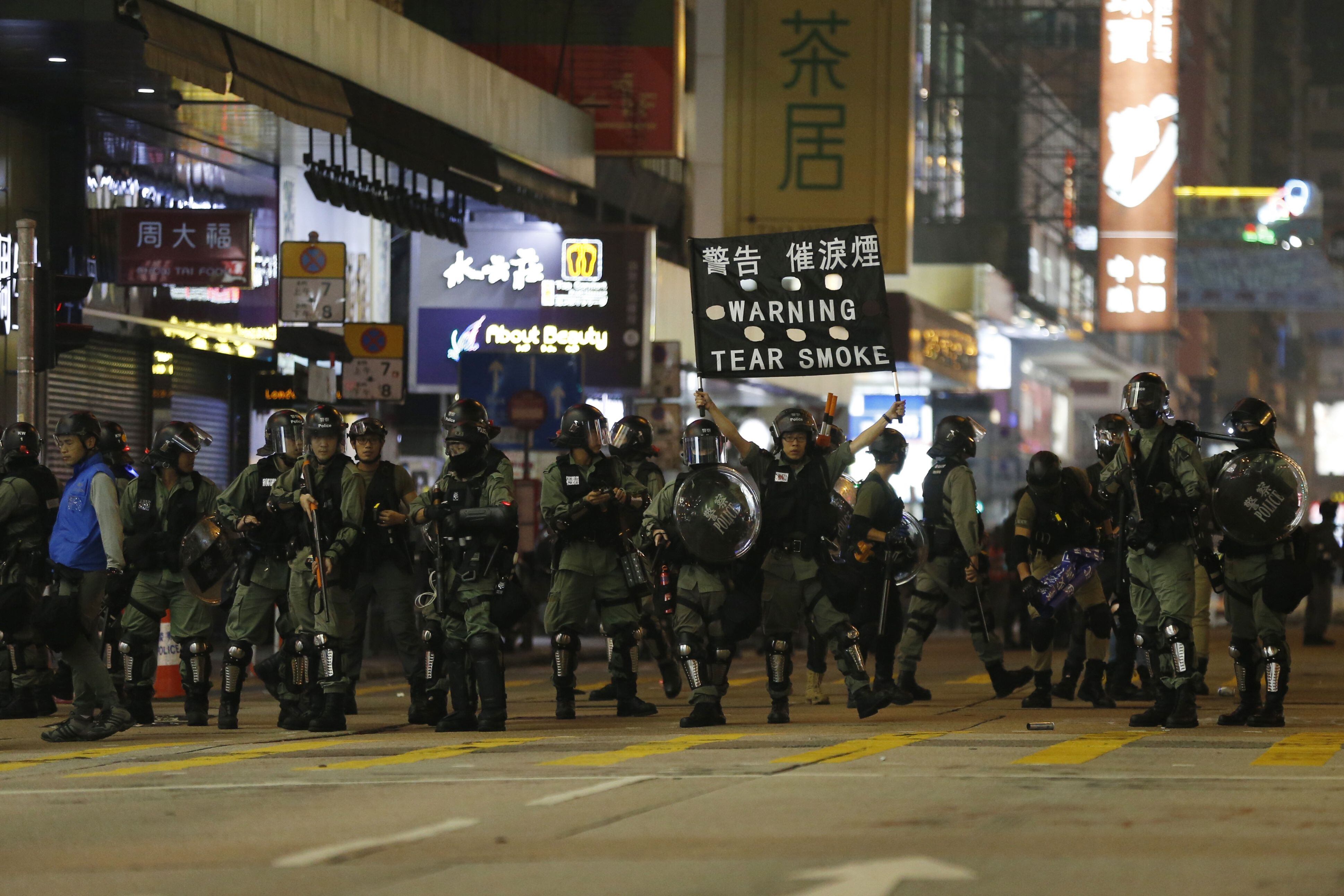
The bleak report coincided with chaotic demonstrations over the weekend that saw shops set ablaze and petrol bombs thrown at police, who responded heavily with water cannons and tear gas. In a statement Monday, police said that protesters overstepped the "bottom line of any civilized society." Unrest in Hong Kong, which first broke in June in opposition to a proposed extradition bill, has escalated significantly in recent months as residents continue to protest China's growing influence over the city and call for more democratic rights.
Chan on Sunday called on demonstrators to keep order and allow industry and commerce to operate freely. "Our society and the economy need to take a breather and need to get back on the road," he wrote.
<i>Police and protesters in Hong Kong on Sunday. Photo Credit: JEROME FAVRE/EPA-EFE/Shutterstock</i>
As a Chinese special administrative region since 1997, Hong Kong has enjoyed relative autonomy from Beijing in recent decades and has grown into one of the world's most significant financial and commercial hubs. In 2018, Hong Kong was home to the highest number of ultrawealthy ($30 million or more net worth) residents of any city in the world, according to Wealth-X's annual report. New York surpassed Hong Kong just slightly in 2019.
Earlier this month, Hong Kong's richest resident, Li Ka-shing, donated 1 billion Hong Kong dollars ($128 million) to support local business affected by the city's "unprecedented challenges."
"I hope that HK$1 billion donation will spark more support for the embattled [Small and Medium Enterprises]," Li said in a statement. "All suggestions are welcome and let's work together during these difficult times."
The Hong Kong government has also implemented a series of measures to help alleviate financial pains. Secretary Chan announced earlier this month a 19 billion Hong Kong dollar ($2.4 billion) relief package, which included significant rent reductions.
In announcing the recession Sunday, Chan cited plummeting tourism and retail sales figures. The number of visitors to Hong Kong fell by 37 percent in August and September, and by 50 percent in the first half of October. Tourism's decline constitutes an "emergency," Chan wrote. The decline of retail sales volume fell by 13.1 percent in July to 25.3 percent in August.
"We will continue to closely monitor the external economic situation and the political and economic situation in Hong Kong and try our best to further study the relief measures," Chan added in his Sunday blog post.
Investors, however, seem to be sticking with Hong Kong. The Hong Kong Stock Exchange's Hang Seng Index remains up more than 4 percent year-to-date.
The video game industry has seen monumental growth the past few years - with an increasing amount of companies jumping head first into the space. In January alone, Microsoft announced its plan to acquire Activision Blizzard, game publisher Take-Two agreed to buy Zynga, and most recently, Sony announced it has agreed to buy game developer Bungie for $3.6 billion. Tobias Batton, CEO and founder of Ex Populus, joined Cheddar Movers to discuss the surge in M&A activity in the gaming space.
Facebook parent Meta reported disappointing results in its first quarterly earnings report since rebranding to focus on the metaverse. The tech giant delivered mixed results with quarterly profit falling well below Wall Street expectations. Shares plunged more than 20 percent in after hours trading as a result. Martin Garner, COO of CCS Insight, joined Cheddar Movers to break down the company's results.
Karyn Cavanaugh, Chief Investment Officer at Carolinas Wealth Management, breaks down which industries investors should watch this earnings season and highlights which sectors have upside potential.
Super Group, the company behind leading global online sports betting and gaming businesses Betway and Spin, has landed on Wall Street. The company went public via SPAC with Sports Entertainment Acquisition Corp., and now lists on the NYSE under the ticker symbol 'SGHC.' This debut comes as the U.S. sports betting market continues to heat up with more and more states legalizing the practice. Eric Grubman, chairman of Super Group, joined Cheddar to discuss.
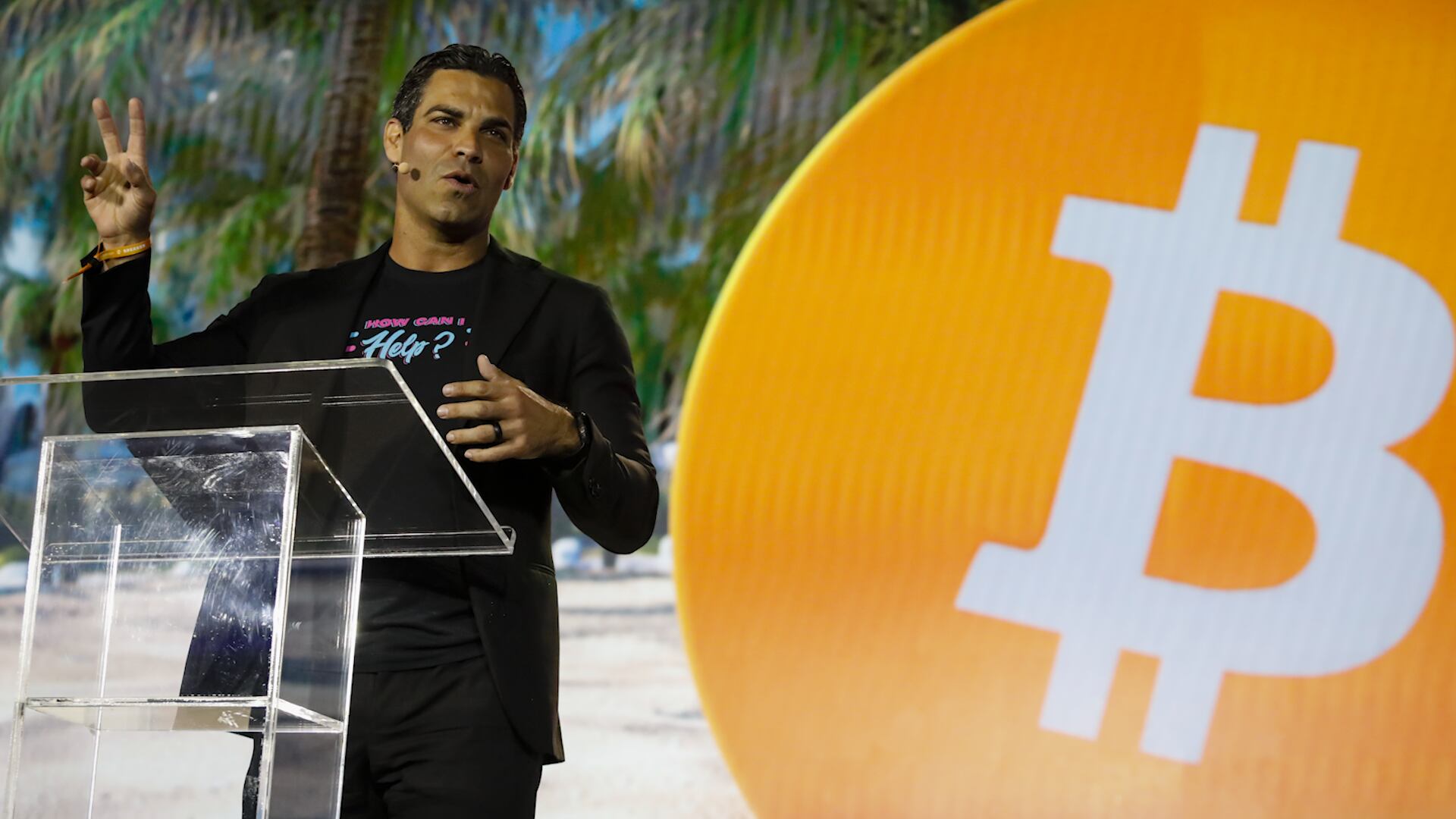
Miami wants to be the crypto capital of the world. Mayor Francis Suarez has gone all in on the blockchain, even accepting one of his first paychecks in Bitcoin, hosting one of the world's largest digital cryptocurrency conferences, and marketing Miami as a great place for tech experts to work. Maja Vujinovic, managing director of OGroupLLC, joined Cheddar's Fast Forward to discuss Miami's enthusiasm toward crypto, some of the potential risks that entails, and where the city might be heading when it comes to the crypto takeover.
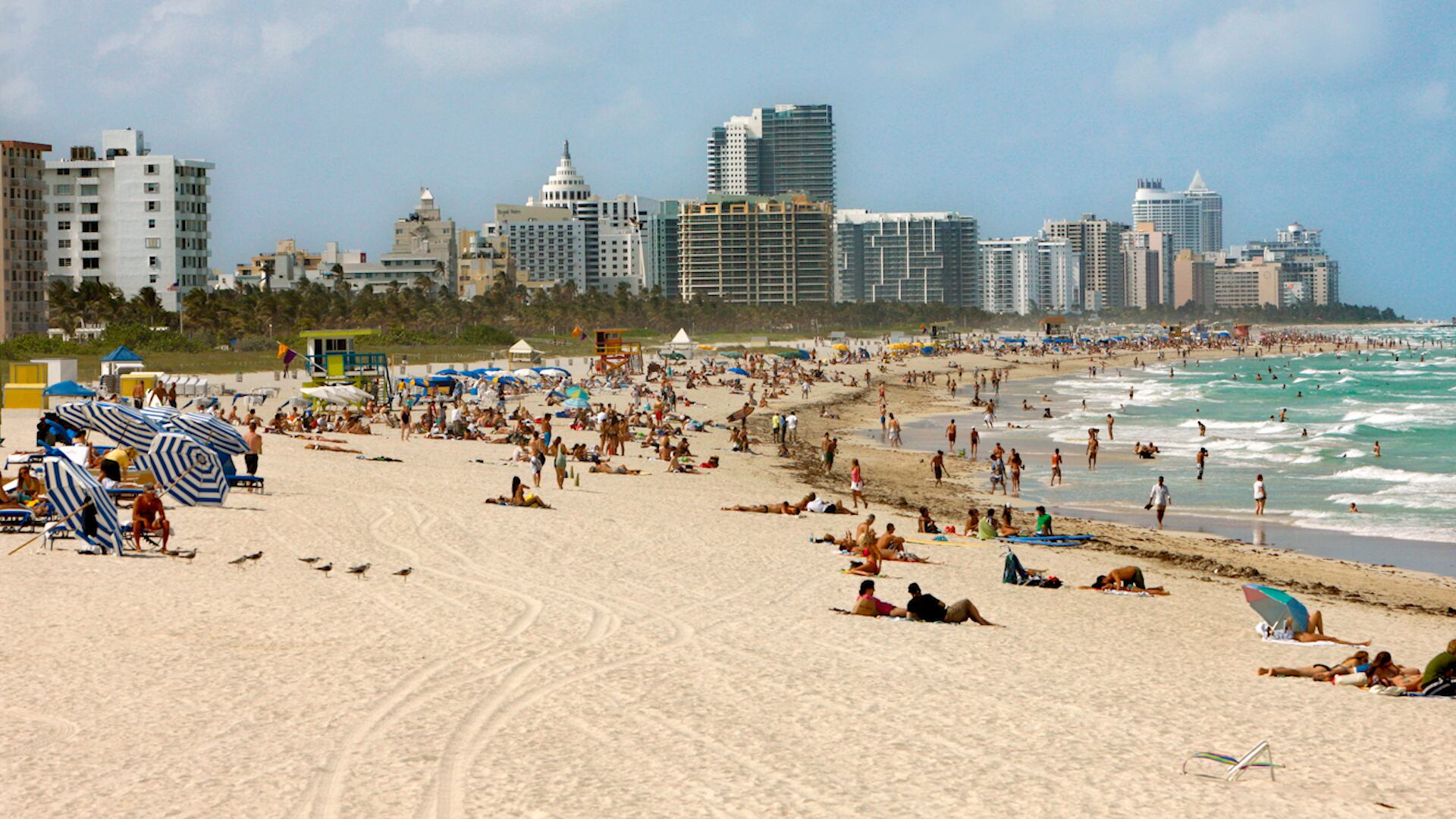
Like so many other cities, Miami experienced a tourism boom over the summer after vaccines were distributed. But, the Omicron variant has thrown the travel industry for a loop. David Whitaker, president and CEO of the Greater Miami Convention and Visitors Bureau, joined Cheddar to discuss the city as a tourist destination, and how it has handled headwinds from the pandemic.
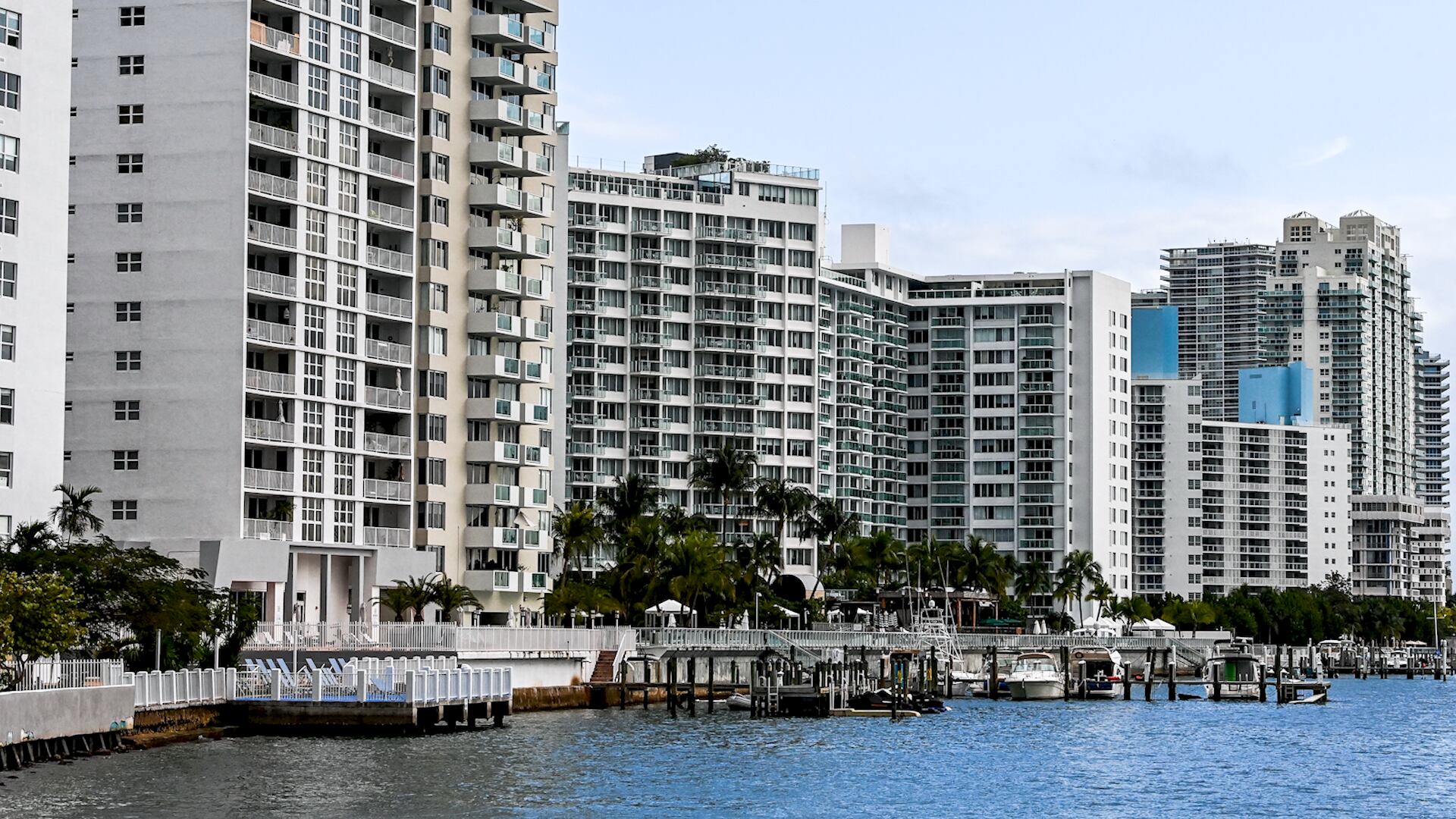
Miami's real estate market has boomed since early 2020, thanks to an overall strong housing market, remote work, and no income tax as incentives. The city is preparing to welcome even more residents as people relocate to warmer climates to work from home. Garrett Derderian, director of market intelligence at SERHANT, joined Cheddar to discuss the Magic City's red hot market.
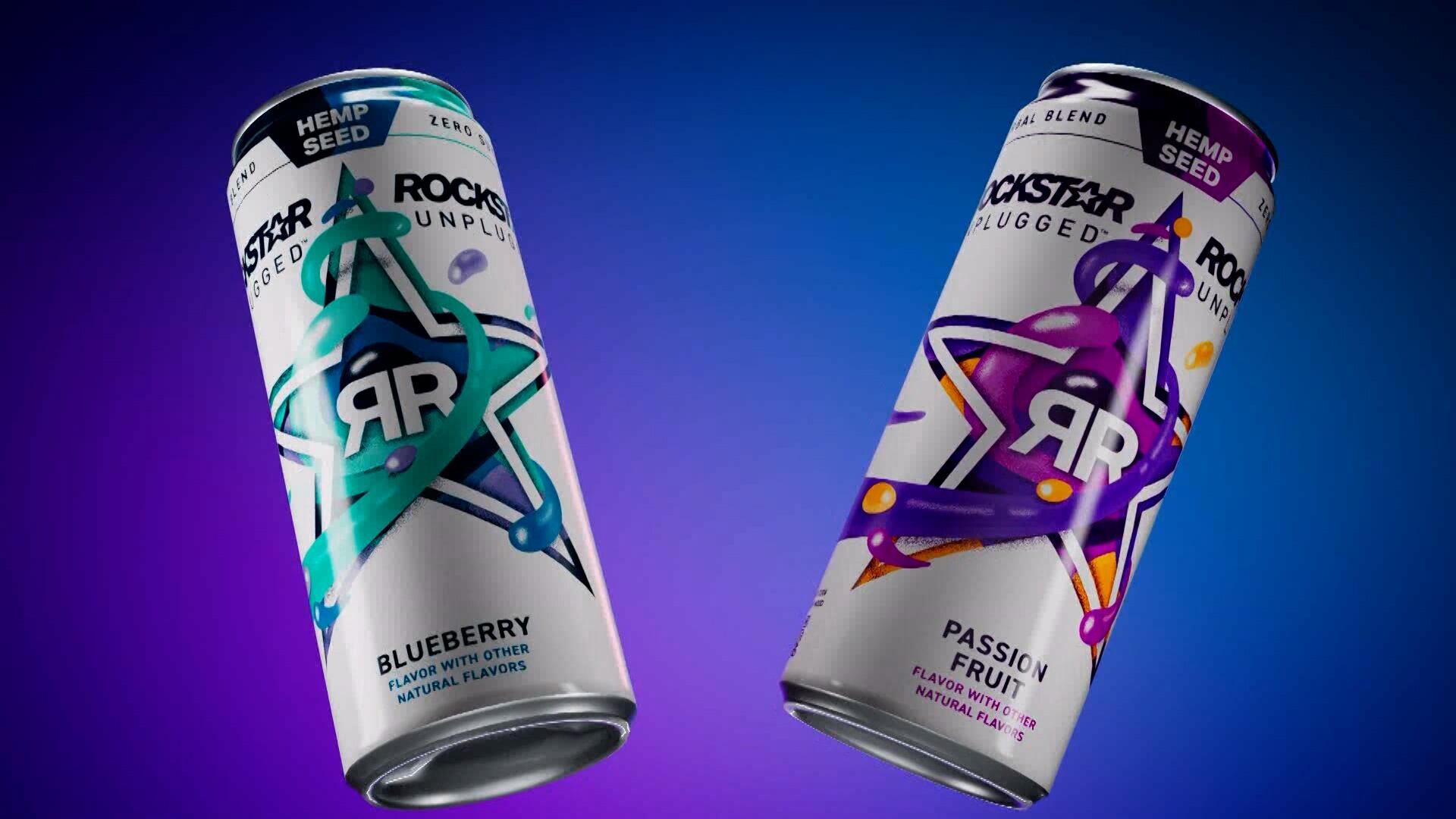
Rockstar Energy, a subsidiary of Pepsico, unveiled its new beverage brand, Rockstar Unplugged, changing up the energy drink formula with hemp seed oil as an ingredient. PepsiCo Energy CMO Fabiola Torres joined Cheddar News to talk about how the product promotes “good vibes” and allows consumers to unwind and discuss partnering with "MTV Unplugged" for a concert series. "We couldn't find a better partnership that MTV," she said. "MTV Unplugged has been such an iconic proposition … and we believe that we're the right partners because the insight of our proposition for Rockstar Unplugged comes from music.
Eight months after the National Football League announced $1 million in research into cannabinoids, the NFL-NFLPA Joint Pain Management Committee has awarded the funding to two teams of medical researchers at the University of California San Diego and the University of Regina. The NFL says the studies will investigate the effects of cannabinoids on pain management and neuroprotection from concussion in elite football players, respectively. Cheddar correspondent Chloe Ailello spoke with Jeff Miller, the executive vice president of communications, public affairs, and policy for the NFL, about the studies, as well as the recent lawsuit filed against the NFL by former Miami Dolphins head coach Brian Flores. "Maybe we can learn things from other alternative pain approaches that are going to benefit our player population and then sports medicine as a whole," Miller said.