Burdened by over five months of civil unrest, Hong Kong has fallen into a recession, the city's financial secretary said Sunday.
"The economy has entered a technical recession, and the negative growth rate has significantly expanded," Secretary Paul Chan wrote in a blog post. "The blow to our economy is comprehensive."
Chan added that official quarterly GDP figures would be released Thursday, but that preliminary analysis shows consecutive economic contractions. It will be "extremely difficult," he wrote, for Hong Kong to reach its previously forecasted growth rate.
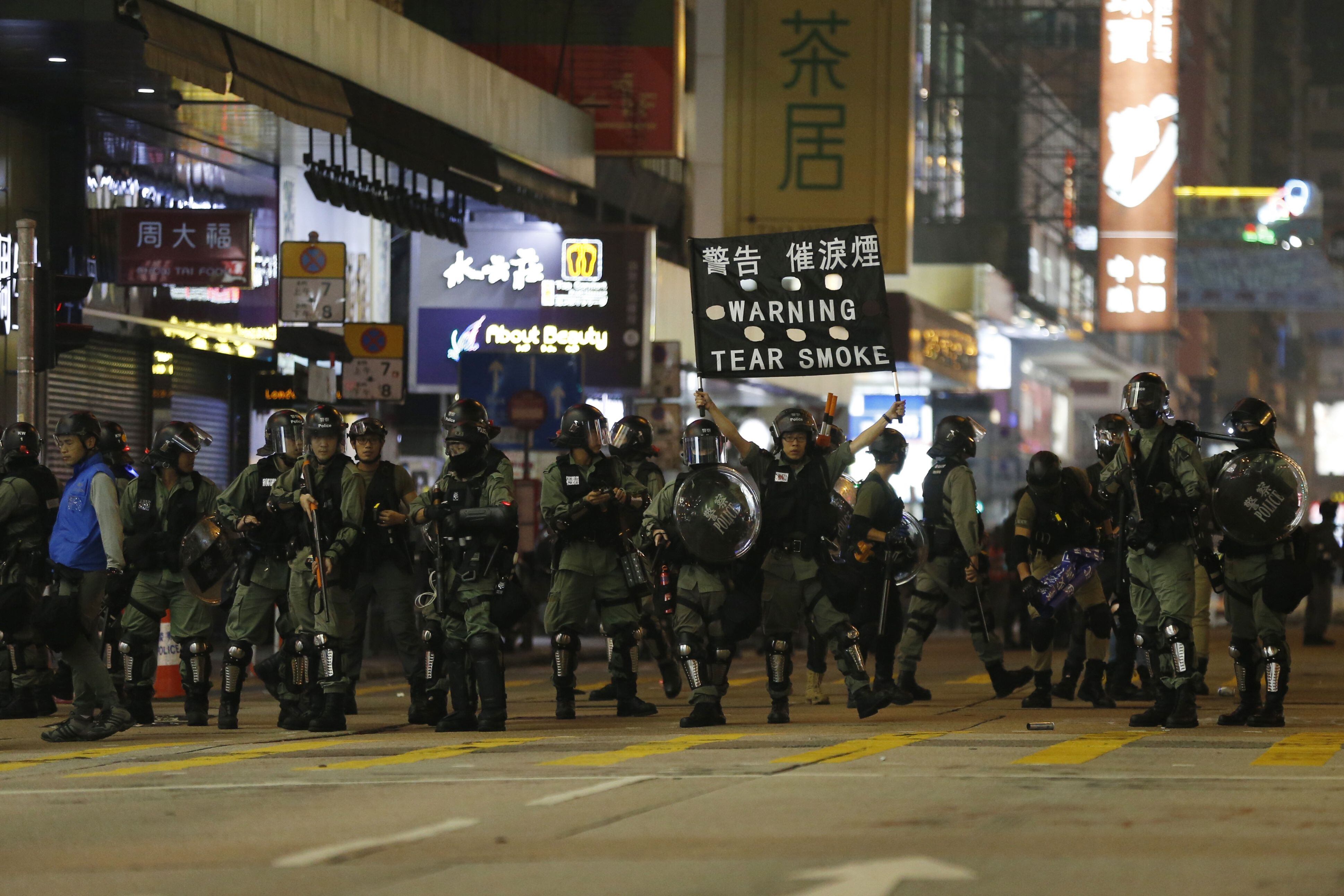
The bleak report coincided with chaotic demonstrations over the weekend that saw shops set ablaze and petrol bombs thrown at police, who responded heavily with water cannons and tear gas. In a statement Monday, police said that protesters overstepped the "bottom line of any civilized society." Unrest in Hong Kong, which first broke in June in opposition to a proposed extradition bill, has escalated significantly in recent months as residents continue to protest China's growing influence over the city and call for more democratic rights.
Chan on Sunday called on demonstrators to keep order and allow industry and commerce to operate freely. "Our society and the economy need to take a breather and need to get back on the road," he wrote.
<i>Police and protesters in Hong Kong on Sunday. Photo Credit: JEROME FAVRE/EPA-EFE/Shutterstock</i>
As a Chinese special administrative region since 1997, Hong Kong has enjoyed relative autonomy from Beijing in recent decades and has grown into one of the world's most significant financial and commercial hubs. In 2018, Hong Kong was home to the highest number of ultrawealthy ($30 million or more net worth) residents of any city in the world, according to Wealth-X's annual report. New York surpassed Hong Kong just slightly in 2019.
Earlier this month, Hong Kong's richest resident, Li Ka-shing, donated 1 billion Hong Kong dollars ($128 million) to support local business affected by the city's "unprecedented challenges."
"I hope that HK$1 billion donation will spark more support for the embattled [Small and Medium Enterprises]," Li said in a statement. "All suggestions are welcome and let's work together during these difficult times."
The Hong Kong government has also implemented a series of measures to help alleviate financial pains. Secretary Chan announced earlier this month a 19 billion Hong Kong dollar ($2.4 billion) relief package, which included significant rent reductions.
In announcing the recession Sunday, Chan cited plummeting tourism and retail sales figures. The number of visitors to Hong Kong fell by 37 percent in August and September, and by 50 percent in the first half of October. Tourism's decline constitutes an "emergency," Chan wrote. The decline of retail sales volume fell by 13.1 percent in July to 25.3 percent in August.
"We will continue to closely monitor the external economic situation and the political and economic situation in Hong Kong and try our best to further study the relief measures," Chan added in his Sunday blog post.
Investors, however, seem to be sticking with Hong Kong. The Hong Kong Stock Exchange's Hang Seng Index remains up more than 4 percent year-to-date.
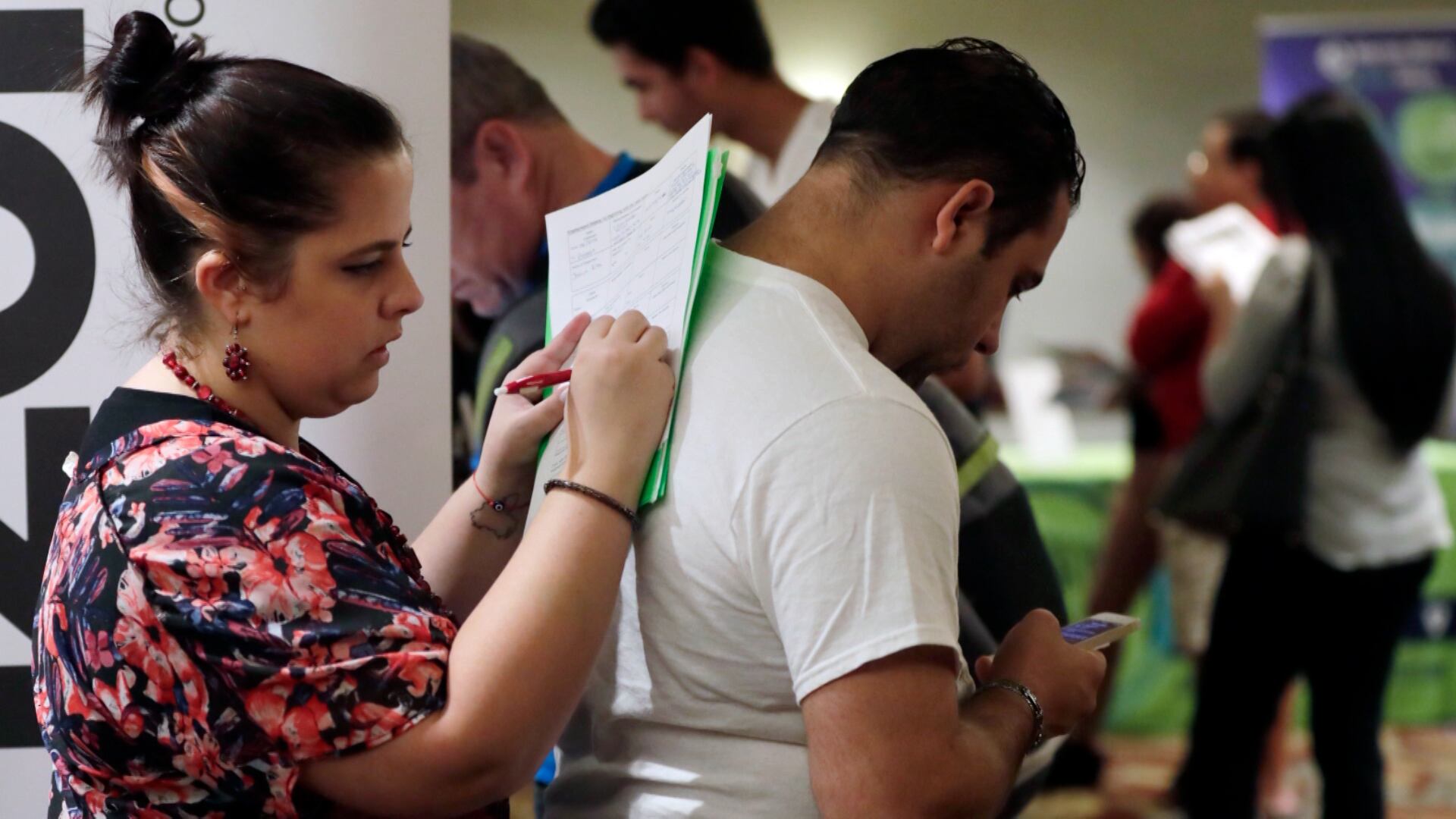
The Labor Department's January jobs report showed 467,000 jobs were added, compared to the 150,000 that were projected, a sign that employment is continuign to return to pre-pandemic levels. Lindsey Piegza, chief economist at investment bank Stifel, joined Cheddar to break down the report, noting the big gains but adding a note of caution. "Remember, even with this morning's stellar report, we're still millions below that level that we had reached prior to the onset of COVID-19," she said." Yes, we are recapturing jobs. We still have further ground that needs to be made before we can talk about reaching that previous peak." Piegza also discussed the role of the Federal Reserve going forward as the employment figures turn more positive.
Stocks closed at session lows Thursday, mostly due to a larger tech selloff after Facebook parent company Meta reported weak earnings results one day before. The Nasdaq closed down nearly 4% for its worst day since September 2020. Erin Gibbs, Chief Investment Officer at Main Street Asset Management, joins Closing Bell to discuss today's close, Meta earnings, Amazon earnings, and more
Spotify beat fourth quarter earnings expectations, and also reported a jump in monthly active users and in paid subscribers. The report comes as the company grapples with a new question: is it simply a streaming platform, or is it a media company responsible for the content it posts, like Joe Rogan's controversial podcast? Greg Martin, Co-Founder of Rainmaker Securities, joins Closing Bell to discuss why the stock took a hit even though earnings results were positive, how the company can move forward through the Rogan controversy, and more.
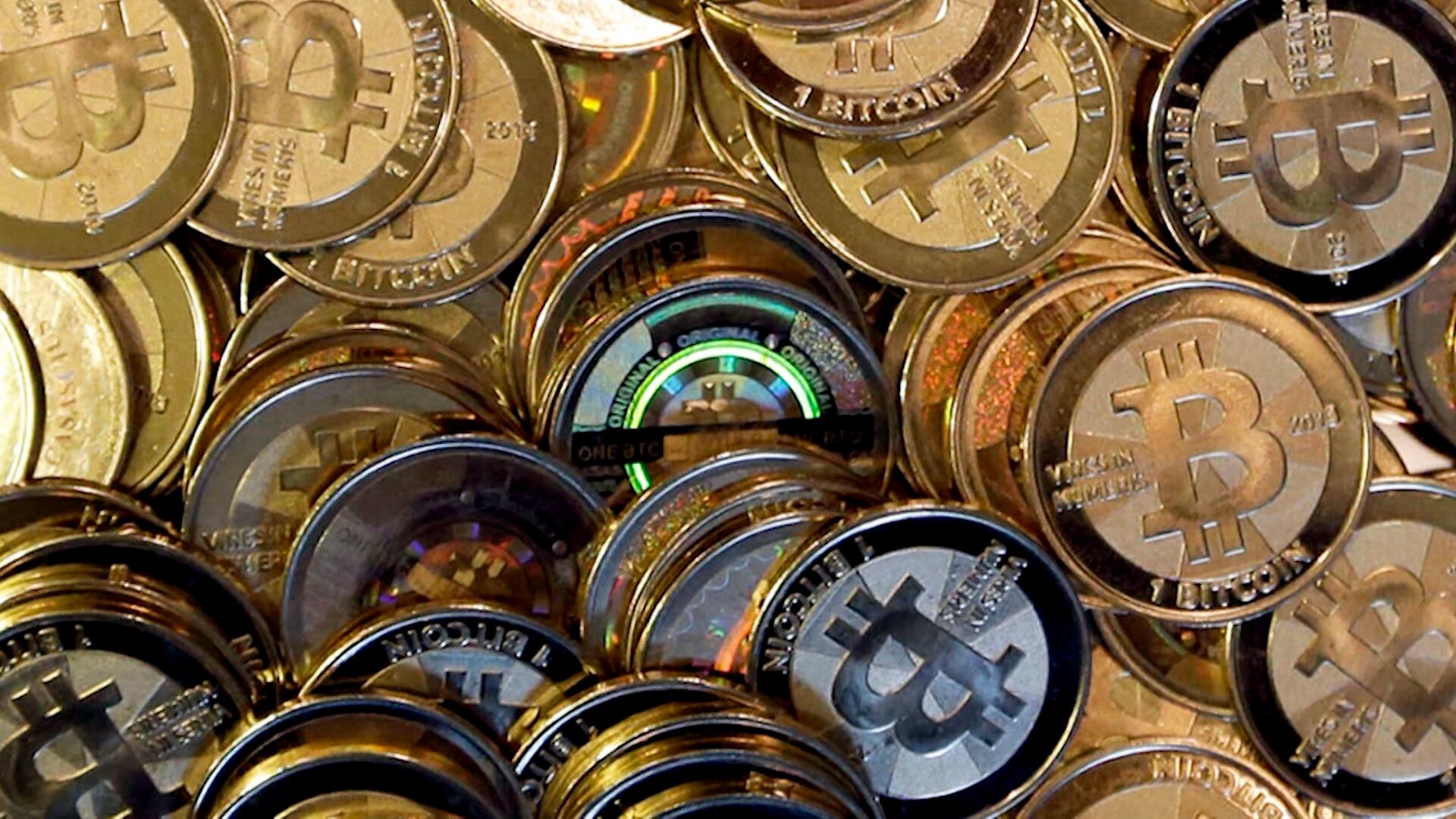
Chen Arad, Chief Operating Officer for Solidus Labs, joins Cheddar News' Closing Bell, where he explains why Wormhole was particularly vulnerable to a $320+ million crypto hack and discusses what new investors need to do in order to protect their assets.
E-commerce platform for construction and building materials RenoRun has raised $142 million in a Series B round, which the company says is the fourth largest Series B round in Canadian history. RenoRun’s platform offers same-day delivery of construction materials to job sites in Canada and the United States. The company aims to revolutionize the construction industry by maximizing productivity and efficiency. RenoRun co-founder and CEO Eamonn O’Rourke joins Cheddar News' Closing Bell to discuss.
Facebook parent company Meta reported weaker-than-expected fourth quarter earnings, and also issued disappointing guidance for Q1 2022. The tech giant is also under pressure due to Apple's iOS privacy change, as well as continued multi-billion dollar losses for its metaverse focused business unit. Angelo Zino, Tech Analyst at CFRA Research, joins Closing Bell to discuss the earnings results, how Apple's iOS privacy change will impact revenue, whether the metaverse is an underrated investment opportunity, and more.
Rental prices are rising across the country, causing millions to relocate. Average rents rose 14 percent last year, and Americans expect rents will continue to rise by about 10 percent just this year. Daryl Fairweather, chief economist at Redfin, joins Cheddar News to discuss.