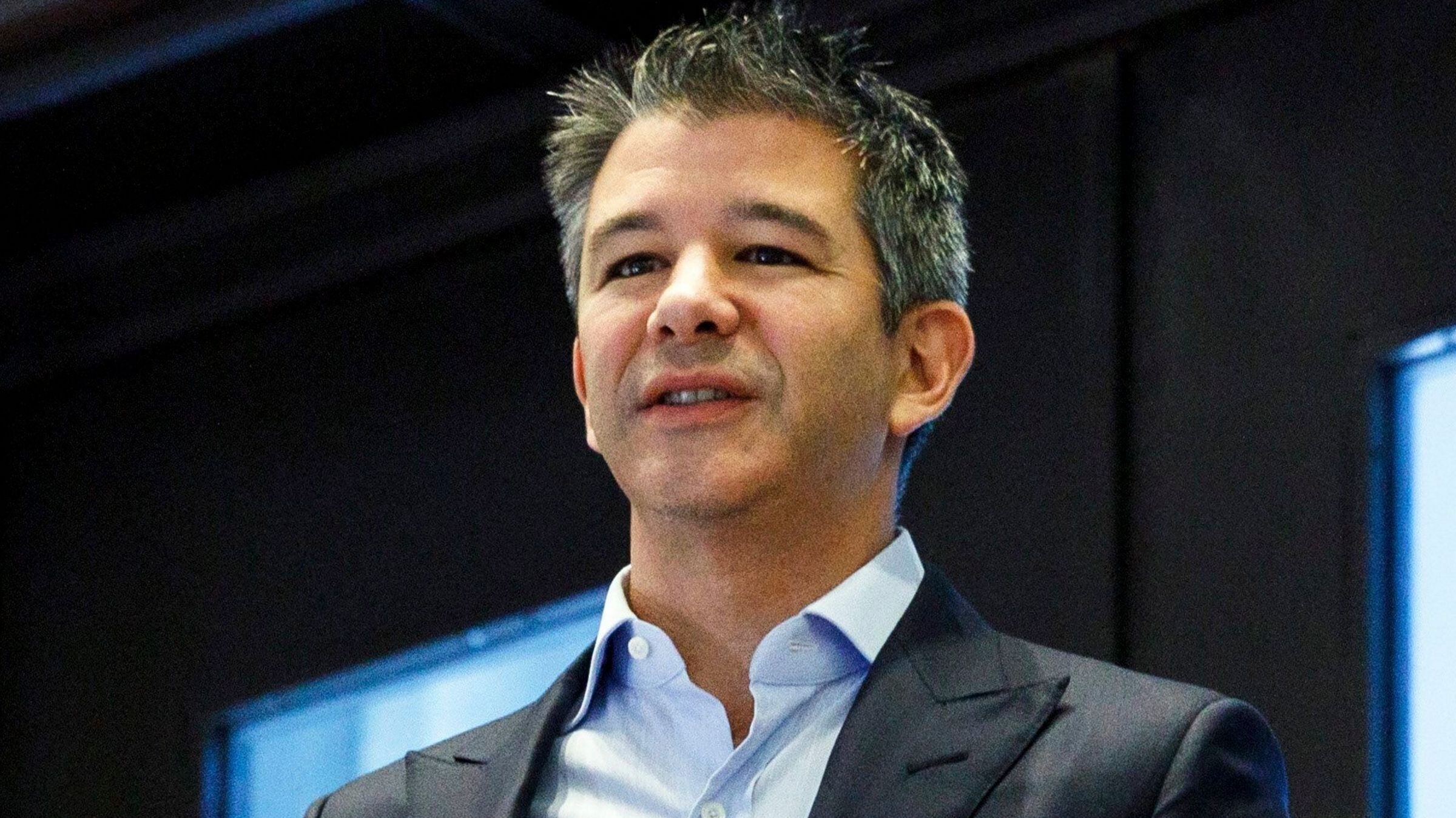
Former Uber CEO Travis Kalanick will resign from the board next week, effectively severing ties with the ride-hailing company he co-founded a decade ago.
Uber turbocharged the gig economy and since 2010 has logged 15 billion trips. Kalanick was ousted as CEO in the summer of 2017 with the company mired in numerous lawsuits.
The departure did not come as a surprise. Kalanick recently sold more than $2.5 billion worth of shares in the company, more than 90 percent of his holdings.
“Uber has been a part of my life for the past 10 years. At the close of the decade, and with the company now public, it seems like the right moment for me to focus on my current business and philanthropic pursuits," Kalanick said in a prepared statement Tuesday. "I’m proud of all that Uber has achieved, and I will continue to cheer for its future from the sidelines."
Uber under Kalanick grew with incredible speed, but like a number of other tech startups, the company ran into trouble with a corporate culture that appeared at times to be reeling out of control.
A former Uber engineer, Susan Fowler, discloses sexual harassment and sexism claims in a blog post about her year at Uber. Fowler says her boss propositioned her and higher-ups ignored her complaints. Kalanick calls Fowler's accusations "abhorrent" and hires former U.S. Attorney General Eric Holder to investigate.
Days later, Waymo, a self-driving car company spun off from Google, sues Uber. Waymo alleges that Anthony Levandowski — a former top manager for Google's self-driving car project — stole pivotal technology from Google before leaving to run Uber's self-driving car division.
Then, The New York Times reveals that Uber used a phony version of its app to thwart authorities in cities where it was operating illegally. Uber's so-called Greyball software identified regulators who were posing as riders and blocked access to them. The U.S. Justice Department is investigating Uber's use of the Greyball software.
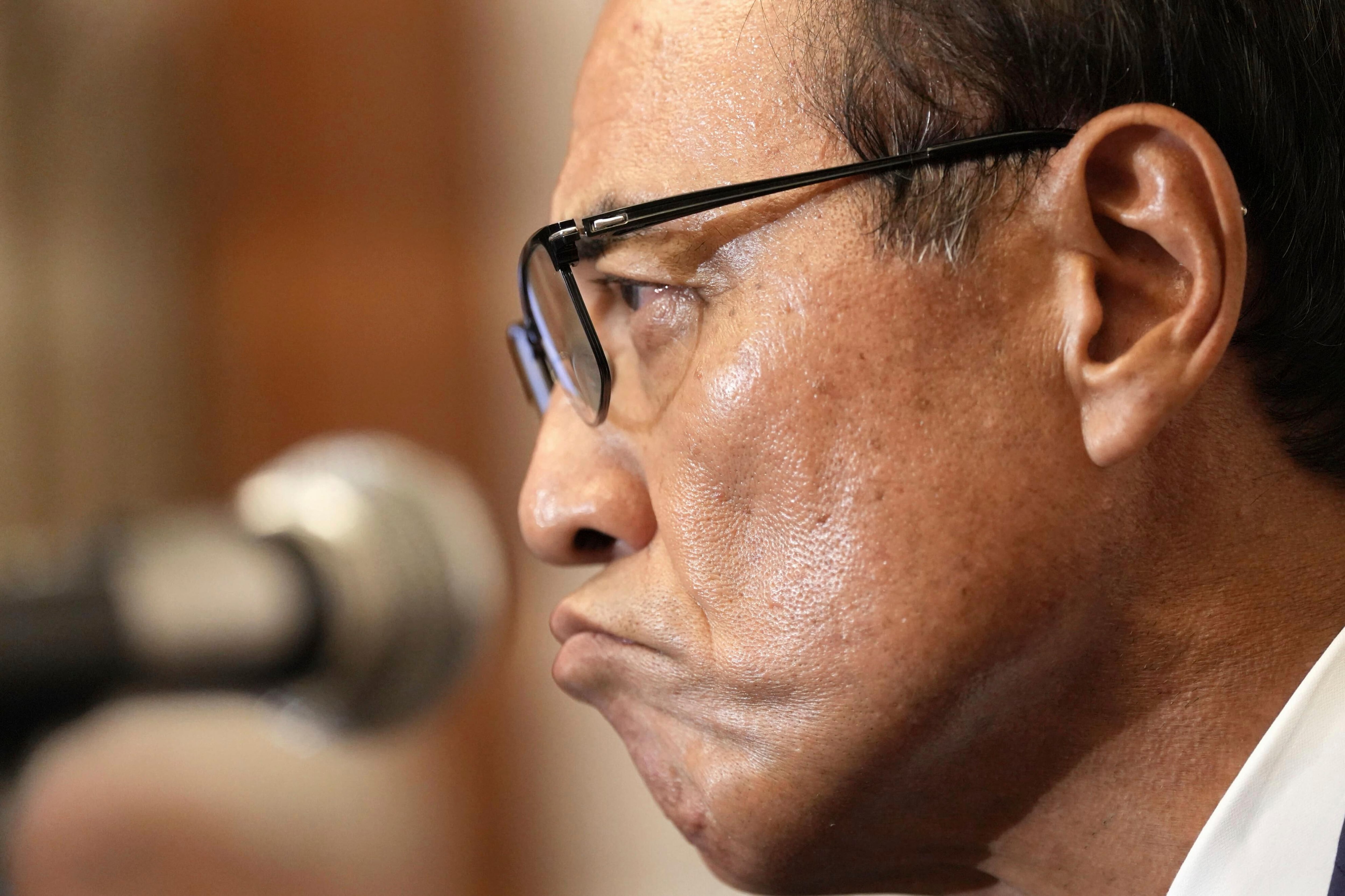
The former chief executive of Japanese beverage giant Suntory has acknowledged he was investigated on suspicion of possessing an illegal drug but has asserted his innocence despite resigning from his position.
Kellie Romack, Chief Digital Innovation Officer at ServiceNow, reveals the company’s latest announcement and how it’s shaping the future of work and tech.
Raina Moskowitz, CEO of The Knot Worldwide, unpacks the 2025 Global Wedding Report, from Gen Z trends to how Taylor Swift's wedding could reshape the industry.
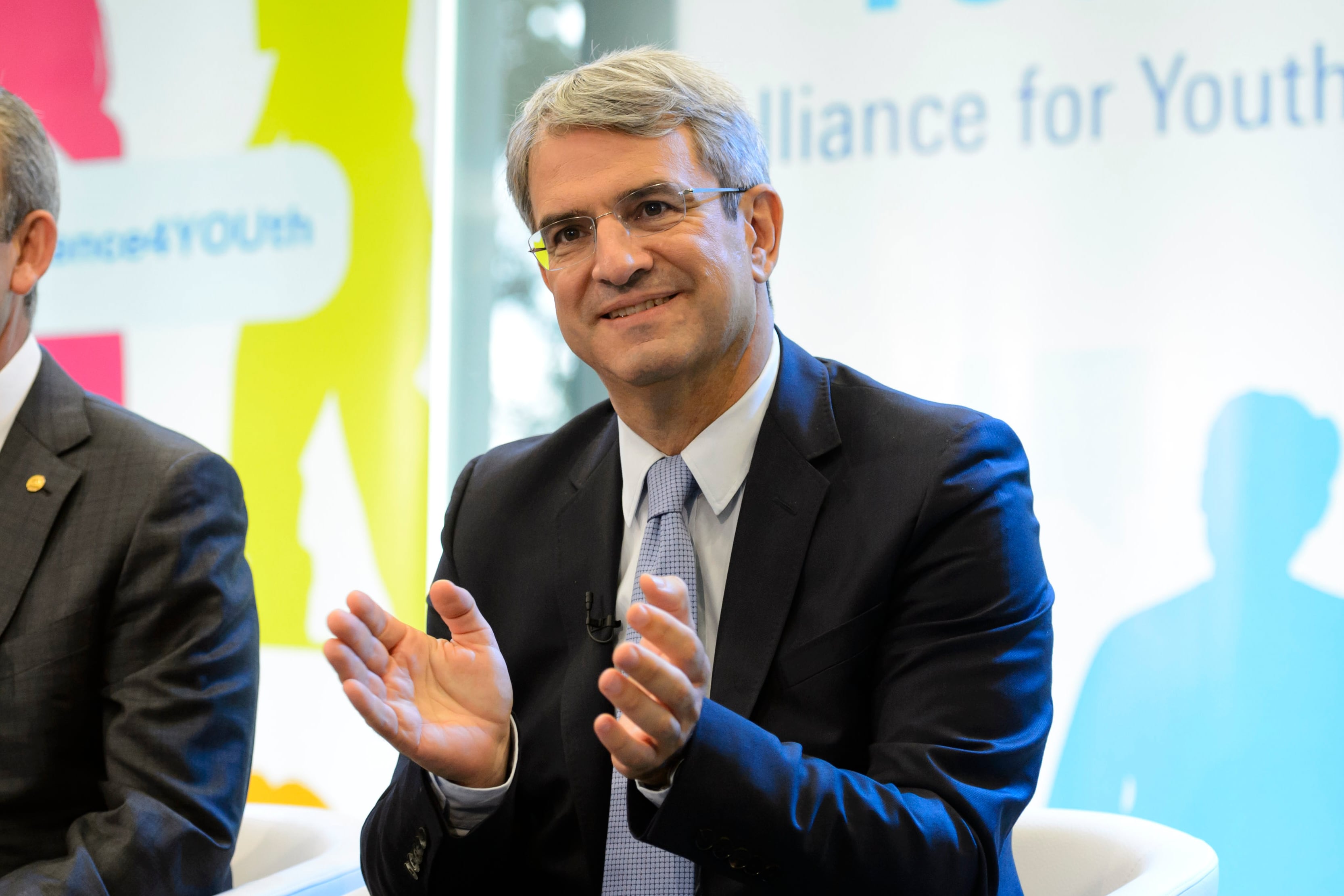
Nestlé has dismissed its CEO Laurent Freixe after an investigation into an undisclosed relationship with a direct subordinate. The company announced on Monday that the dismissal was effective immediately. An investigation found that Freixe violated Nestlé’s code of conduct. He had been CEO for a year. Philipp Navratil, a longtime Nestlé executive, will replace him. Chairman Paul Bulcke stated that the decision was necessary to uphold the company’s values and governance. Navratil began his career with Nestlé in 2001 and has held various roles, including CEO of Nestlé's Nespresso division since 2024.
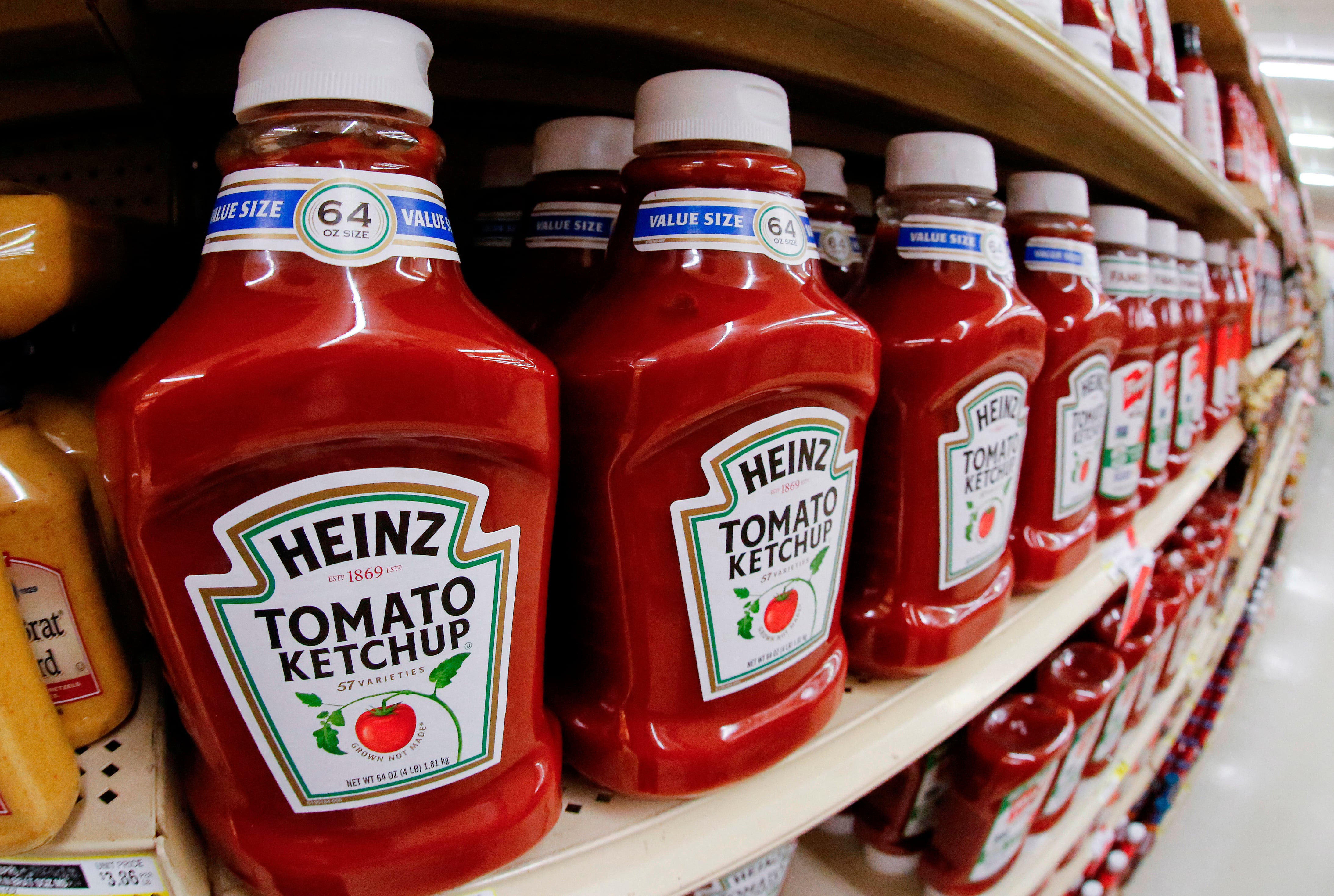
Kraft Heinz is splitting into two companies a decade after they joined in a massive merger that created one of the biggest food companies on the planet. One of the companies will include brands such as Heinz, Philadelphia cream cheese and Kraft Mac & Cheese. The other will include brands like Oscar Mayer, Kraft Singles and Lunchables. When the company formed in 2015 it wanted to capitalize on its massive scale, but shifting tastes complicated those plans, with households seeking to introduce healthier options at the table. Kraft Heinz's net revenue has fallen every year since 2020.