Ford's business will gradually transition from its internal combustion vehicles to battery electric vehicles, but combustion vehicles will continue to grow for the next few years, CFO John Lawler told Cheddar News.
"Over time, we do see the transition between internal combustion engines — gas vehicles — to [battery electric vehicles] but that's going to be over time," he said. "We still see growth for [internal combustion engine] businesses over the next few years."
That optimism comes in spite of a $2.1 billion loss that Ford's electric vehicle division reported in 2022. The company anticipates the segment will lose an additional $3 billion in 2023, as it works toward profitability in 2026.
Lawler joined "Wake Up with Cheddar" after the automaker announced a major change in the way it reports financials. Instead of reporting geographic results, the new format will break out financials for three customer-facing groups. "Ford Blue" will include its traditional gasoline, diesel, and hybrid vehicles like the F-150 and Mustang. "Ford Model E" includes all electric vehicles, and "Ford Pro" includes commercial vehicles and fleets. The company is framing this shift as a whole new Ford.
"What we've done in creating Ford Blue, Ford Model E, and Ford Pro is far more than an accounting exercise. After 120 years, we've essentially refounded Ford," Lawler said on a call with the press on Wednesday evening.
Following the change, Ford also reviewed what 2021 and 2022 financials would have looked like in the new format. Whereas the Model E segment lost about $2.1 billion, Ford Blue and Ford Pro brought in $6.8 billion and $3.2 billion, respectively.
Lawler justified Model E's losses as par for the course for electric vehicles, describing the segment as a "startup that was buried inside of Ford Motor Company."
"Like all electric vehicle startups, you lose money at first as you're building scale, as you're designing your products, as you're growing and building share," he said.
The company's path to achieving 8 percent EBIT margin by 2026 in the Model E segment will be facilitated by scale and design efficiency for things like batteries, Lawler said. The company also plans to shave about $3 billion in structural costs from the company's balance sheet by 2026. Lawler said reducing design complexity and increasing reuse and commonality would be "some of the main levers" to cut those costs.
Ford was one of the biggest producers of electric vehicles in 2022, second only to Tesla. In spite of all the buzz around EVs, Lawler emphasized that Ford is still focusing on all three of its segments.
"Right now all three businesses are growth businesses," he said.
Jeff Thomas, Senior Vice President & Head of West Coast Listing for the NASDAQ, talks about the year in IPOs and the industries seeing the most activity within the tech sector.
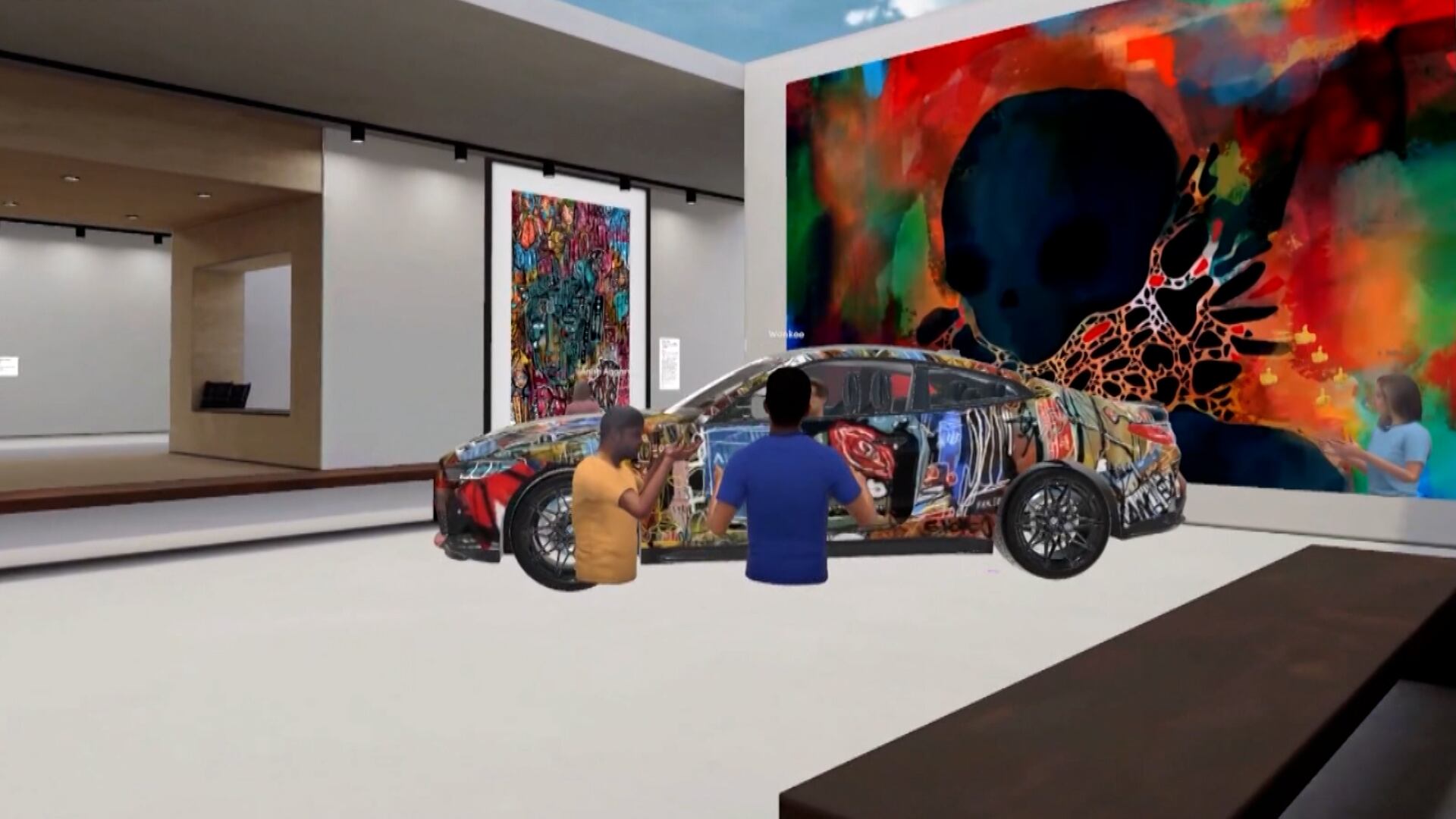
VR/AR collaboration platform Spatial is diving head first into the Metaverse. The company is switching up its image--now branding itself as 'the metaverse for cultural events,' aiming to become the new virtual hub for NFT galleries, brand experiences, and large-scale conferences. Jacob Loewenstein, Head of Business, Spatial, joined Cheddar's Opening Bell to discuss the company's pivot.
With the rise of meme stocks, investing platforms like Public.com saw a surge in usership as retail investors flocked to the stock market. Ahead of the new year, Public.com is pushing beyond the memes, to better understand the motivations and behaviors of the retail trader.
Its recent 'The Outsiders' report takes a deeper look at who these retail investors are, what drives their trades, and what their portfolio says about them. Stephen Sikes, COO, Public.com joined Cheddar News to discuss.
Jason Moser, Senior Analyst & Lead Advisor at The Motley Fool, discusses how the meme saga has impacted the stock market and what the future holds for companies embracing retail investors.
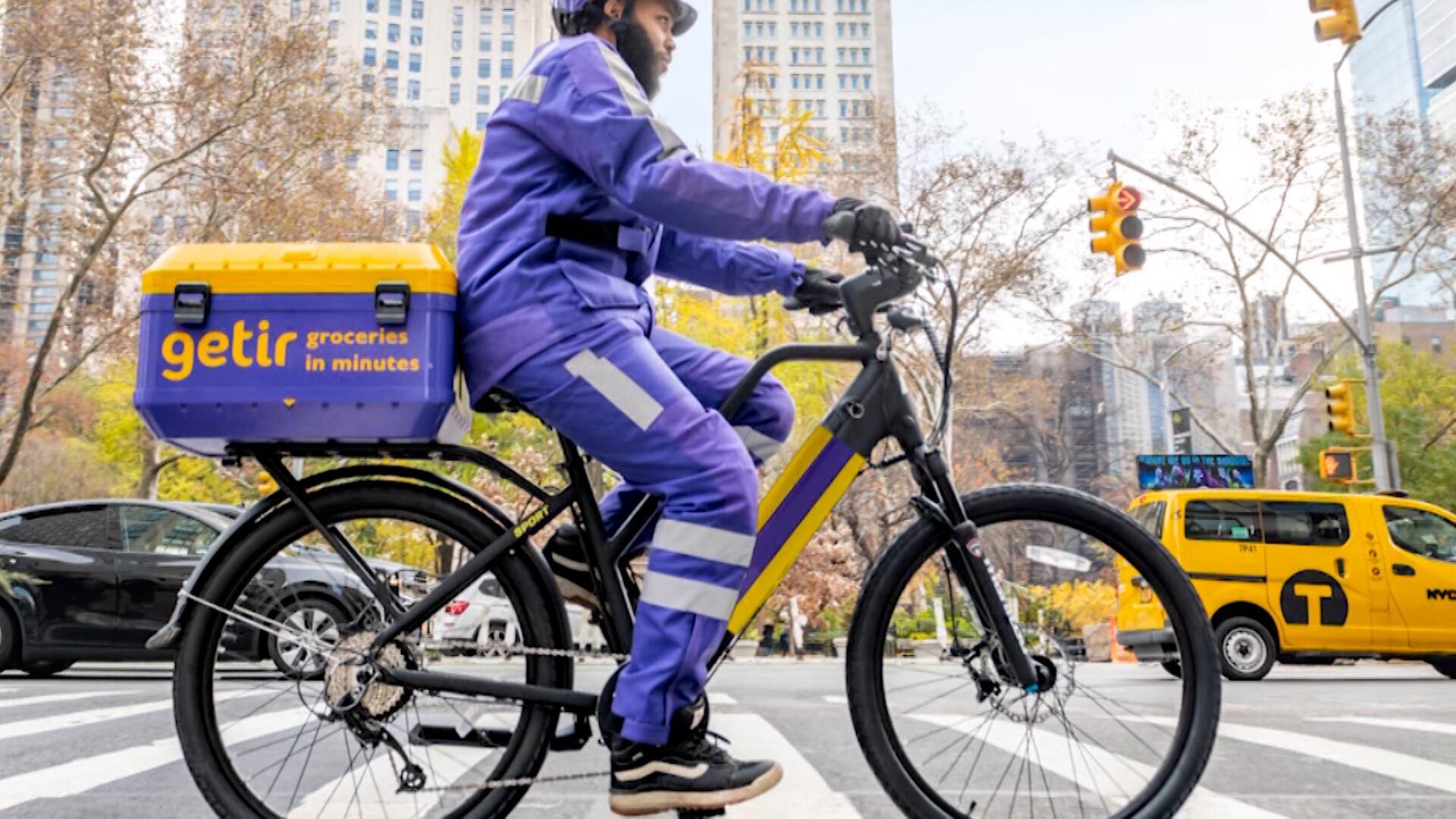
The past year has been huge for delivery services as people largely stayed home during the pandemic. Getir, an Istanbul-based company delivering goods in just 10 minutes, is officially launching in NYC. It comes as the company continues its international expansion. Nazim Salur, Founder, Getir, joined Cheddar's Opening Bell to discuss the opportunities in the new market.
e.l.f Beauty is celebrating a significant milestone in its sustainable journey. Since launching its Project Unicorn initiative in 2019, the company has eliminated more than one million pounds of packaging materials. Ashley Rosebrook, e.l.f. Beauty's chief creative officer, who spearheaded this effort and has continued to work to reduce the brand's carbon footprint, joined Cheddar to discuss this initiative and what the company aims to do next.
The great meme stock frenzy of 2021 turned ordinary retail investors into big winners overnight. One of those traders, Jon Murray, is a graphic design artist who made $15,000 off his original investments in GameStop and AMC. He joined Cheddar to talk about how he first got started in investing and why he decided to put money into meme stocks.
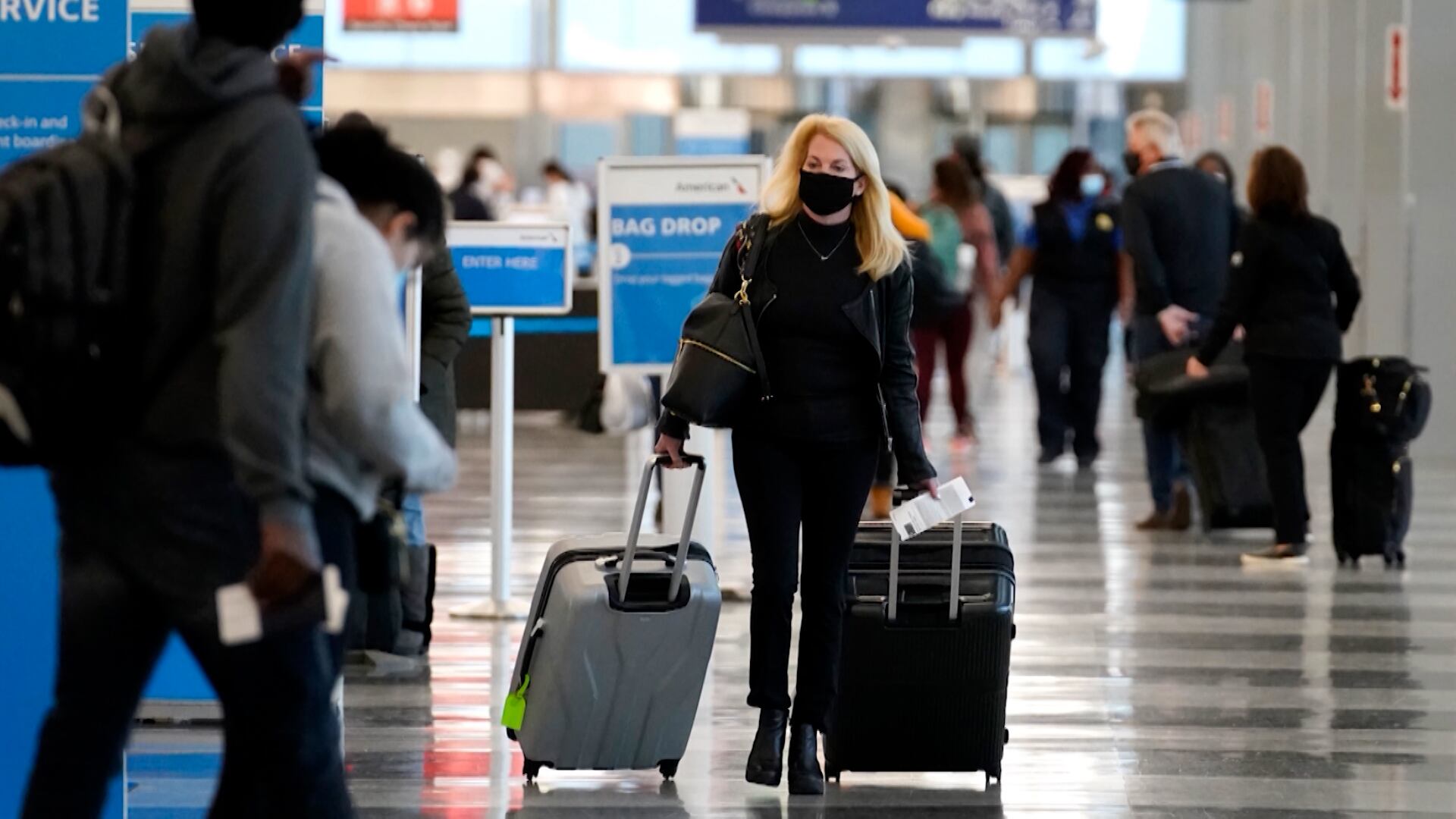
The Omicron variant is raising concerns about how safe it is to travel, just as millions of Americans were getting ready to jet set away for the holidays. Scientists are still trying to understand how much protection vaccines offer against the new variant, and many questions remain unanswered. Sara Nelson, President of the Association of Flight Attendants, gives tips on how to travel safely and comments on the aviation industry's ongoing recovery from the pandemic.
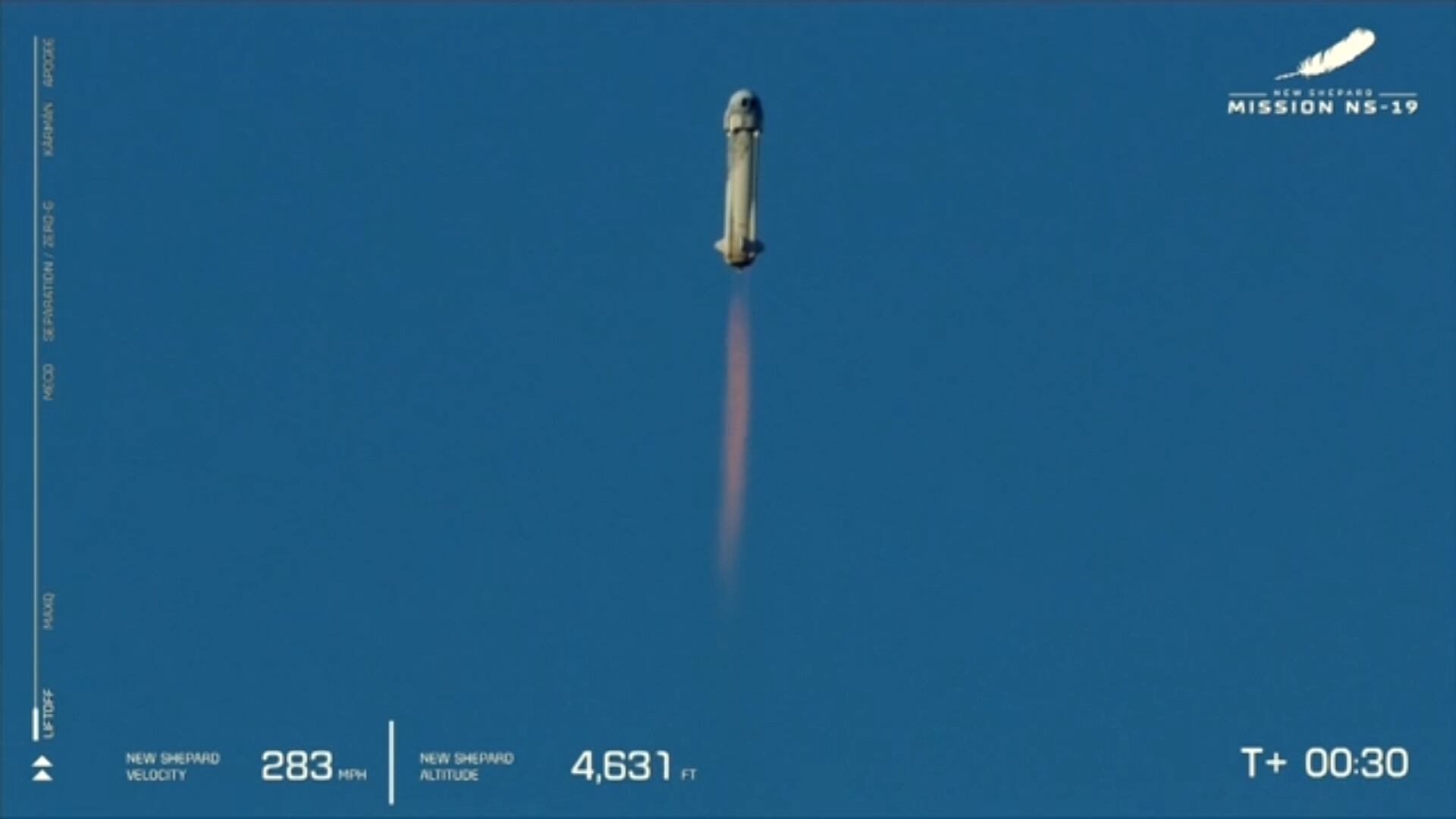
Another successful spaceflight is in the books for Jeff Bezos' Blue Origin. The company's third human spaceflight blasted off from Van Horn, TX. on Saturday, lasting about ten minutes from takeoff to landing. The crew, which included former NFL star and current GMA host Michael Strahan, traveled to the edge of space and experienced a few minutes of weightlessness before the capsule descended back to earth. Andrew Chanin, CEO of ProcureAM, joined Cheddar's Opening Bell to discuss the significance of the launch.