Ford's business will gradually transition from its internal combustion vehicles to battery electric vehicles, but combustion vehicles will continue to grow for the next few years, CFO John Lawler told Cheddar News.
"Over time, we do see the transition between internal combustion engines — gas vehicles — to [battery electric vehicles] but that's going to be over time," he said. "We still see growth for [internal combustion engine] businesses over the next few years."
That optimism comes in spite of a $2.1 billion loss that Ford's electric vehicle division reported in 2022. The company anticipates the segment will lose an additional $3 billion in 2023, as it works toward profitability in 2026.
Lawler joined "Wake Up with Cheddar" after the automaker announced a major change in the way it reports financials. Instead of reporting geographic results, the new format will break out financials for three customer-facing groups. "Ford Blue" will include its traditional gasoline, diesel, and hybrid vehicles like the F-150 and Mustang. "Ford Model E" includes all electric vehicles, and "Ford Pro" includes commercial vehicles and fleets. The company is framing this shift as a whole new Ford.
"What we've done in creating Ford Blue, Ford Model E, and Ford Pro is far more than an accounting exercise. After 120 years, we've essentially refounded Ford," Lawler said on a call with the press on Wednesday evening.
Following the change, Ford also reviewed what 2021 and 2022 financials would have looked like in the new format. Whereas the Model E segment lost about $2.1 billion, Ford Blue and Ford Pro brought in $6.8 billion and $3.2 billion, respectively.
Lawler justified Model E's losses as par for the course for electric vehicles, describing the segment as a "startup that was buried inside of Ford Motor Company."
"Like all electric vehicle startups, you lose money at first as you're building scale, as you're designing your products, as you're growing and building share," he said.
The company's path to achieving 8 percent EBIT margin by 2026 in the Model E segment will be facilitated by scale and design efficiency for things like batteries, Lawler said. The company also plans to shave about $3 billion in structural costs from the company's balance sheet by 2026. Lawler said reducing design complexity and increasing reuse and commonality would be "some of the main levers" to cut those costs.
Ford was one of the biggest producers of electric vehicles in 2022, second only to Tesla. In spite of all the buzz around EVs, Lawler emphasized that Ford is still focusing on all three of its segments.
"Right now all three businesses are growth businesses," he said.
Stocks closed lower to end the day Thursday, the second to last trading day of 2021. The Dow snapped a six-day winning streak, and the S&P 500 was weighed down by chip and energy stocks. This all comes as weekly jobless claims fell to a 52-year low to 198,000. Kevin Riley, Managing Partner at Exponential Investment Partners, joins Cheddar News' Closing Bell to discuss today's close, his 2022 market predictions, the state of business in China, and more.
Daniel Newman, Founding Partner and Principal Analyst at Futurum Research, joins Cheddar News' Closing Bell, where he says the markets are going to feel very uncomfortable receiving news of more potential setbacks for chip manufacturers after already enduring a lengthy chip shortage.
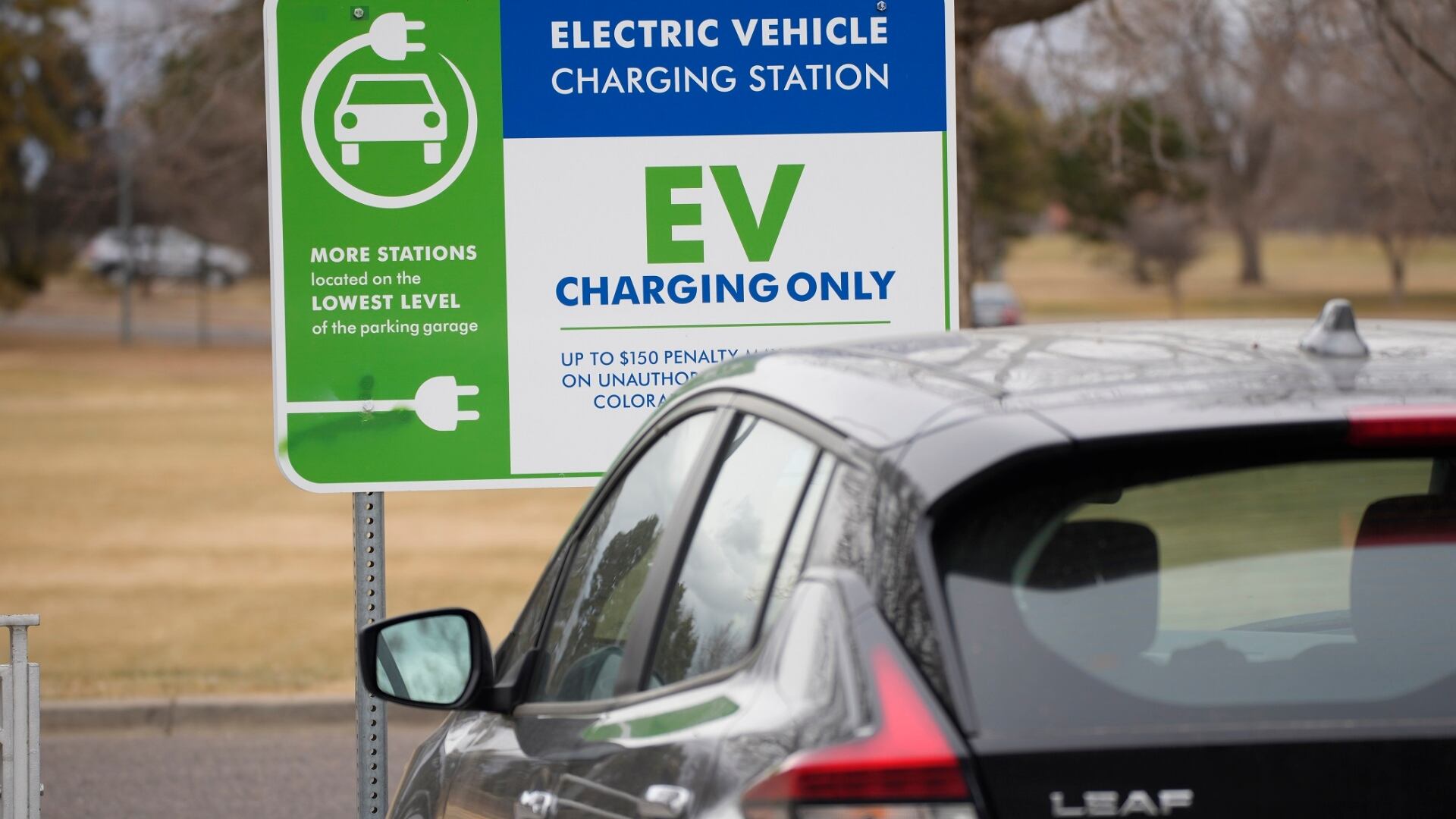
The federal government and numerous industries have been preparing for a greener future, setting goals to reduce greenhouse emissions by switching to electric vehicles. But the next hurdle to clear is convincing the wider public to get on board. Arun Kumar, managing director in automotive practice at AlixPartners, spoke to Cheddar's Ken Buffa about consumer trends related to EV transition and said he believes a widespread switch is imminent in 2022. Despite this, he acknowledged there are still significant obstacles to overcome, including high prices and more charging stations. "Without charging infrastructure, people are going to struggle with increasing adoption of electric vehicles in the future," Kumar told Cheddar. "I think by 2030 our estimate is that about a million chargers need to be put in place nationally in the U.S."
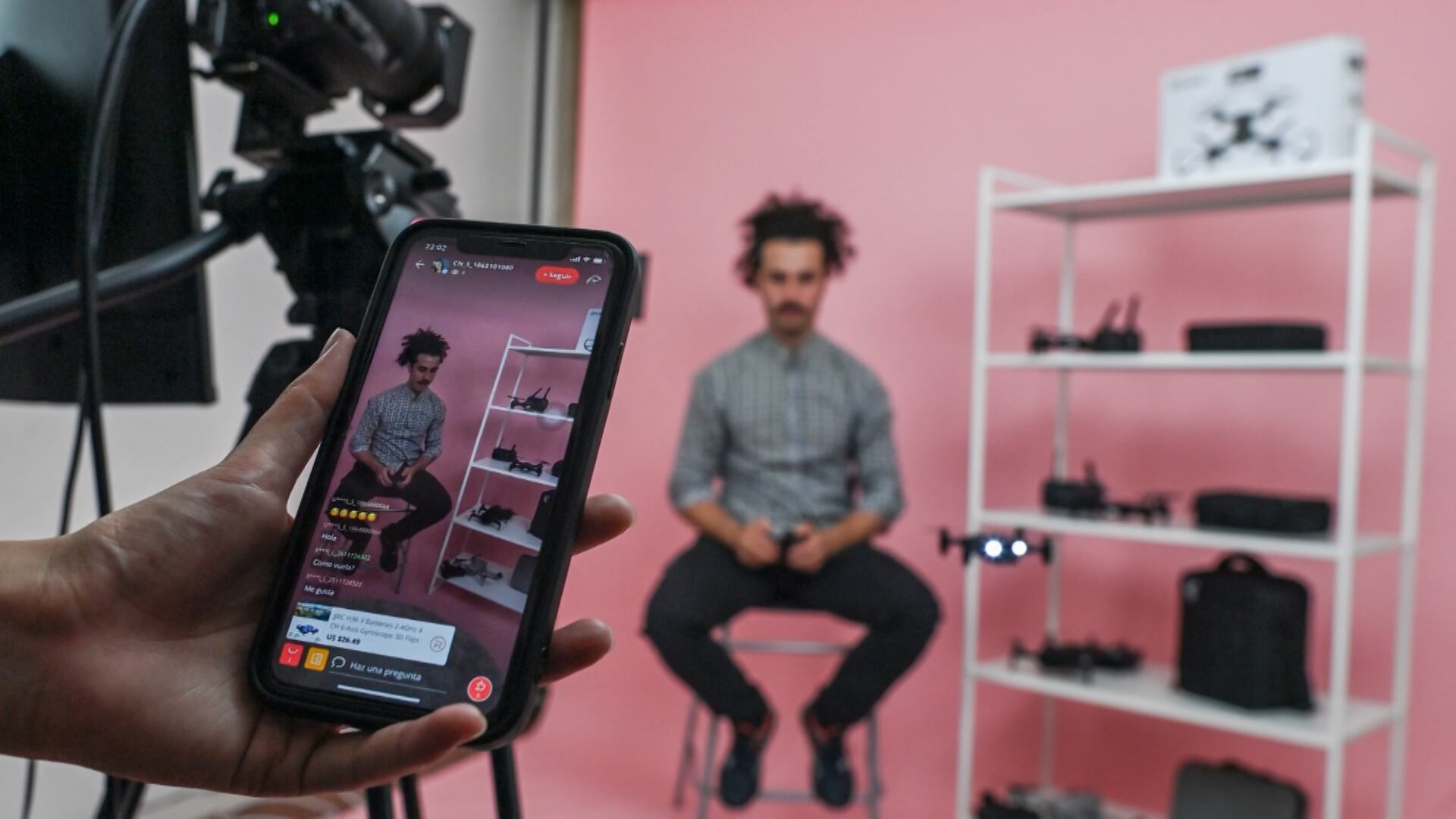
The pandemic has supercharged the creator economy, and there are no signs of it slowing down no matter when the pandemic officially ends. Creators prove to be a key factor in driving purchasing decisions and retail sales, and an increasing amount of platforms are taking advantage of the social influence. Karissa Bell, senior editor at Engadget, joins cheddar news to discuss the creator economy boom.
The National Women's Soccer League is partnering with Voyager Digital as its first-ever cryptocurrency brokerage in a multi-year deal. Marla Messing, interim CEO of the NWSL, and Steve Ehrlich, CEO of Voyager Digital, joined Cheddar to discuss benefitting the league and educating players and fans as a way of democratizing cryptocurrency. Messing explained that the players themselves will own half the assets as part of how the deal is structured. "My hope is, just in terms of the expectations of crypto over the long term, that I hope a lot of them are able to just let it sit there," she said. "And that one day this will be a nice retirement account for them."