Ford's business will gradually transition from its internal combustion vehicles to battery electric vehicles, but combustion vehicles will continue to grow for the next few years, CFO John Lawler told Cheddar News.
"Over time, we do see the transition between internal combustion engines — gas vehicles — to [battery electric vehicles] but that's going to be over time," he said. "We still see growth for [internal combustion engine] businesses over the next few years."
That optimism comes in spite of a $2.1 billion loss that Ford's electric vehicle division reported in 2022. The company anticipates the segment will lose an additional $3 billion in 2023, as it works toward profitability in 2026.
Lawler joined "Wake Up with Cheddar" after the automaker announced a major change in the way it reports financials. Instead of reporting geographic results, the new format will break out financials for three customer-facing groups. "Ford Blue" will include its traditional gasoline, diesel, and hybrid vehicles like the F-150 and Mustang. "Ford Model E" includes all electric vehicles, and "Ford Pro" includes commercial vehicles and fleets. The company is framing this shift as a whole new Ford.
"What we've done in creating Ford Blue, Ford Model E, and Ford Pro is far more than an accounting exercise. After 120 years, we've essentially refounded Ford," Lawler said on a call with the press on Wednesday evening.
Following the change, Ford also reviewed what 2021 and 2022 financials would have looked like in the new format. Whereas the Model E segment lost about $2.1 billion, Ford Blue and Ford Pro brought in $6.8 billion and $3.2 billion, respectively.
Lawler justified Model E's losses as par for the course for electric vehicles, describing the segment as a "startup that was buried inside of Ford Motor Company."
"Like all electric vehicle startups, you lose money at first as you're building scale, as you're designing your products, as you're growing and building share," he said.
The company's path to achieving 8 percent EBIT margin by 2026 in the Model E segment will be facilitated by scale and design efficiency for things like batteries, Lawler said. The company also plans to shave about $3 billion in structural costs from the company's balance sheet by 2026. Lawler said reducing design complexity and increasing reuse and commonality would be "some of the main levers" to cut those costs.
Ford was one of the biggest producers of electric vehicles in 2022, second only to Tesla. In spite of all the buzz around EVs, Lawler emphasized that Ford is still focusing on all three of its segments.
"Right now all three businesses are growth businesses," he said.
Samsung unveiled a slew of new electronics and upgraded designs at CES 2022. With a heavy focus on gaming and the future of work, the company showed off its all new Odyssey Ark, which boasts a massive 55 in. curved display designed to give users a more immersive and captivating experience. Sang Kim, SVP, Samsung Electronics joined Cheddar's Michelle Castillo to discuss the company's biggest launches as well as major trends to watch in 2022.
Tesla's Austin, Texas-based gigafactory could be days away from opening its doors and beginning production. Dan Ives, managing director of equity research at WedBush Securities, joined Cheddar to talk about his estimate that the EV company will be running its factory within a week and noted that Tesla has been in a good position despite ongoing semiconductor shortages. "They're really almost Teflon-like relative to other automakers," he said, calling its production delays "containable." Amid another shortage — labor —, he said he thinks Tesla positioned itself well for access to talent months ago with expanded hiring amid the move to Texas from California.
The UK's Information Commissioner's office is scrutinizing Facebook's parent company Meta over child safety practices linked to the Oculus headset, according to a report. The agency is looking to question the tech giant about how it's protecting children from harmful experiences in virtual reality.
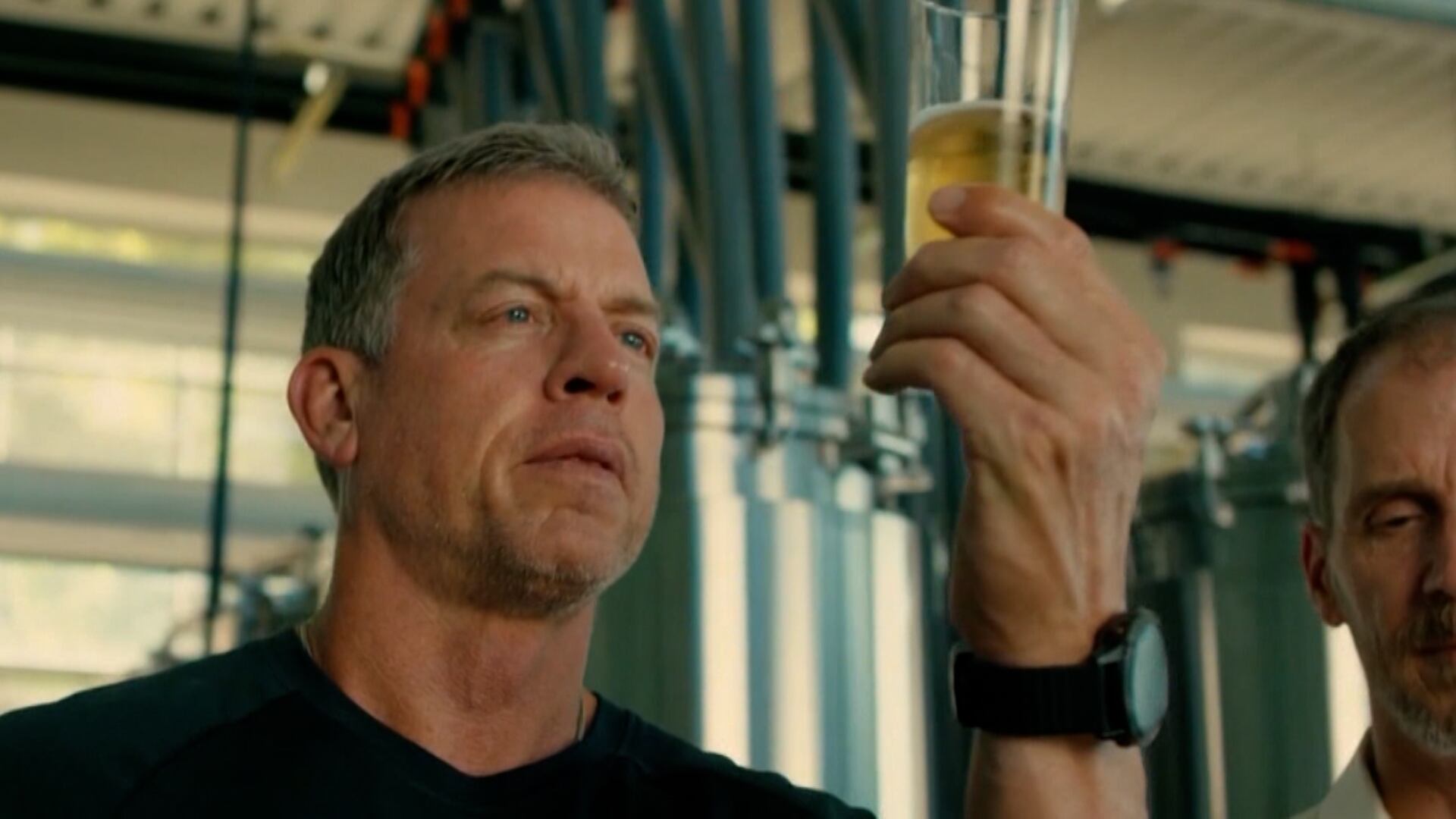
Hall of Fame quarterback Troy Aikman joined Cheddar's "Between Bells" to talk about his own brand of organic light beer called Eight (his jersey number with the Dallas Cowboys) and explained that he's had an interest in the industry since his days working for a distributor during college. "These brands that are on the market have been there for a long time and [I] felt that it was time for something fresh, something new, and I thought that we could do it in a way that was a better-for-you beer' and that's what we've done," he said. Aikman also provided some insight into the upcoming NFL playoffs and noted that he doesn't see a clear frontrunner for this year's Vince Lombardi trophy.
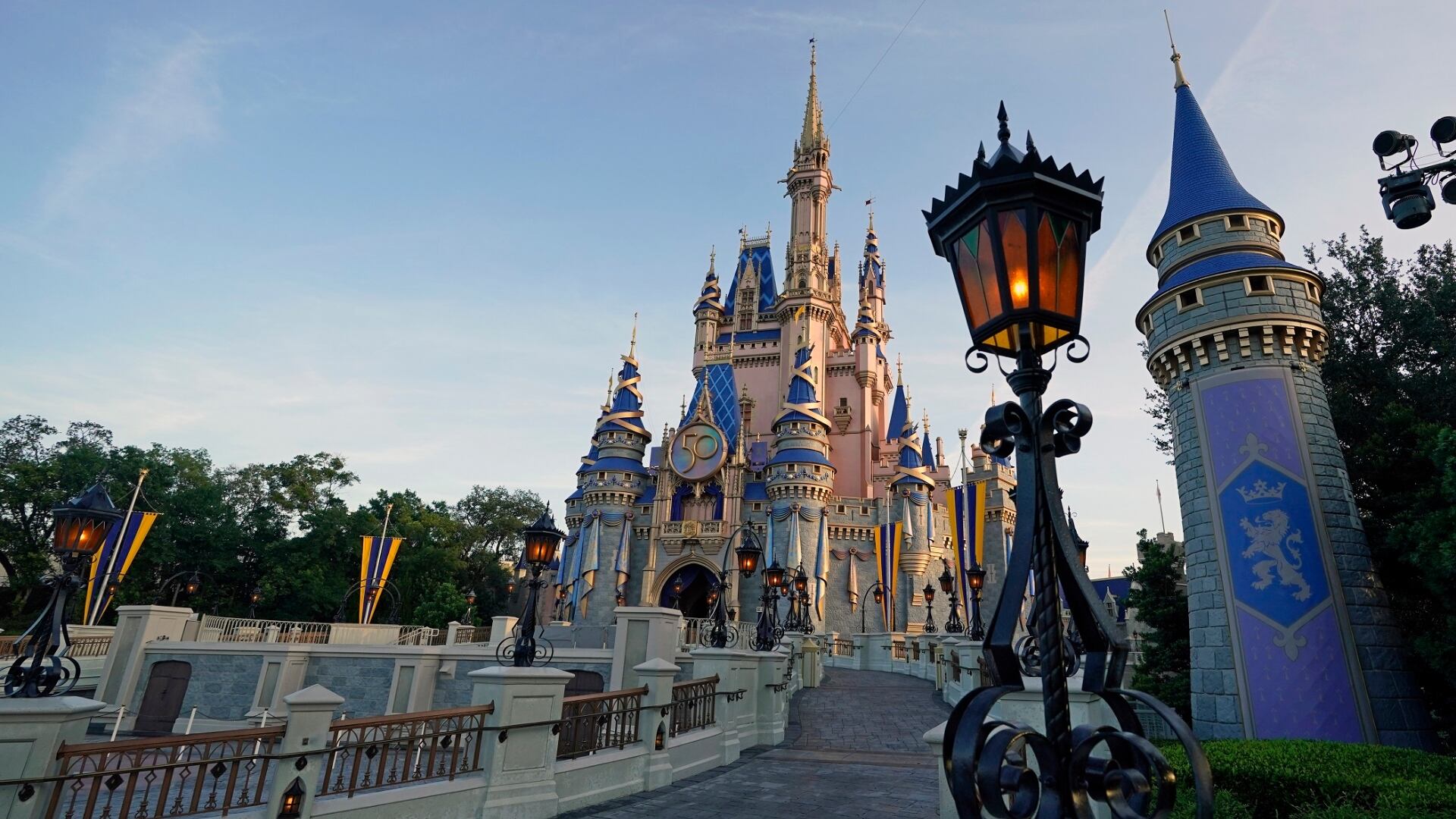
Disney has secured a patent for a digital world simulator for headset-free augmented reality expected to be accessible in parks by tracking smartphones and projecting personalized 3D displays, an indication that the entertainment giant is gearing up for its entry into the metaverse.
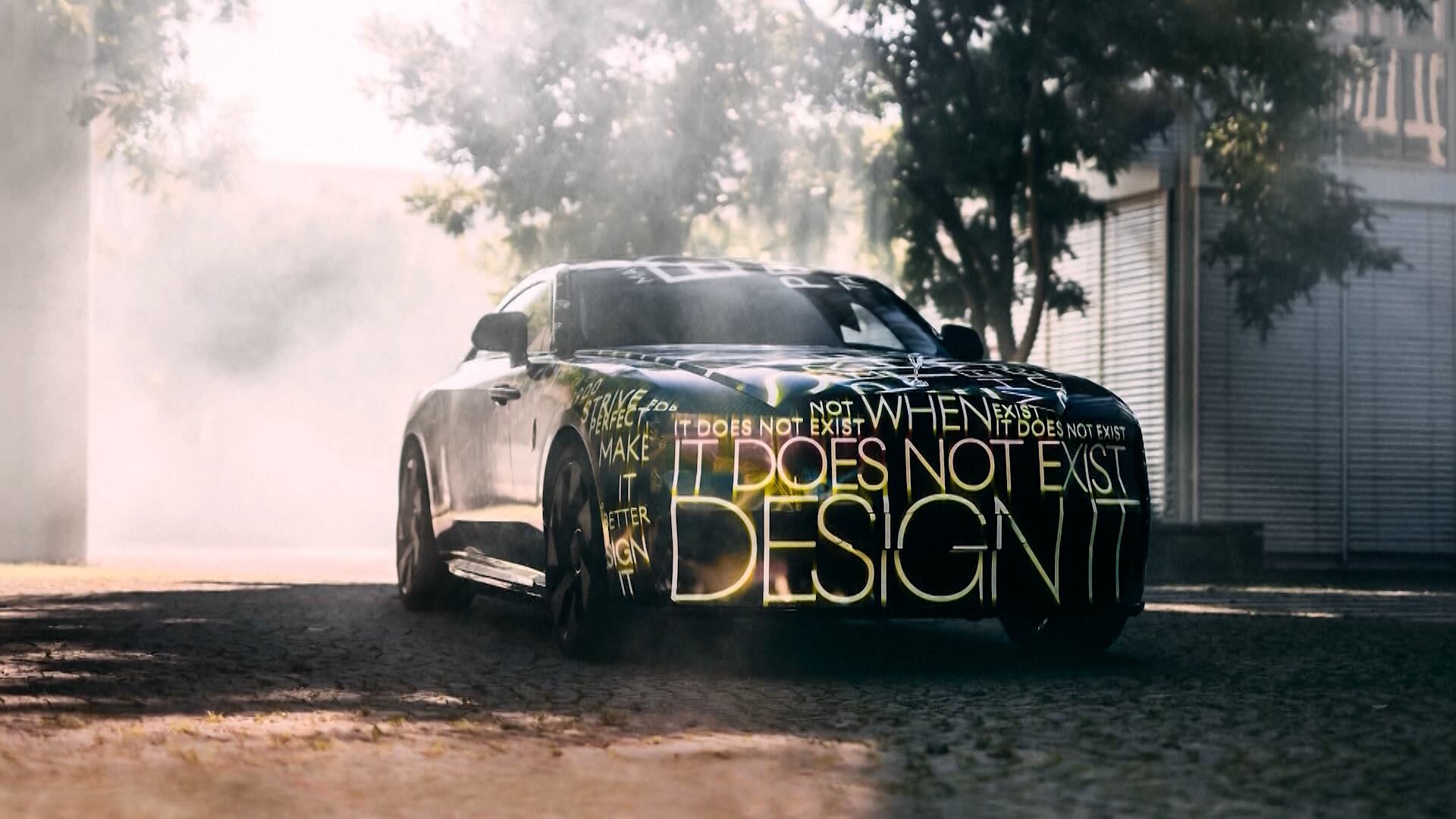
It has been a record year for luxury automaker Rolls-Royce despite the industry struggling to meet demand overall due to the ongoing semiconductor chip shortage. CEO Torsten Müller-Ötvös joined Cheddar to discuss the driving factors behind the company's 2021 success. He said after the pandemic forced the closure of factories in 2020 and people stopped making large purchases, they were open to spending more in 2021. "The entire luxury sector was fueled by there's money available, and people are prepared to spend money," he said.
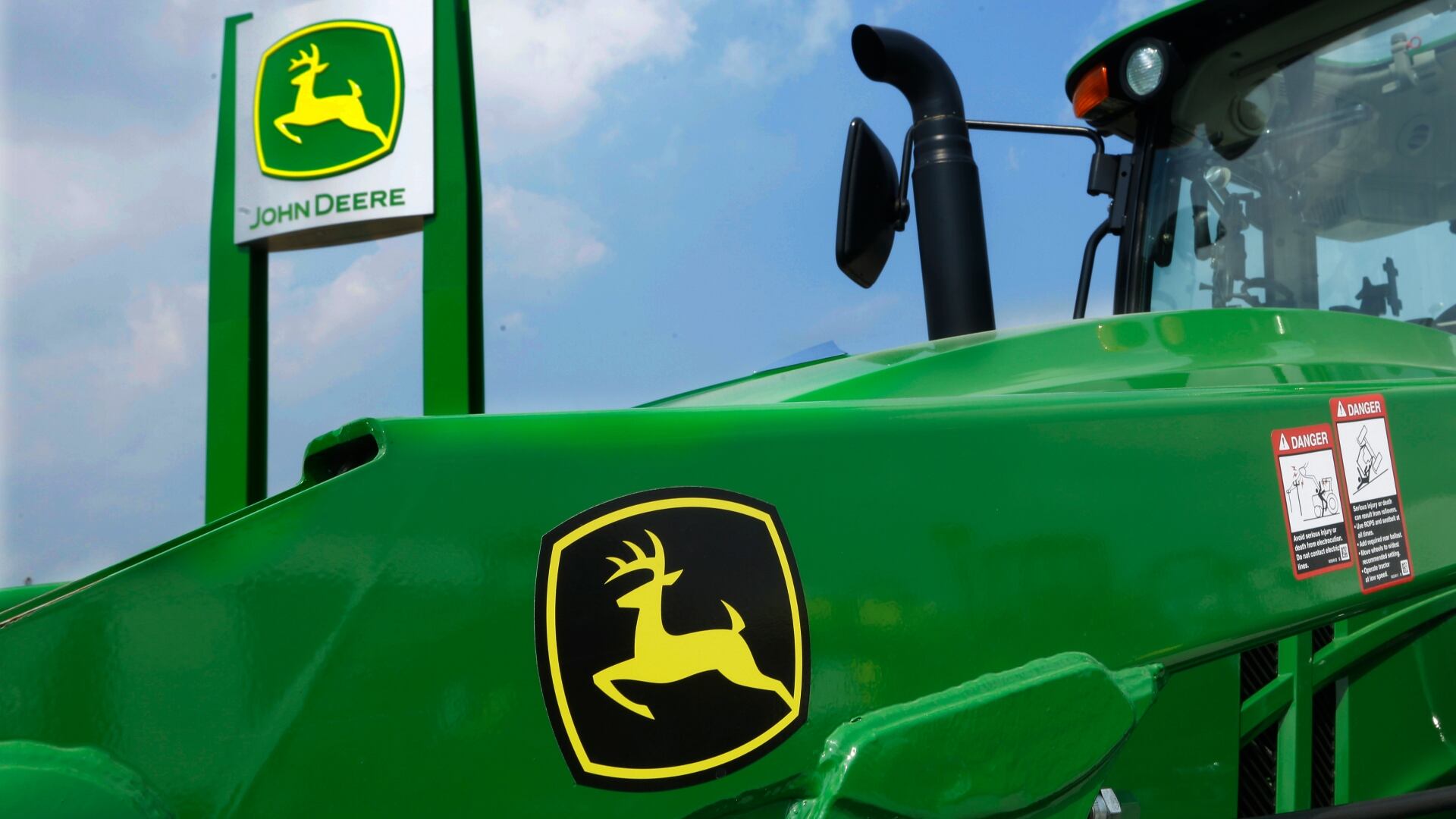
John Deere is getting on board the autonomous vehicle craze with its own self-driving tractors. The farming and forestry equipment manufacturer made the announcement at the 2022 CES convention in Las Vegas. Jahmy Hindman, chief technology officer at John Deere, spoke to Cheddar about the shift to self-driving to agriculture and how it will help farmers produce even more food as the world's population continues to grow. "It's all about trying to do more with less in farming," he said. "Labor's already a problem on the farm, and it's only getting to be more of a problem in the future. And we really view autonomy as a way to solve that problem."
John Grant, a senior analyst at OAG, and Jonathan Root, an airline analyst at Moody's, joined Cheddar to provide some insight into how mass cancellations are affecting both travelers and airlines after more than 5,000 U.S. flights were scrapped over the weekend. In addition to staff shortages linked to COVID-19, inclement weather reportedly also played a major role in the canceled flights, but Root downplayed the effect on revenues. "We're not concerned about the financial impact, which is going to be very manageable," he said. "We see these conditions as temporary with a favorable outlook as we pass the omicron wave."