Ford's business will gradually transition from its internal combustion vehicles to battery electric vehicles, but combustion vehicles will continue to grow for the next few years, CFO John Lawler told Cheddar News.
"Over time, we do see the transition between internal combustion engines — gas vehicles — to [battery electric vehicles] but that's going to be over time," he said. "We still see growth for [internal combustion engine] businesses over the next few years."
That optimism comes in spite of a $2.1 billion loss that Ford's electric vehicle division reported in 2022. The company anticipates the segment will lose an additional $3 billion in 2023, as it works toward profitability in 2026.
Lawler joined "Wake Up with Cheddar" after the automaker announced a major change in the way it reports financials. Instead of reporting geographic results, the new format will break out financials for three customer-facing groups. "Ford Blue" will include its traditional gasoline, diesel, and hybrid vehicles like the F-150 and Mustang. "Ford Model E" includes all electric vehicles, and "Ford Pro" includes commercial vehicles and fleets. The company is framing this shift as a whole new Ford.
"What we've done in creating Ford Blue, Ford Model E, and Ford Pro is far more than an accounting exercise. After 120 years, we've essentially refounded Ford," Lawler said on a call with the press on Wednesday evening.
Following the change, Ford also reviewed what 2021 and 2022 financials would have looked like in the new format. Whereas the Model E segment lost about $2.1 billion, Ford Blue and Ford Pro brought in $6.8 billion and $3.2 billion, respectively.
Lawler justified Model E's losses as par for the course for electric vehicles, describing the segment as a "startup that was buried inside of Ford Motor Company."
"Like all electric vehicle startups, you lose money at first as you're building scale, as you're designing your products, as you're growing and building share," he said.
The company's path to achieving 8 percent EBIT margin by 2026 in the Model E segment will be facilitated by scale and design efficiency for things like batteries, Lawler said. The company also plans to shave about $3 billion in structural costs from the company's balance sheet by 2026. Lawler said reducing design complexity and increasing reuse and commonality would be "some of the main levers" to cut those costs.
Ford was one of the biggest producers of electric vehicles in 2022, second only to Tesla. In spite of all the buzz around EVs, Lawler emphasized that Ford is still focusing on all three of its segments.
"Right now all three businesses are growth businesses," he said.
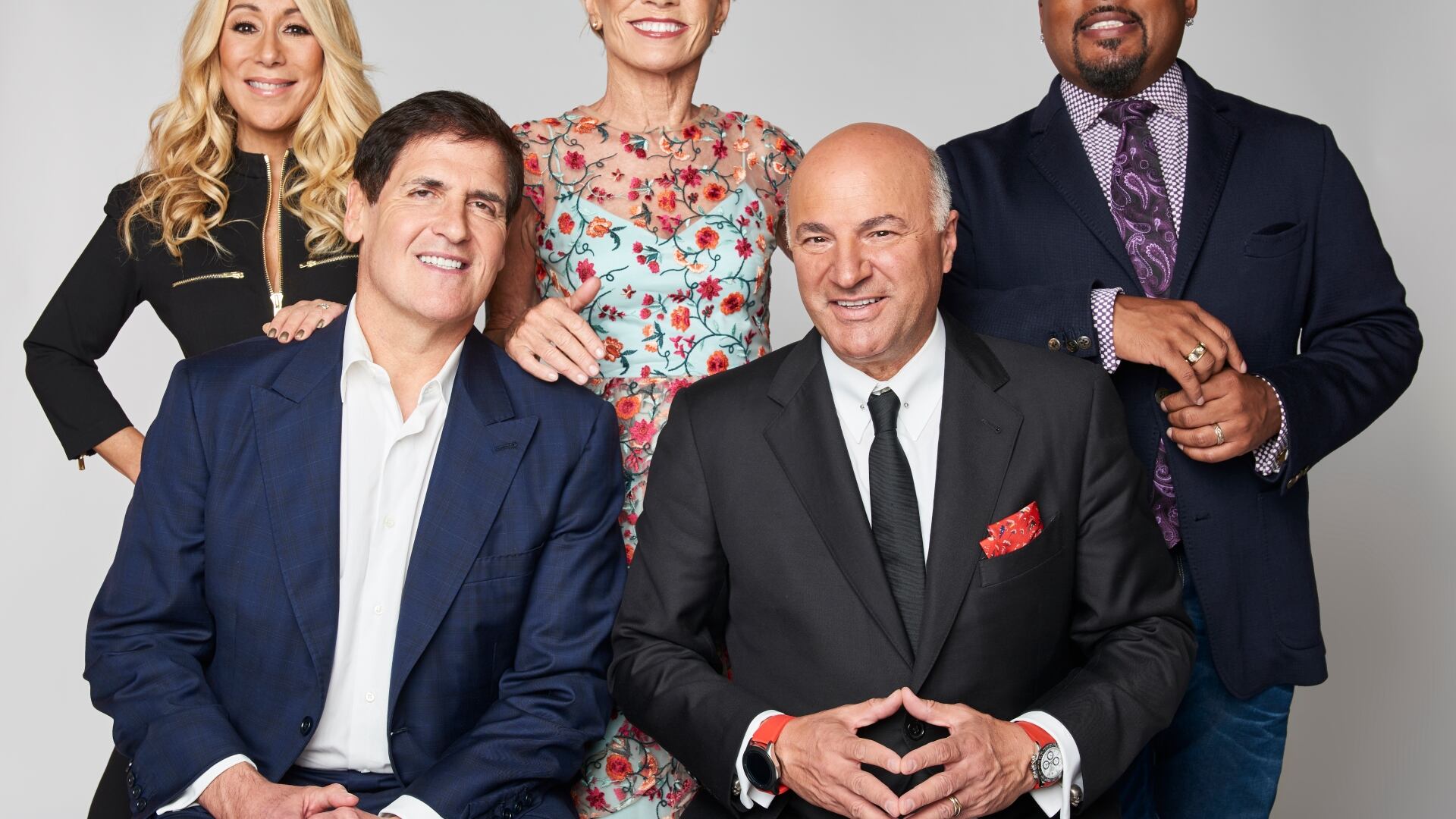
Janet Phan, founder of Thriving Elements and author of 'Boldly You,' joins Cheddar News to discuss the importance of being a mentor and how her organization is helping the next generation of STEM leaders.
Jobs website Glassdoor has released its annual Best Places to Work list with Nvidia, HubSpot, and Bain & Company. While the tech sector holds 40 percent of the rankings, Facebook parent company Meta notably dropped 36 places from last year.
Domino's is planning ahead for surging food costs, anticipating an 8 to 10 percent rise due to inflation and labor shortages. The pizza chain will be changing promotions to offset the overhead, such as making some of its discounts online orders only.
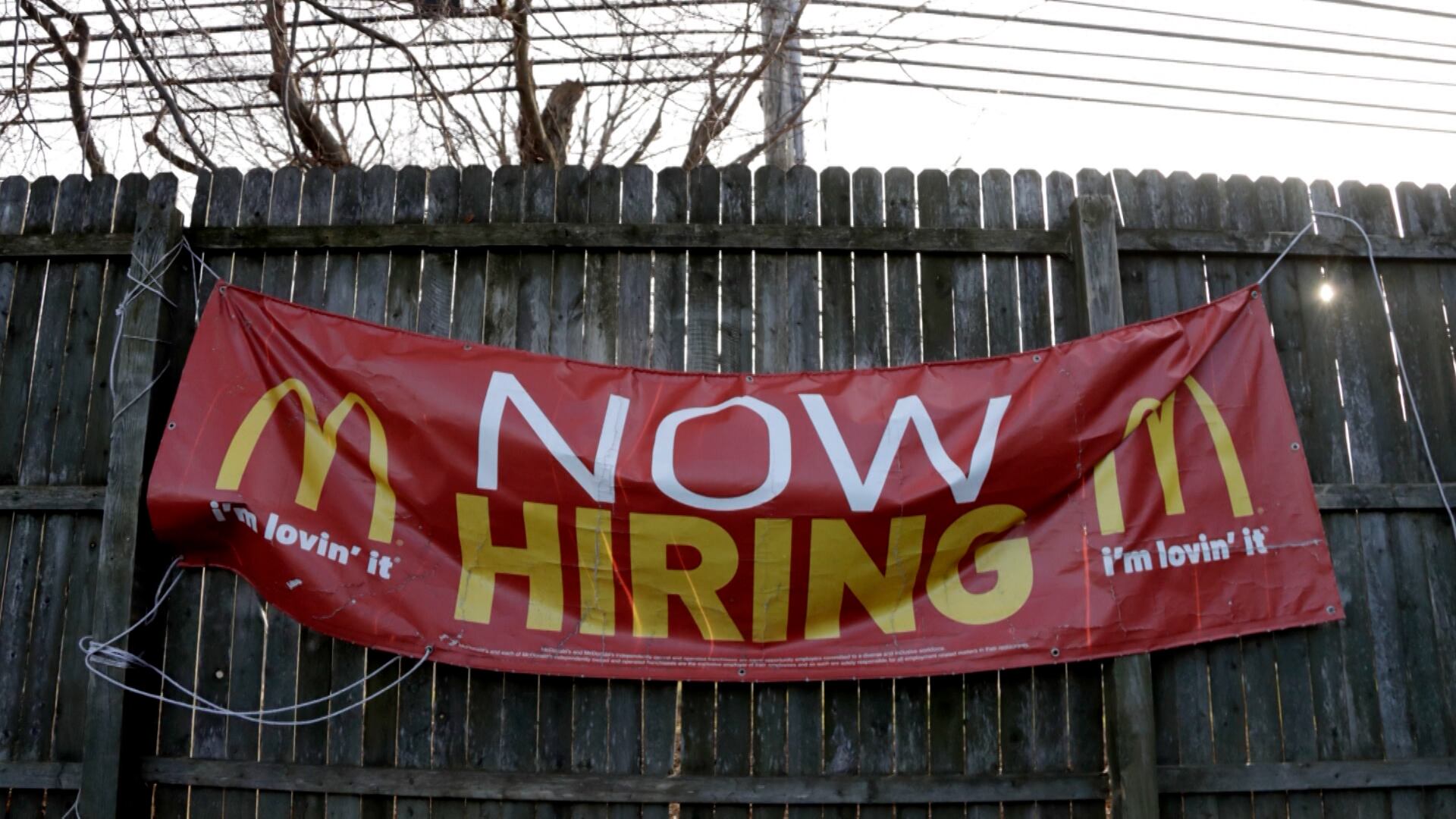
A record 4.5 million Americans quit their jobs in November as people continue to take advantage of red hot job market. The resignation rate is now the highest in the two decades the government has kept records, with many people voluntarily leaving their current jobs for other opportunities. Harley Lippman, CEO of Genesis 10, discusses how why so many people are quitting their jobs right now, and how the tech sector is being impacted.
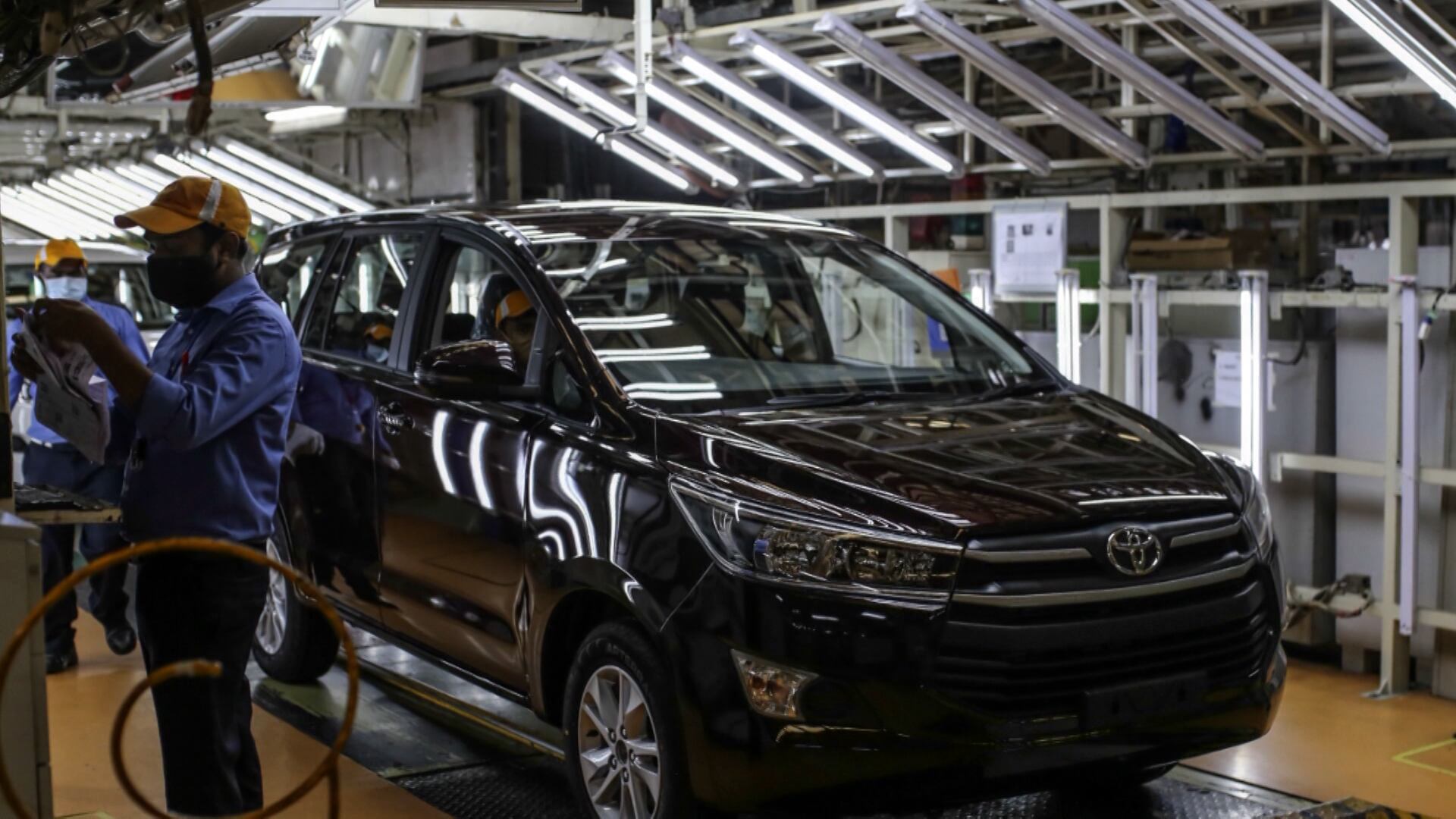
Michelle Krebs, Executive Analyst at Cox Automotive, discusses the factors that led to Toyotas sales growth and highlights the challenges automakers have shifting to all-electric fleets.
The December jobs report was a mixed bag, with the U.S. adding just 199,000 jobs, less than half of the 422,000 forecasted. But there were some bright spots - the unemployment rate fell to a pandemic-era low of 3.9% and wages increased better than expected to 4.7% year-over-year. Heather Boushey, member of President Biden's council of economic advisers, joined Cheddar to gives her reaction to the jobs report, as well as an update on the state of the Build Back Better bill.
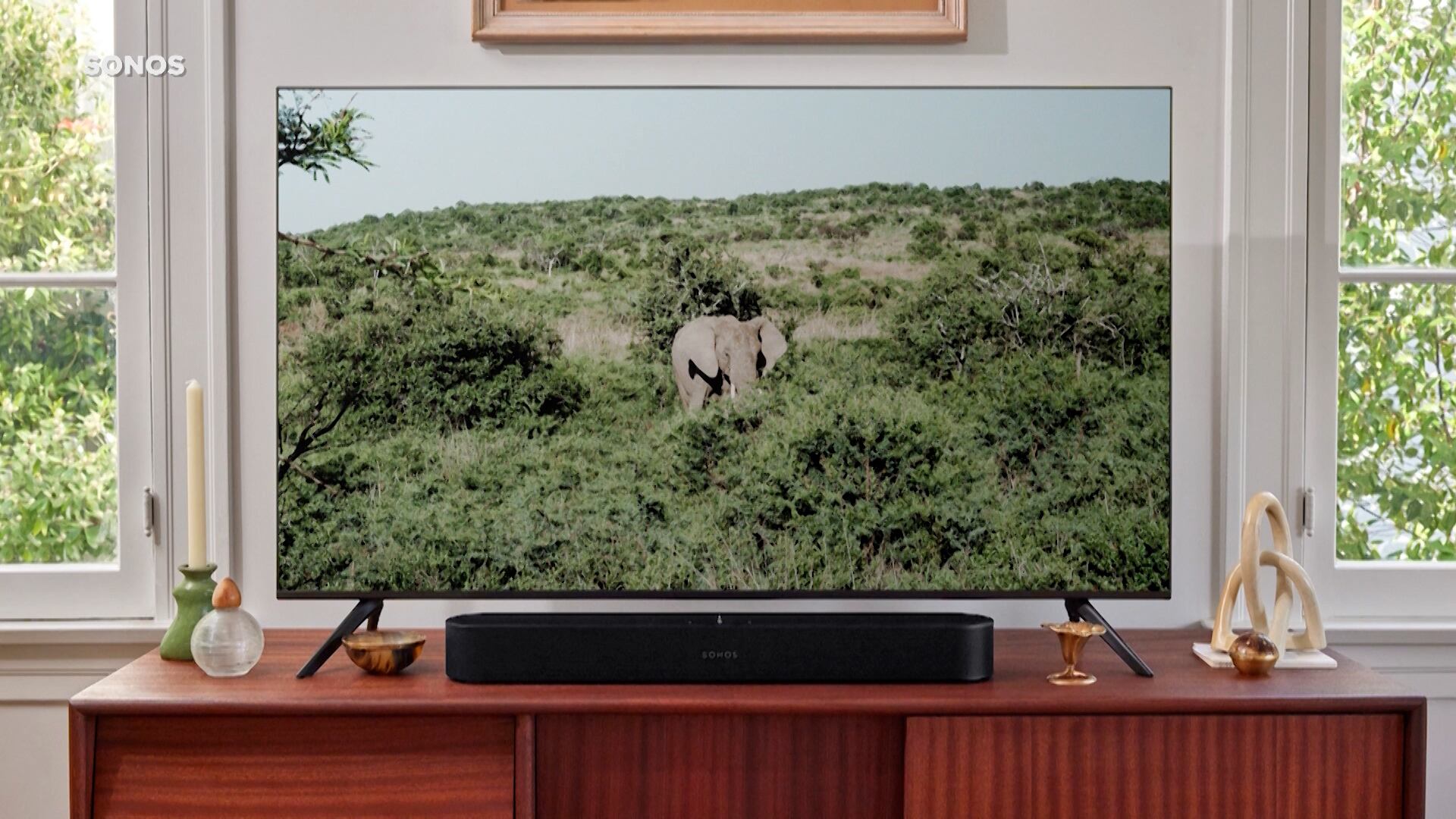
Amy Landers, Director of the Intellectual Property Concentration at Drexel University, breaks down what the Google-Sonos lawsuit means for consumers and addresses concerns about big corporations monopolizing patents within specific industries.
Kris Ruby, CEO of Ruby Media Group, talks about the challenges brands have retaining customers and how crypto is becoming a popular reward among brands.
While the pandemic caused financial troubles for many, the unique circumstances of the last two years proved helpful to many Americans. Whether it was the federal government's stimulus checks, expanded unemployment insurance, or general lockdowns, recent data reveals that the covid-19 pandemic helped many reach financial security. Neale Godfrey, Financial Expert and New York Times #1 Best Selling Author joined Cheddar's Opening Bell to discuss.