Ford's business will gradually transition from its internal combustion vehicles to battery electric vehicles, but combustion vehicles will continue to grow for the next few years, CFO John Lawler told Cheddar News.
"Over time, we do see the transition between internal combustion engines — gas vehicles — to [battery electric vehicles] but that's going to be over time," he said. "We still see growth for [internal combustion engine] businesses over the next few years."
That optimism comes in spite of a $2.1 billion loss that Ford's electric vehicle division reported in 2022. The company anticipates the segment will lose an additional $3 billion in 2023, as it works toward profitability in 2026.
Lawler joined "Wake Up with Cheddar" after the automaker announced a major change in the way it reports financials. Instead of reporting geographic results, the new format will break out financials for three customer-facing groups. "Ford Blue" will include its traditional gasoline, diesel, and hybrid vehicles like the F-150 and Mustang. "Ford Model E" includes all electric vehicles, and "Ford Pro" includes commercial vehicles and fleets. The company is framing this shift as a whole new Ford.
"What we've done in creating Ford Blue, Ford Model E, and Ford Pro is far more than an accounting exercise. After 120 years, we've essentially refounded Ford," Lawler said on a call with the press on Wednesday evening.
Following the change, Ford also reviewed what 2021 and 2022 financials would have looked like in the new format. Whereas the Model E segment lost about $2.1 billion, Ford Blue and Ford Pro brought in $6.8 billion and $3.2 billion, respectively.
Lawler justified Model E's losses as par for the course for electric vehicles, describing the segment as a "startup that was buried inside of Ford Motor Company."
"Like all electric vehicle startups, you lose money at first as you're building scale, as you're designing your products, as you're growing and building share," he said.
The company's path to achieving 8 percent EBIT margin by 2026 in the Model E segment will be facilitated by scale and design efficiency for things like batteries, Lawler said. The company also plans to shave about $3 billion in structural costs from the company's balance sheet by 2026. Lawler said reducing design complexity and increasing reuse and commonality would be "some of the main levers" to cut those costs.
Ford was one of the biggest producers of electric vehicles in 2022, second only to Tesla. In spite of all the buzz around EVs, Lawler emphasized that Ford is still focusing on all three of its segments.
"Right now all three businesses are growth businesses," he said.
Stocks closed at session highs on the last trading day of the month, but the major indexes still ended up posting their worst months since the start of the pandemic. The S&P 500 and the Nasdaq both had their worst months since March 2020. Nancy Daoud, Private Wealth Advisor at Ameriprise Financial Services, joins Closing Bell to discuss today's close, her market predictions for the year, how the Federal Reserve's monetary policy will impact stocks, and more.
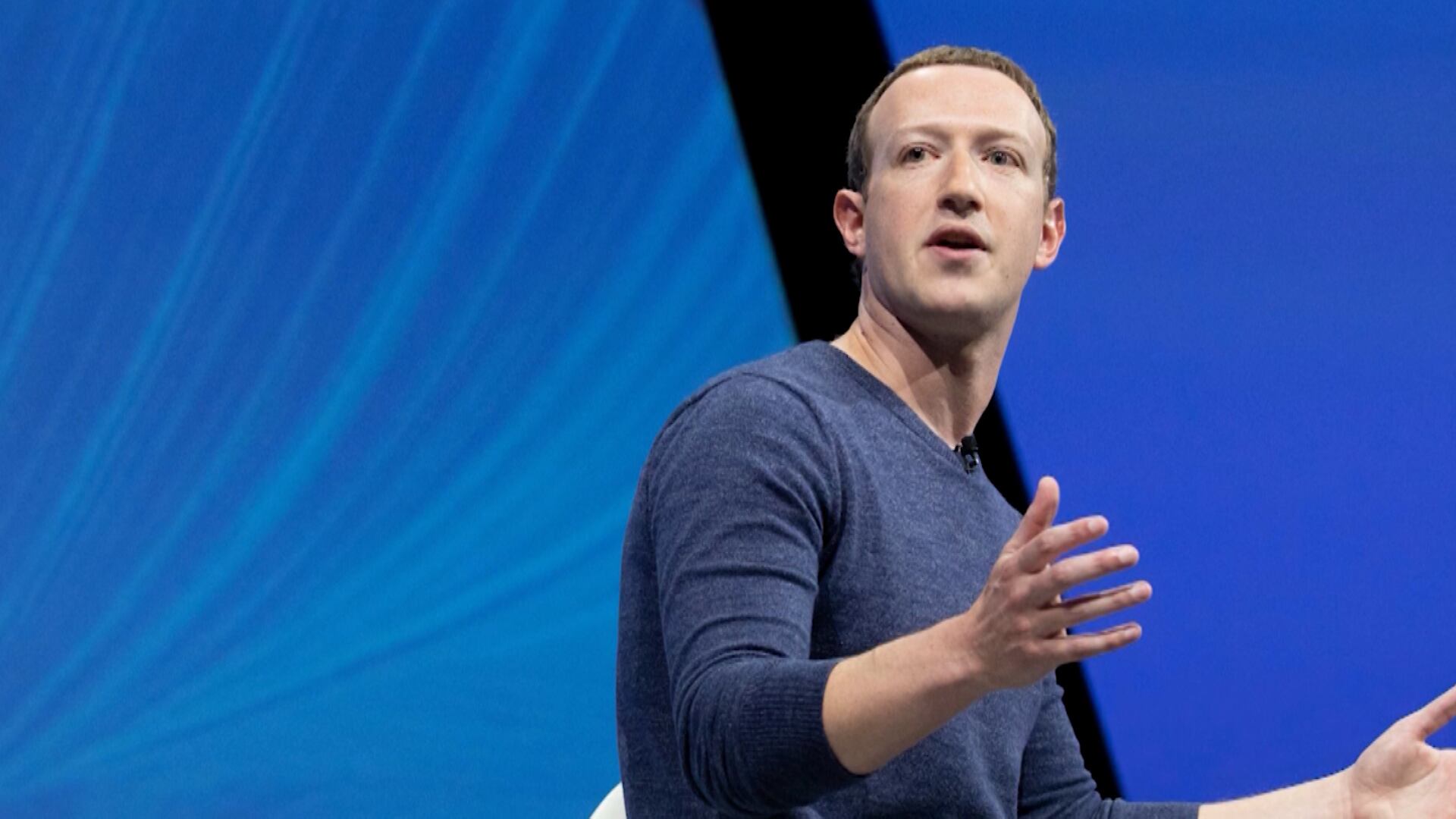
Rene Ritchie, independent tech analyst and co-founder of the Nebula Podcast, joins Cheddar News' Closing Bell, where he breaks down what investors will be looking for from Mark Zuckerberg this week and how the tech giants stack up when it comes to augmented reality and virtual reality products going forward.
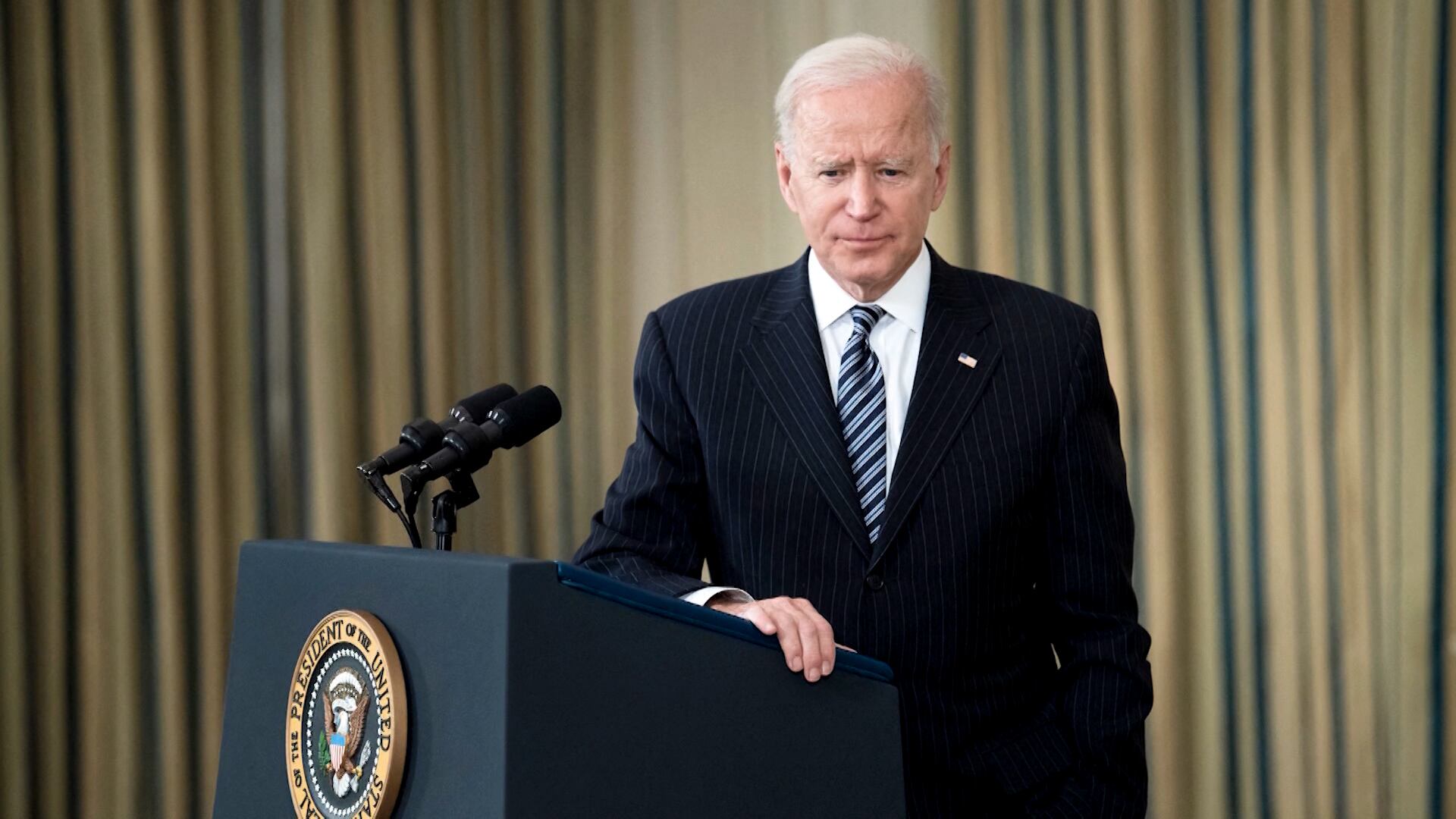
According to multiple reports, President Biden's upcoming executive order for the crypto marke would assign some government entities to study cryptocurrencies, stablecoins and NFT's with the goal of developing a workable regulatory framework. Douglas Borthwick, Chief Business Officer at INX, joins Cheddar News' Closing Bell, where he elaborates on what role the Biden administration would play under this order.
Nutritional supplement beverage company Athletic Greens has achieved unicorn status. The company announced a new $115 million funding round, bringing its valuation to $1.2 billion. The company's flagship product AG1 combines 75 different vitamins, minerals, and other nutrients into one daily serving. Athletic Greens says it is poised to reach the millions of consumers who are currently driving the health and wellness market's exponential growth. Athletic Greens founder and CEO Chris Ashenden joins Cheddar News' Closing Bell to discuss.
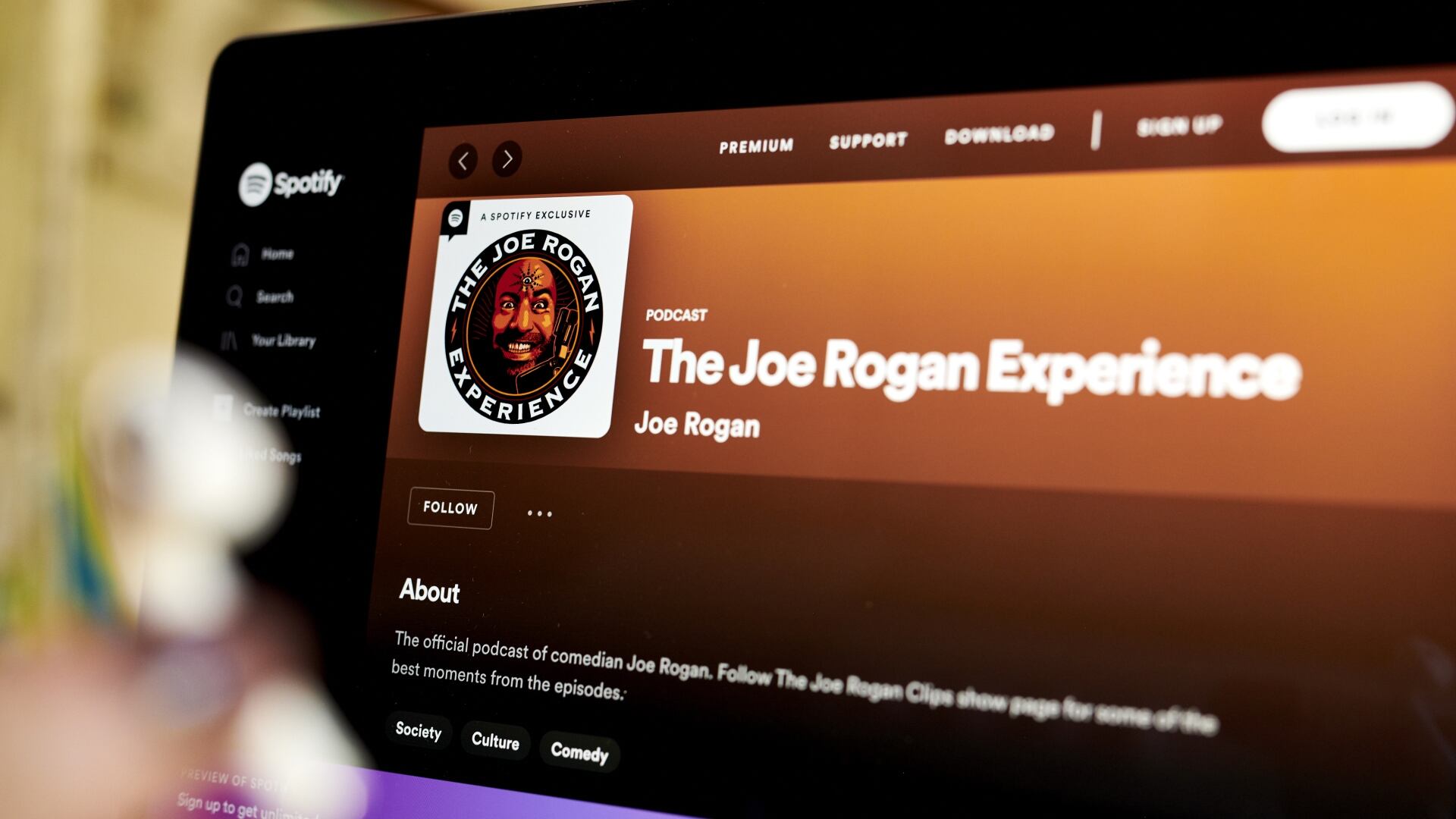
Is Spotify a platform for content creators, or is it a media company? The streaming giant may have to find an answer sooner rather than later amid a controversy involving its most popular podcast host, Joe Rogan. Rogan has hosted guests who have made false claims about COVID-19 vaccines, and in turn, some musicians like Neil Young and Joni Mitchell have removed their discographies from Spotify in protest. Rogan says he welcomes content advisories, and will balance out his guests going forward, but is it enough? And is Spotify liable in any way? John Freeman, Vice President of CFRA Research, joins Closing Bell to discuss Rogan's response to the controversy, whether Spotify should be considered a media company with responsibility for its content, and more.
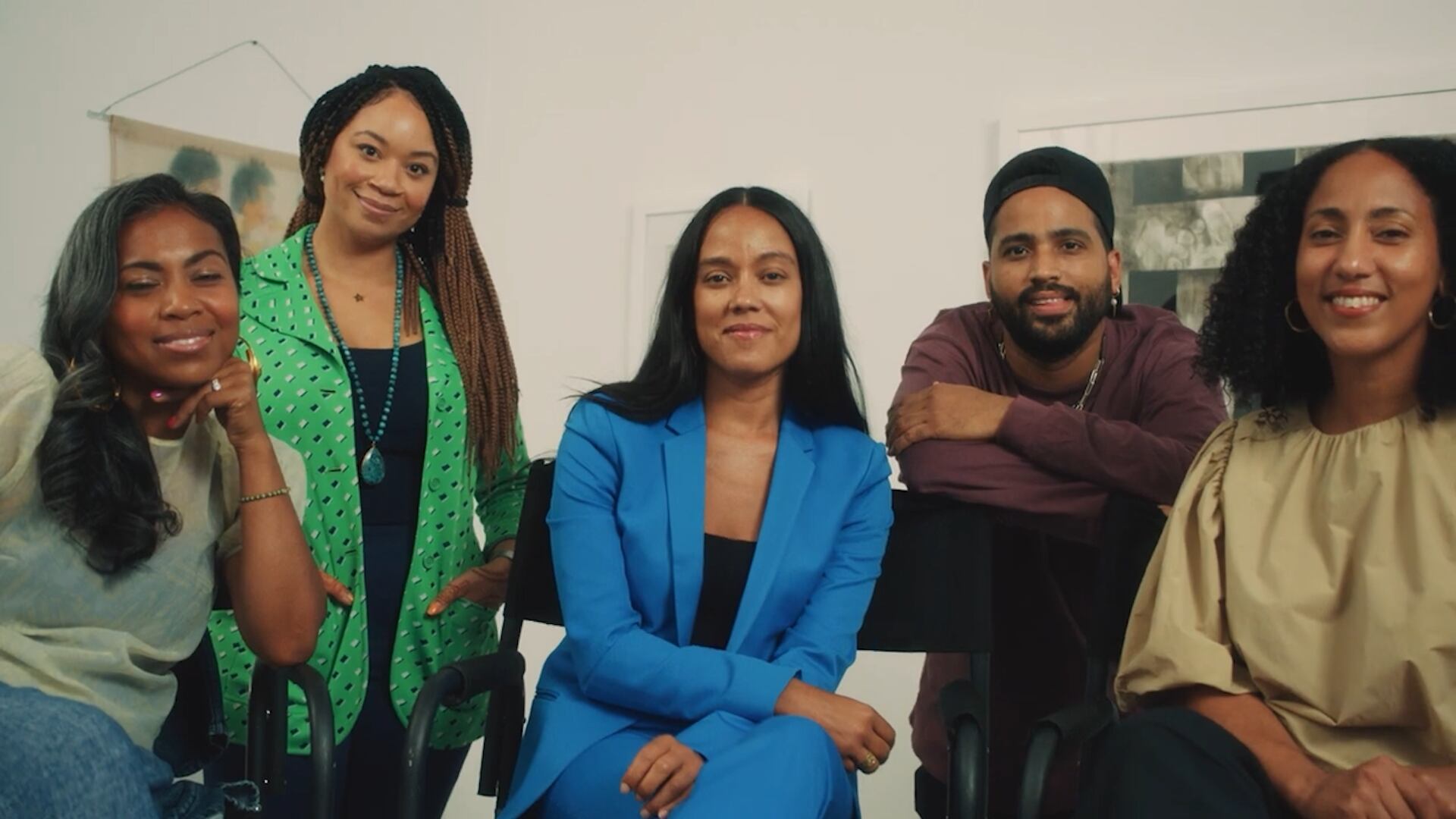
Michael Mitchell, senior director of brand at Mailchimp, joins Cheddar News to discuss the launch of Bloom Season and what every BIPOC entrepreneur needs to know to succeed.
Pax Labs, a leading electronic vaporizer company, plans to release its very first cannabis pod venture, of which different strands of cannabis will be available. COO Steven Jung spoke with Cheddar’s Chloe Aiello to talk about the release of the companies own line of 100 percent cannabis pods for use with its vaporizers. "I think this is the direction that most products are going," Jung noted. "If you look at the data, it would actually show you that most consumers are in fact looking for this kind of delivery mechanism in the product itself."
The gaming industry has seen multiple large scales deals this month alone, including Microsoft's megadeal for Activision Blizzard. And, seemingly in response, rival Sony, picked up Bungie for $3.6 billion, a studio once owned by both Microsoft and Activision. The sector is reportedly on track to spend $150 billion on mergers and acquisitions just this year alone, a record-breaking total, according to investment firm Drake Star Partners. Michael Metzger, a partner at the firm specializing in technology, media, and communications, joined Cheddar to discuss the flurry of deals in the gaming space and what might be behind the hot M&A activity.