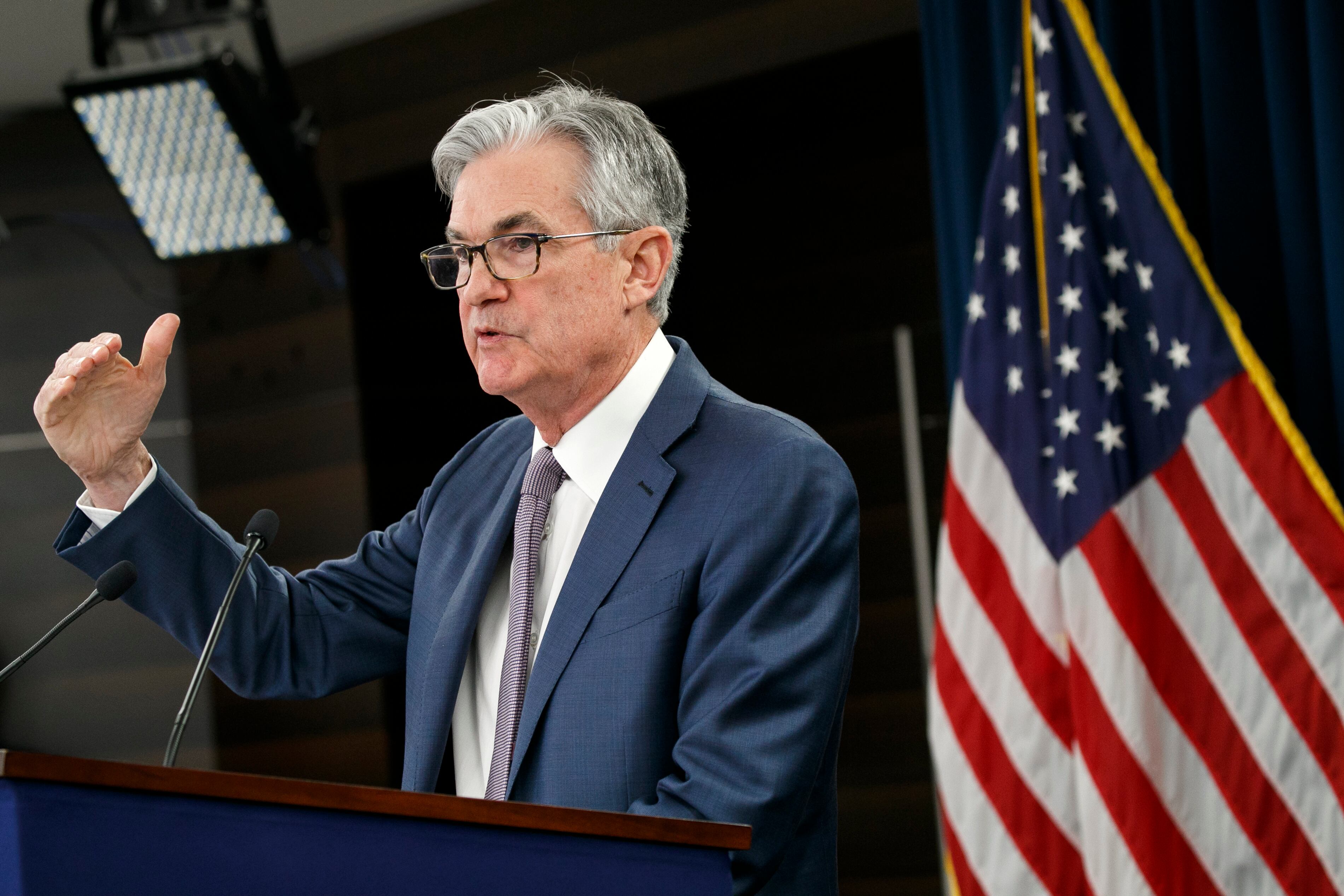
In this March 3, 2020 file photo, Federal Reserve Chair Jerome Powell speaks during a news conference to discuss an announcement from the Federal Open Market Committee, in Washington. (AP Photo/Jacquelyn Martin, File)
By Martin Crutsinger
The Federal Reserve announced a significant change Thursday in how it manages interest rates by saying it plans to keep rates near zero even after inflation has exceeded the Fed’s 2% target level.
The change signifies that the Fed is prepared to tolerate a higher level of inflation than it generally has in the past. And it means that borrowing rates for households and businesses — for everything from auto loans and home mortgages to corporate expansion — will likely remain ultra-low for years to come.
The new goal says that “following periods when inflation has been running persistently below 2%, appropriate monetary policy will likely aim to achieve inflation moderately above 2% for some time.”
The new Fed policy sought to underscore its belief that a low jobless rate was good for the economy by saying it would seek to assess the “shortfalls” in employment from the maximum level.
In a speech detailing the changes, Chairman Jerome Powell made clear that the policy change reflects the reality that high inflation — once the biggest threat to the economy — no longer appears to pose a serious danger, even when unemployment is low and the economy is growing strongly. Rather, Powell said, the economy has evolved in a way that allows the Fed to keep rates much lower than it otherwise would without igniting price pressures.
“The economy is always evolving,” Powell said. “Our revised statement reflects our appreciation for the benefits of a strong labor market, particularly for many in low- and moderate-income communities and that a robust job market can be sustained without causing an unwelcome increase in inflation."
In his speech, Powell said that the Fed's decision to allow unemployment to fall to a 50-year low before the pandemic had played an important role in lifting the fortunes of low-income workers.
As Meta and Microsoft ramp up their AR and VR tech futures, analysts have been waiting on word from Apple, but the consumer tech giant is reportedly delaying such an announcement. Doug Astrop, a managing partner at Exponential Investment Partners, joined Cheddar to dive into the rumors about the possibilities of a foray into the metaverse by Tim Cook's megacorp sometime in 2022 or 2023. "We can't really predict with a great deal of certainty how it's going to play out, but I'm confident Apple's going to be a big player and do very well in any scenario that unfolds," said Astrop.
Monster Beverage is charging into the beer and hard seltzer biz with its $330 acquisition of CANarchy Craft Brewery Collective. The energy drink finalized the deal a week after Constellation Brands Inc. made a deal with Coca-Cola to acquire the Fresca brand.
Ford has seen a record 52-week high for its valuation, hitting more than $100 billion for the first time. The rise in its stocks comes amid its push for more electric vehicles, including the highly anticipated F-150 Lightning pickup, coming this spring.
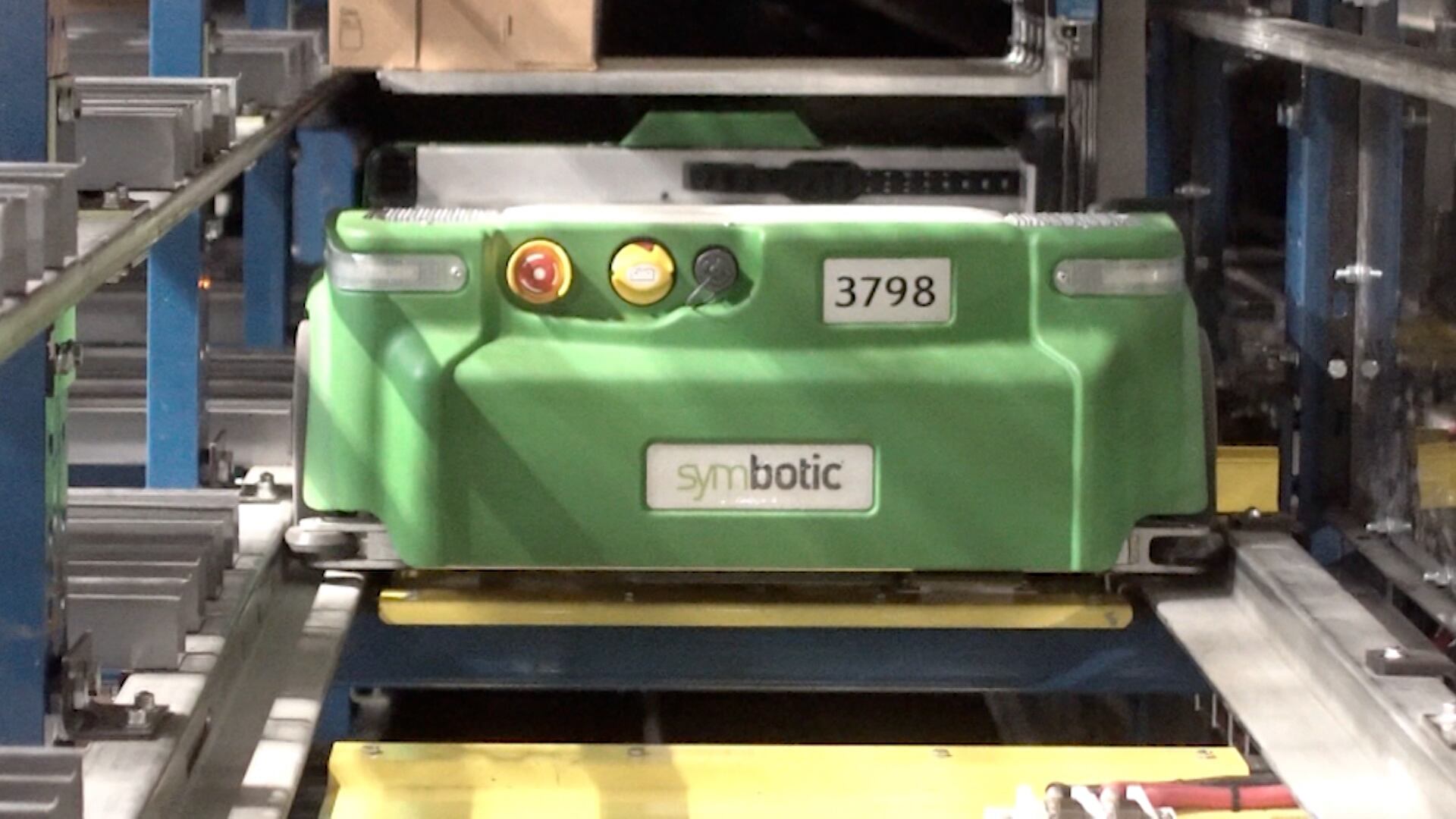
Specializing in AI, robotics, and automation for the global supply chain, Symbotic announced last month it will be tapping the public markets in a SPAC deal with investment giant SoftBank. Symbotic CFO Tom Ernst and Vikas Parekh, a managing partner at SoftBank Investment Advisers spoke with Cheddar about going public and the future of modernizing logistics amid the constrained supply networks. "The supply chain is fundamentally broken," said Ernst. "By employing the best in modern technology for autonomous vehicles and artificial intelligence, we're able to fundamentally rethink the way in which you receive and store and sort goods, making for a dramatically more efficient supply chain."
JP Morgan Chase beat Q4 earnings estimates, largely attributed to credit card borrowers and corporations. Meanwhile, Wells Fargo also reported strong quarterly earnings and saw a 15 percent growth in its shares for the year.
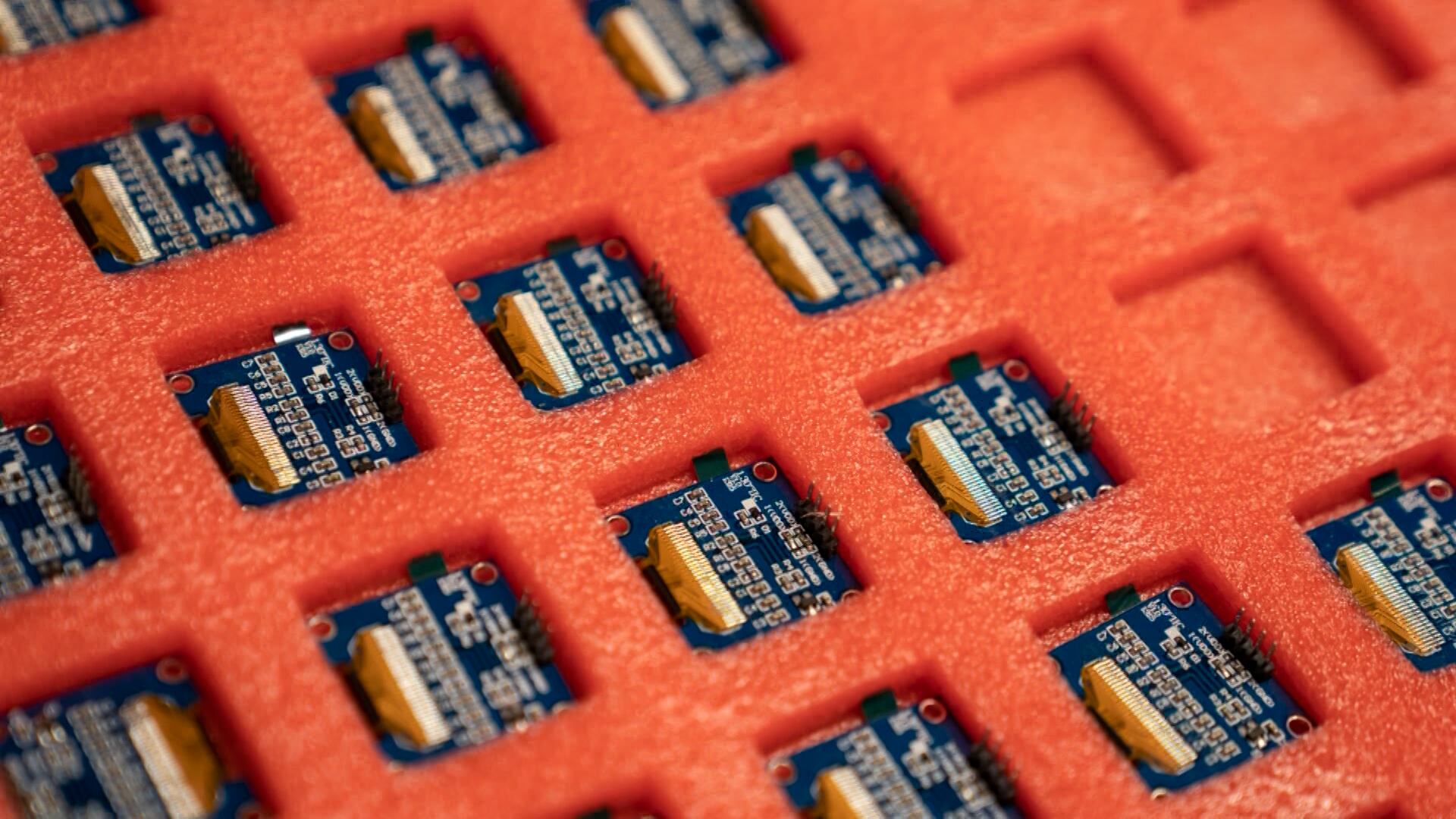
Taiwan Semiconductor Manufacturing Company (TSMC), the largest supplier of semiconductors, doubled its Q4 revenue forecast and announced a $44 billion investment for expanded chip manufacturing in 2022. Caleb Silver, Editor in Chief at Investopedia, joined Cheddar to discuss the future for the global tech giant. "It has the money. It has the equity. It has the dominance over the market, so not a surprise at all, and it's taking charge as we head into this sort of next phase of advanced chipmaking," Silver said.
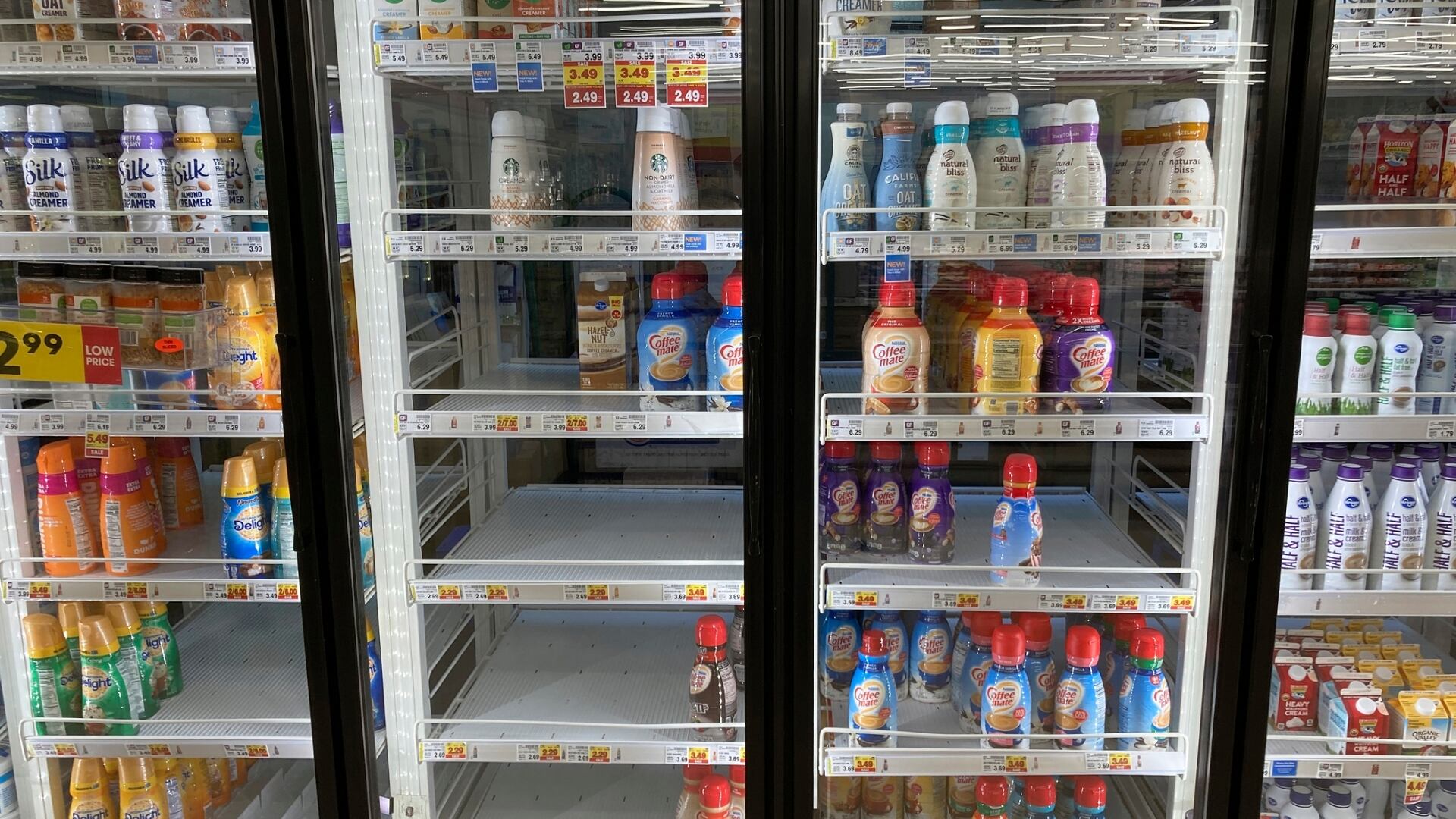
Grocery stores are restricting hours and services due to omicron-related labor and supply chain issues. This also comes at a time of labor unrest for supermarket giant Kroger as more than 8,000 workers at its King Soopers chain in Colorado have gone on strike.
Michael Hershfield, Founder & CEO of Accrue Savings, joined Wake Up With Cheddar to discuss the company's new round of funding, and its core mission of rewarding consumers for saving rather than taking on more debt with buy now, pay later options.