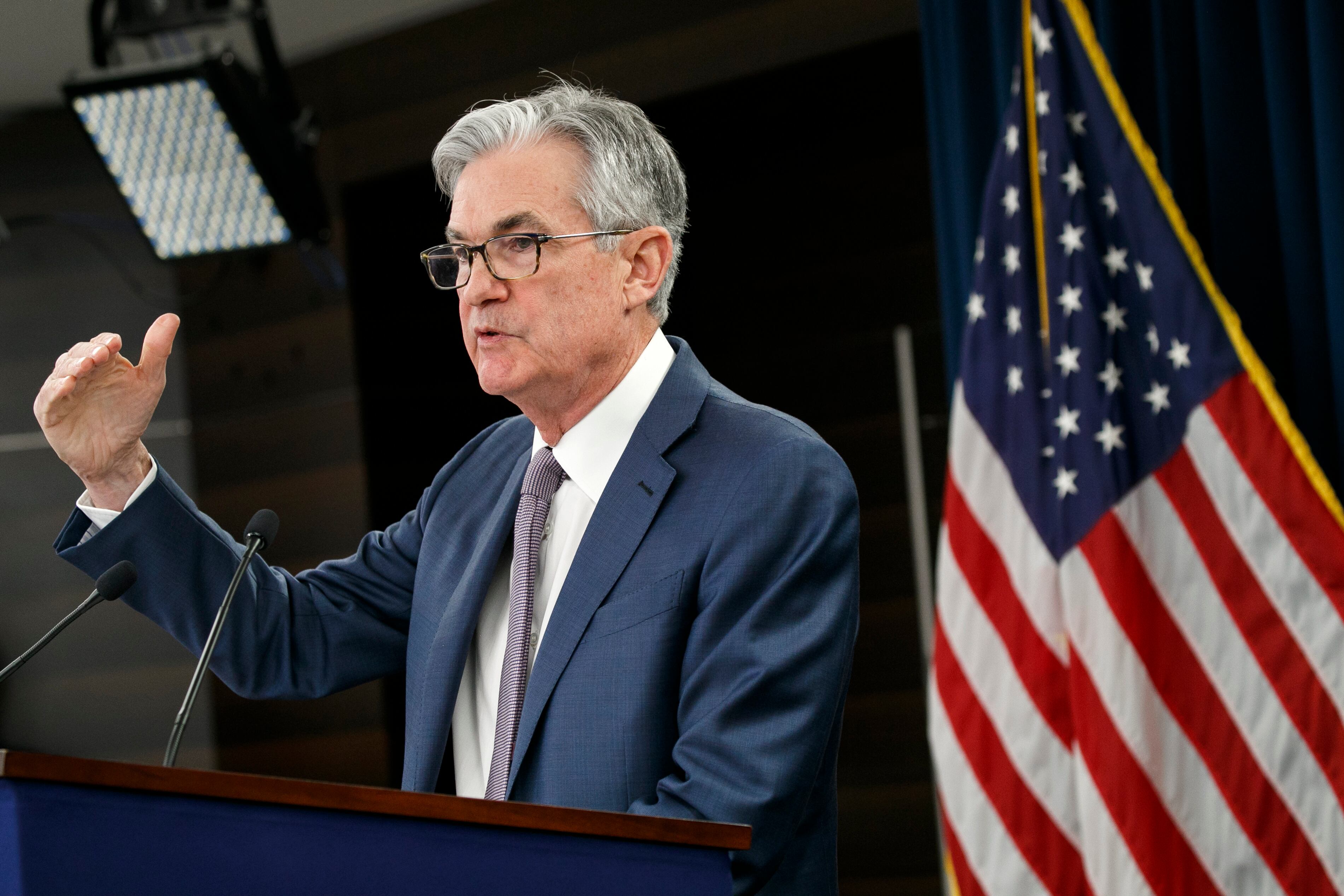
In this March 3, 2020 file photo, Federal Reserve Chair Jerome Powell speaks during a news conference to discuss an announcement from the Federal Open Market Committee, in Washington. (AP Photo/Jacquelyn Martin, File)
By Martin Crutsinger
The Federal Reserve announced a significant change Thursday in how it manages interest rates by saying it plans to keep rates near zero even after inflation has exceeded the Fed’s 2% target level.
The change signifies that the Fed is prepared to tolerate a higher level of inflation than it generally has in the past. And it means that borrowing rates for households and businesses — for everything from auto loans and home mortgages to corporate expansion — will likely remain ultra-low for years to come.
The new goal says that “following periods when inflation has been running persistently below 2%, appropriate monetary policy will likely aim to achieve inflation moderately above 2% for some time.”
The new Fed policy sought to underscore its belief that a low jobless rate was good for the economy by saying it would seek to assess the “shortfalls” in employment from the maximum level.
In a speech detailing the changes, Chairman Jerome Powell made clear that the policy change reflects the reality that high inflation — once the biggest threat to the economy — no longer appears to pose a serious danger, even when unemployment is low and the economy is growing strongly. Rather, Powell said, the economy has evolved in a way that allows the Fed to keep rates much lower than it otherwise would without igniting price pressures.
“The economy is always evolving,” Powell said. “Our revised statement reflects our appreciation for the benefits of a strong labor market, particularly for many in low- and moderate-income communities and that a robust job market can be sustained without causing an unwelcome increase in inflation."
In his speech, Powell said that the Fed's decision to allow unemployment to fall to a 50-year low before the pandemic had played an important role in lifting the fortunes of low-income workers.
The streaming giant Netflix posted its latest earnings from its fourth quarter after the close on Thursday. The company's stock plummeted shortly after the company warned that its rate of subscription additions are slowing down. Senior Reporter at MarketWatch Jon Swartz, joined Cheddar to discuss more.
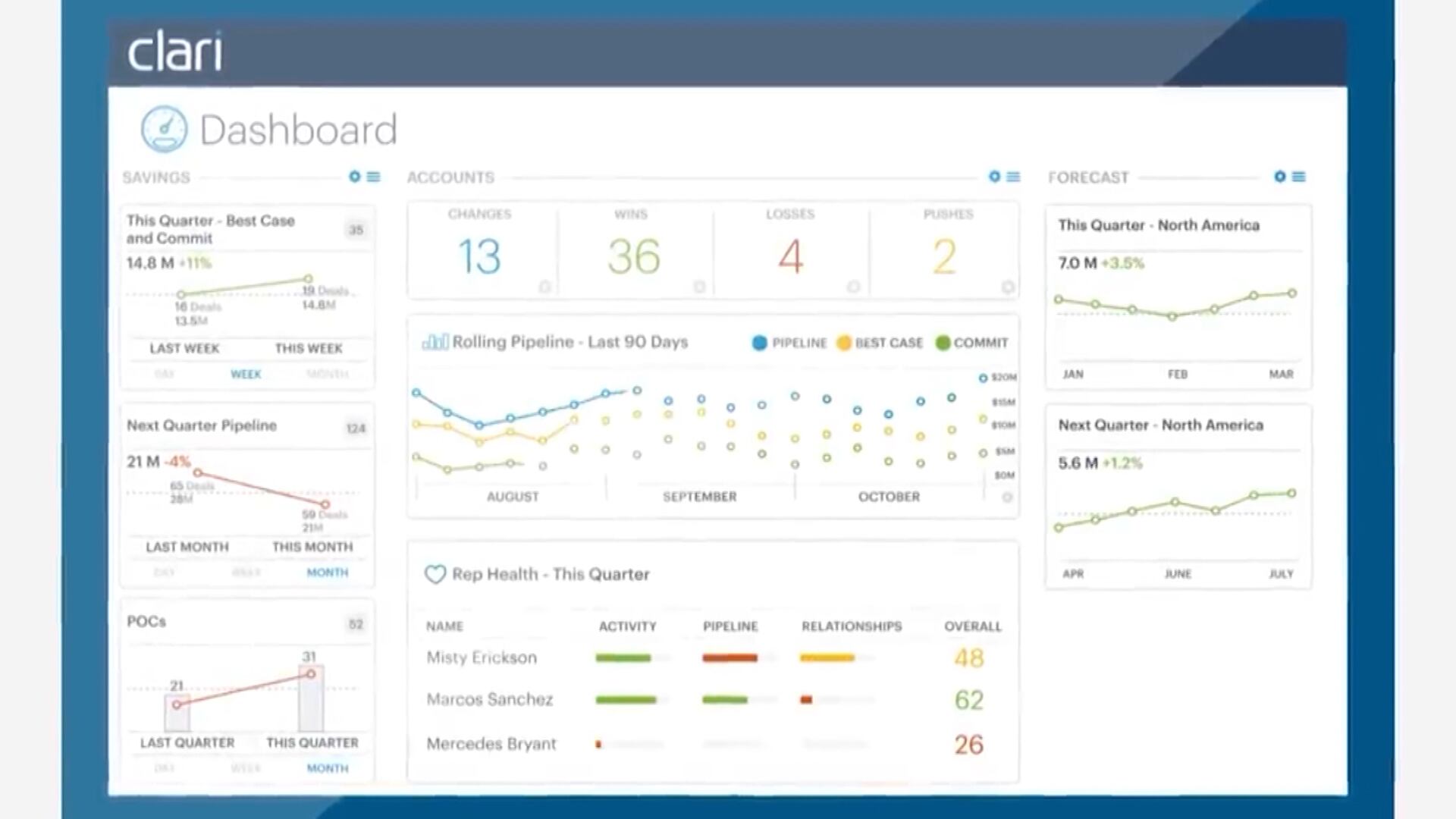
Revenue operations platform Clari recently raised $225 million in a Series F financing round led by Blackstone, bringing the company's valuation to more than $2.6 billion. Calri says more than 450 companies from around the world use its A.I.-powered platform to make their revenue operations more connected, efficient, and predictable. Clari CEO Andy Byrne joined Cheddar News' Closing Bell to discuss.
Technology company Unity announced it has acquired Ziva Dynamics. Marc Whitten, SVP & GM, Create at Unity, joins Cheddar News' Closing Bell, where he discusses how this move will help his company democratize real-time character creation.
Wellness retreats have grown in popularity as self-care has become a bigger focus during the pandemic. Jamie Costello, Vice President of Sales and Fitness at Pritikin Longevity Center, joined Cheddar to discuss the goals of a retreat program, and how to make health and wellness accessible to more people.
The gambling industry has seen a boom since shutting down in 2020, outpacing even pre-pandemic levels. But as gamblers have returned to the tables, there's been a rise in reports of gambling addiction as well. Sara Slane, founder of Slane Advisory and sports betting/casino gaming executive, joined Cheddar to discuss the state of the gambling industry.
Shares of Peloton recovered after CEO John Foley debunked rumors that the company would halt production of some products, confirming that the company will instead be quote 'right-sizing' production as it faces lagging demand.
This comeback for the stock comes after reports surfaced that Peloton could completely hit the brakes on production of its bikes and treadmills. In the last year, Peloton has wiped nearly $40 billion off its market cap, with its stock down over 70% in 2021. Doug Astrop, managing partner at Exponential Investment Partners, joined Cheddar Movers to discuss.
After an intense hours-long meltdown Monday, stocks closed higher in a last minute, stunning comeback. At one point, the Dow shed over 1,000 points, the tech-heavy Nasdaq was down close to 5% and inching toward correction territory, and the S&P 500 briefly hit a correction earlier in the day. During most of Monday's session, stocks were on track to mark their worst months since March 2020, and for the Nasdaq, since October 2008. Philip Palumbo, Founder, CEO and Chief Investment Officer of Palumbo Wealth Management, joined Cheddar News' Closing Bell to discuss today's stunning market comeback, whether there's more room for stocks to fall, his 2022 market predictions, and more.
Bobby Zagotta, CEO of Bitstamp USA, joins Cheddar News' Closing Bell, where he discusses what he expects to see from Bitcoin and other cryptocurrencies amid a volatile period in the market, and explains how his crypto exchange is helping investors.
Markets started the week on a rocky note: the major indexes at most points during the day were double digits off of their highs, on the path to their worst performances since March 2020 and for the Nasdaq, since October 2008. Investors were skittish about the Federal Reserve's meeting this week, where the central bank is expected to announce more details about its plans to hike interest rates and taper asset purchasing this year. Art Hogan, Chief Market Strategist at National Securities, joined Cheddar News' Closing Bell to discuss today's market meltdown, why investors were feeling pressure, what to expect from the Fed, and more.