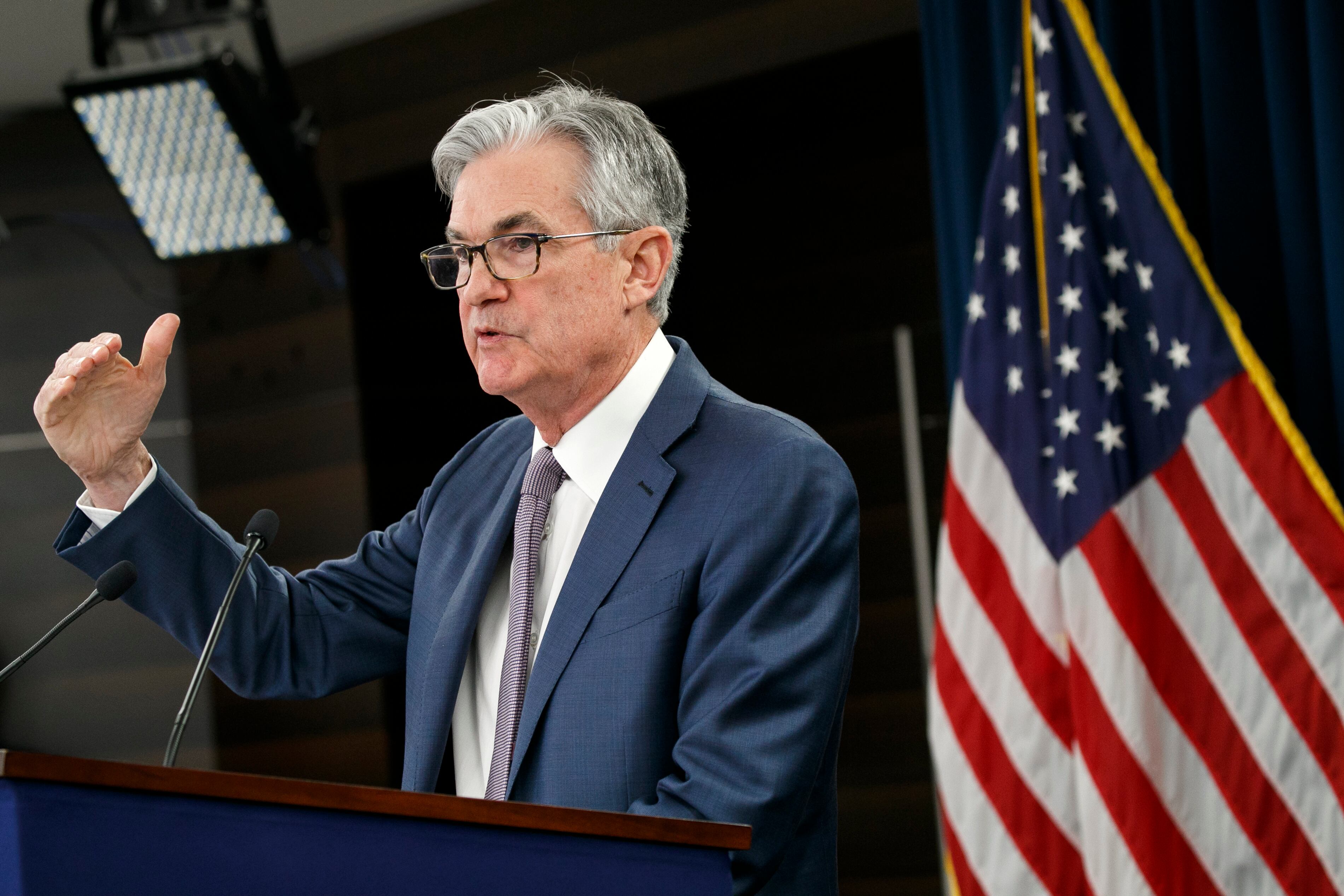
In this March 3, 2020 file photo, Federal Reserve Chair Jerome Powell speaks during a news conference to discuss an announcement from the Federal Open Market Committee, in Washington. (AP Photo/Jacquelyn Martin, File)
By Martin Crutsinger
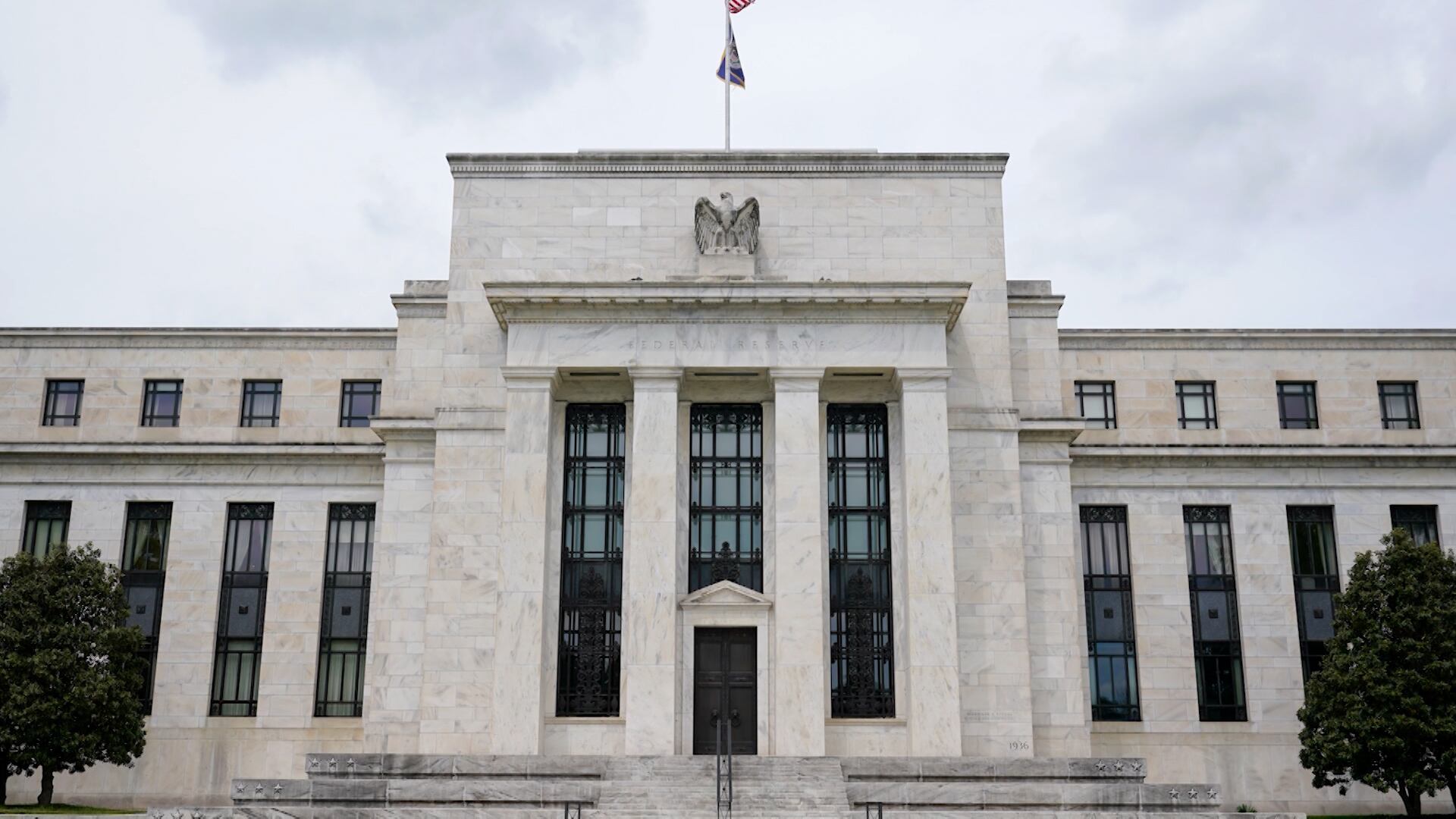
The Federal Reserve announced a significant change Thursday in how it manages interest rates by saying it plans to keep rates near zero even after inflation has exceeded the Fed’s 2% target level.
The change signifies that the Fed is prepared to tolerate a higher level of inflation than it generally has in the past. And it means that borrowing rates for households and businesses — for everything from auto loans and home mortgages to corporate expansion — will likely remain ultra-low for years to come.
The new goal says that “following periods when inflation has been running persistently below 2%, appropriate monetary policy will likely aim to achieve inflation moderately above 2% for some time.”
The new Fed policy sought to underscore its belief that a low jobless rate was good for the economy by saying it would seek to assess the “shortfalls” in employment from the maximum level.
In a speech detailing the changes, Chairman Jerome Powell made clear that the policy change reflects the reality that high inflation — once the biggest threat to the economy — no longer appears to pose a serious danger, even when unemployment is low and the economy is growing strongly. Rather, Powell said, the economy has evolved in a way that allows the Fed to keep rates much lower than it otherwise would without igniting price pressures.
“The economy is always evolving,” Powell said. “Our revised statement reflects our appreciation for the benefits of a strong labor market, particularly for many in low- and moderate-income communities and that a robust job market can be sustained without causing an unwelcome increase in inflation."
In his speech, Powell said that the Fed's decision to allow unemployment to fall to a 50-year low before the pandemic had played an important role in lifting the fortunes of low-income workers.
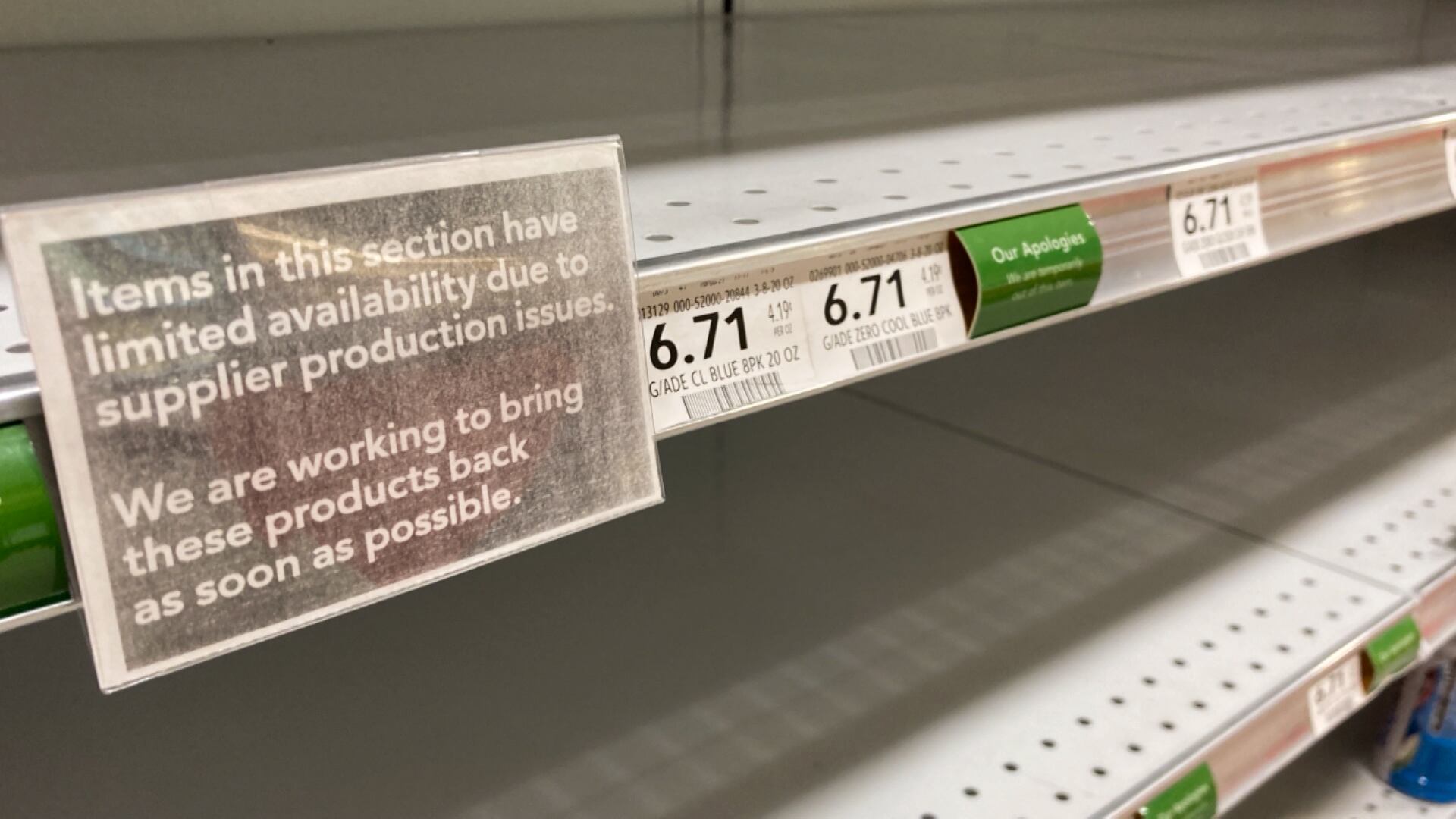
A growing number of workers at major produce companies, processing plants, and grocery stores are calling out sick.
These virus-related absences are resulting in product shortages, leaving supermarket shelves far from full. Jesse Newman, agriculture reporter at The Wall Street Journal, joins Cheddar News to discuss.
There may be some light at the end of the tunnel for struggling retailer Kohl's. Shares soared more than 35 percent on Monday on reports that a second takeover could potentially be in the works - just days after a group backed by activist investment firm Starboard Value proposed buying the company. Private equity firm Sycamore Partners has allegedly reached out to Kohl's, offering to pay at least $65 per share in cash for the company - giving it a valuation of close to $9 billion. Joel Bines, Global Head of Retail at AlixPartners, joined Cheddar Movers to discuss the potential takeover as well as the state of retail in the U.S.
Big Apple workers who deliver for food apps like Doordash and Grubhub will now receive a number of legal protections provided through a package of new regulations that have started going into effect. These updated rules include more control over their deliveries, pay and tip transparency, a higher minimum pay rate, and access to restaurant bathrooms during the workday. New York City Comptroller Brad Lander joined Cheddar to elaborate on the regulations and how the platform holders reacted. "I have to say it's a mixed bag," he said. "Grubhub actually welcomed the legislation and said they recognize they need to do better by their deliveristas, but DoorDash, unfortunately, has actually been pushing back against the legislation."
Stocks closed mixed Wednesday after the Federal Reserve's announcement about potential rate hikes this year, beginning as soon as March. That would be the central bank's first rate hike since 2018, and Chair Jerome Powell also didn't rule out a potential rate hike at every meeting in order to combat inflation. RC Peck, CIO of Fearless Wealth, joined Closing Bell to discuss today's close, the Fed's announcement, Tesla's Q4 2021 earnings results, and more.
Stocks closed lower Tuesday, but off session lows amid continued volatility as investors await this week's Federal Reserve meeting, where the central bank is expected to introduce tighter monetary policy. Microsoft also reported second quarter fiscal 2022 earnings after the bell. The tech giant beat on both top and bottom lines, but shares fell after hours. David Stryzewski, CEO of the Sound Planning Group, joins Cheddar News' Closing Bell to discuss today's close, predictions for this week's Fed meeting, Microsoft's earnings report, and more.
Thomas Hoenig, Former CEO of Federal Reserve Bank of Kansas City and currently Distinguished Senior Fellow with the Mercatus Center, joined Cheddar News' Closing Bell, where he says the Fed's decision was no surprise, but believes the Fed is behind the curve on raising rates.
Business communication platform Slack, recently released its fifth wave of results from its global workplace survey from its Future Forum consortium, showing that the workforce has already moved to a split between working from home and going to the office. “We are now officially in the hybrid era of work,” Slack Future Forum VP Sheela Subramanian said when discussing the findings. "Hybrid is a work model where people can come into the office as well as work remotely, and what we're seeing is that the majority of knowledge workers are now in this arrangement — and that number is set to grow."