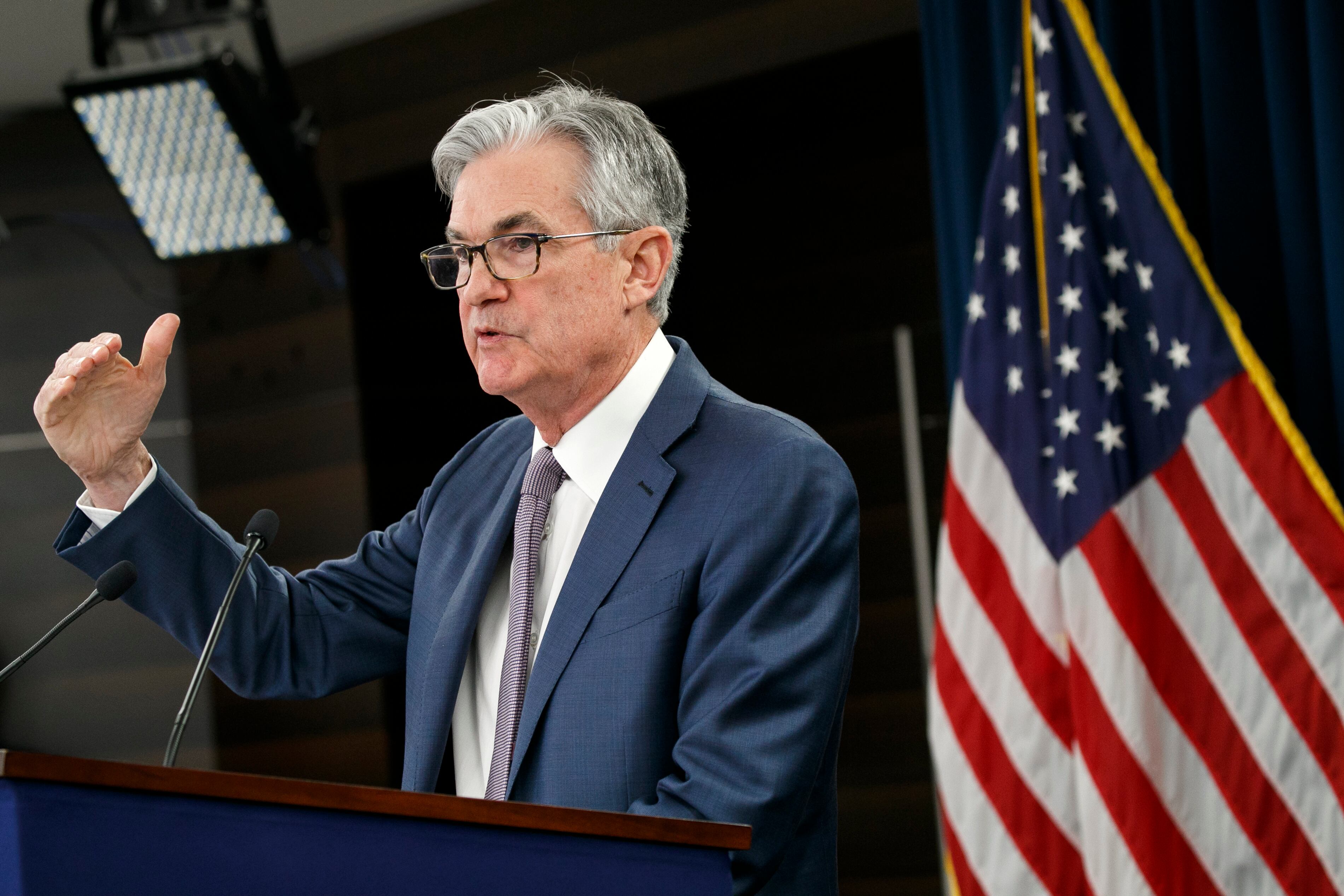
In this March 3, 2020 file photo, Federal Reserve Chair Jerome Powell speaks during a news conference to discuss an announcement from the Federal Open Market Committee, in Washington. (AP Photo/Jacquelyn Martin, File)
By Martin Crutsinger
The Federal Reserve announced a significant change Thursday in how it manages interest rates by saying it plans to keep rates near zero even after inflation has exceeded the Fed’s 2% target level.
The change signifies that the Fed is prepared to tolerate a higher level of inflation than it generally has in the past. And it means that borrowing rates for households and businesses — for everything from auto loans and home mortgages to corporate expansion — will likely remain ultra-low for years to come.
The new goal says that “following periods when inflation has been running persistently below 2%, appropriate monetary policy will likely aim to achieve inflation moderately above 2% for some time.”
The new Fed policy sought to underscore its belief that a low jobless rate was good for the economy by saying it would seek to assess the “shortfalls” in employment from the maximum level.
In a speech detailing the changes, Chairman Jerome Powell made clear that the policy change reflects the reality that high inflation — once the biggest threat to the economy — no longer appears to pose a serious danger, even when unemployment is low and the economy is growing strongly. Rather, Powell said, the economy has evolved in a way that allows the Fed to keep rates much lower than it otherwise would without igniting price pressures.
“The economy is always evolving,” Powell said. “Our revised statement reflects our appreciation for the benefits of a strong labor market, particularly for many in low- and moderate-income communities and that a robust job market can be sustained without causing an unwelcome increase in inflation."
In his speech, Powell said that the Fed's decision to allow unemployment to fall to a 50-year low before the pandemic had played an important role in lifting the fortunes of low-income workers.
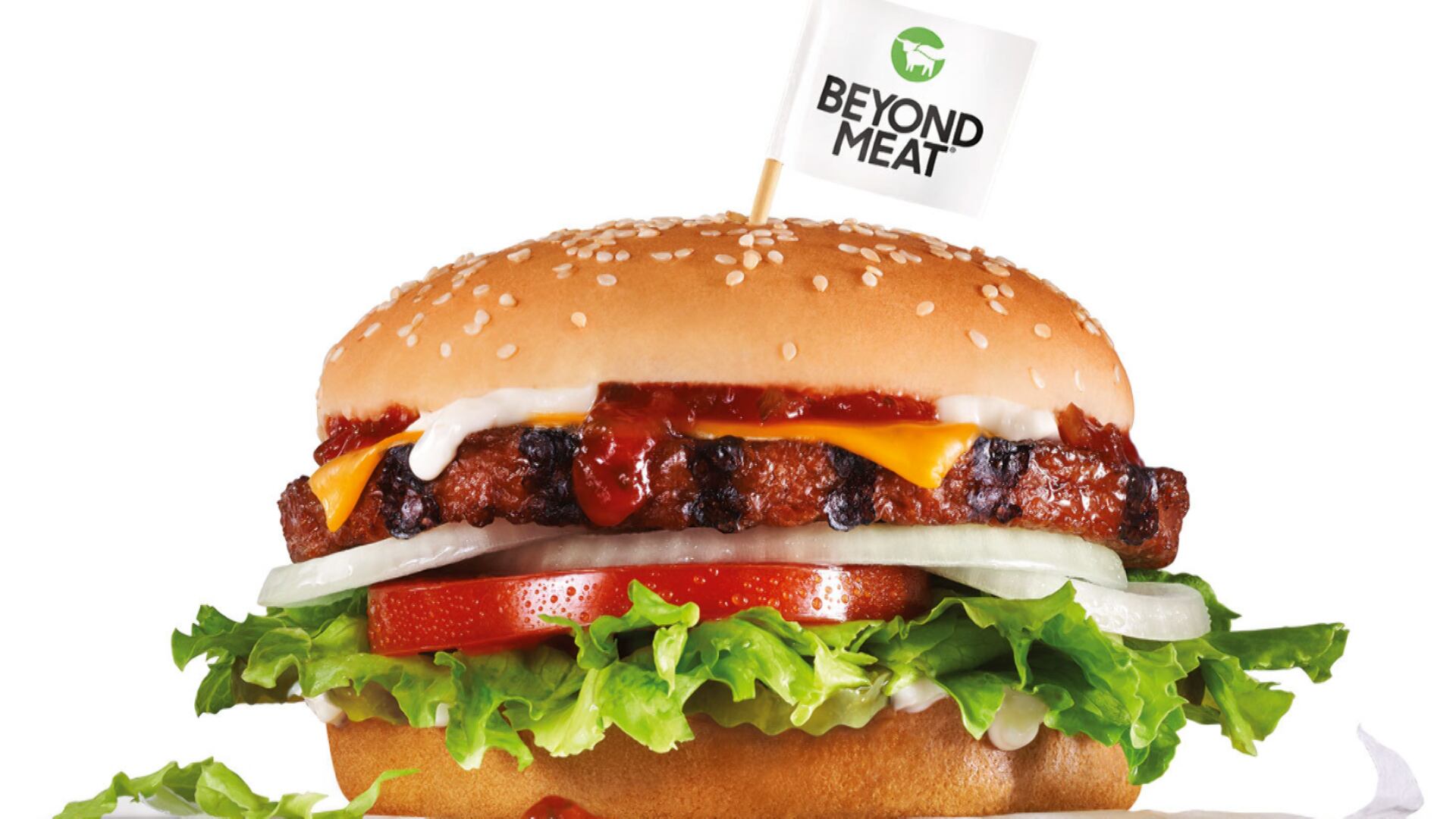
Plant-based meat giant Beyond Meat's reign over the fast food world continues, as McDonald's announced that it is expanding its test of Beyond's McPlant burger, to nearly 600 restaurants, an increase from the eight that it's been testing in since November. This comes less than two weeks after Beyond Fried Chicken made its nationwide debut at KFC restaurants, the first time that plant based chicken has been widely distributed in a fast food capacity. Arun Sundaram, Senior Equity Analyst at CFRA Research explains why these latest collaborations may be proof that Beyond Meat products could slowly be becoming an unlikely staple in the fast food and chain restaurant world as consumers opt for more healthy food options.
It's a big weekend for sports betting, with the NFL conference championships and Australian Open finals expected to bring the industry even more traffic. And if record viewership of the divisional playoff game between the Chiefs and Bills was any indication, sports betting will only continue to grow as football season comes to an end. Joe Raineri, sports betting analyst at SportsGrid, joined Cheddar to discuss how these sporting events could impact the industry, which is expected to get even bigger in 2022.
Ross Gerber, Co-Founder, President, and CEO of Gerber Kawaski Wealth and Investment Management, joins Cheddar News' Closing Bell, where he says now is a great opportunity to buy low on Tesla after shares fell in light of the EV giant's latest earnings report.
High-speed connectivity solutions provider Credo went public on the Nasdaq on Thursday, raising $200 million in its IPO. CEO Bill Brennan, joined Cheddar to discuss its entry into the capital markets and the next chapter for the company. "We're going to be focused on what we have been focused on, which is really creating, creating innovative connectivity solutions that really pushed the edge on efficient power as well as very effective cost," he said.
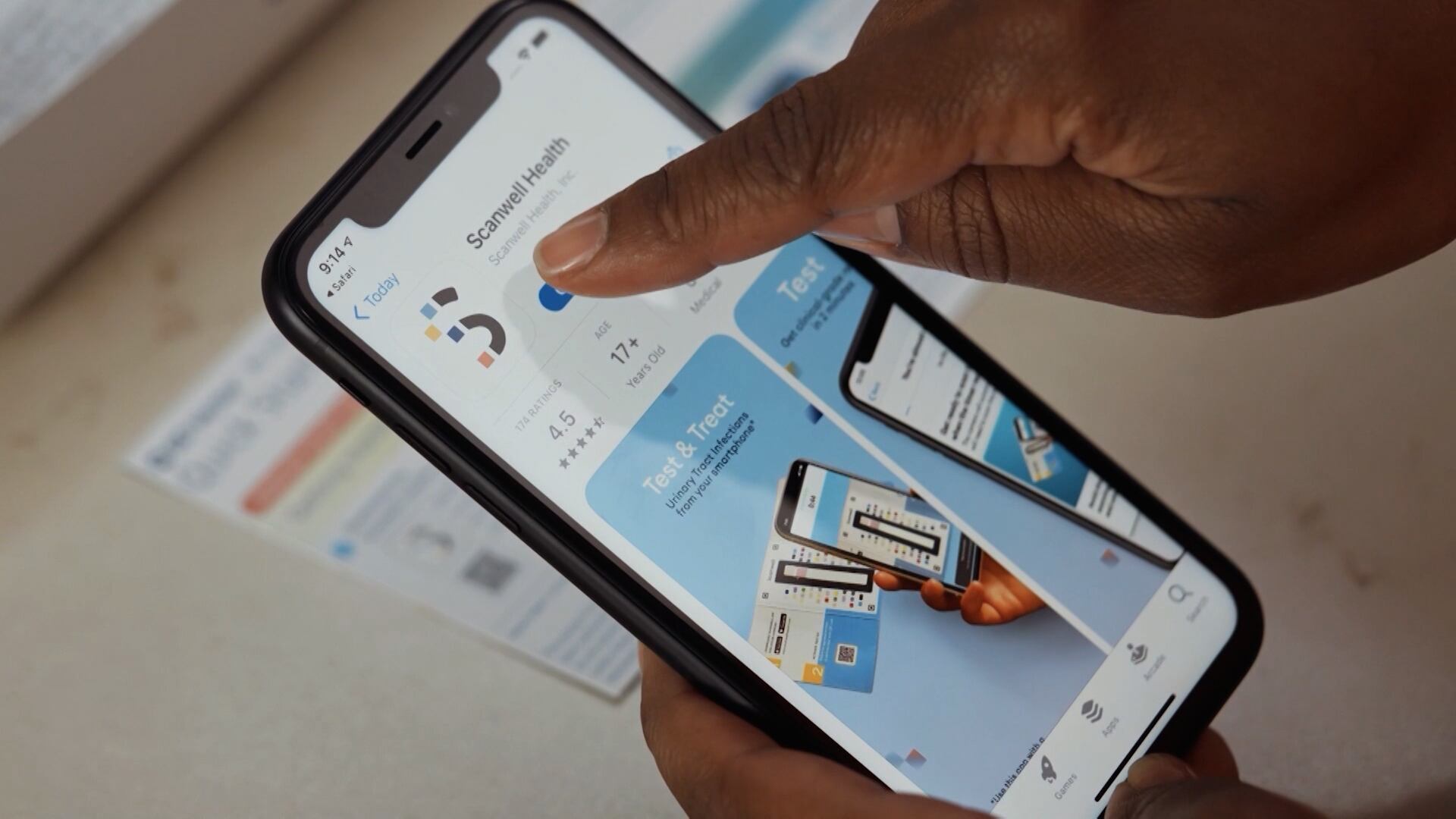
BD Veritor is a variation of the at-home COVID test that uses a smartphone to interpret the results. The test is taken via a nose swab test strip that is then scanned by your phone’s camera with the result clearly displayed as positive or negative. James Walker, vice president of integrated diagnostics USA for BD, joined Cheddar to discuss how the test hopefully takes the "guesswork out of testing." Walker also went into what BD is doing to deal with the surging demand for at-home tests amid the omicron spread. "While we don't disclose how much we produce, we have capacity to manufacture up to 12 million rapid antigen tests per month and are delivering on our commitments to distributors and retailers," he said.
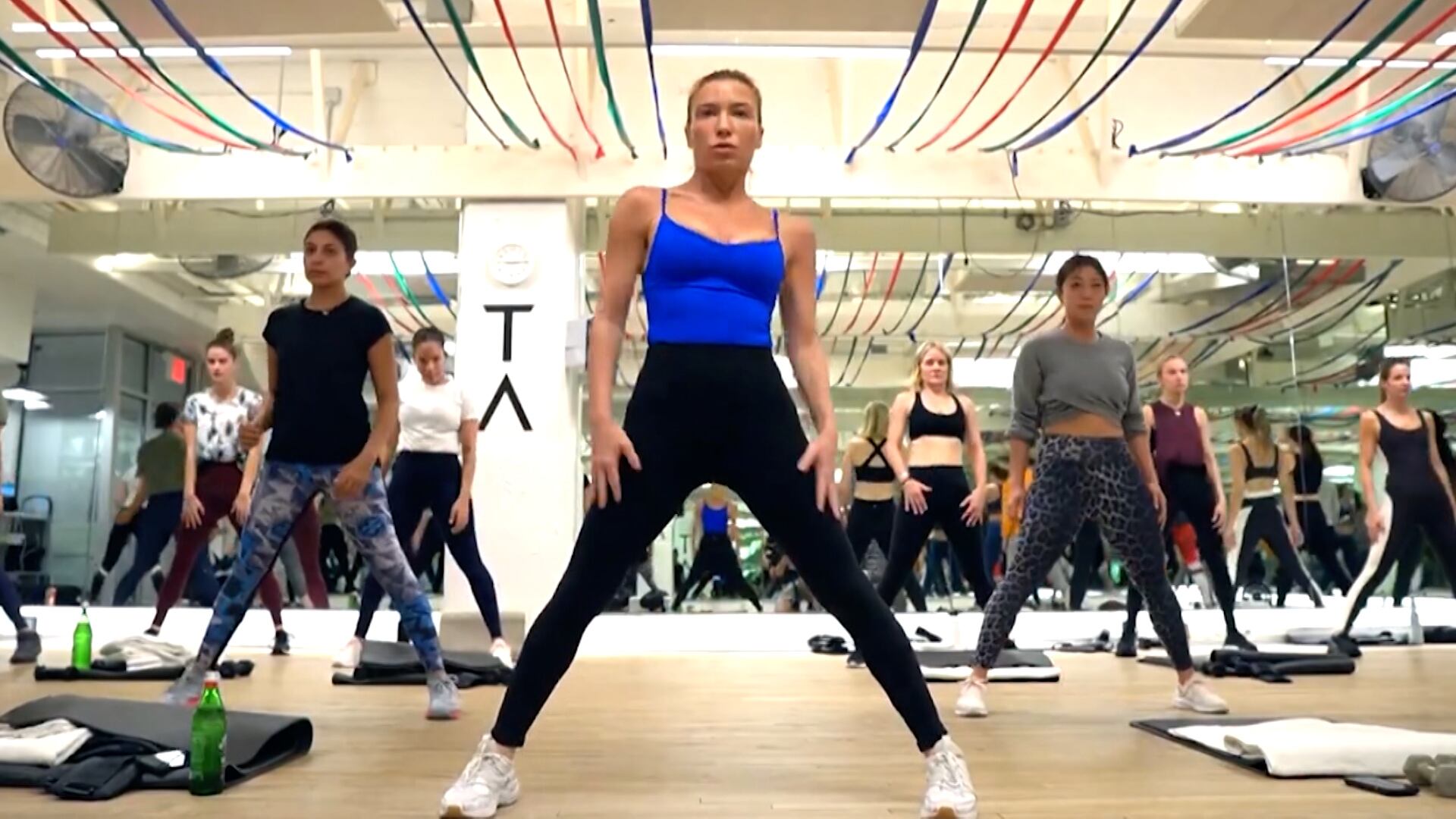
Citi recently began collaborating with fitness entrepreneur Tracy Anderson to promote its Custom Cash Credit card. Pam Habner, CEO of U.S. Branded Cards for Citi, along with Tracy Anderson, creator of The Tracy Anderson Method, joined Cheddar to discuss how health and fitness matched up with a cash back credit card. "The fact that Citi is going 'hey if you lead a healthy lifestyle, we're going to help you out. We understand that it's more expensive and we're going to give you cash back for living your best life,'" Anderson said about the partnership, which also includes a custom promotional Spotify playlist.
Stocks closed lower Thursday amid continued volatility. The S&P 500 was down 10% from its record high, the Dow was down 7%, and the Nasdaq was 4% away from bear market territory as it closed 16% below its record high. Investors are still processing this week's Federal Reserve announcement about a potential first rate hike in March. Chris Gaffney, President of World Markets at TIAA Bank, joins Cheddar News' Closing Bell to discuss today's close, the Fed's announcement, predictions about interest rate hikes, and more.