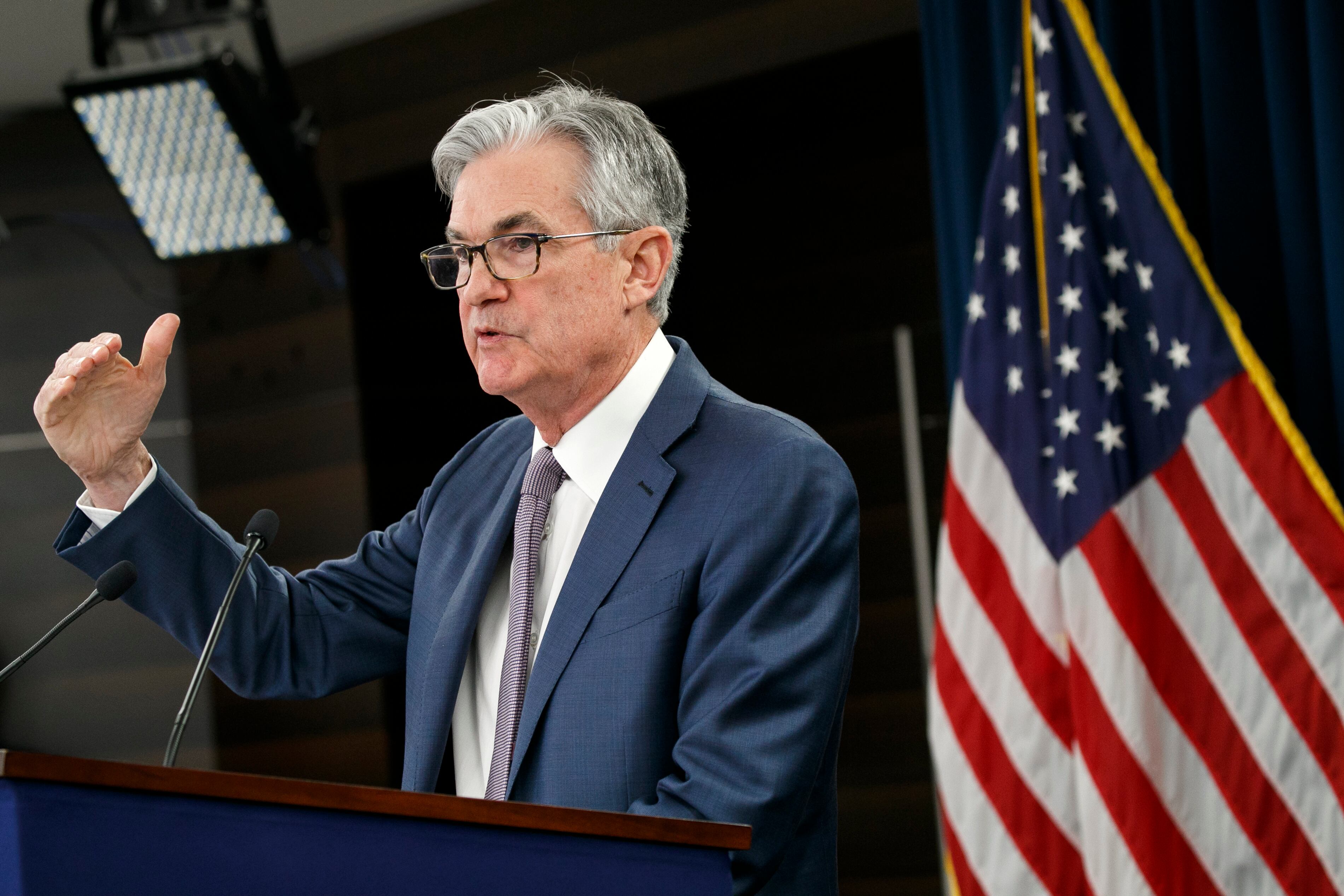
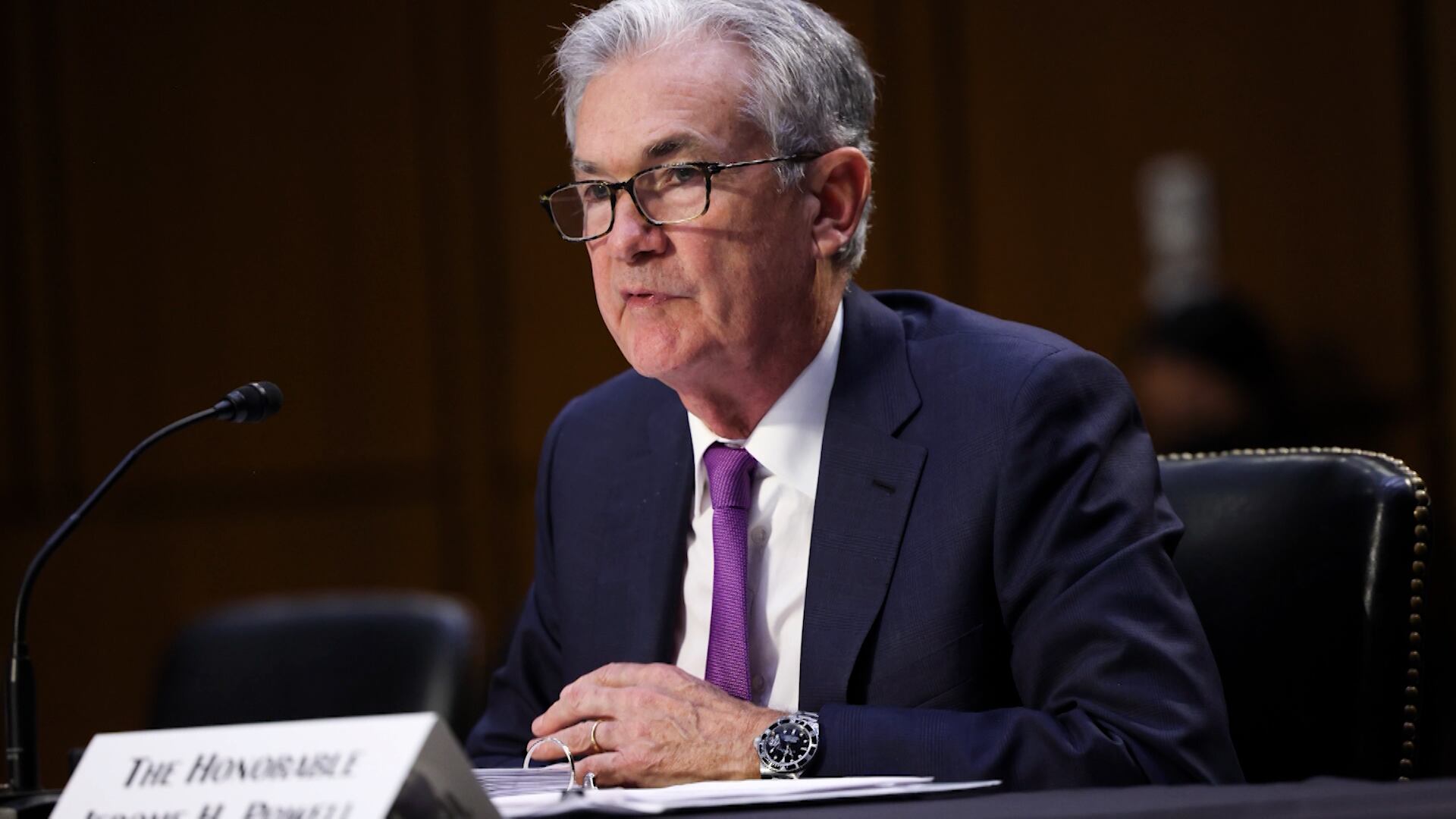
In this March 3, 2020 file photo, Federal Reserve Chair Jerome Powell speaks during a news conference to discuss an announcement from the Federal Open Market Committee, in Washington. (AP Photo/Jacquelyn Martin, File)
By Martin Crutsinger
The Federal Reserve announced a significant change Thursday in how it manages interest rates by saying it plans to keep rates near zero even after inflation has exceeded the Fed’s 2% target level.
The change signifies that the Fed is prepared to tolerate a higher level of inflation than it generally has in the past. And it means that borrowing rates for households and businesses — for everything from auto loans and home mortgages to corporate expansion — will likely remain ultra-low for years to come.
The new goal says that “following periods when inflation has been running persistently below 2%, appropriate monetary policy will likely aim to achieve inflation moderately above 2% for some time.”
The new Fed policy sought to underscore its belief that a low jobless rate was good for the economy by saying it would seek to assess the “shortfalls” in employment from the maximum level.
In a speech detailing the changes, Chairman Jerome Powell made clear that the policy change reflects the reality that high inflation — once the biggest threat to the economy — no longer appears to pose a serious danger, even when unemployment is low and the economy is growing strongly. Rather, Powell said, the economy has evolved in a way that allows the Fed to keep rates much lower than it otherwise would without igniting price pressures.
“The economy is always evolving,” Powell said. “Our revised statement reflects our appreciation for the benefits of a strong labor market, particularly for many in low- and moderate-income communities and that a robust job market can be sustained without causing an unwelcome increase in inflation."
In his speech, Powell said that the Fed's decision to allow unemployment to fall to a 50-year low before the pandemic had played an important role in lifting the fortunes of low-income workers.
The value of most cryptocurrencies have plummeted in recent months since reaching all-time highs in November, wiping out more than $1 trillion in value globally. The steep crash has some talking about the possibility of a crypto winter, a term referring to a prolonged bearish period where asset prices persistently fall over many months. This all comes as the Fed is expected to raise interest rates, and the Biden administration is working on an executive order to regulate Bitcoin and other assets. Josh Goodbody, COO of Qredo, joined Cheddar's Opening Bell to discuss the crypto crash, and how the industry might recover from it.
Logitech posted better-than-expected earnings in its third quarter, reporting sales of $1.63 billion dollars, down 2% from the year ago quarter, but well ahead of the Wall Street consensus of $1.48 billion dollars. The PC and gaming peripherals company also raised its annual guidance for both sales and profitability. Bracken Darrell, Logitech CEO, joined Cheddar to break down his reaction to the results, how the pandemic played a role in its growth, and where he wants to take the company next.
Starbucks is scheduled to report its fiscal first quarter 2022 earnings Tuesday, February 1 after the bell. The coffee giant is expected to report revenue of nearly $8 billion and earnings per share of 79 cents. Starbucks has seen a solid recovery in demand since the beginning of pandemic lockdowns, but is now facing a unionization push, labor shortage, and the Omicron variant. Thomas Hayes, chairman of Great Hill Capital, joined Cheddar's Opening Bell to give a preview of Starbucks earnings.
GM is scheduled to report its Q4 earnings after the bell on Tuesday February 1. Wall Street expects a miss as the automaker navigates the global chip shortage, which has hit car sales hard. Investors are looking for an update on production, as well as outlook for the electric vehicles that GM is investing billions to bring to market. Karl Brauer, executive analyst at iseecars.com, joined Cheddar to give a preview of the automaker's report.
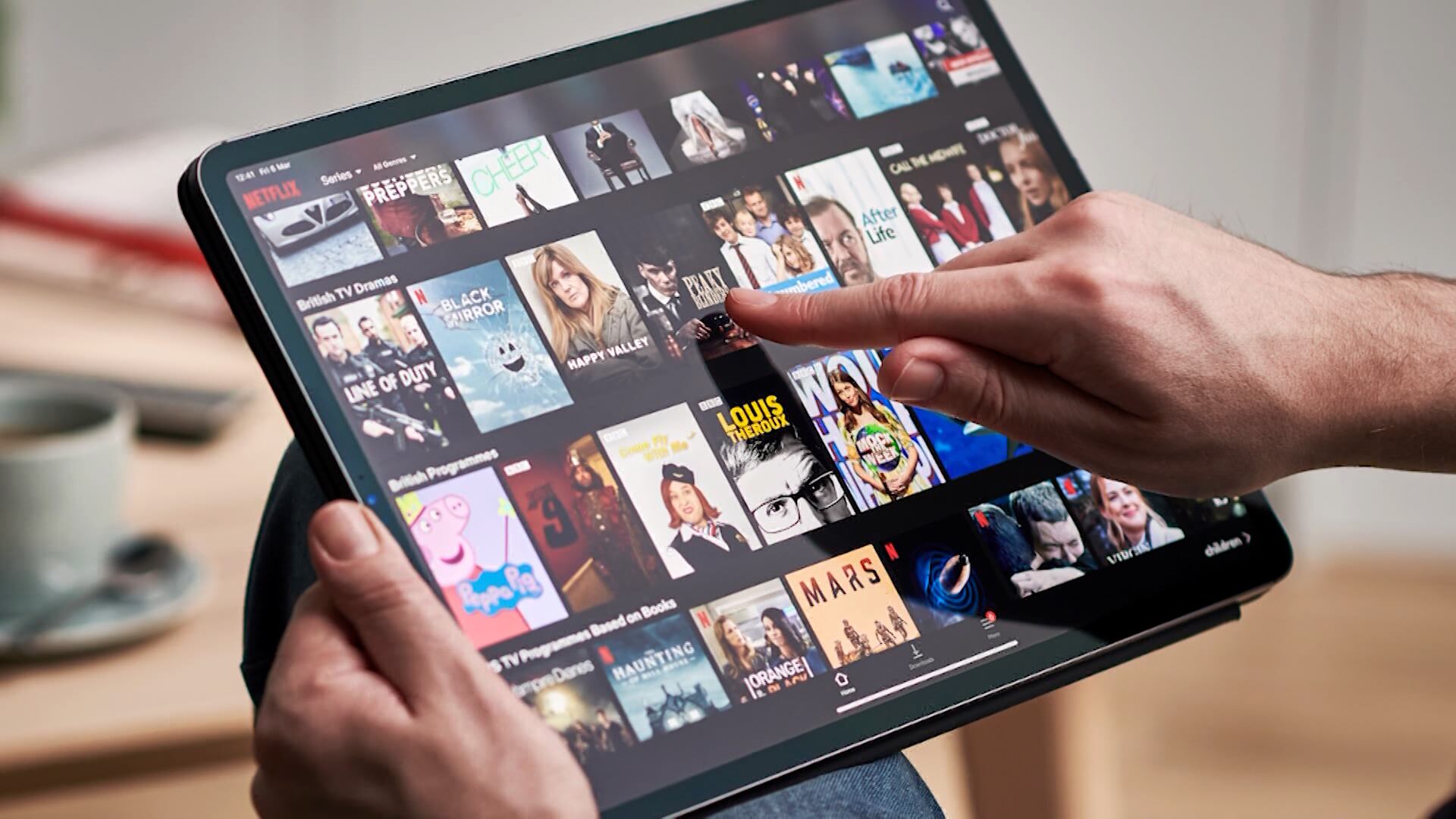
Recent data reveals that streaming giants are struggling to retain subscribers in the months following a major release.
According to data from Antenna, subscriber trends show that users will subscribe to a given streaming service just to watch a particular show, and then cancel those subscriptions shortly after. This comes as the streaming space continues to heat up as new entrants crowd the space. Jon Christian, Founding Partner + Digital Supply Chain Leader at OnPrem joined Cheddar's Opening Bell to discuss.
As airlines continues to face massive pilot shortages, United Airlines is opening a training academy for future pilots. United projects that the academy will train around 5,000 new pilots by 2030. David Slotnick, Senior Aviation Business Reporter at The Points Guy joined Cheddar's Opening Bell to discuss.
Stocks opening mostly higher to close out a wild week on Wall Street. It comes as investors continue to digest comments from the Federal Reserve, as well as the latest slew of earnings. Gene Goldman, Chief Investment Officer at Cetera, joined Cheddar's Opening Bell to discuss.
Jim Lacamp, Senior VP of Investments at Morgan Stanley, recaps the headwinds markets faced over the last four weeks and what to expect from this month's Jobs report.
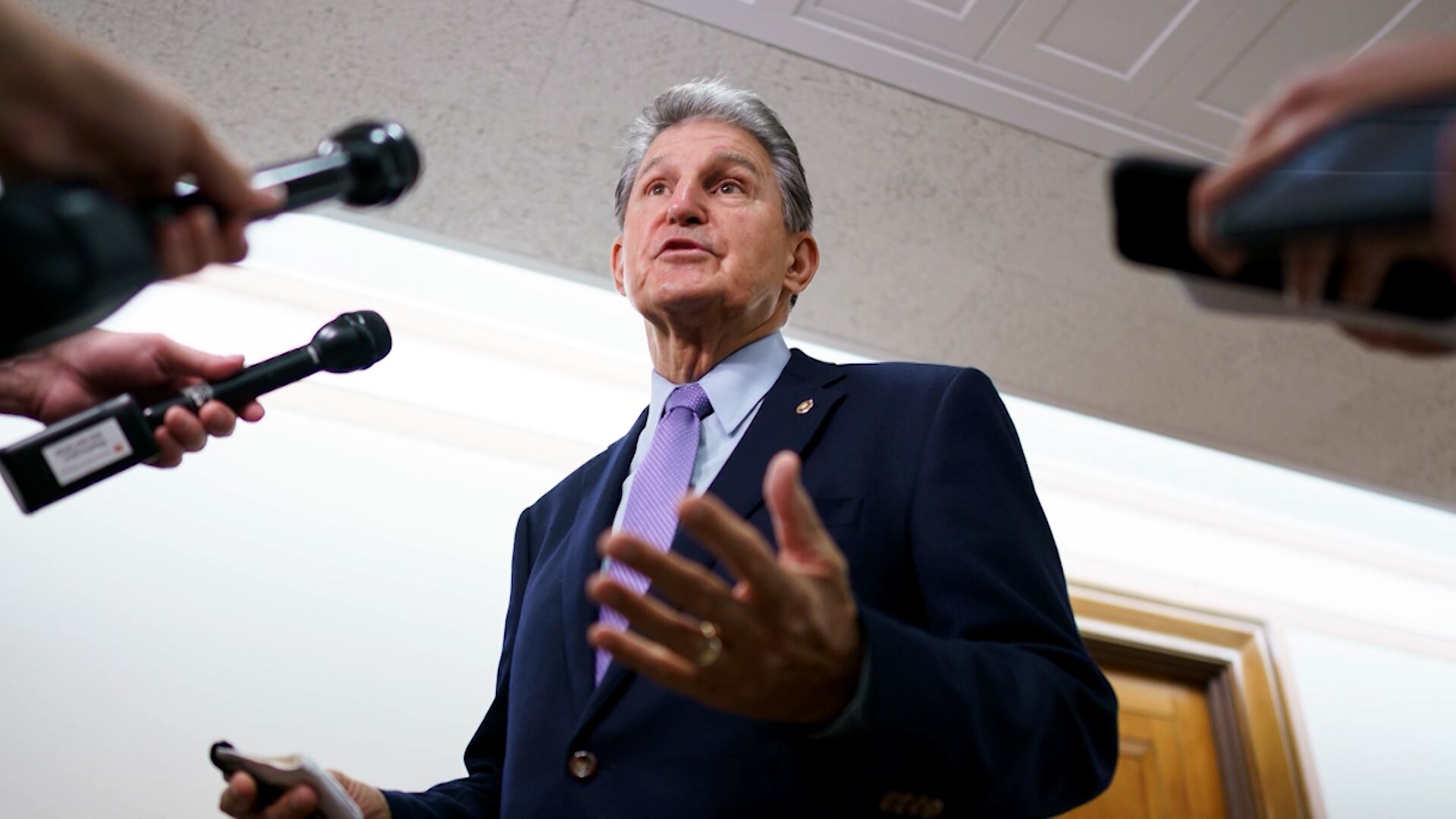
Stephanie Akin, Politics Reporter for CQ Roll Call, breaks down
Senator Manchin's donation pool, and highlights what this support means for the conservative Democrat as well as the Republican party.
Julie Gillespie, Trading Analyst at TipRanks, breaks down Apple's record-breaking quarter and highlights areas of the business where the tech giant may see potential growth throughout the year.