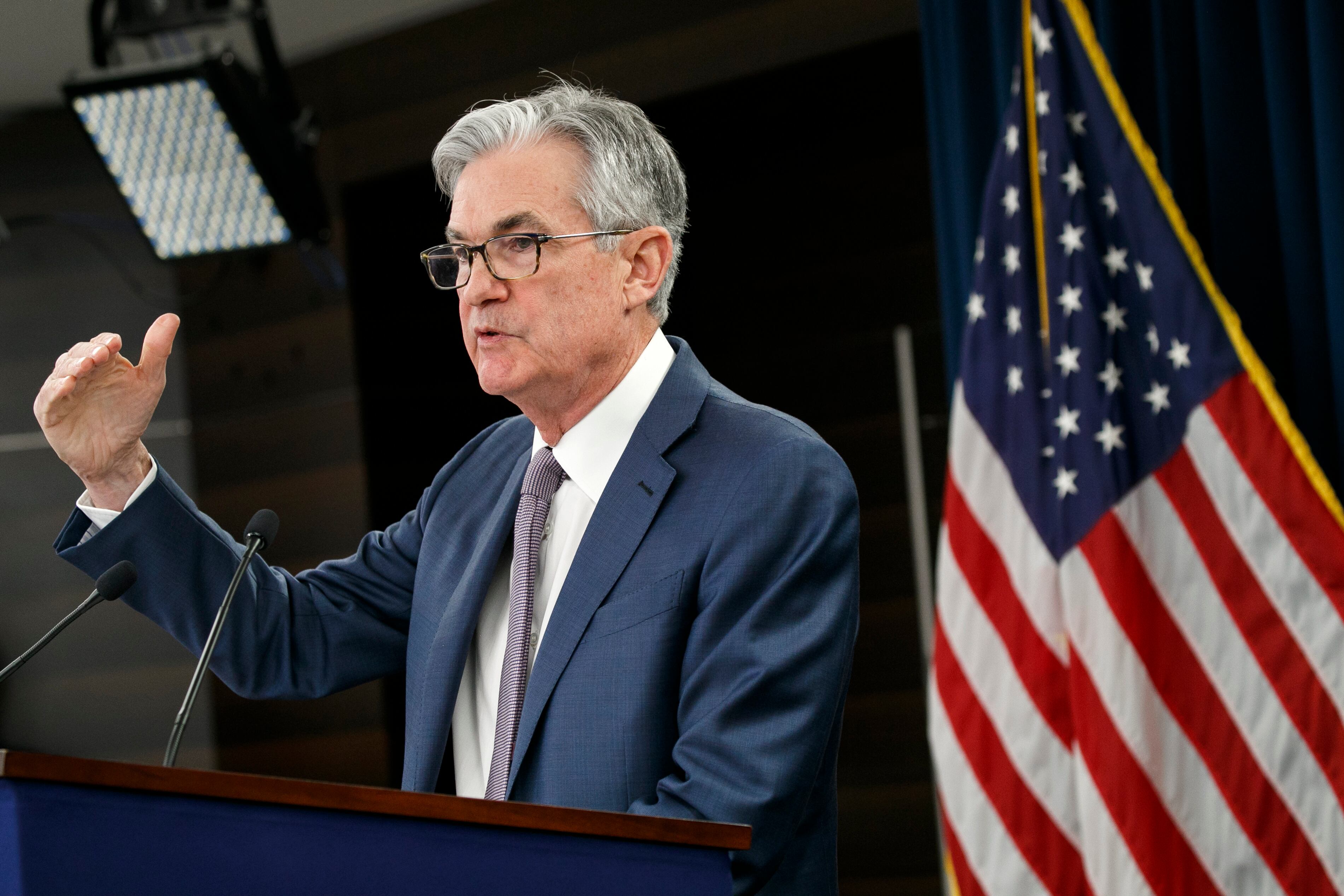
In this March 3, 2020 file photo, Federal Reserve Chair Jerome Powell speaks during a news conference to discuss an announcement from the Federal Open Market Committee, in Washington. (AP Photo/Jacquelyn Martin, File)
By Martin Crutsinger
The Federal Reserve announced a significant change Thursday in how it manages interest rates by saying it plans to keep rates near zero even after inflation has exceeded the Fed’s 2% target level.
The change signifies that the Fed is prepared to tolerate a higher level of inflation than it generally has in the past. And it means that borrowing rates for households and businesses — for everything from auto loans and home mortgages to corporate expansion — will likely remain ultra-low for years to come.
The new goal says that “following periods when inflation has been running persistently below 2%, appropriate monetary policy will likely aim to achieve inflation moderately above 2% for some time.”
The new Fed policy sought to underscore its belief that a low jobless rate was good for the economy by saying it would seek to assess the “shortfalls” in employment from the maximum level.
In a speech detailing the changes, Chairman Jerome Powell made clear that the policy change reflects the reality that high inflation — once the biggest threat to the economy — no longer appears to pose a serious danger, even when unemployment is low and the economy is growing strongly. Rather, Powell said, the economy has evolved in a way that allows the Fed to keep rates much lower than it otherwise would without igniting price pressures.
“The economy is always evolving,” Powell said. “Our revised statement reflects our appreciation for the benefits of a strong labor market, particularly for many in low- and moderate-income communities and that a robust job market can be sustained without causing an unwelcome increase in inflation."
In his speech, Powell said that the Fed's decision to allow unemployment to fall to a 50-year low before the pandemic had played an important role in lifting the fortunes of low-income workers.
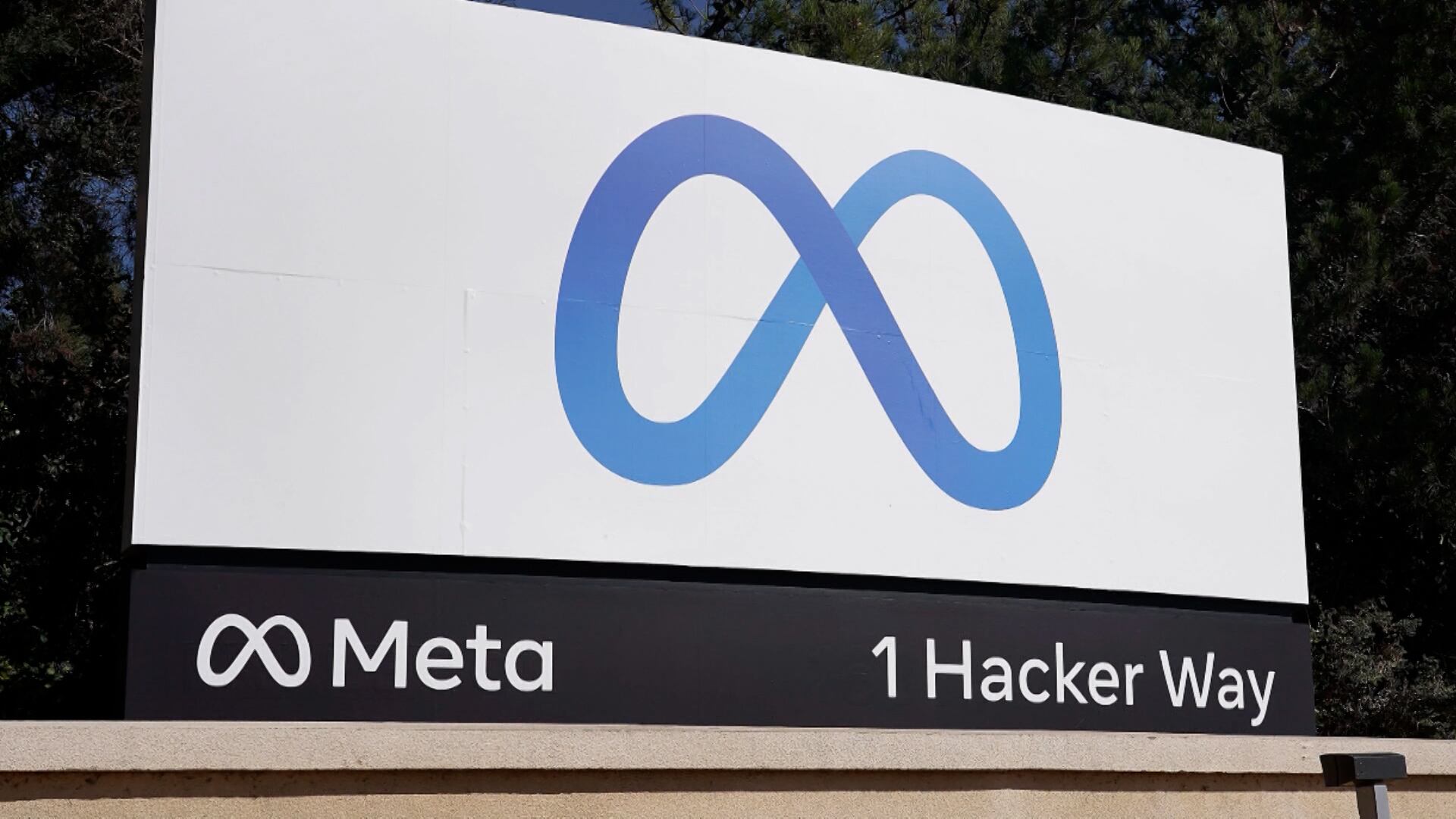
Facebook parent Meta’s miss on Q4 earnings raised alarm bells amongst investors. The tech giant lost users for the first time as it invests a lot into the metaverse, its virtual realm, in the hopes that consumers will move their social media consumption there. The stock dropped around 25 percent on the report, and CEO Mark Zuckerberg chalked it up to people flocking toward apps like TikTok, even as his own platform attempts to make a big pivot to the metaverse future. "It's gonna take a long time to develop and it's gonna take a long time to bring to fruition," Rebecca Walser, president of Walser Wealth Management told Cheddar. "In the meantime, the world is moving on. We have a very short attention span, especially on social media, and we want the short little videos. And Tiktok has just taken off."
Wall Street saw another volatile day after the Federal Reserve left rates unchanged for now, with plans to raise rates in March at its next meeting in order to ease inflation. Fed Chair Jerome Powell said the Fed has not made decisions on the size of rate increases, adding that the Fed is not trying to get inflation below two-percent. Ken Johnson, CFA and Investment Strategy Analyst explains why Powell thinks that high inflation is a significant threat to the labor market.
Ed Butowsky, managing partner at Chapwood Investments, joined Wake Up With Cheddar to break down the disappointing takeaways from Spotify's Q4 earnings report, which sent the stock plunging.
Anu Gaggar, global investment strategist for Commonwealth Financial Network, joined Cheddar News to discuss how global supply chains could be disrupted even further by an armed conflict in Ukraine.
Google parent company Alphabet saw yet another successful quarter reporting its final earnings report for 2021 on Tuesday. The tech giant beat Wall Street expectations across the board with much of that success owed to not only the growth of its cloud business, but also its multi-platform advertising. Joanna O'Connell, Principal Analyst at Forrester explains why advertising may be one of the keys to Alphabet’s future success.