By Martin Crutsinger

The Federal Reserve announced a significant change Thursday in how it manages interest rates by saying it plans to keep rates near zero even after inflation has exceeded the Fed’s 2% target level.

The change signifies that the Fed is prepared to tolerate a higher level of inflation than it generally has in the past. And it means that borrowing rates for households and businesses — for everything from auto loans and home mortgages to corporate expansion — will likely remain ultra-low for years to come.

The new goal says that “following periods when inflation has been running persistently below 2%, appropriate monetary policy will likely aim to achieve inflation moderately above 2% for some time.”

The new Fed policy sought to underscore its belief that a low jobless rate was good for the economy by saying it would seek to assess the “shortfalls” in employment from the maximum level.

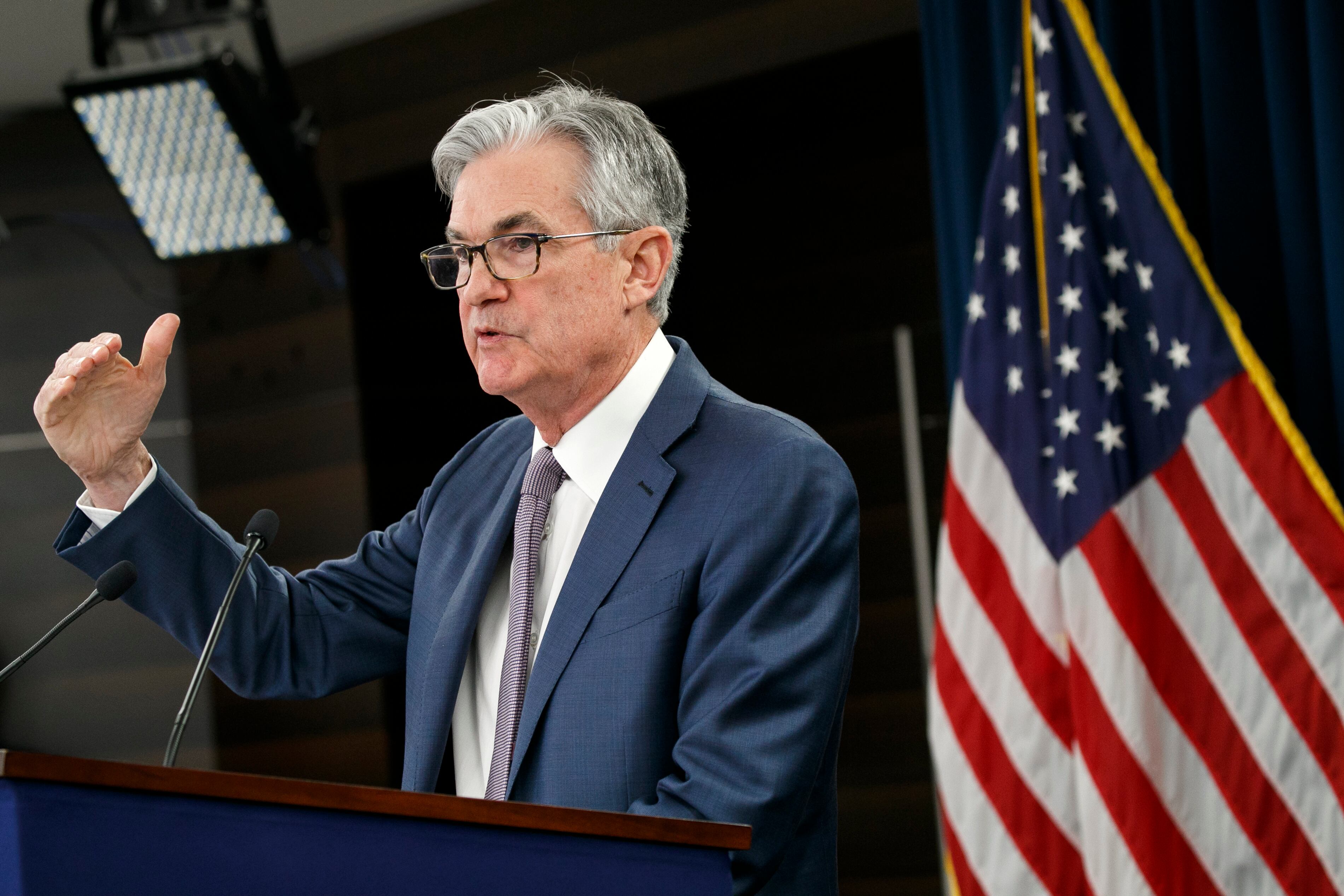
In a speech detailing the changes, Chairman Jerome Powell made clear that the policy change reflects the reality that high inflation — once the biggest threat to the economy — no longer appears to pose a serious danger, even when unemployment is low and the economy is growing strongly. Rather, Powell said, the economy has evolved in a way that allows the Fed to keep rates much lower than it otherwise would without igniting price pressures.

“The economy is always evolving,” Powell said. “Our revised statement reflects our appreciation for the benefits of a strong labor market, particularly for many in low- and moderate-income communities and that a robust job market can be sustained without causing an unwelcome increase in inflation."

In his speech, Powell said that the Fed's decision to allow unemployment to fall to a 50-year low before the pandemic had played an important role in lifting the fortunes of low-income workers.


Share:
More In Business
Snap's Gloomy Forecast May Be a Unique Case Among Social Media Platforms
Snap stock saw the worst day ever after a large drop in price on Tuesday following warnings of revenue and earnings slowdown. This trend caught on with other social and digital media stocks due to fears that brands heavily relying on advertising get hit with the same inflation struggles. However, some analysts note that Snap may be a unique case due to a rapid, possibly unsustainable, expansion leading to the current grim forecast.
Deep Dive Into Virtual and Augmented Reality Headsets
From Meta’s Oculus to PlayStation’s VR headsets, Cheddar News anchors Ken Bufa and Kristen Scholer cover the potential for this tech in Cheddar Connected as more heavy hitters like Apple look to take the stage.
AAA Predicts Pre-Pandemic Levels of Travel This Memorial Day Weekend
As the holiday weekend arrives, travelers are bracing themselves for higher gas prices amid the inflation surge, but Robert Sinclair, AAA spokesperson, joined Cheddar News to discuss how the higher costs likely won't hold people back this Memorial Day Weekend. “We're near pre-pandemic levels. Nearly 40 million people are traveling. And of that total, about 35 million will be driving to their destinations," he said.
Anja Health Raises $4.5 Million to Offer Parents Technology to Freeze Umbilical Cord's Stem Cells for Future Disease Treatment
Umbilical cord blood banking platform Anja Health raised $4.5 million dollars in a seed round led by Seven Seven Six, a venture capital firm founded by Reddit co-founder Alexis Ohanian. Anja Health offers a personalized, doctor-backed cord blood bank, which lets new parents freeze stem cells from their child's umbilical cord so they can be used to treat diseases in the future. It's a process Anja has called 'Hollywood's best-kept secret,' as celebrities like Kylie Jenner, Serena Williams, and more have all banked their umbilical cord blood. Kathryn Cross, the founder of Anja Health, joins Cheddar News' Closing Bell to discuss.
Load More