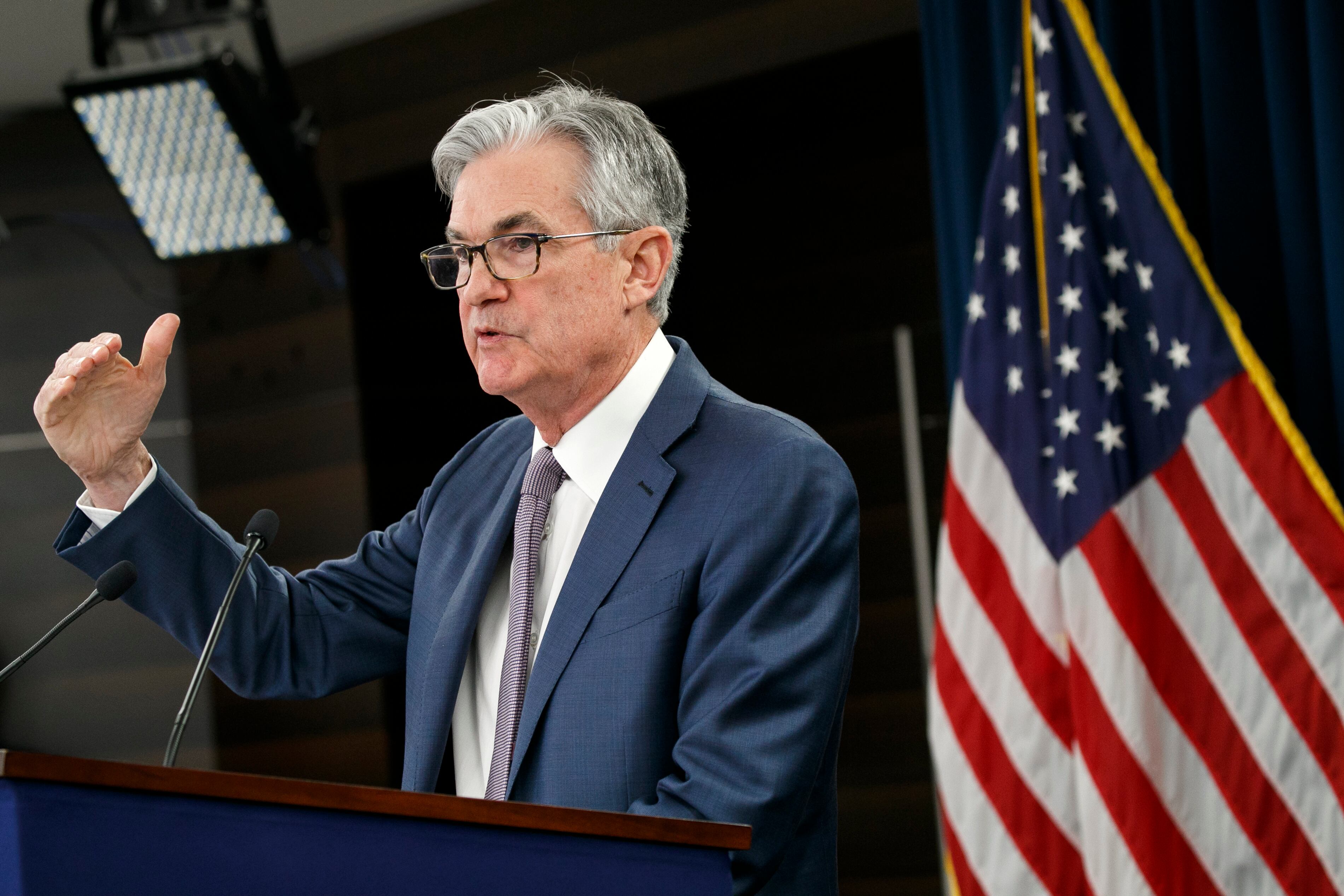
In this March 3, 2020 file photo, Federal Reserve Chair Jerome Powell speaks during a news conference to discuss an announcement from the Federal Open Market Committee, in Washington. (AP Photo/Jacquelyn Martin, File)
By Martin Crutsinger
The Federal Reserve announced a significant change Thursday in how it manages interest rates by saying it plans to keep rates near zero even after inflation has exceeded the Fed’s 2% target level.
The change signifies that the Fed is prepared to tolerate a higher level of inflation than it generally has in the past. And it means that borrowing rates for households and businesses — for everything from auto loans and home mortgages to corporate expansion — will likely remain ultra-low for years to come.
The new goal says that “following periods when inflation has been running persistently below 2%, appropriate monetary policy will likely aim to achieve inflation moderately above 2% for some time.”
The new Fed policy sought to underscore its belief that a low jobless rate was good for the economy by saying it would seek to assess the “shortfalls” in employment from the maximum level.
In a speech detailing the changes, Chairman Jerome Powell made clear that the policy change reflects the reality that high inflation — once the biggest threat to the economy — no longer appears to pose a serious danger, even when unemployment is low and the economy is growing strongly. Rather, Powell said, the economy has evolved in a way that allows the Fed to keep rates much lower than it otherwise would without igniting price pressures.
“The economy is always evolving,” Powell said. “Our revised statement reflects our appreciation for the benefits of a strong labor market, particularly for many in low- and moderate-income communities and that a robust job market can be sustained without causing an unwelcome increase in inflation."
In his speech, Powell said that the Fed's decision to allow unemployment to fall to a 50-year low before the pandemic had played an important role in lifting the fortunes of low-income workers.
On this episode of On the Job, Mark Bowen, General Manager at Midnight Sun in San Francisco, discusses how the pandemic affected LGBTQ+ nightlife and the return to work for service industry workers; Drew Lewis, VP Diversity, Equity, and Inclusion & Talent, ADP, breaks down how DE&I practices can drive greater business value and how organizations can effectively create an action plan for supporting DE&I in the workplace.
Drew Lewis, VP Diversity, Equity, and Inclusion & Talent, ADP, joins Cheddar to break down how DE&I practices can drive greater business value and how organizations can effectively create an action plan for supporting DE&I in the workplace.
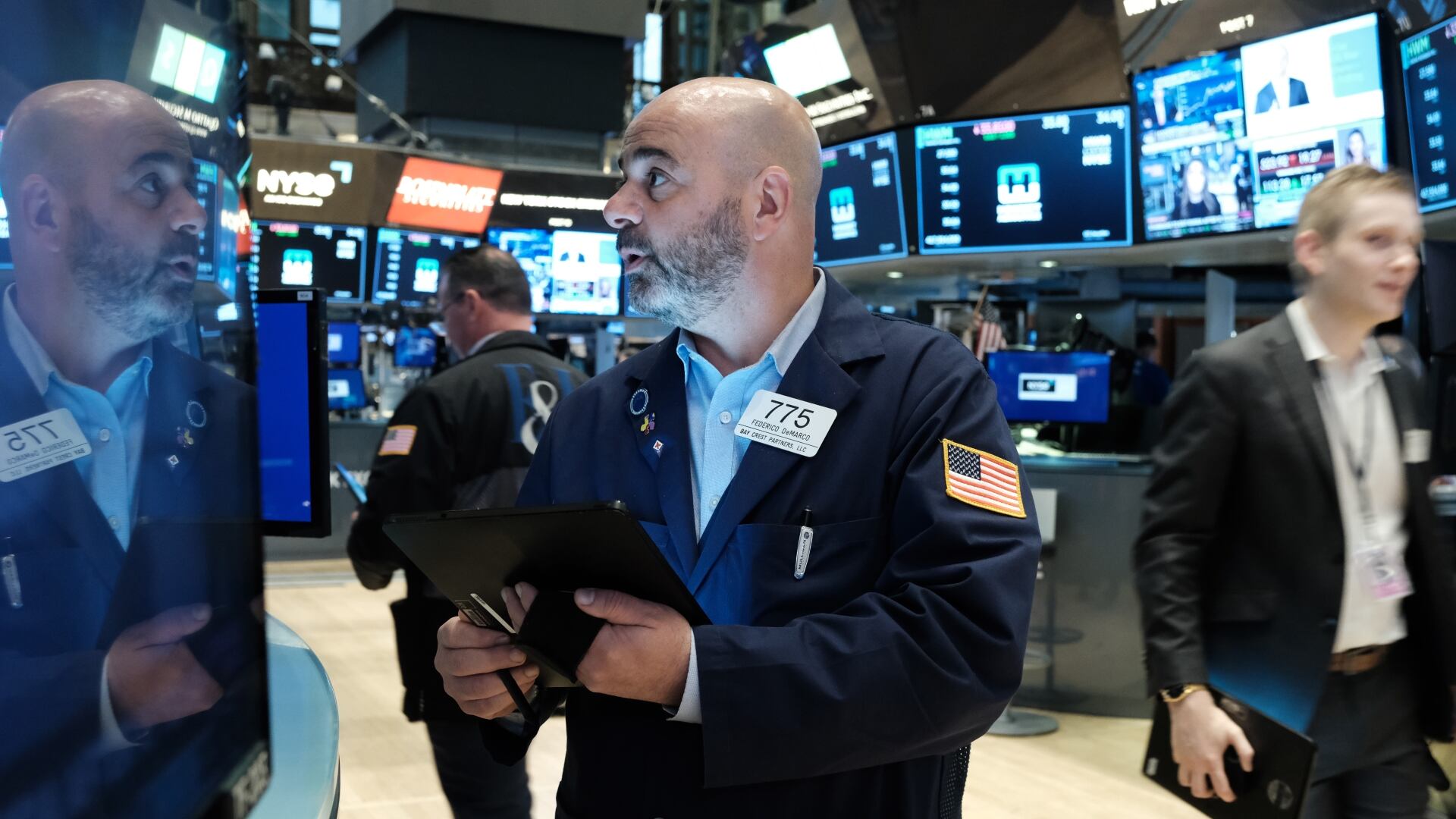
Following a session in which investors saw gains across the major indexes, Wealth Consulting Group CEO Jimmy Lee says investors need to remember that midterm election years tend to be more volatile in general.
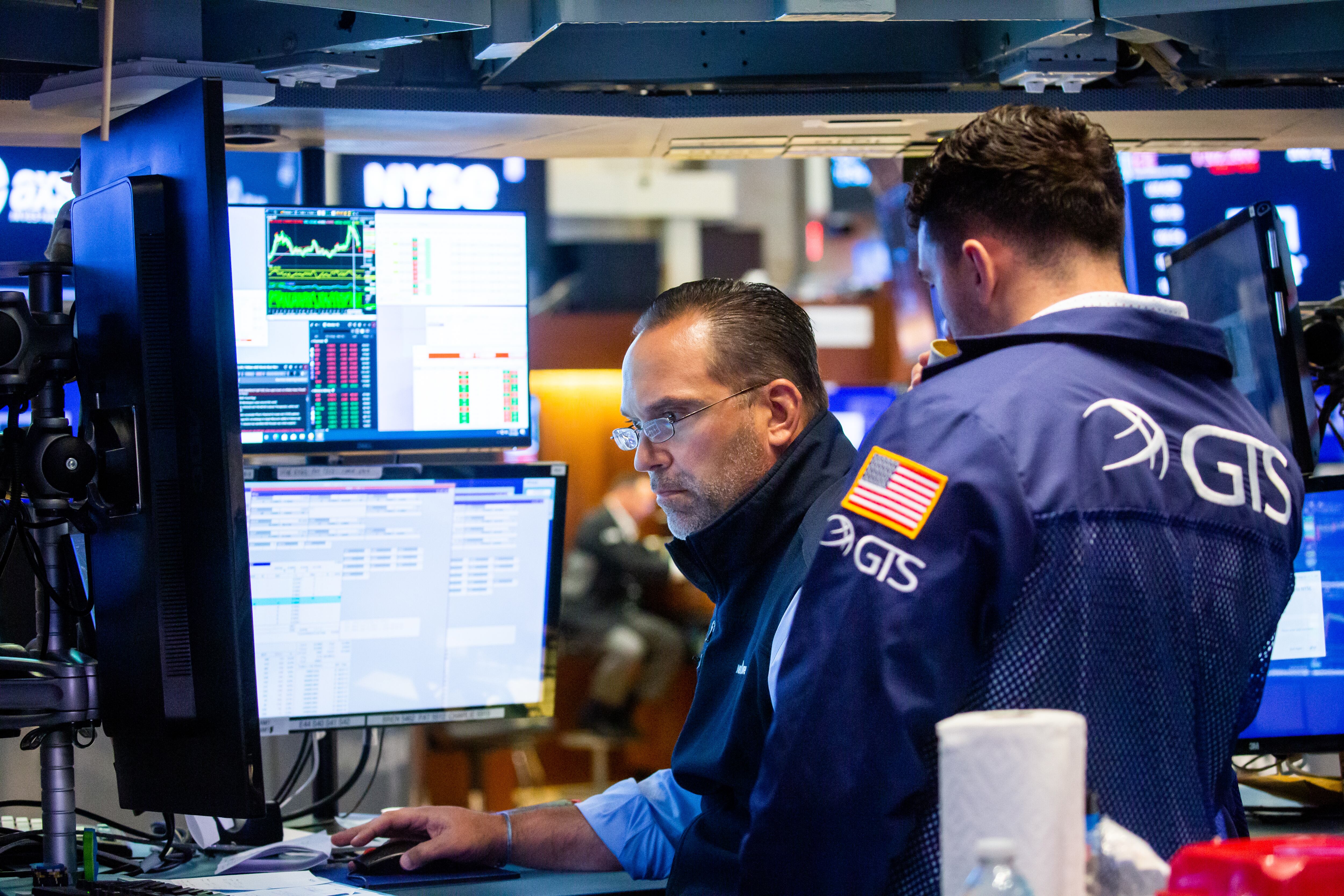
Stocks closed lower to end the last trading day of May, but the S&P 500 and the Dow Jones both rose over the past month. The Federal Reserve in early May raised interest rates by half a percentage point as it tries to fight inflation, but the question continues to linger: will we enter a recession as we try to tame inflation? Anthony Saccaro, Founder & President of Providence Financial, joins Closing Bell to discuss today's close, the possibility of a recession, where he is telling clients to look for opportunities, and more.
The semiconductor industry is at an inflection point as it tries to fully recover from the worst of pandemic-era headwinds. While Broadcom has announced it will buy cloud computing company VMware, Nvidia is lowering its current quarterly outlook. Meanwhile, TSMC and Intel are contemplating raising prices -- again -- thanks to higher materials costs. Where does the industry go from here? Ted Mortonson, technology strategist at Baird, joins Closing Bell to discuss.