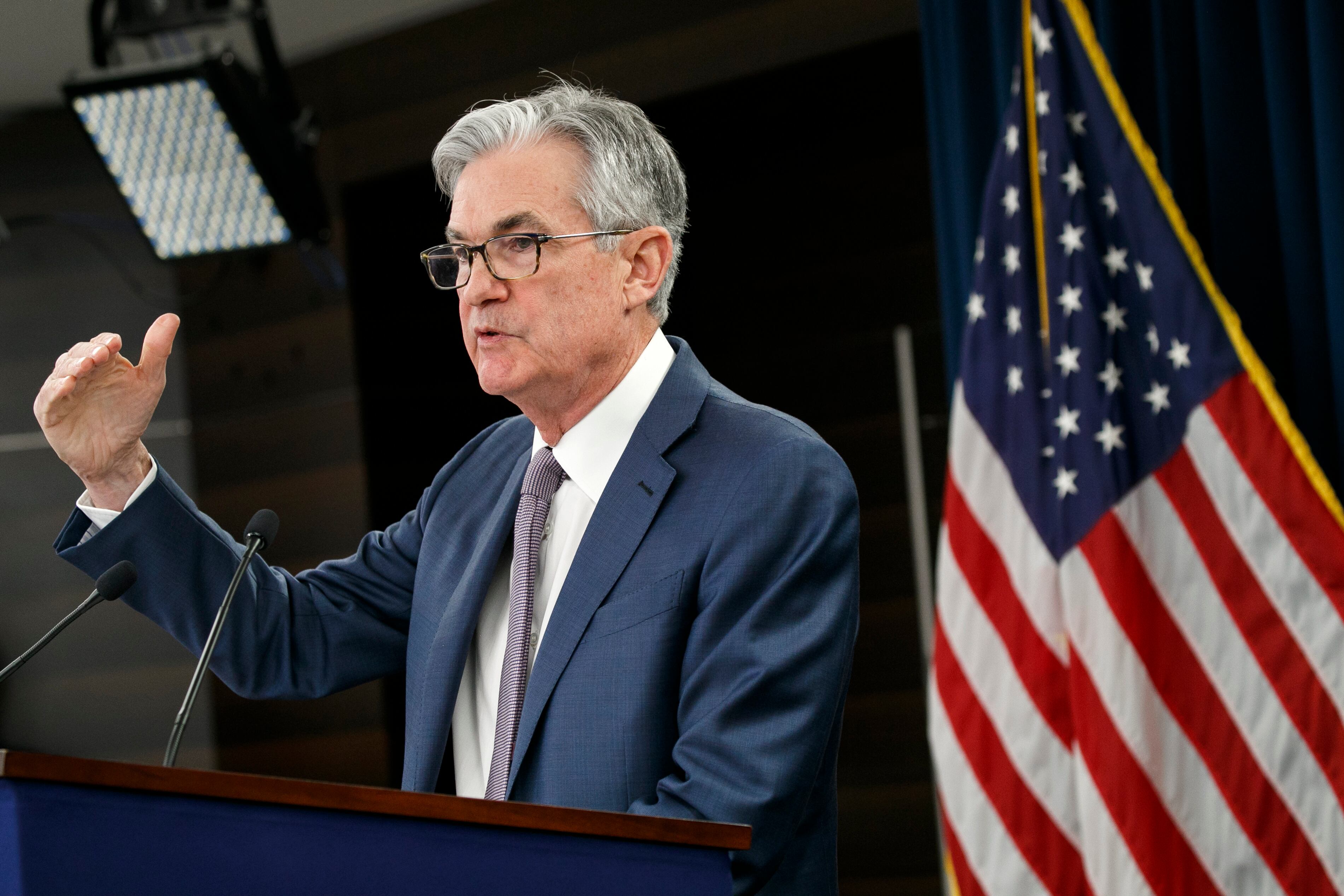
In this March 3, 2020 file photo, Federal Reserve Chair Jerome Powell speaks during a news conference to discuss an announcement from the Federal Open Market Committee, in Washington. (AP Photo/Jacquelyn Martin, File)
By Martin Crutsinger
The Federal Reserve announced a significant change Thursday in how it manages interest rates by saying it plans to keep rates near zero even after inflation has exceeded the Fed’s 2% target level.
The change signifies that the Fed is prepared to tolerate a higher level of inflation than it generally has in the past. And it means that borrowing rates for households and businesses — for everything from auto loans and home mortgages to corporate expansion — will likely remain ultra-low for years to come.
The new goal says that “following periods when inflation has been running persistently below 2%, appropriate monetary policy will likely aim to achieve inflation moderately above 2% for some time.”
The new Fed policy sought to underscore its belief that a low jobless rate was good for the economy by saying it would seek to assess the “shortfalls” in employment from the maximum level.
In a speech detailing the changes, Chairman Jerome Powell made clear that the policy change reflects the reality that high inflation — once the biggest threat to the economy — no longer appears to pose a serious danger, even when unemployment is low and the economy is growing strongly. Rather, Powell said, the economy has evolved in a way that allows the Fed to keep rates much lower than it otherwise would without igniting price pressures.
“The economy is always evolving,” Powell said. “Our revised statement reflects our appreciation for the benefits of a strong labor market, particularly for many in low- and moderate-income communities and that a robust job market can be sustained without causing an unwelcome increase in inflation."
In his speech, Powell said that the Fed's decision to allow unemployment to fall to a 50-year low before the pandemic had played an important role in lifting the fortunes of low-income workers.
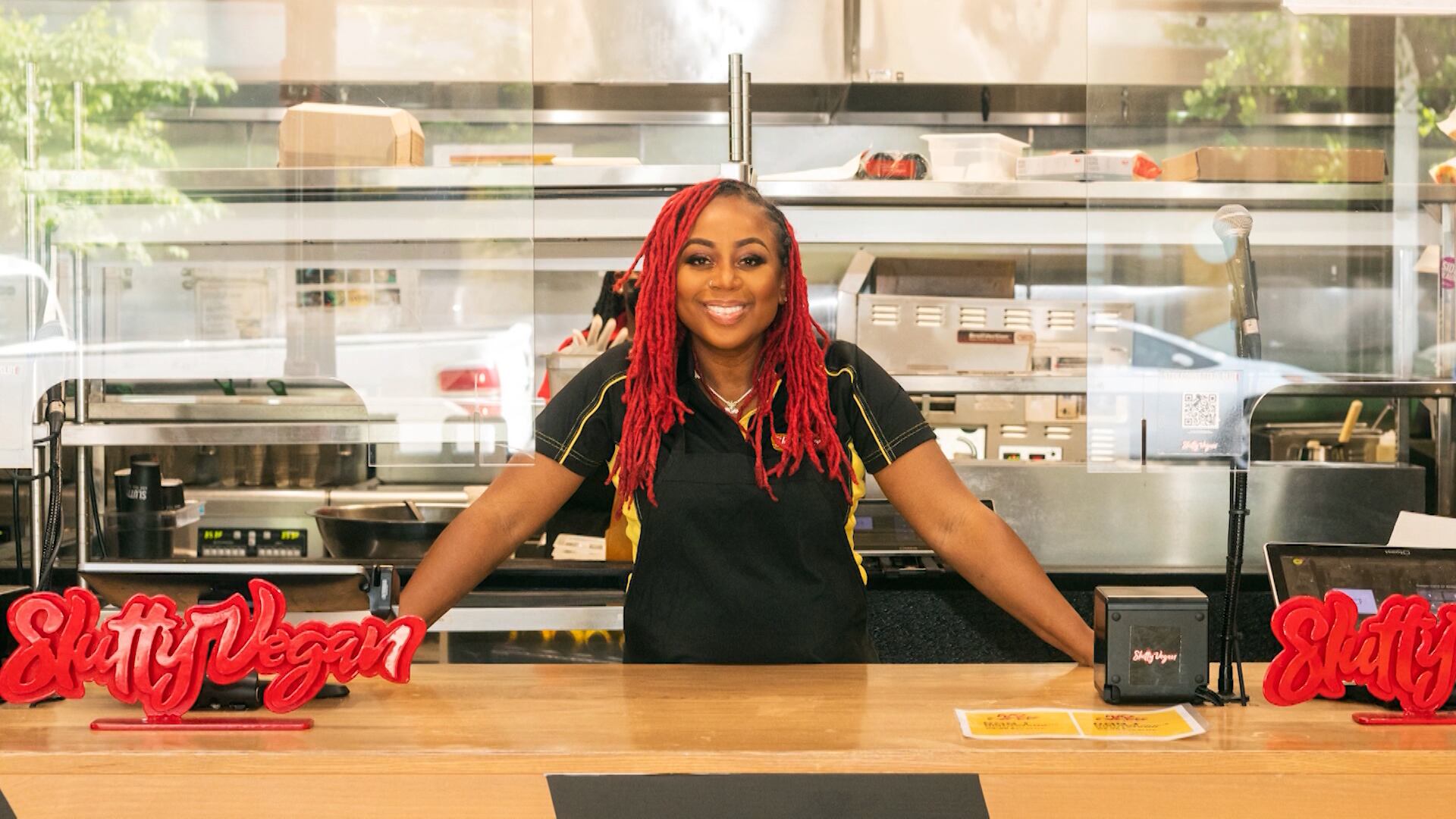
Pinky Cole, founder and CEO of Slutty Vegan ATL, is helping college grads start new businesses. She is providing Clark Atlanta University grads with LLCs. Cole joins Cheddar News to discuss giving grads a financial boost and the success of her vegan food chain.
According to a survey, 45% of LGBTQ youth seriously considered attempting suicide in the past year. Amit Paley, CEO and Executive Director of The Trevor Project, joins Cheddar Pride to address LGBTQ youth mental health.
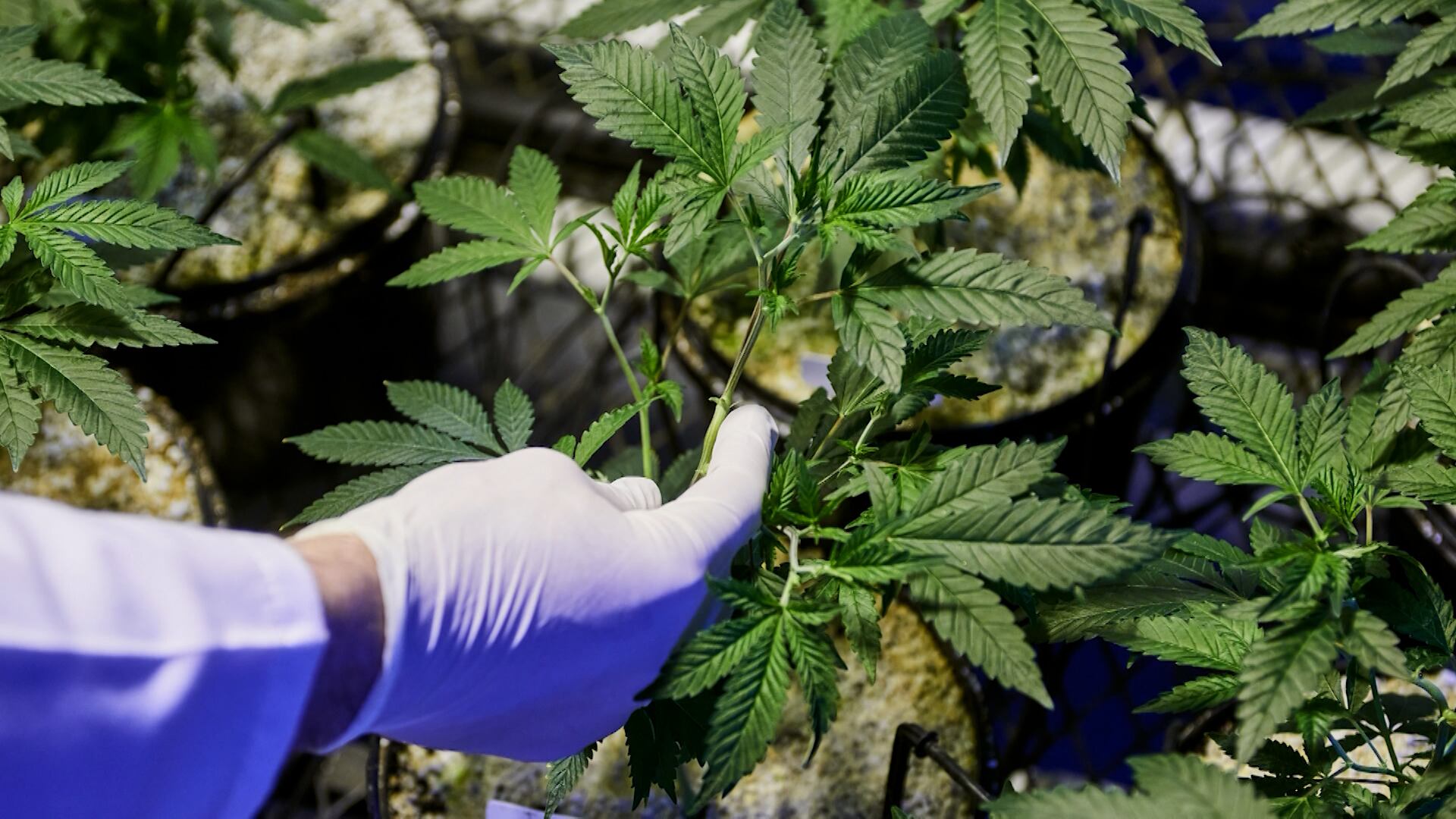
Reepher is a Salt Lake City-based company that offers a prepaid legal defense plan for cannabis DUIs. CEO and co-founder Justin Kahn joined Cheddar News to break down the business model, explaining how lawful users may be in trouble when being pulled over by police. "The reason is because cannabis users have THC and cannabis cannabinoids in their system regardless of the last time that they consumed," he said. "Any regular cannabis user is at risk, or they're one mistake away from having an interaction with a police officer that could lead them to be suspected of being under the influence of cannabis."
Elon Musk is demanding his Tesla employees to return to the office full time, a minimum of at least 40 hours a week. The CEO also took a shot at other companies who have some form of work-from-home status. The ultimatum comes at a tumultuous time for Musk with the reveal of a sexual misconduct scandal and his attempted Twitter purchase.
Bindu Sundaresan, Director, AT&T Cybersecurity, joins Cheddar to discuss best practices and important cybersecurity milestones to hit for any organization, and how small business owners can think about cyber beyond technology and compliance.
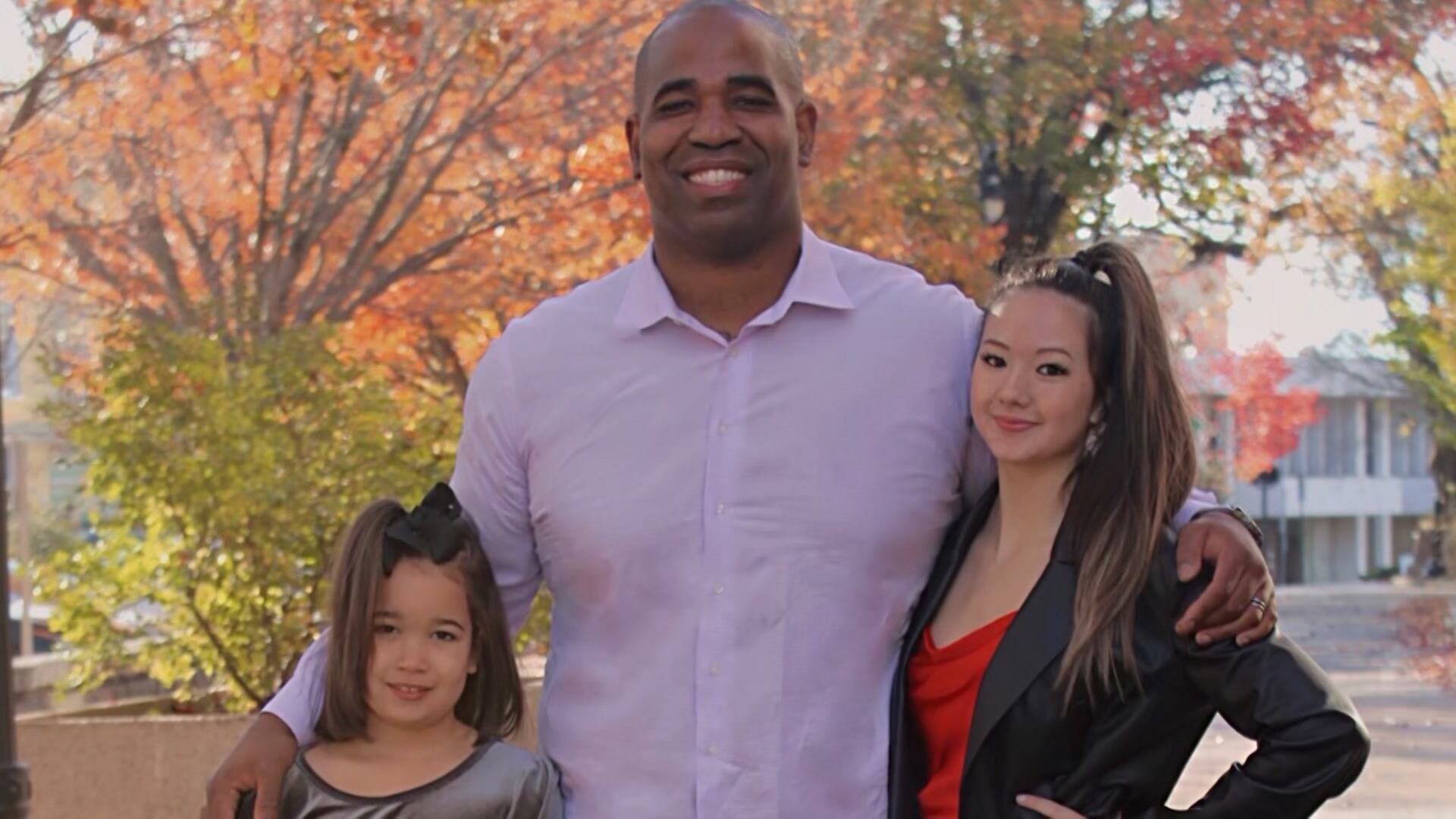
Marques Ogden, former NFL offensive lineman turned author and celebrity success coach, joins Cheddar to discuss his career transition after his NFL playing days and how he overcame a low point to prioritize family and re-shape his life as a success coach.
Mark Bowen, General Manager at Midnight Sun in San Francisco, joins Cheddar to discuss how the pandemic affected LGBTQ+ nightlife and the return to work for service industry workers.