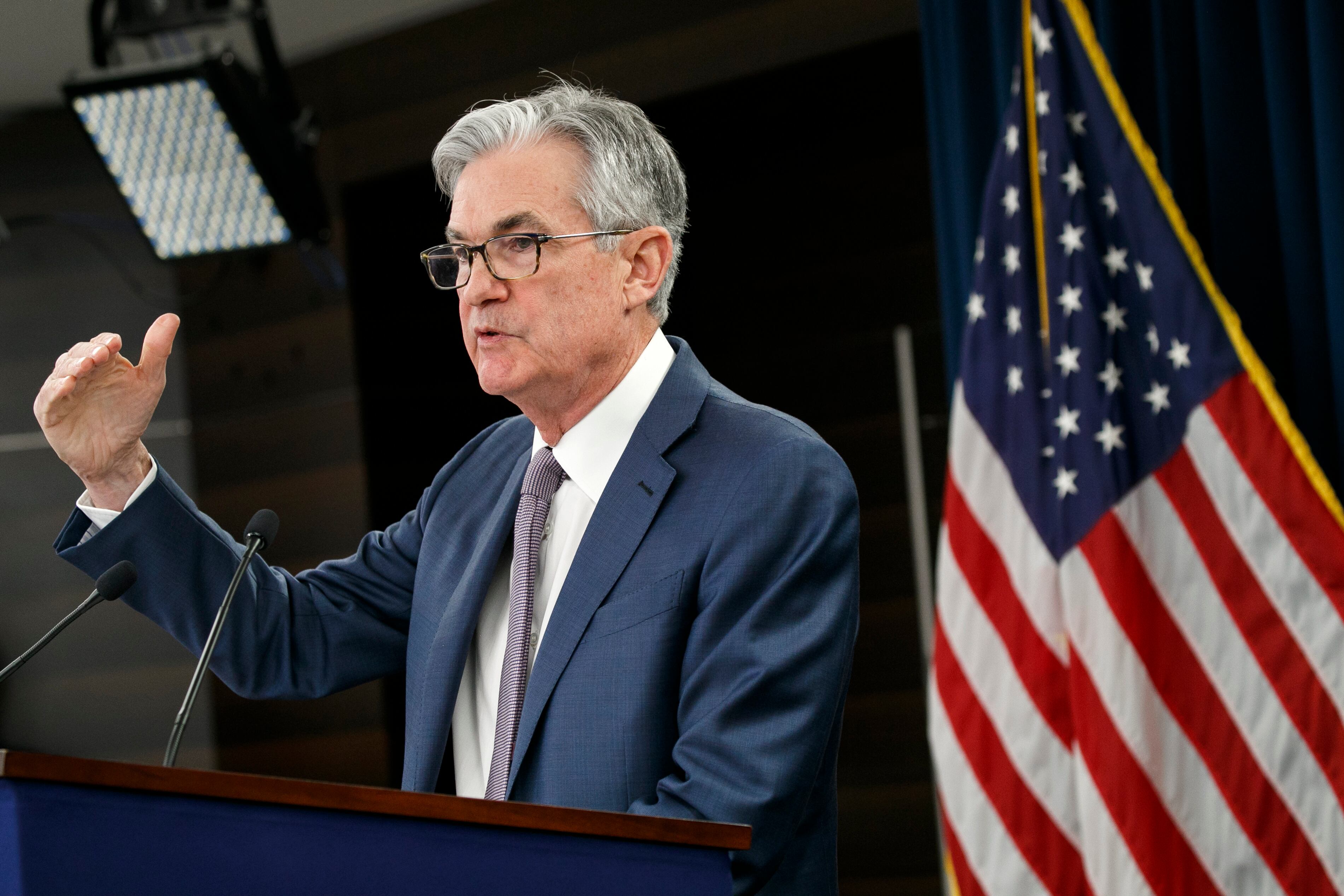
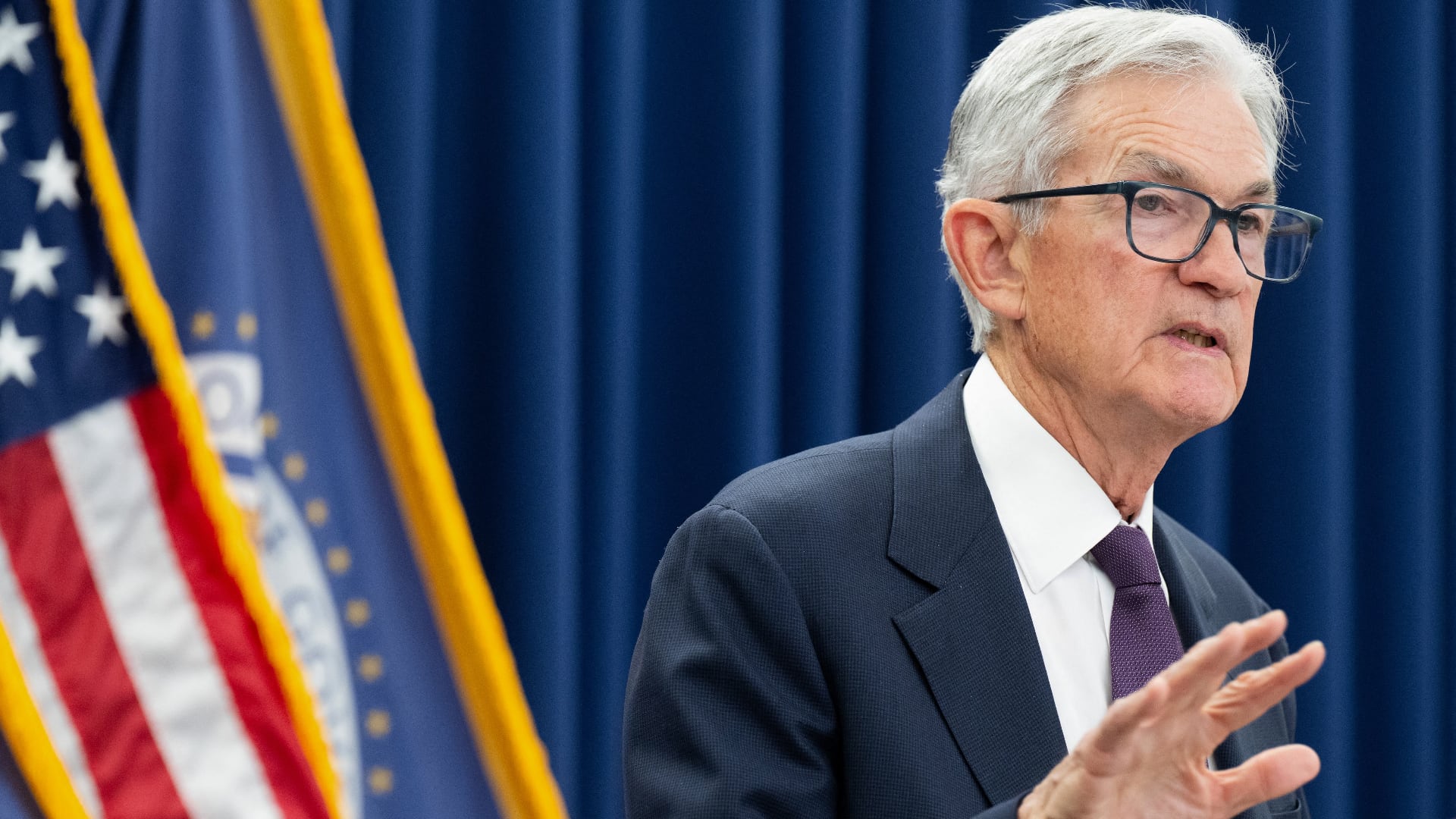
In this March 3, 2020 file photo, Federal Reserve Chair Jerome Powell speaks during a news conference to discuss an announcement from the Federal Open Market Committee, in Washington. (AP Photo/Jacquelyn Martin, File)
By Martin Crutsinger
The Federal Reserve announced a significant change Thursday in how it manages interest rates by saying it plans to keep rates near zero even after inflation has exceeded the Fed’s 2% target level.
The change signifies that the Fed is prepared to tolerate a higher level of inflation than it generally has in the past. And it means that borrowing rates for households and businesses — for everything from auto loans and home mortgages to corporate expansion — will likely remain ultra-low for years to come.
The new goal says that “following periods when inflation has been running persistently below 2%, appropriate monetary policy will likely aim to achieve inflation moderately above 2% for some time.”
The new Fed policy sought to underscore its belief that a low jobless rate was good for the economy by saying it would seek to assess the “shortfalls” in employment from the maximum level.
In a speech detailing the changes, Chairman Jerome Powell made clear that the policy change reflects the reality that high inflation — once the biggest threat to the economy — no longer appears to pose a serious danger, even when unemployment is low and the economy is growing strongly. Rather, Powell said, the economy has evolved in a way that allows the Fed to keep rates much lower than it otherwise would without igniting price pressures.
“The economy is always evolving,” Powell said. “Our revised statement reflects our appreciation for the benefits of a strong labor market, particularly for many in low- and moderate-income communities and that a robust job market can be sustained without causing an unwelcome increase in inflation."
In his speech, Powell said that the Fed's decision to allow unemployment to fall to a 50-year low before the pandemic had played an important role in lifting the fortunes of low-income workers.
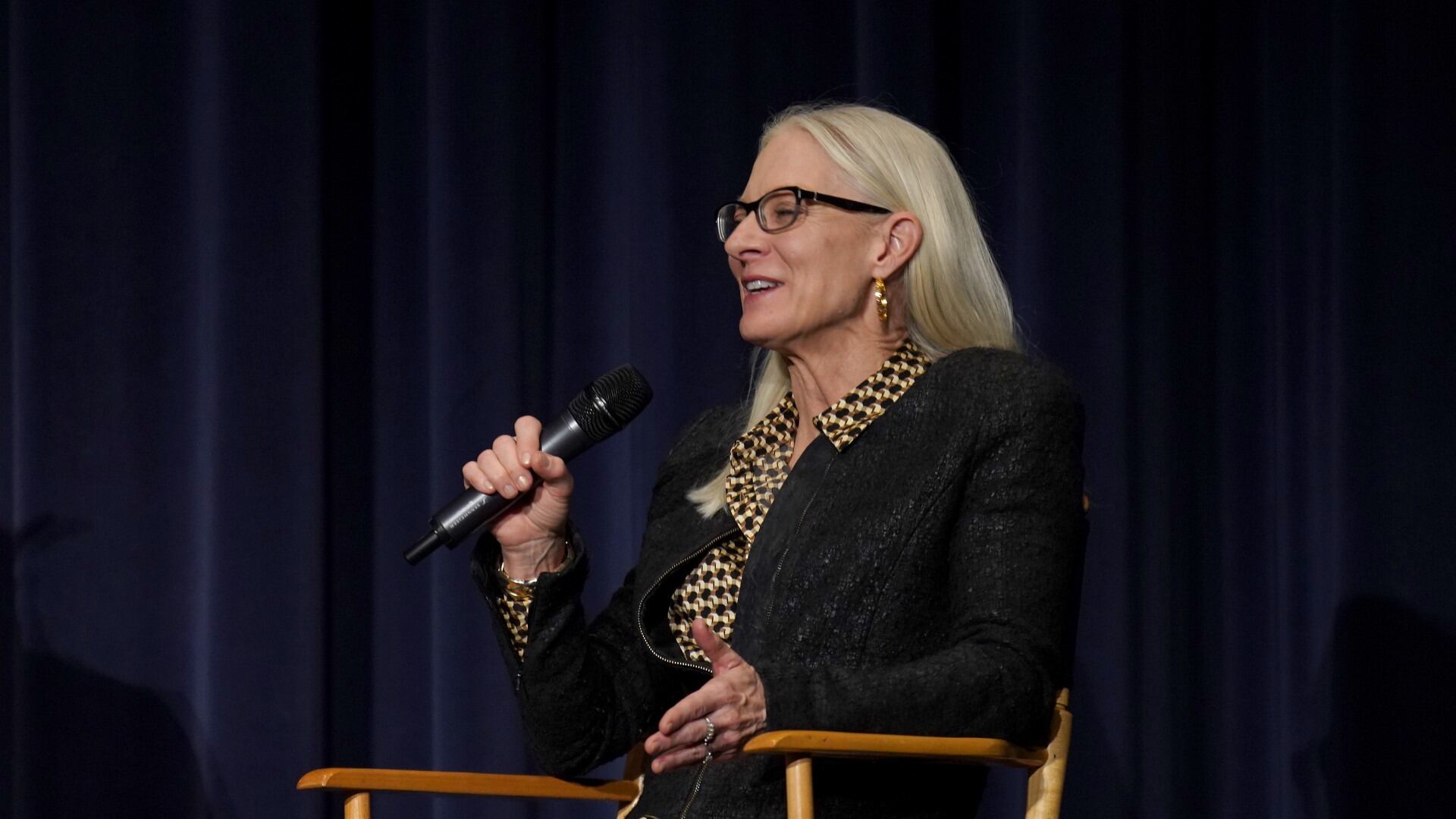
Kia McCallister-Young, director of America Saves, joined Cheddar News to explain key differences to consider when making a choice between a credit union and a bank. "You want to do your research and know exactly how to gain membership to a credit union," she said, "but, again, banks often are able to be more accessible and be in neighborhoods."
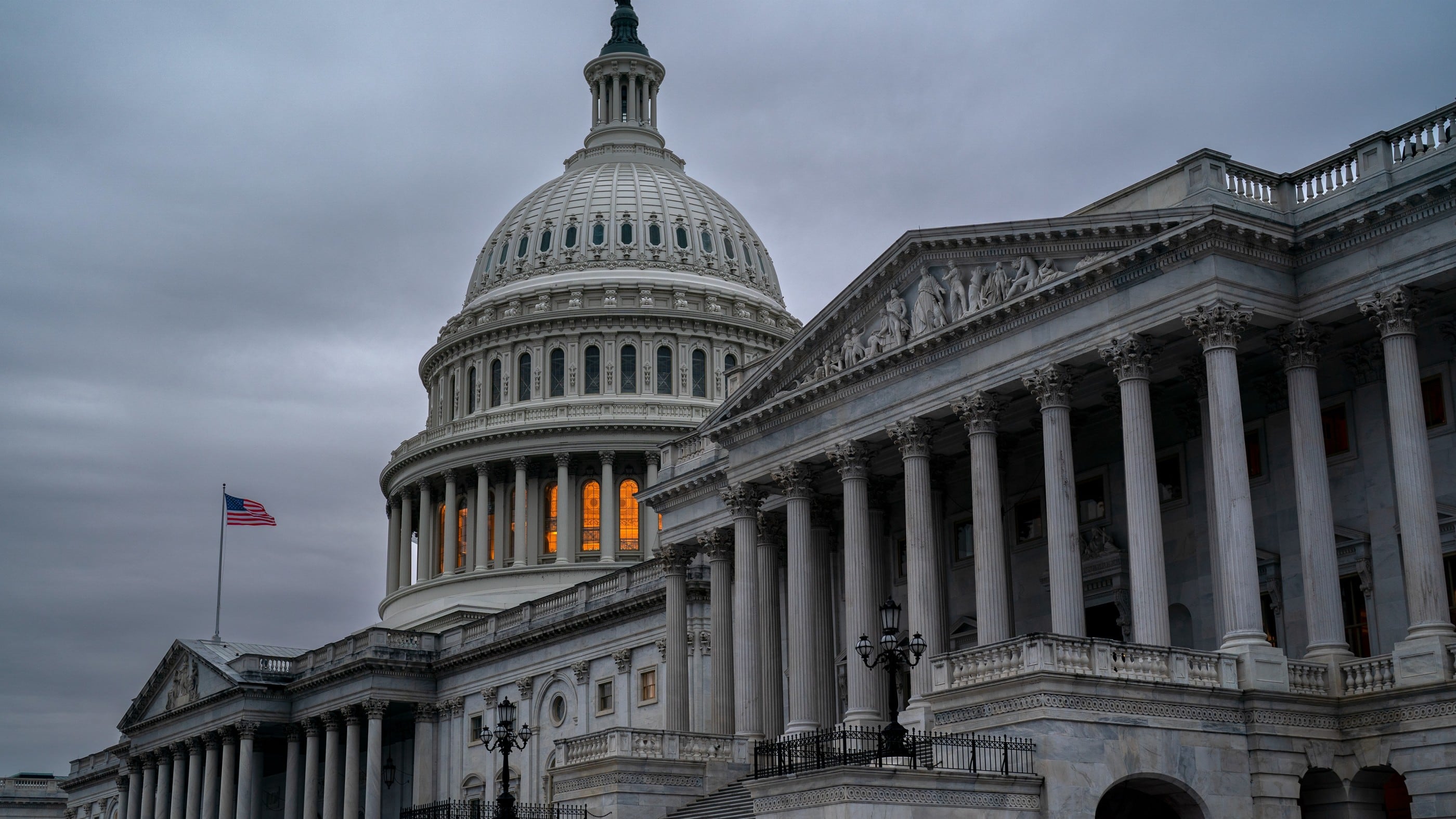
Cheddar News breaks down what to look for on The Day Ahead. The House will hold a hearing on the federal response to the recent banking issues while Starbucks CEO will testify on Capitol Hill about union-busting claims. Disney Parks workers are set to vote on a new contract proposal.
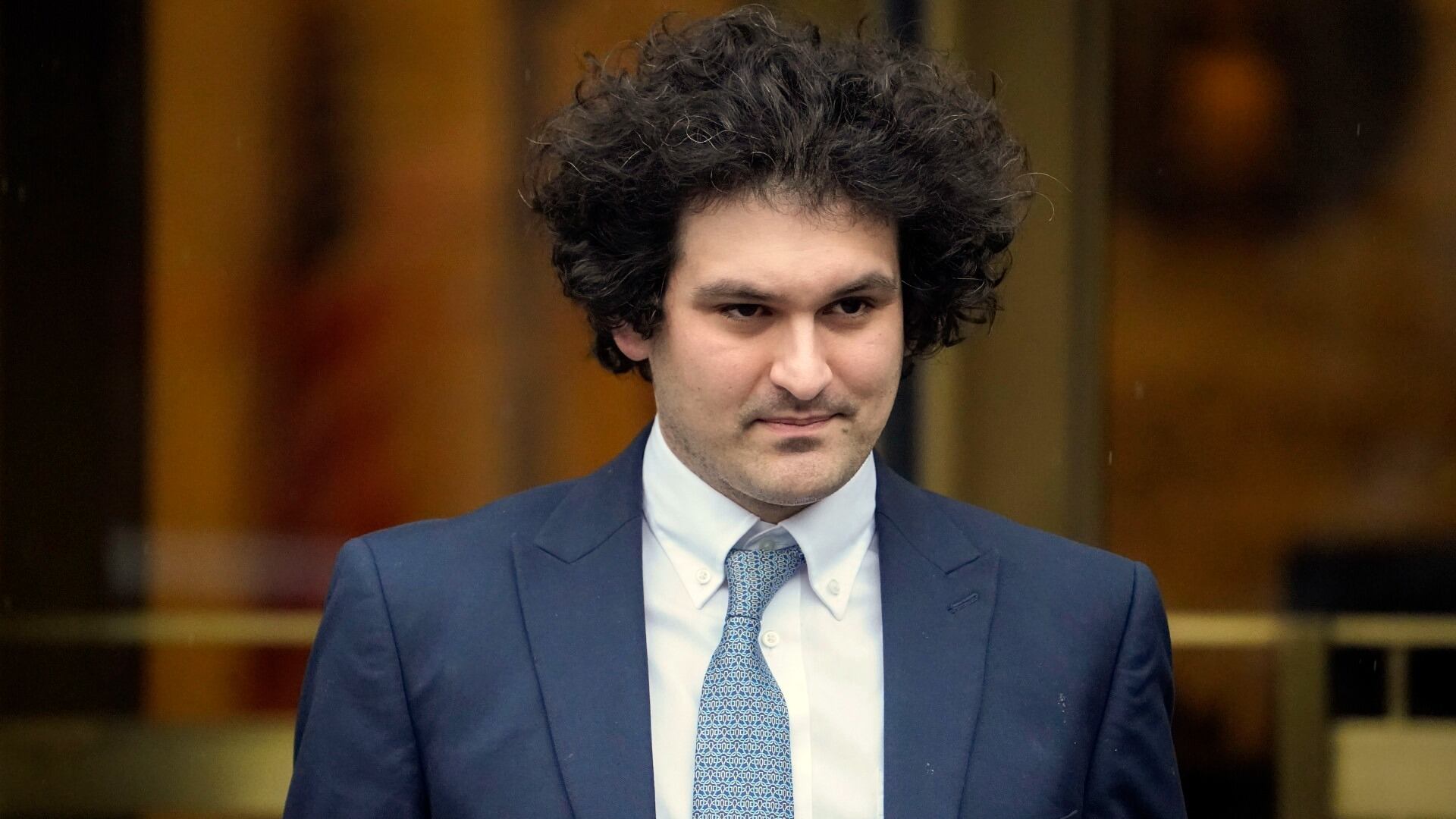
A new indictment charges FTX founder Sam Bankman-Fried with directing $40 million in bribes to one or more Chinese officials to unfreeze assets relating to his cryptocurrency business.
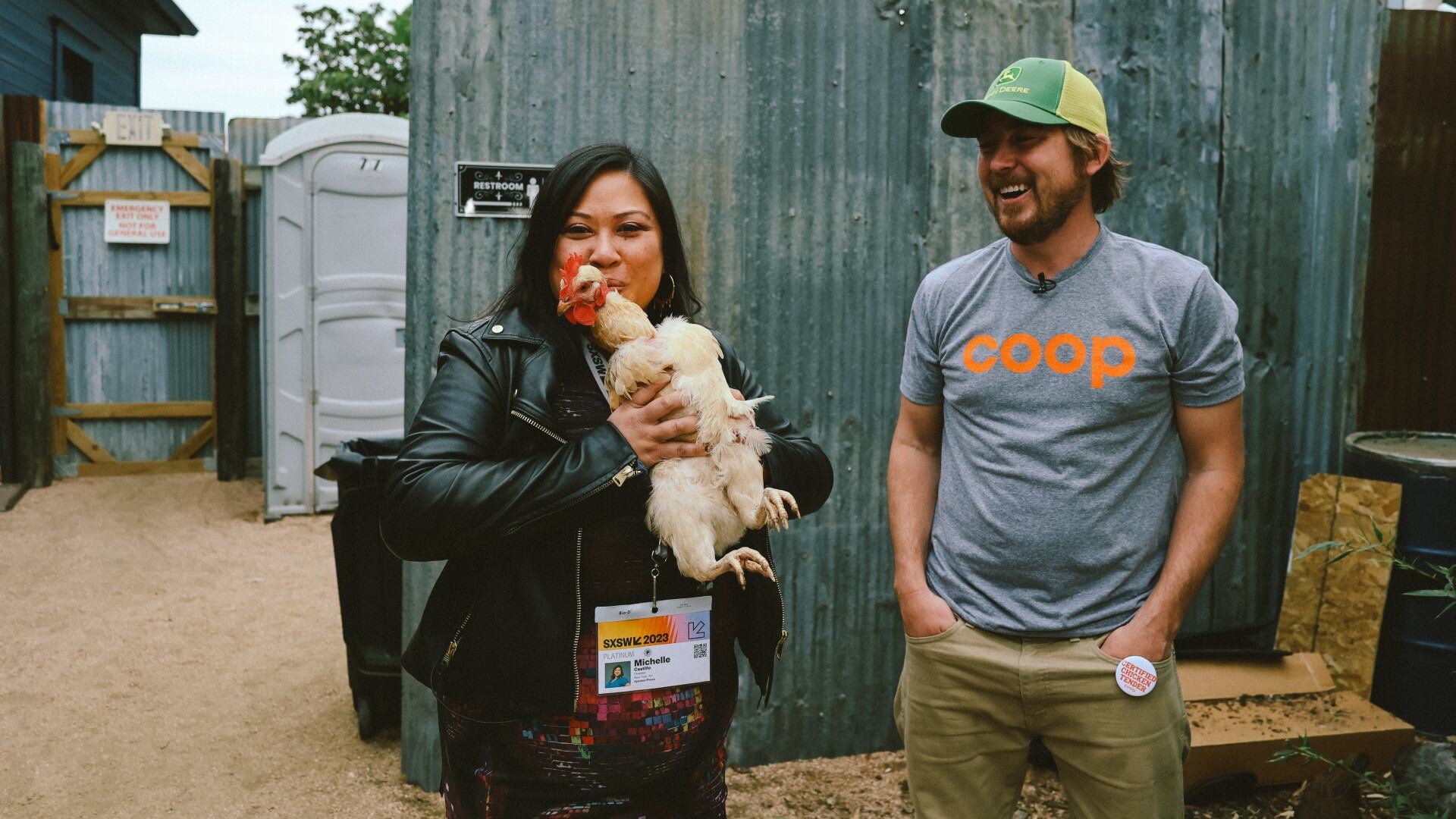
Producing your own food doesn't mean you have to own your own farm, and it might be as simple as raising some backyard chickens. Agri-tech startup Coop aims to make this easier for non-farmers with a so-called "smart" chicken coop. Cheddar News Senior Reporter Michelle Castillo found a flock to learn more.
Capitol hill is trying to get to the bottom of the bank collapses that shocked the financial system last month, and today lawmakers grilled banking regulators about why they weren't able to stop the crisis. Cheddar News correspondent Lisa Bennatan broke down the proceedings.
Alibaba is splitting itself into into six business groups as the Chinese e-commerce company attempts to become more nimble in reacting to changes in the market and increase the value of those units.
Juul will finally have its day in court for its role in the teen vaping epidemic. The Minnesota attorney general is preparing for opening arguments in the state's lawsuit against the vape maker. Here to break down the complicated backstory for this legal case is Senior Reporter Chloe Aiello.