By Martin Crutsinger
The Federal Reserve announced a significant change Thursday in how it manages interest rates by saying it plans to keep rates near zero even after inflation has exceeded the Fed’s 2% target level.
The change signifies that the Fed is prepared to tolerate a higher level of inflation than it generally has in the past. And it means that borrowing rates for households and businesses — for everything from auto loans and home mortgages to corporate expansion — will likely remain ultra-low for years to come.
The new goal says that “following periods when inflation has been running persistently below 2%, appropriate monetary policy will likely aim to achieve inflation moderately above 2% for some time.”
The new Fed policy sought to underscore its belief that a low jobless rate was good for the economy by saying it would seek to assess the “shortfalls” in employment from the maximum level.
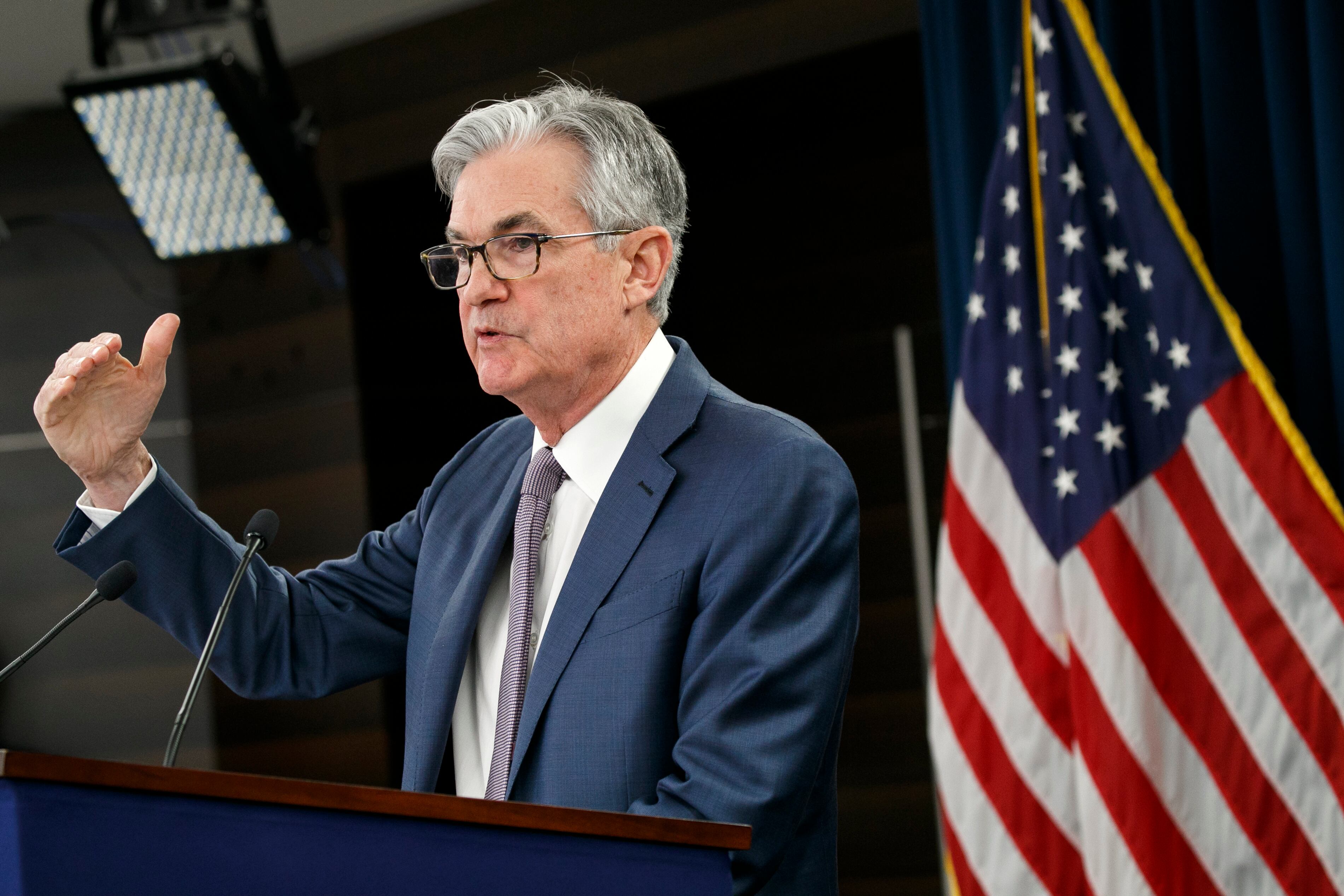
In a speech detailing the changes, Chairman Jerome Powell made clear that the policy change reflects the reality that high inflation — once the biggest threat to the economy — no longer appears to pose a serious danger, even when unemployment is low and the economy is growing strongly. Rather, Powell said, the economy has evolved in a way that allows the Fed to keep rates much lower than it otherwise would without igniting price pressures.
“The economy is always evolving,” Powell said. “Our revised statement reflects our appreciation for the benefits of a strong labor market, particularly for many in low- and moderate-income communities and that a robust job market can be sustained without causing an unwelcome increase in inflation."
In his speech, Powell said that the Fed's decision to allow unemployment to fall to a 50-year low before the pandemic had played an important role in lifting the fortunes of low-income workers.
Debt ceiling talks are underway in Washington, DC ahead of a default deadline. Michael Rosen, chief investment officer with Angeles Investments, joined Cheddar News to explain how a potential default could affect investment portfolios, among other items, for Americans.
Australia's government announced regulations for buy now, pay later services, which will be labeled as consumer credit products, which puts them under the country's Securities and Investments Commission's watch.
Walmart is reportedly teaming up with pet telehealth provider Pawp, giving subscribers unlimited access to vet services via video and text, starting on Tuesday.
Cheddar News checks in to see what's on The Day Ahead, which will include earnings from Lowe's, Dick's Sporting Goods, BJ's and AutoZone along with new home sales data. In addition, Microsoft's Build 2023 Developer Conference is slated to kick off for software engineers and web developers.
Amazon will use a new feature in its palm-scanning system to verify one's age to purchase alcohol.
Venmo will soon have accounts for teenagers ages 13-17 but they will have to follow a set of rules, with parents or guardians opening accounts on their behalf under their own accounts.
Rory Harvey, General Motors' incoming North American president, joined Cheddar News to discuss GM's foray into the rapidly-changing electric vehicle market along with what lies ahead. "It's a very dynamic time in the automotive industry," he said. "If you look to the transformation across the EVs, it's happening and it's happening at a pace."
Tesla trimmed prices by offering discounts of around $1,300 for its Model 3 vehicles, continuing price adjustments across its fleet since January.
A new oral weight-loss drug from Pfizer could be more effective than the popular Ozempic injection, based on clinical trial results.
Ford Motor laid out some financial expectations and specific growth objectives for its electric vehicle line at an investors' event on Monday. John Lawler, chief financial officer of Ford Motor Co., joined Cheddar News to explain what lies ahead for the automaker.