By Christopher Rugaber
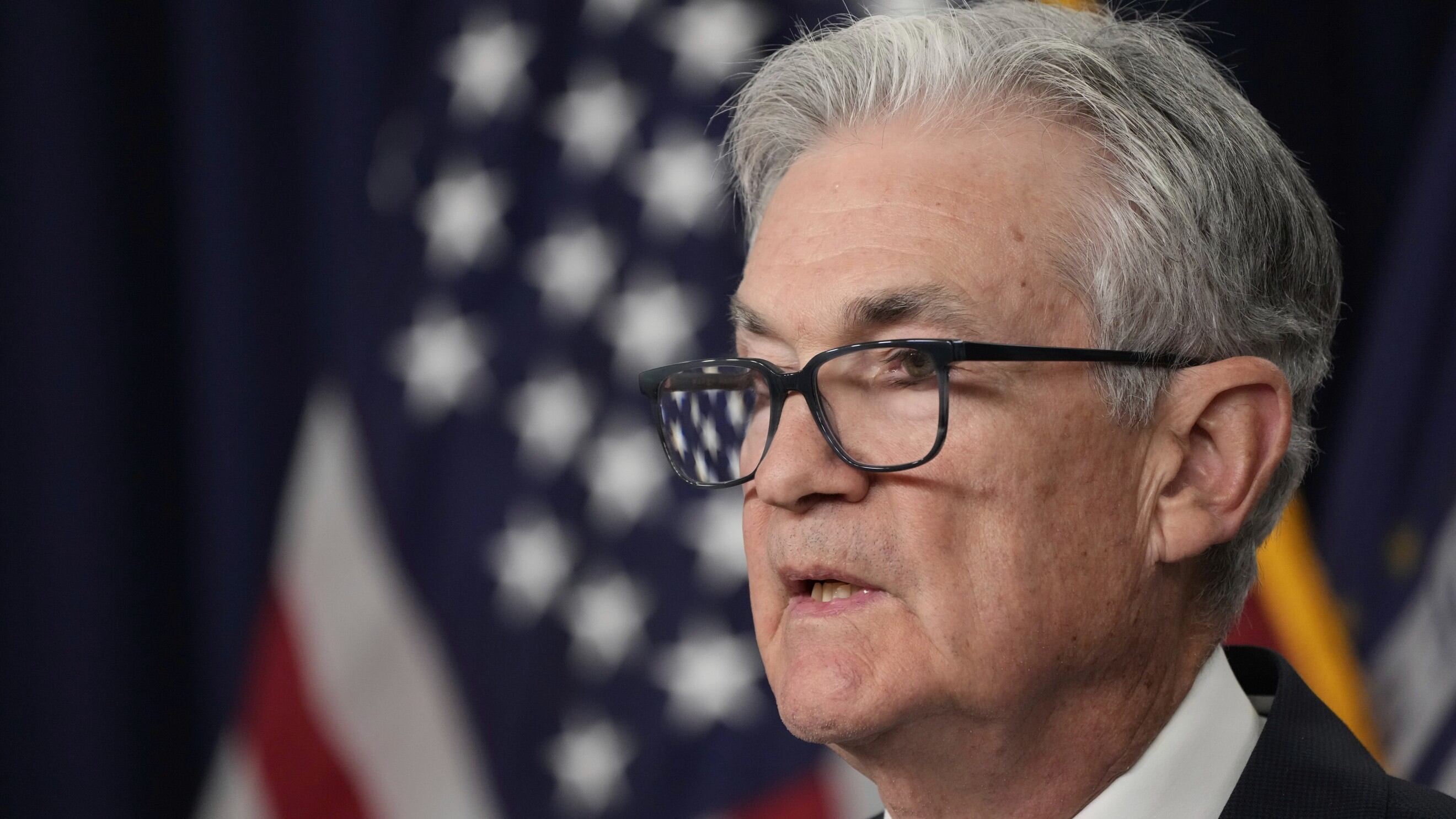
Federal Reserve Chair Jerome Powell said Thursday that inflation remains too high and that bringing it down to the Fed's target level will likely require a slower-growing economy and job market.
Powell noted that inflation has cooled significantly from a year ago. But he cautioned that the economy is growing faster than the Fed had expected and could continue to keep inflation elevated. As a result, the Fed chair said, it's not yet clear whether inflation is on a steady path back to the Fed's 2% target.
“We certainly have a very resilient economy on our hands,” Powell said in a discussion at the Economic Club of New York. “Many forecasts called for the U.S. economy to be in recession this year. Not only has that not happened; growth is now running for this year above its longer-run trend. So that’s been a surprise.”
Powell's comments echoed speeches from other Fed officials this week, which have underscored that they are grappling with an unusual and unexpected development: Inflation is slowing even while economic growth and hiring have been robust.
In its drive to tame inflation, the Fed has raised its key rate 11 times since March 2022 to about 5.4%, its highest level in 22 years. Though inflation has tumbled from its peaks of last year, it still has further to go to reach the Fed's 2% inflation target . Doing so is likely to require slower economic growth.
If the healthy economic expansion and hiring endure, Powell said Thursday, the central bank might have to further raise its benchmark rate. The Fed's long series of rate hikes have raised the costs of auto and home loans, credit card borrowing and business loans, imposing financial burdens on many households and companies.
At the same time, Powell suggested that the Fed might not have to impose another hike, at least not soon, because of a spike in longer-term bond rates. The rise in long-term rates has contributed to a jump in the average cost of a 30-year mortgage to nearly 8%. Higher long-term rates, coming on top of the Fed's own short-term rate hikes, could help slow growth and cool inflation, thereby easing pressure on the Fed to hike further.
“That's exactly what we’re trying to achieve,” Powell said.
“At the margin," he said, "it could” mean the Fed won't have to further raise rates.
Yet Powell also said there was no evidence that interest rates are too high right now, a signal that he thinks the Fed could raise them further without causing a recession in the process.
Asked Thursday about the economy's resilience despite the rate hikes, Powell suggested that interest rates simply “haven't been high enough for long enough." Many economists expect that the Fed, even if it doesn't raise its rate again, will keep them high for an extended period.
Last month, Fed officials predicted that they would impose one more rate hike before the end of the year. Economists and Wall Street traders expect the central bank to leave rates unchanged when it next meets in about two weeks.
Several recent economic reports have suggested that the economy is still growing robustly and that inflation could remain persistently elevated.
In September, hiring was much greater than had been expected, with the unemployment rate staying near a half-century low. Strong hiring typically empowers workers to demand higher wages, which, in turn, can worsen inflation if their employers pass on the higher labor costs by raising their prices.
Yet so far, Powell noted that wage growth has slowed. Other measures of the job market are also cooling, a trend that could keep inflation contained. Indeed, even with solid economic growth, inflation has largely decelerated: The Fed’s preferred measure of price changes eased to 3.5% in September compared with 12 months earlier, down sharply from a year-over-year peak of 7% in June 2022.
On Wednesday, Christopher Waller, an influential member of the Fed’s governing board, suggested that the slowdown in inflation even as the economy has remained healthy is “great news” but also “a little too good to be true.” He noted that growth could either slow, helping cool inflation, or remain strong, fueling higher inflation and requiring further rate hikes by the Fed to contain it.
“It is too soon to tell,” Waller said. “I believe we can wait, watch and see how the economy evolves before making definitive moves.”