Medical experts are sounding the alarm about the rise of "climate anxiety" in children and teens around the globe.
"We see that a lot of young people are saying, 'I think my life will be worse than my parents' lives,'" a psychology professor at Suffolk University in Boston told CBS News.
Data from a study published in The Lancet Planetary Health in December 2021 found that young people are extremely concerned about the state of the climate crisis.
"Climate anxiety and dissatisfaction with government responses are widespread in children and young people in countries across the world and impact their daily functioning," the report stated. "A perceived failure by governments to respond to the climate crisis is associated with increased distress."
A large number of young people in the study reported that they feel a sense of hopelessness and worry that the human race will go extinct. Most also agreed that governments are not doing enough to address the issue and even noted feeling betrayed by them.
"Children are now turning to legal action based on government failure to protect ecosystems, young citizens and their futures. Failure of governments to protect them from harm from climate change could be argued to be a failure of human rights and a failure of ethical responsibility to care, leading to moral injury," according to the journal.
The non-profit Child Mind Institute suggests that parents allow children to express their concerns and fear of climate change but to also encourage them to be brave. The organization also advises that parents helping them manage their feelings and adopting ways to change their own habits can help mitigate the worry.
This week's episode of Cheddar's Crypto Craze tackles the latest news and trends in this emerging market. Dropbox files to go public. The dow closes the week up more than 300 points. TV personality Kelly Killoren Bensimon is out with a fur slipper line.
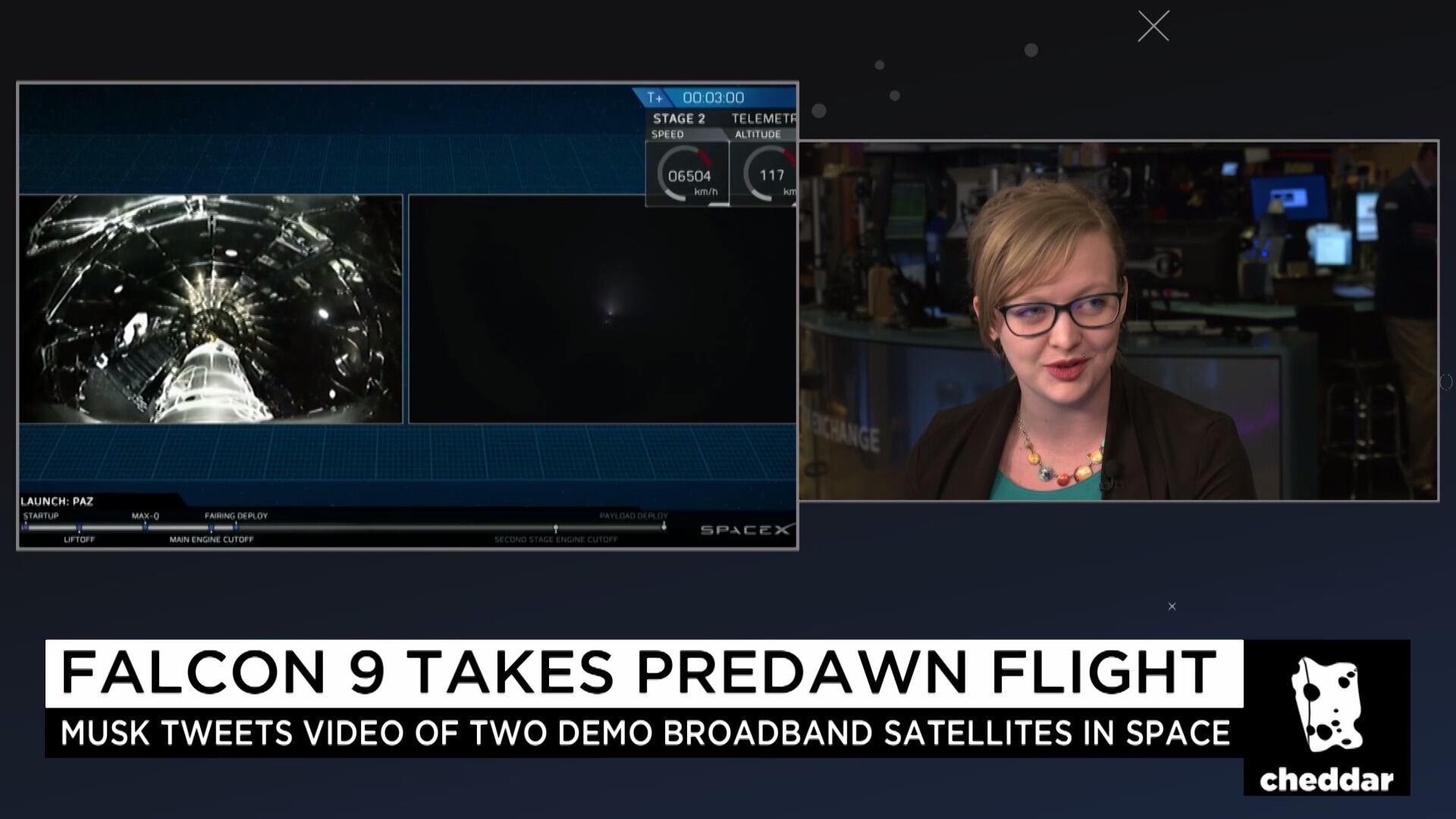
Hanneke Weitering, staff writer at Space.com, discusses SpaceX's launch of the Falcon 9 rocket that carried a Spanish imaging satellite and two demo Starlink broadband test satellites. With this technology, SpaceX hopes to provide high speed, low cost energy across the globe.
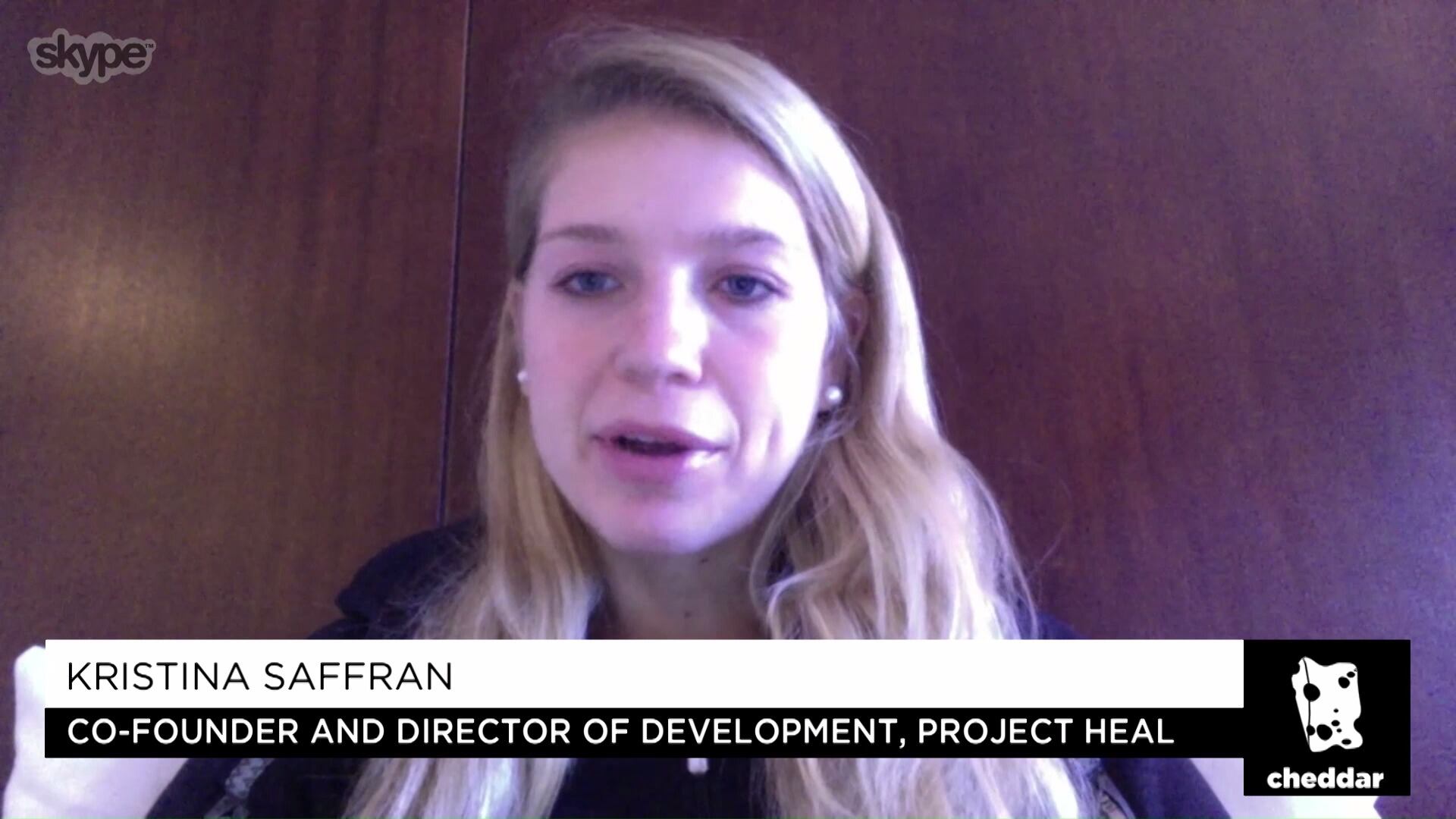
Weight Watchers is getting slammed after offering a free membership promotion for teenagers. Project Heal's Kristina Saffran joins Cheddar to discuss the effects early dieting can have on young people's health and wellness.
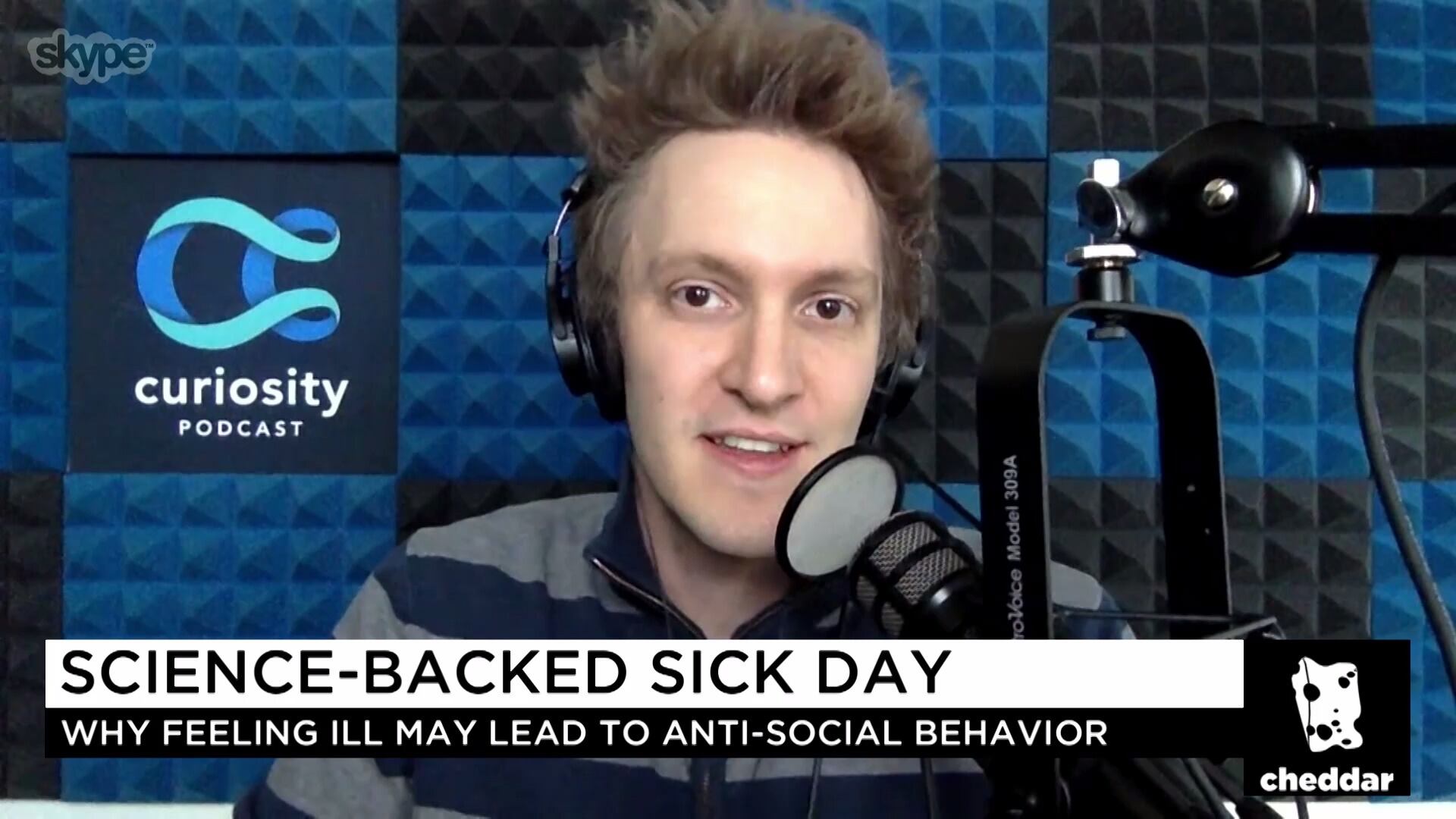
Cody Gough, podcast host at Curiosity.com, discusses new studies that reveal why we may not want to be around people when we're sick. He also describes the physical characteristics that tell people when we're feeling under the weather.
I-han Chou, senior editor at Nature, discusses a new study about adolescence and how that period of your life influences adulthood.
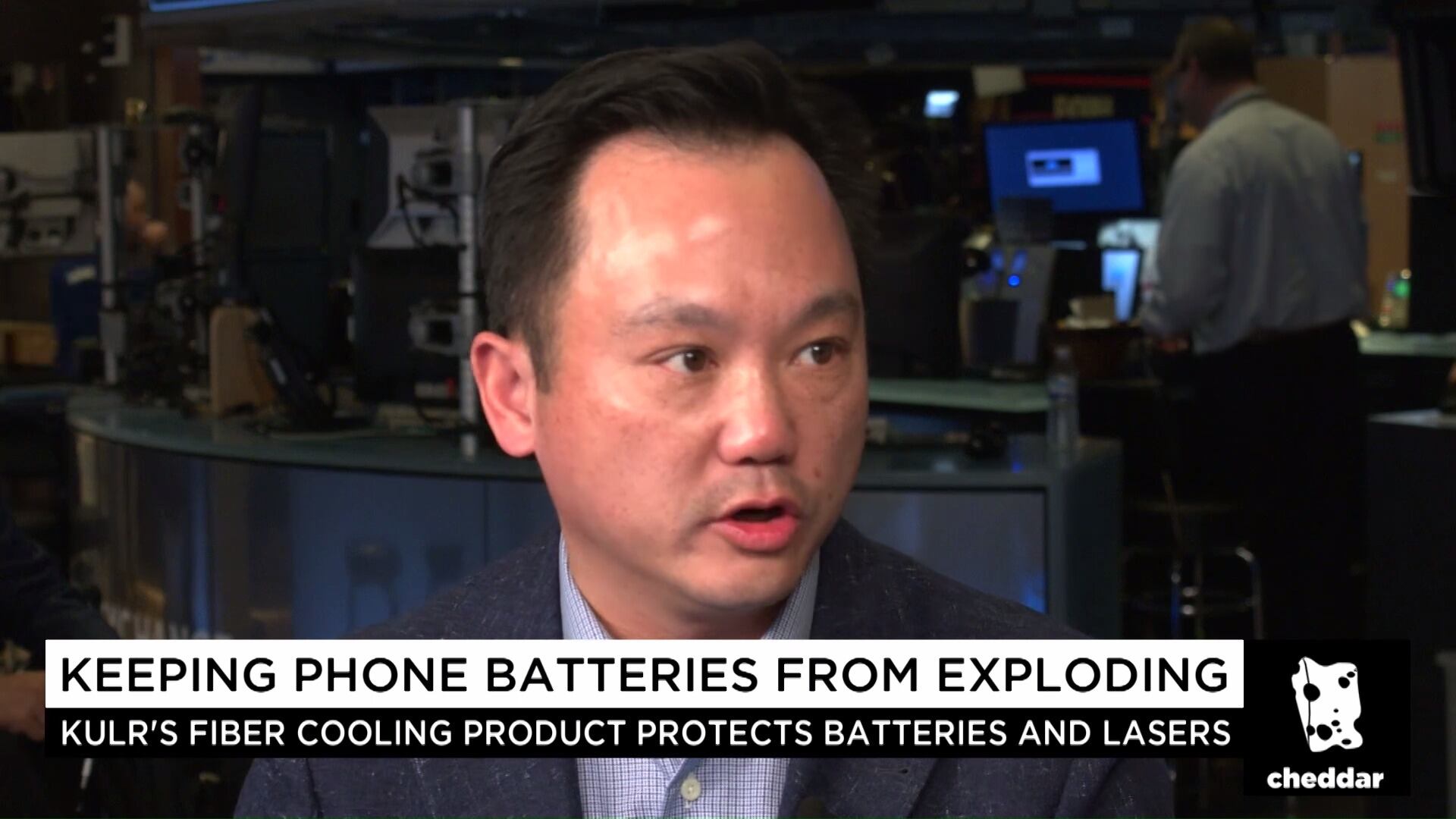
Concerns over electronics' batteries overheating and potentially exploding have been circling for some time, reaching a head with Samsung's massive recall of its Note Seven phones. That is why KULR Technologies has created technology that protects batteries and material for everything from electric cars to NASA spaceships.
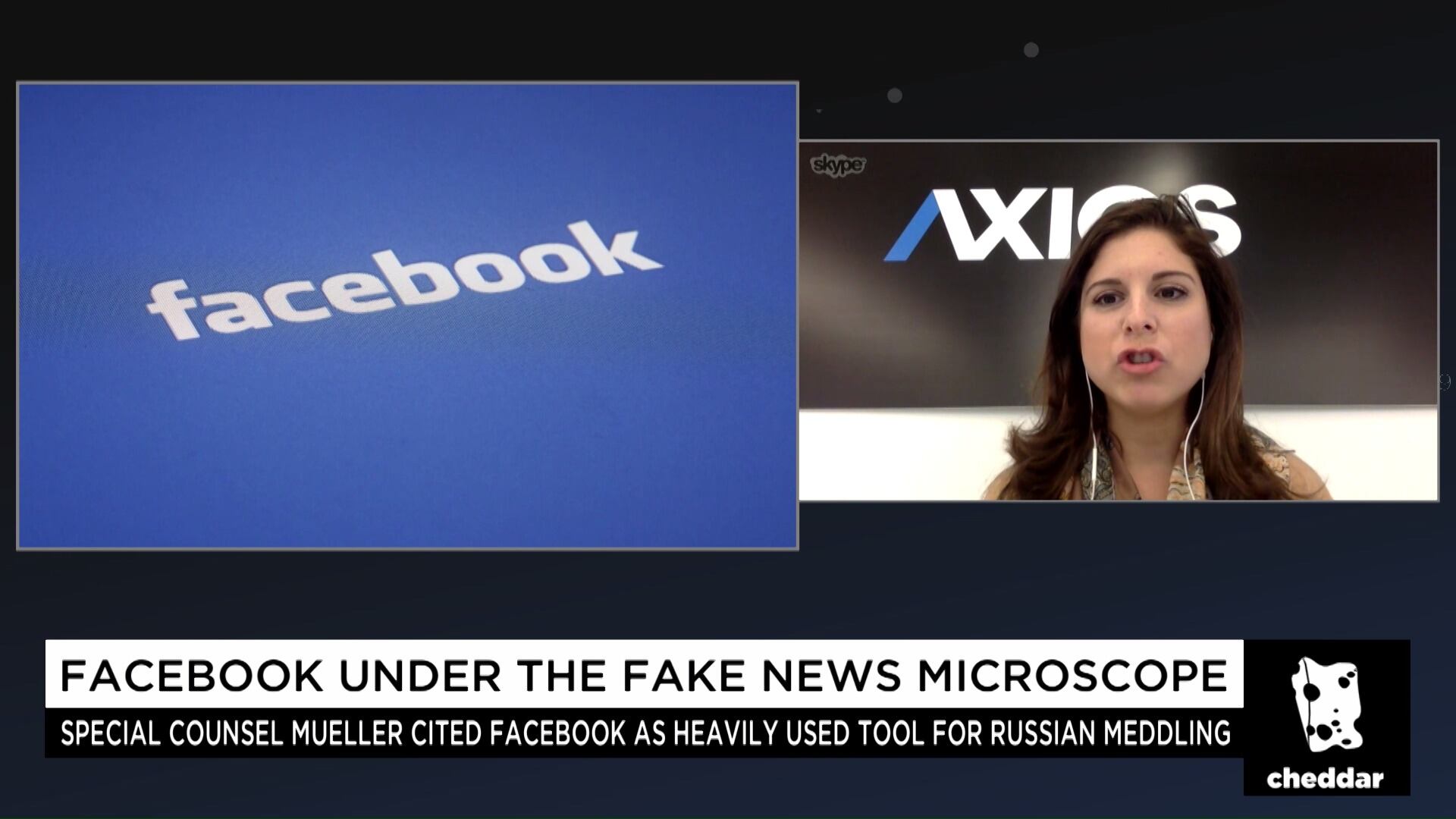
Facebook is back under the microscope for failing to stop the spread of fake news. Sara Fischer, media reporter for AXIOS, joins to explain how the big tech companies are, or are not, addressing the problem.
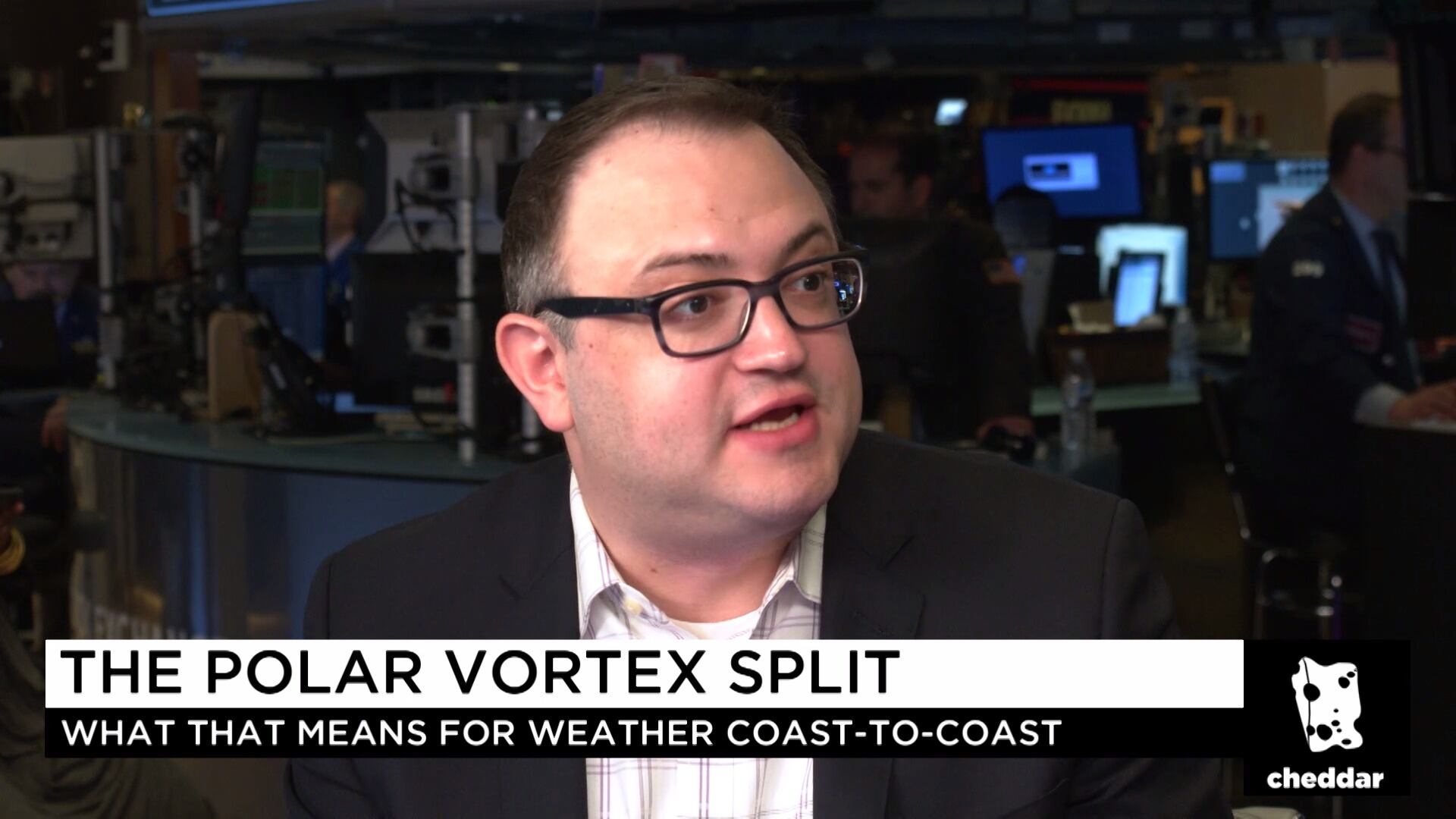
Extreme weather across the nation this week. New York City, Philadelphia, and Washington, D.C. experiencing record high temperatures. Meanwhile, parts of Washington state and Denver are seeing record lows. Mashable's Andrew Freedman explains how the polar vortex split is causing wild weather coast to coast.
Temperatures in Washington, D.C., hit 82 degrees on Wednesday, while the West Coast braced for record lows. Andrew Freedman, senior science editor at Mashable, says a "polar vortex split" is partly to blame.
On Between Bells: Talking to kids about gun violence, Dallas Mavericks under fire, restaurant servers fight tip-pooling laws, and more. With Eater, Parents Magazine, and Popular Science.