It's a new era for the Ford Motor Company. For the first time in 55 years, the automaker expanded its lineup of the iconic Mustang model with an all-electric version — and the line's first SUV.
"It's time to transition to electrification," Joe Hinrichs, Ford president of automotive, told Cheddar Monday.
Hinrichs says Mustang has traditionally focused on "fast, fun, and affordable," and he believes the Mach-E will stand up to that test. It reaches 0 to 60 miles per hour in about 3 seconds.
The Mach-E also has a range of at least 260 miles which keeps the model in line with Ford's environmental sustainability commitments. Drivers making the switch from gas to electric will have access to some 12,000 charging stations through the FordPass Charging Network, the largest public charging system in North America. Ford will also offer multiple home charging solutions as it puts more than $11 billion into a global transition to electric vehicles.
At price points ranging from about $44,00 to $60,000, the Mach-E costs about $10,000 more than a combustible engine Mustang but is competitive with Tesla, the leading electric car brand. Hinrichs predicts all manufactured Ford vehicles will be electric at some point "in our lifetime." He says the company already has 40 all-electric or hybrid cars in development.
Ford's technology teams aren't solely focused on electric. The company is carefully working on its autonomous technology and Henrichs says it will wait until self-driving cars are safer than those driven by humans. "The requirements are greater than [for] a human driver, and they should be," says Hinrichs "We tolerate a lot of human driver behavior that we won't tolerate in an autonomous vehicle."
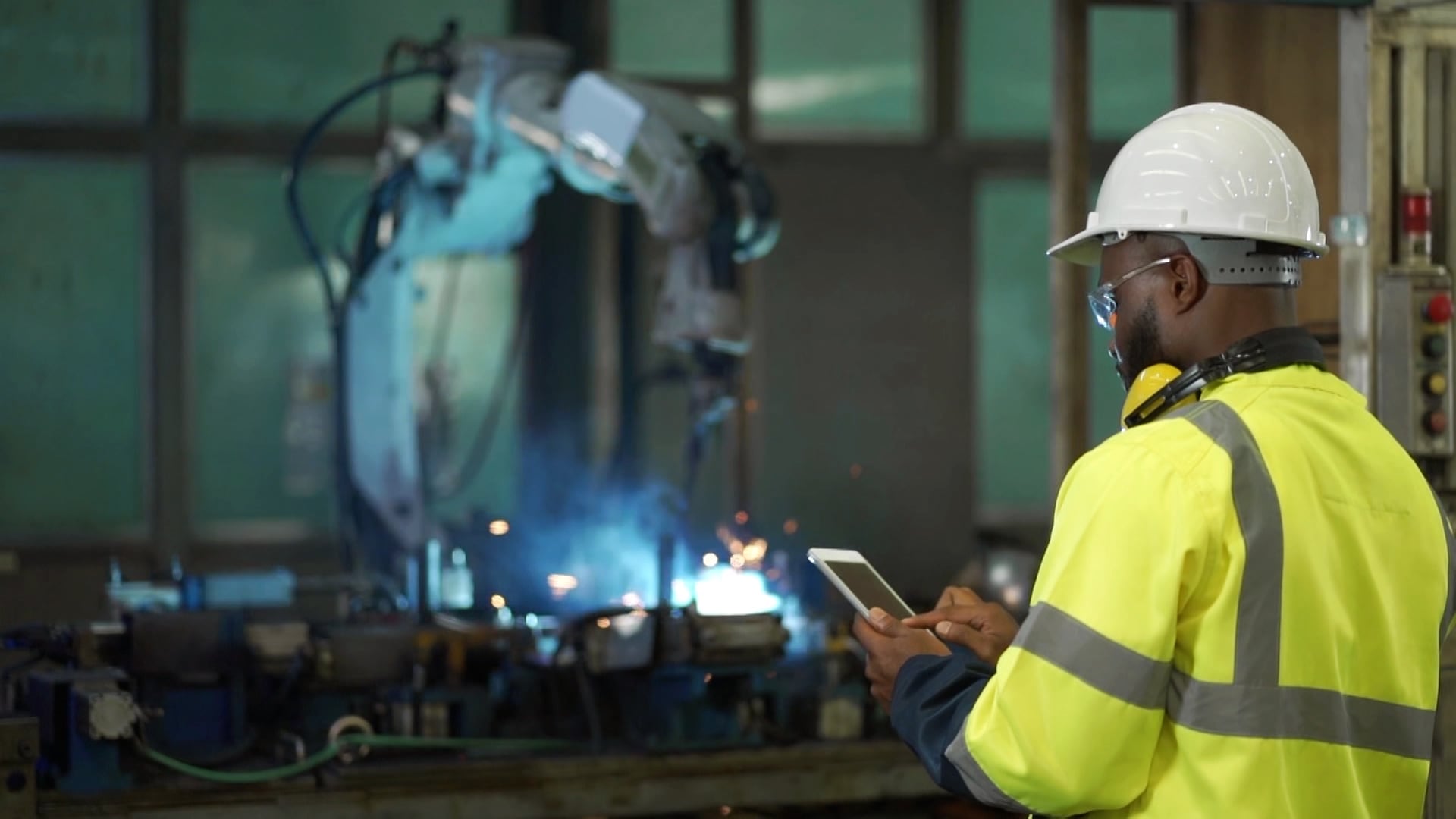
Paul Tracey, Founder & CEO of Innovative Technologies, and author of 'Delete The Hacker Playbook' and 'Cyber Storm', joins Cheddar to discuss the most effective ways to protect small businesses from cyber attacks, the labor shortage's effects on cybercrime, and how businesses and employees can stay cyber secure while working from home.
A lot has changed since the pandemic began back in march 2020. COVID-19 caused a huge disruption in the U.S. labor force that is just beginning to normalize. As of last month, about 96% of jobs lost in the pandemic have returned. Still, where people work now looks very different from two years ago. Cheddar's Shannon Lanier looks at where the jobs are now and where they aren't.
Dave Burg, EY Americas Cybersecurity Leader, joins Cheddar News to discuss the rise of quantum computing and how it can compromise existing security measures at play today, and what the timeline looks like for quantum computing to become a reality.
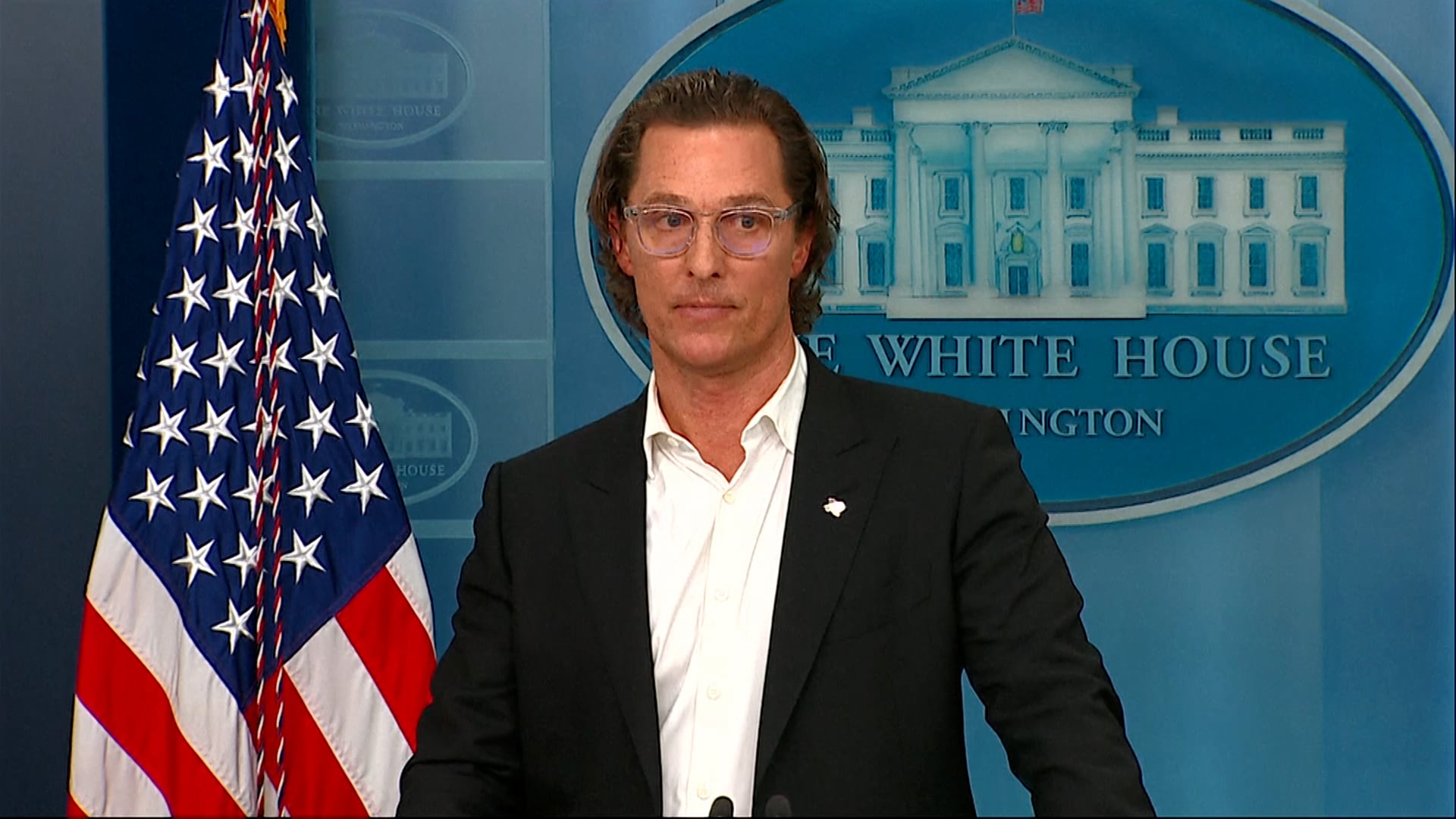
Getting you caught up on the stories you need to know this morning: Matthew McConaughey lends his voice to the gun control fight in congress, at least 30 people were injured in Germany after a car plows into a crowd, and a new weight loss drug shows promising results.
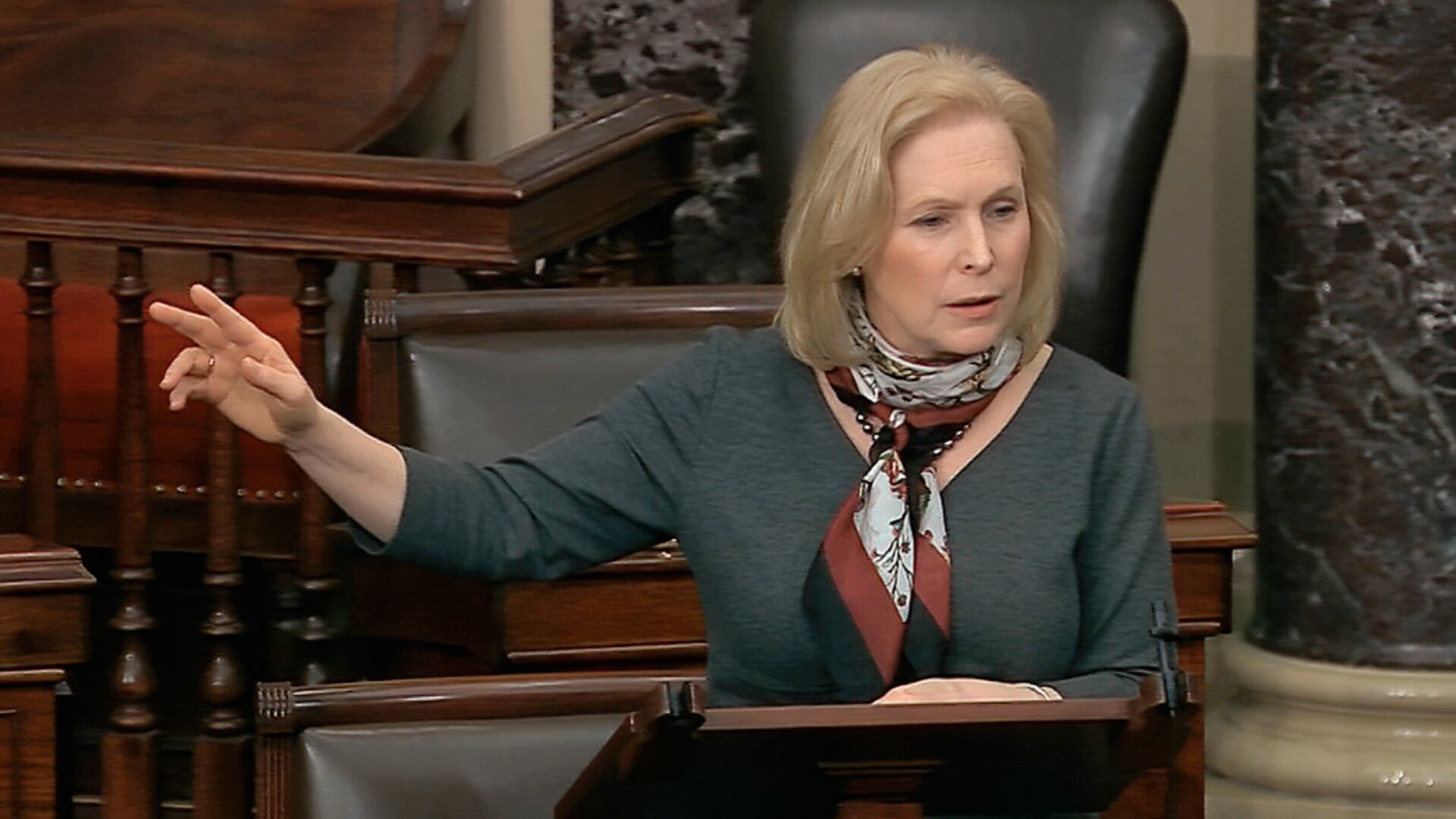
Michelle Bond, CEO of the Association for Digital Asset Markets, joins Closing Bell, where she breaks down the Responsible Financial Innovation Act, which would not only establish a regulatory structure for digital assets, but hand over crypto oversight to the CFTC instead of the SEC.
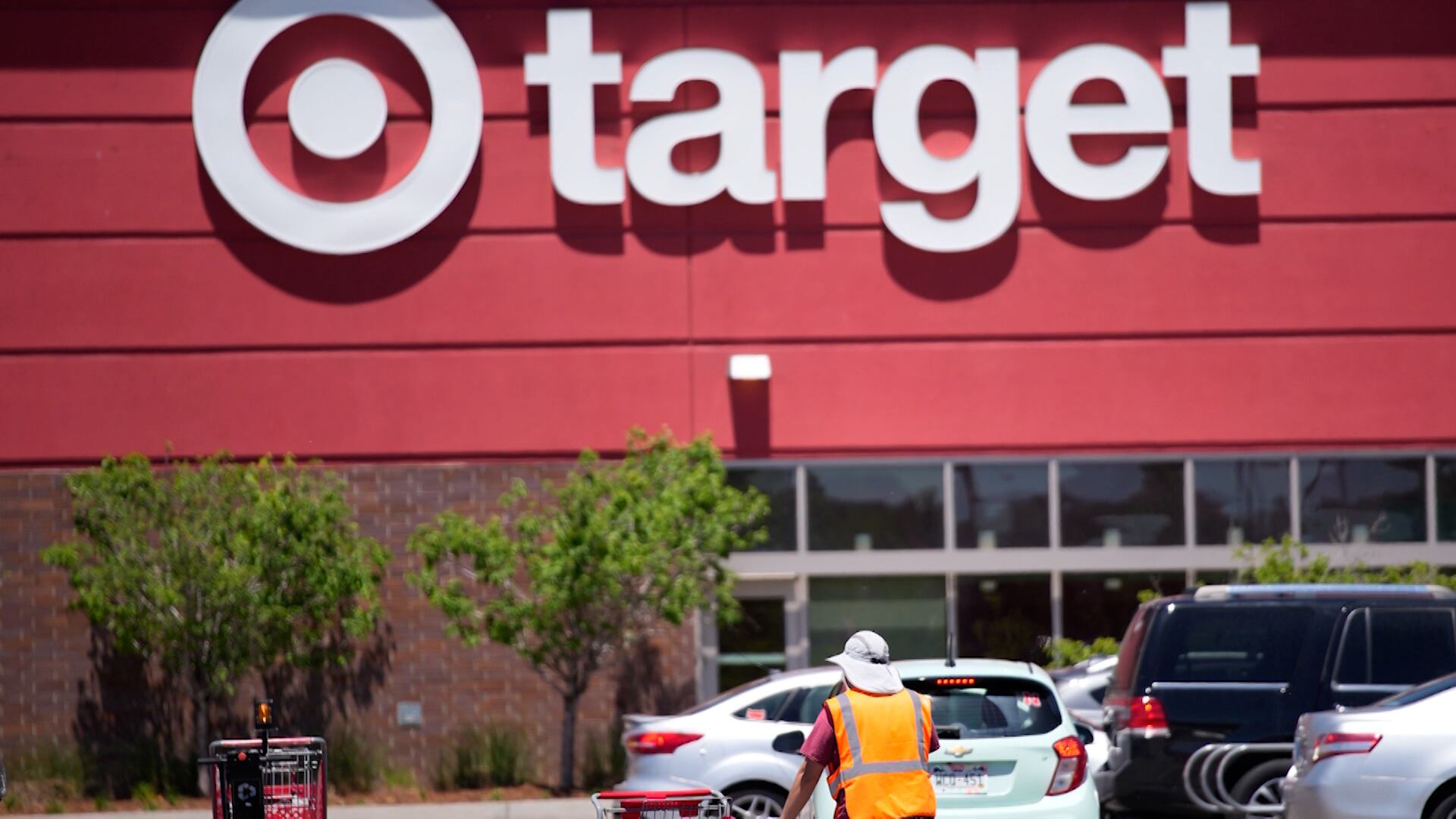
Caleb Silver, Editor-in-Chief at Investopedia, joined Closing Bell to break down what Target's lowered forecast means for the retail industry ahead of Friday's CPI report.
Jim Corridore, Senior Insights Manager at Similarweb, joined Closing Bell to break down the competing offers from JetBlue and Frontier as both airlines look to join forces with Spirit Airlines.