On the heels of President Trump's speech at the RNC from the White House, thousands descended on the capital today to commemorate the 57th anniversary of the March on Washington.
Derrick Johnson, president and CEO of the NAACP, said that in the midst of social unrest and senseless violence, the march is about emphasizing the importance of voting in this year's presidential election.
"We want to make sure that we use this moment to pause, to re-energize, to focus on marching to the polls in November," Johnson told Cheddar.
While many are expected to show up to the march in-person, organizers are also taking the event online for those unable to attend or who prefer to stay away from crowds amid the pandemic.
Meanwhile, as President Trump continues to wage a war against the mail-in voting process, Johnson and the NAACP are looking for the government to restore the "stripped" Voting Rights Act.
"In order for this democracy to truly work, we must allow access to the ballot box and unfortunately, we have reduced the administration of elections to a partisan consideration," Johnson said.
As the issue of policing in America hangs in the backdrop of the march's mission, Johnson said it is an issue that has to be addressed. When it comes to policies regarding policing, there has to be a process for accountability, he continued, stating that it's imperative other services receive the funding needed so that police are not required to serve functions for which they are not trained.
"We have to take a serious look at the budget of police to make sure we're not asking officers to serve the role of mental health providers; to serve the role of anything else other than policing," Johnson said.
For Johnson, it's all about leveling the playing field and making policing in the U.S. uniform across the country.
"Some of the wealthiest communities across this country see a really robust preventive program in place. Low income areas and areas where African Americans are being patrolled — we don't have enough preventive measures so things will not escalate as we've seen over the recent few months," he explained.
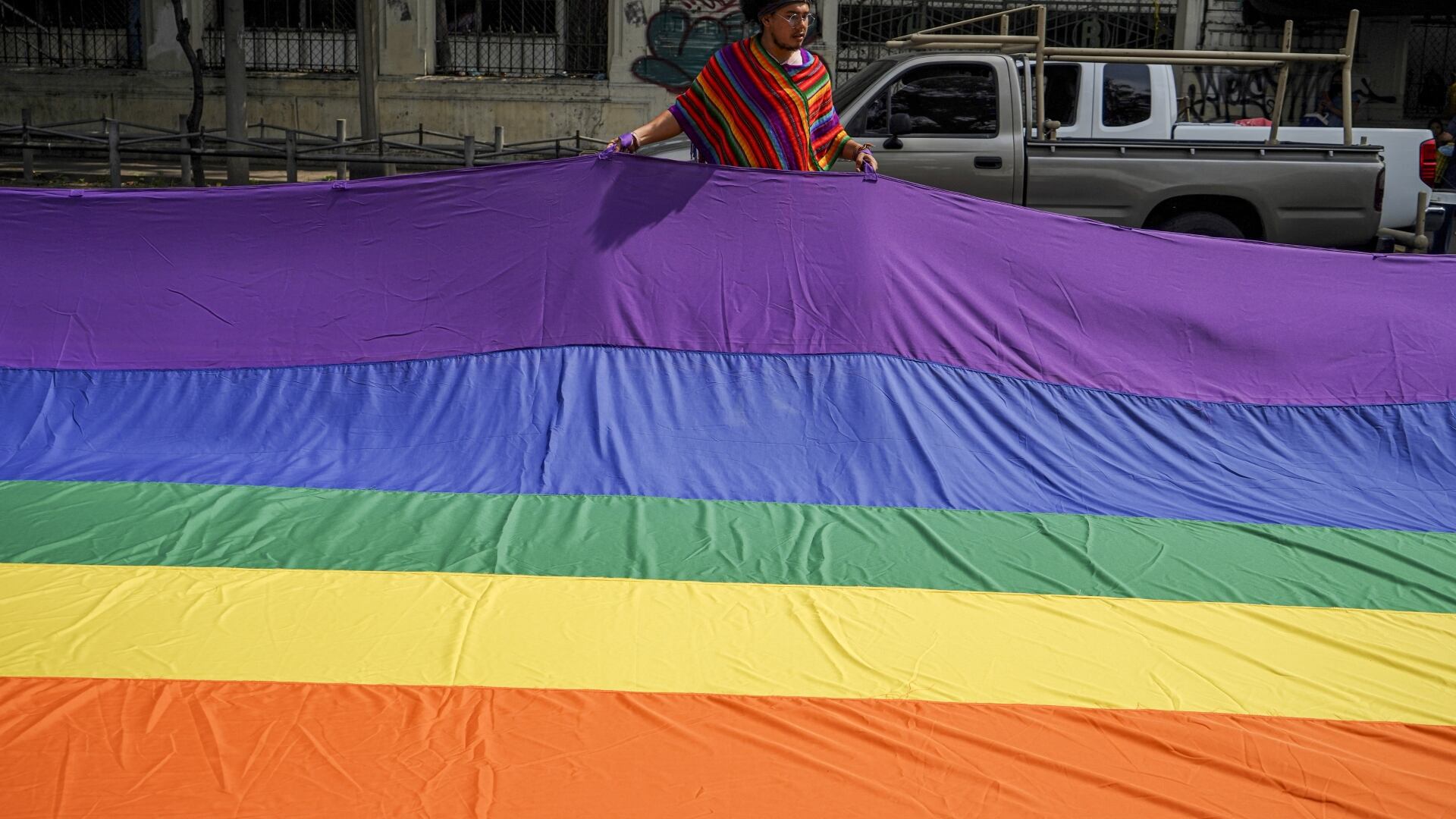
Liana Guzmán, CEO of FOLX Health, joins Cheddar News to discuss the company launching billboards across the country in response to anti-LGBTQ+ legislation.
President Biden has announced an additional $800 million in military assistance to Ukraine, including artillery, armored personnel carriers, and helicopters. It comes as Russian forces appear to be preparing for a new, aggressive offensive in the eastern part of Ukraine. Paul McLeary, defense reporter for Politico, joined Cheddar to discuss this new round of aid and what it means for the U.S. commitment to arming the embattled country.
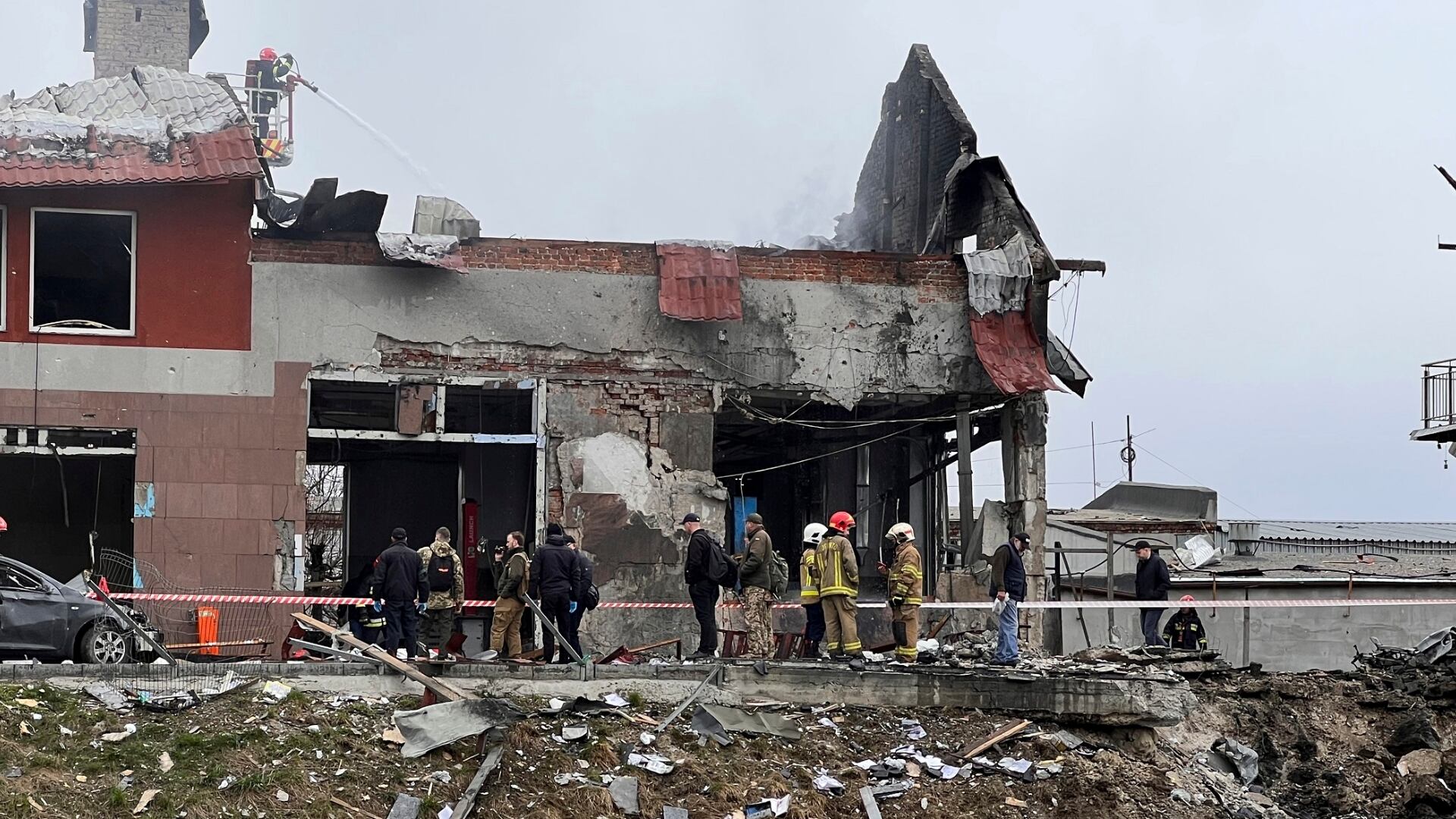
Catching you up on what you need to know on April 18, 2022, with Russian missile attacks on the Ukrainian city of Lviv killing seven, mass shootings in South Carolina and Pittsburgh, Lucky Charms cereal under official investigation by the FDA, and more.
Activism is growing around the country in response to school boards banning books from shelves that focus on sexuality, gender, identity, or race. Jen Cousins, co-founder of The Florida Freedom to Read Project, joins Cheddar News to discuss.
As the Russian invasion of Ukraine intensifies, President Biden has announced a ban on importing Russian oil, gas, and energy. To discuss how this ban will impact the war and Americans, Amir Handjani, non-resident fellow at Quincy Institute, joins Cheddar News.
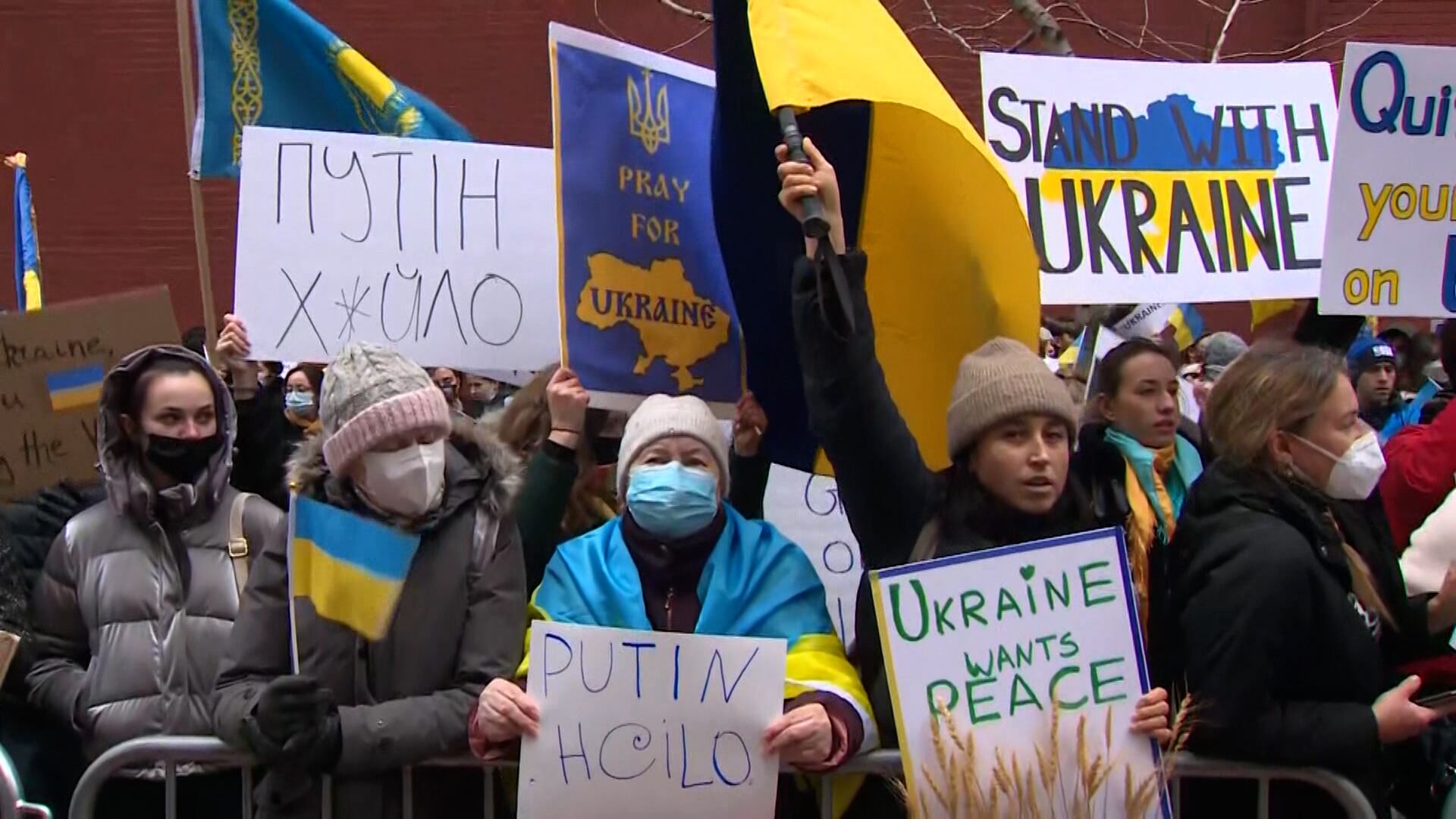
Thousands of protesters around the world are expressing their solidarity with Ukraine against Russia's invasion.
Jason Beardsley, national executive director of the Association of the U.S. Navy and national security expert, joins Cheddar News to discuss.
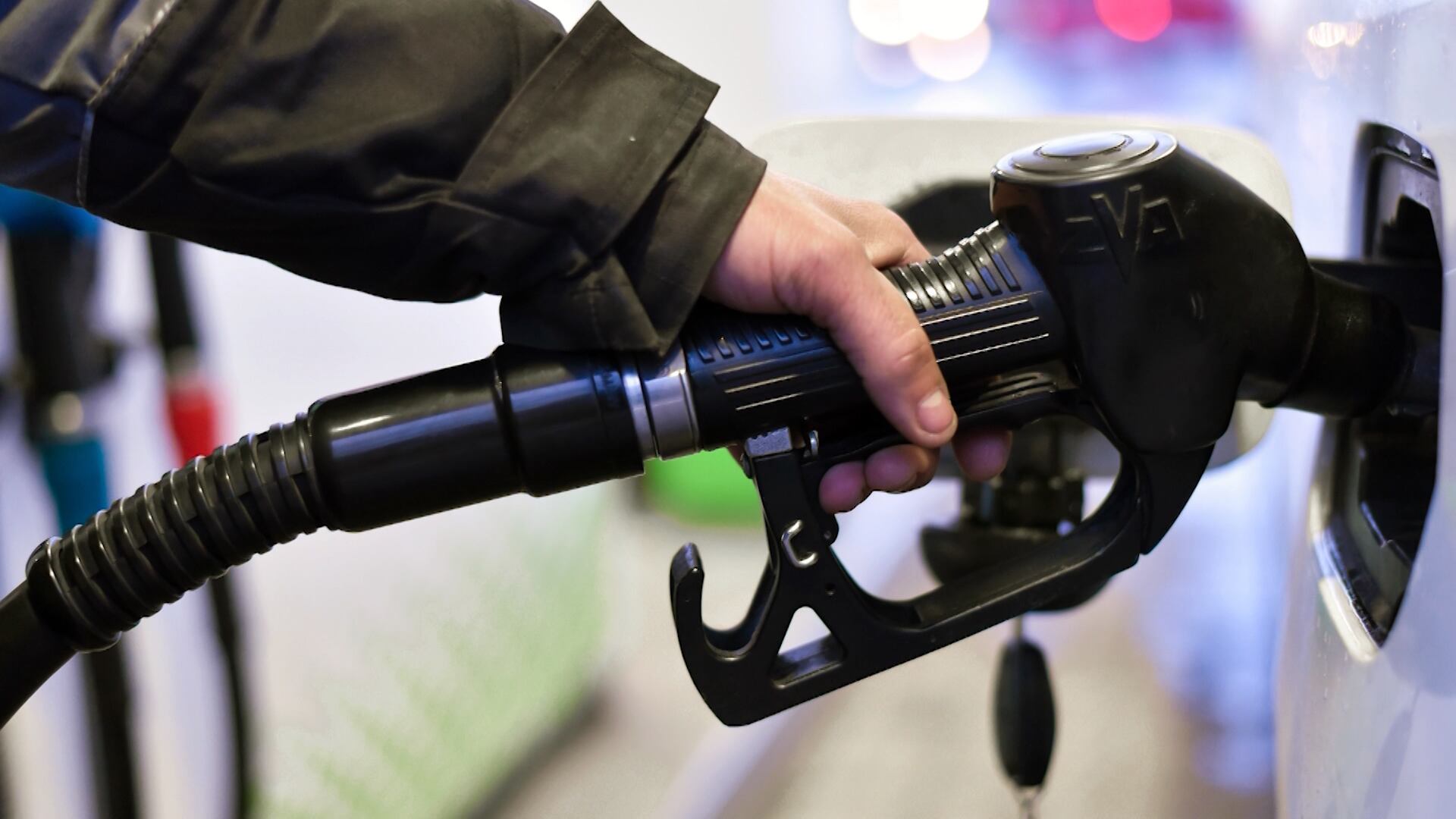
As gas prices surge amid the Russian invasion of Ukraine, other nations could potentially transition faster to using clean energy than previously expected. Philip K. Verleger, a senior fellow at the Niskanen Center, joined Cheddar News to explain how this could be a possibility in the near future. "Part of the reason I think we have this invasion and the tantrum that's being thrown by Russia, terrible tantrum, is because the Russians were trying to slow down the transition," he said. "Ironically they speeded it up."
Following the invasion of Ukraine, a multitude of Western companies have paused doing business with Russia. PepsiCo, Coca-Cola, McDonald's, and Starbucks are the most recent companies to temporarily cease operations in Russia. Dean of Miami Herbert Business School at the University of Miami, John Quelch, joined Cheddar News to discuss what message this sends to Russia and the Russian consumer. “I would not underestimate the collective strength of all of these multinational companies, essentially coming together to make their collective statement in support of the political statements that have come out of Washington," he said.
The war in Ukraine continues to reveal heartbreaking gut-wrenching stories. The war in itself is not only devastating but also expensive. Experts estimate that Russia is draining nearly $20 million dollars each day to continue occupying and invading Ukraine. All this could force the country to turn to cryptocurrencies. It's a major turn for the country that briefly considered outlined digital assets entirely, but it could also have serious implications for cryptos. Managing Director at Quantum Fintech Group, Harry Yeh, joined Cheddar to discuss more.