Record producer Khaled Mohamed Khaled, aka DJ Khaled, is known for his hits, his positivity, and his continuous dedication to success. But the celebrity DJ's struggles may be less known.
The award-winner had a “mogul talk” with Cheddar about what it takes to be successful and the obstacles that have made his journey an arduous one. And for Khaled, time has been the major issue.
“There’s not enough time in the day to accomplish what I need to do, ‘cuz I don’t stop,” Khaled said during the interview. “That’s the hardest part of hustling.”
Time management is a difficult skill for many to master, but Khaled says you have to commit and “do what you got to do.” That's how he faces this challenge.
Khaled, whose latest albums “Major Key” and “Grateful” have been certified gold and platinum, shared two of the reasons for his success. He says you have to make sacrifices and be self-made.
“It’s OK for you to work 9 to 5 to fund your vision,” Khaled said, acknowledging that for some, a traditional job is what they'd like. But for those who have a vision they want to bring to life, working a side gig is a necessary evil.
“I’m a mogul, so I envisioned all of these things I want to do,” he said, adding,“my family raised me to be self-made.”
To Khaled, being self-made is not about having money as many may think, but about “respecting yourself and your vision.”
Talking the talk and dreaming big is great, Khaled explained, but for success, it’s important to walk the walk and figure out how to accomplish the vision.
“There’s other people out there that talk, but don’t accomplish the goal,” he said.
“When I was a kid, I had to do certain things to fund my music business, my record company, my management company….”
The Buy Now, Pay Later trend no longer has the luster it once had during the pandemic. Brandon Kreig, Stash CEO and co-founder, joins Cheddar News to give us insight on what happened and what's next for BNPL companies.
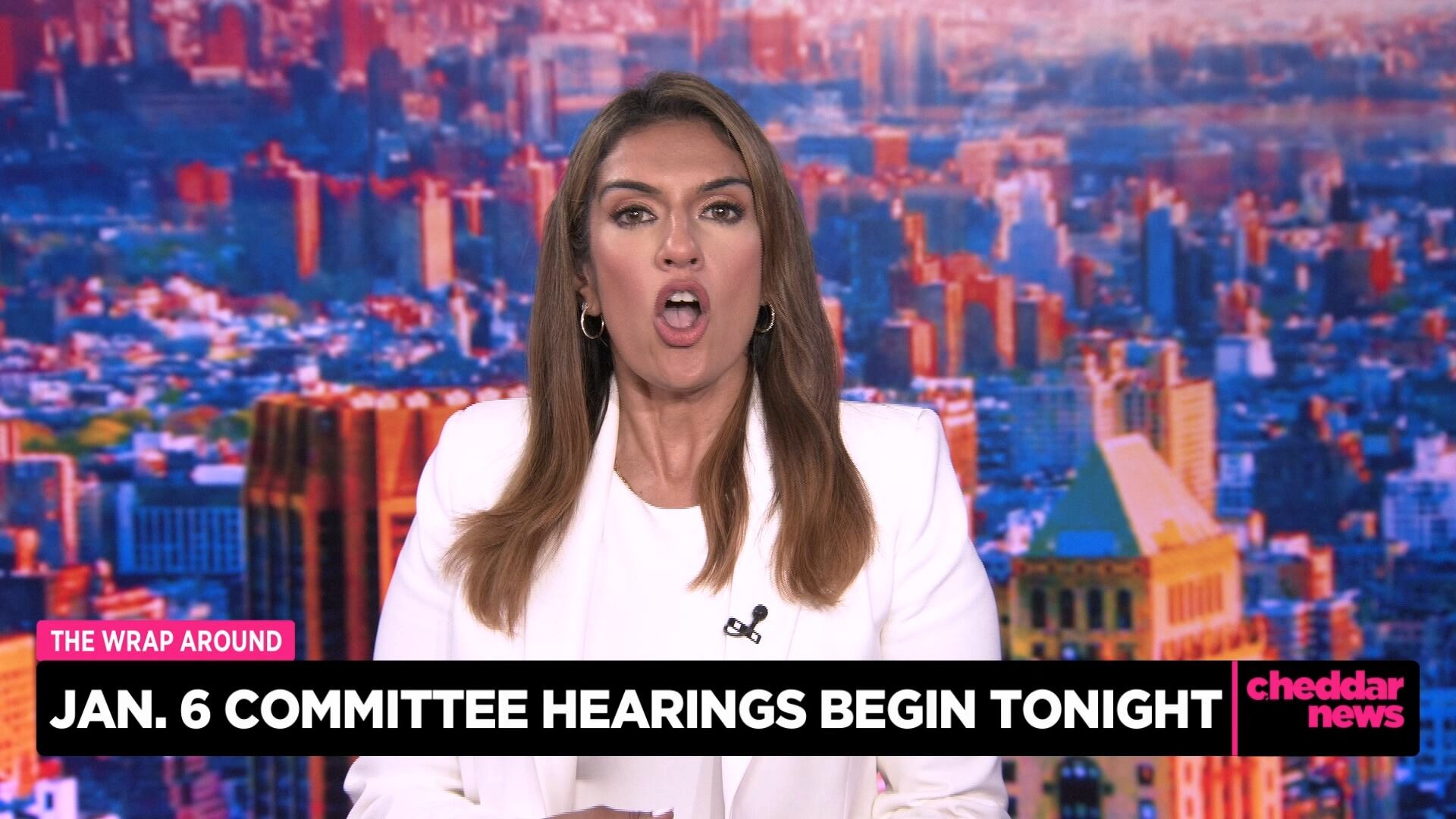
Join Cheddar News as we break down the top headlines this morning including updates on the Jan. 6 hears, the PGA suspension of 17 of the world's best golfers, and NASA's plans to study UFOs.
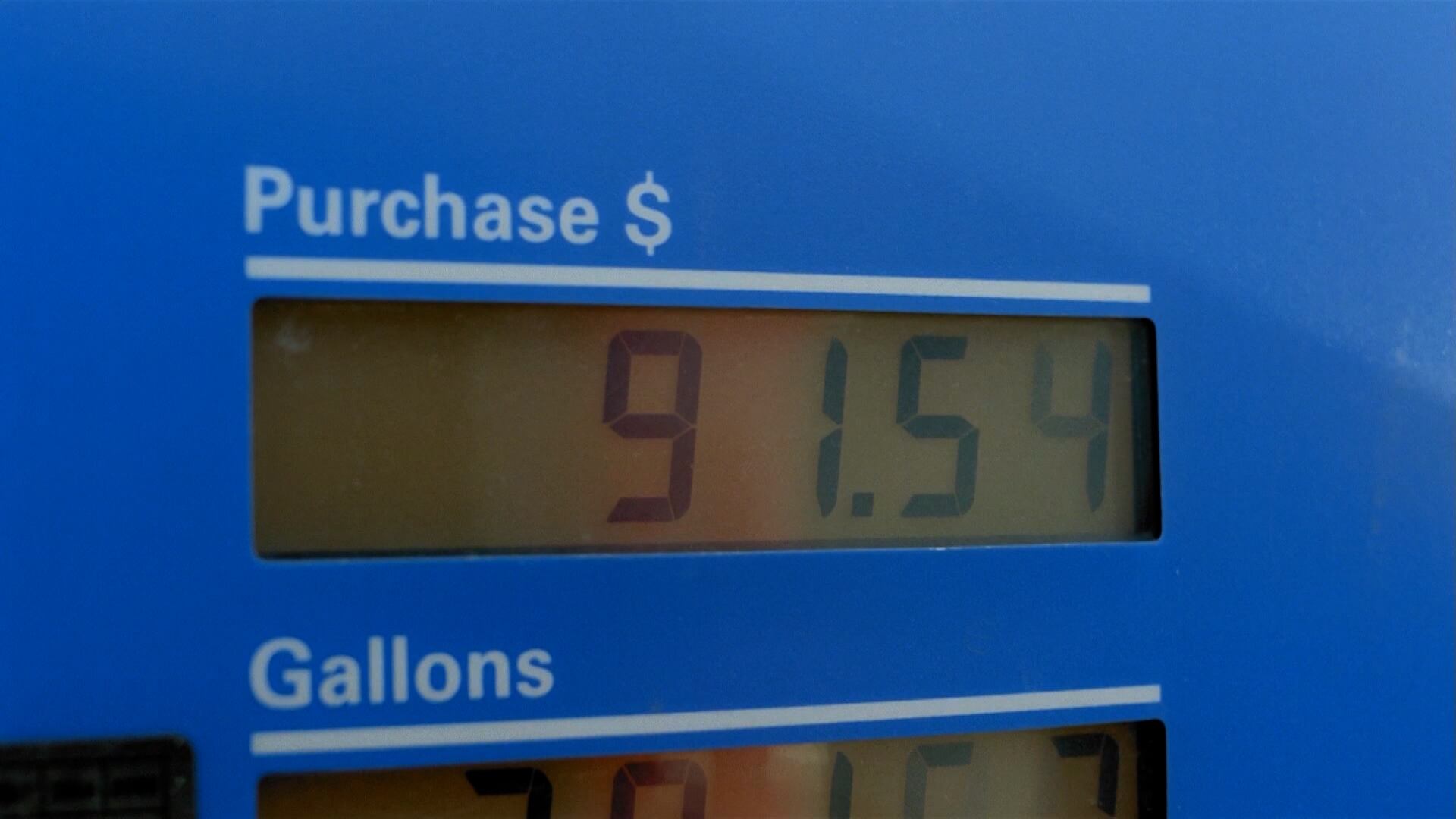
The national average for a gallon of gas is closing in on $5 dollars per gallon and it's putting pressure on already strained budgets. The summer travel season could stall out before it even gets started. Cheddar's Shannon Lanier has some great hacks to help you save a few bucks at the pump.
Lower Manhattan's iconic Stone Street is getting a bubbly makeover. Champagne Nicolas Feuillatte will be 'unleashing the bubbles' throughout the month of June in New York City, with themed events, bubble ball pits, and special menu and drink experiences. Anne-Laure Domenichini, director of communications for Champagne Nicholas Feuillatte, joins Cheddar News' Closing Bell to discuss.
Alex Gladstein, Chief Strategy Officer for the Human Rights Foundation, joins Closing Bell, where he explains where tech experts are getting it wrong when they call crypto risky and unproven. He also stresses the importance of crypto and points to how Ukraine was able to use Bitcoin during the onset of the Russian invasion.
API platform RapidAPI recently became a unicorn with a $1 billion valuation after raising $150 million in a Series D funding round led by Softbank Vision Two Fund. Microsoft's Venture Fund, M12, and Andreessen Horowitz also participated. RapidAPI says it provides the world's largest API hub which enables millions of developers and companies to build software faster. Iddo Gino, founder and CEO of RapidAPI, joins Cheddar News' Closing Bell to discuss.
The PGA Tour has announced that it will suspend players that are competing in the LIV Golf event that teed off today. At least 17 players, including names like Phil Mickelson, Dustin Johnson, and Sergio Garcia are banned from the PGA Tour competition. Hilary Fordwich, a business analyst and golf expert, joined Cheddar News to discuss why the PGA had to go this route. This is a threat to the future of golf for them, and there's been many contentions about them not being fair and that this is vindictive," she said. "Don't forget, of course, they represent sort of a monopoly in the history of golf. So you've got two sides to this story. You've got those the purists, those that feel that golf should only be a certain way and that there are only these limited events that the PGA puts on. And then you've got other people who are saying … this is all about money"