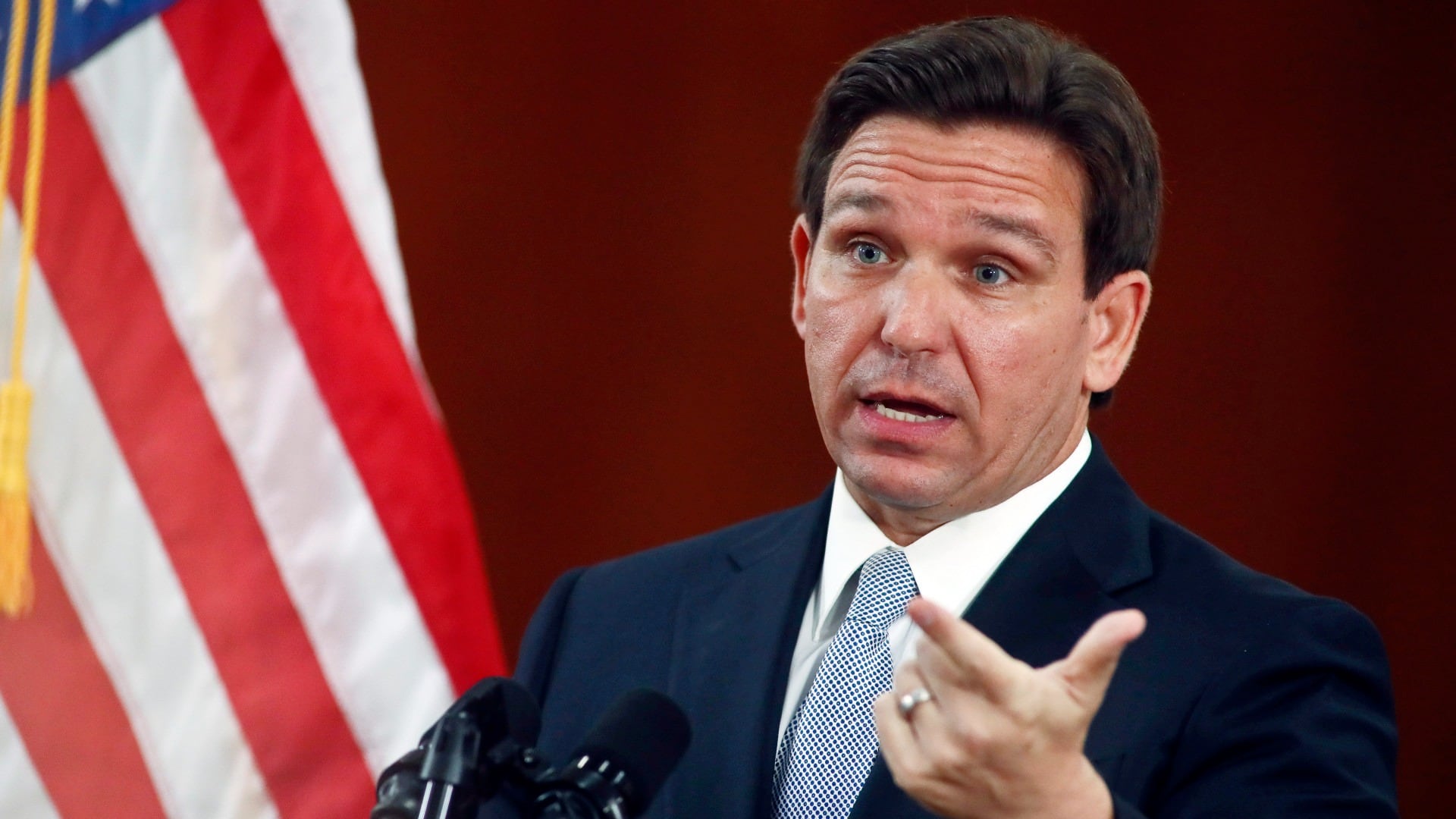
Florida Gov. Ron DeSantis answers questions from the media in the Florida Cabinet following his State of the State address during a joint session of the Senate and House of Representatives on March 7, 2023, at the state Capitol in Tallahassee, Fla. The Republican-dominated Florida Legislature on Thursday, April 13, approved a ban on abortions after six weeks of pregnancy, a proposal supported by DeSantis as he prepares for an expected presidential run. (AP Photo/Phil Sears, File)
By Kimberlee Kruesi and Michelle L. Price
Florida Gov. Ron DeSantis was involved in a multi-car accident on Tuesday in Tennessee but was uninjured as he traveled in a motorcade to a campaign stop for his 2024 presidential bid.
The chain reaction crash happened before 8:15 a.m. when traffic slowed on Interstate 75 in Chattanooga, causing four cars in the motorcade to hit one another, police said. All the vehicles involved in the crash were government vehicles taking DeSantis and his team to his scheduled event, police said.
The Republican White House hopeful was not hurt, police and DeSantis press secretary Bryan Griffin said. A female DeSantis staff member suffered a minor injury and was later treated at the campaign event, police said.
Representatives for DeSantis’ campaign did not answer questions about who was driving the governor or reveal details about the accident. DeSantis was continuing on to his event, spokesperson Andrew Romeo said. A spokesperson for the Florida governor’s office deferred questions about the accident to the campaign.
Florida law says the Florida Department of Law Enforcement must provide security for the governor and his immediate family. It can include uniformed and nonuniformed officers.
DeSantis was scheduled to hold events throughout central and eastern Tennessee as he prioritizes Super Tuesday states in his campaigning. Super Tuesday, held on March 5 next year, is when the largest number of delegates are up for grabs of any day in the primary cycle.
Earlier this month, DeSantis addressed more than 1,800 attendees at a state GOP dinner in Nashville.
The Florida governor, who has trailed front-runner Donald Trump in the GOP presidential contest, was expected to be at a fundraiser at a private home in Chattanooga on Tuesday. Hosts for the fundraiser were to pay $10,000 per couple for the event, while co-hosts were paying $5,000 and other attendees were paying $2,000 each, according to the Chattanooga Times Free Press.
DeSantis was expected to attend additional fundraisers on Tuesday in Knoxville and Franklin.
The Republican candidate has been attending a string of fundraisers lately as his campaign has faced some surprising financial pressures. He was in Utah over the weekend holding fundraisers and in New York last week for an event in the Hamptons.
Just two months after entering the race, DeSantis already has been cutting staff while facing new questions about his aggressive spending, his media strategy and his apparent willingness to brawl with any and all foes except for Trump, the one person he must defeat to claim the GOP’s 2024 presidential nomination.
“The DeSantis campaign is recalibrating. It’s clear it needs to,” said Republican strategist Terry Sullivan, who managed Marco Rubio’s 2016 presidential campaign. “But at the end of the day, they’re still better positioned than any other challenger to Donald Trump, times 10.”
DeSantis’ team has quietly expressed confidence for months that voters would eventually tire of Trump’s escalating legal troubles and personal baggage. But that baggage, playing out in the U.S. legal system just as the GOP primary intensifies, is leaving precious little oxygen for his rivals to break through. And Trump’s standing with Republican primary voters seems to be growing stronger with every new legal challenge.
Still, DeSantis’ team has raised a stunning $150 million for his presidential ambitions so far. The vast majority, $130 million, has gone to a super PAC run by allies who cannot legally coordinate with the campaign.
The DeSantis campaign itself raised more than $20 million in the first six weeks he was in the race, though recently released federal filings revealed that he and his team had burned through more than $8 million in a spending spree that included more than 100 paid staffers, a large security detail and luxury travel.
Price reported from Washington. Associated Press writer Meg Kinnard in Houston contributed to this report.
A new report from ProPublica and the Washington Post found that Facebook Groups played a major role in the spread of misinformation linked to the January 6 insurrection with more than 650,000 posts claiming that Joe Biden's election victory was illegitimate.
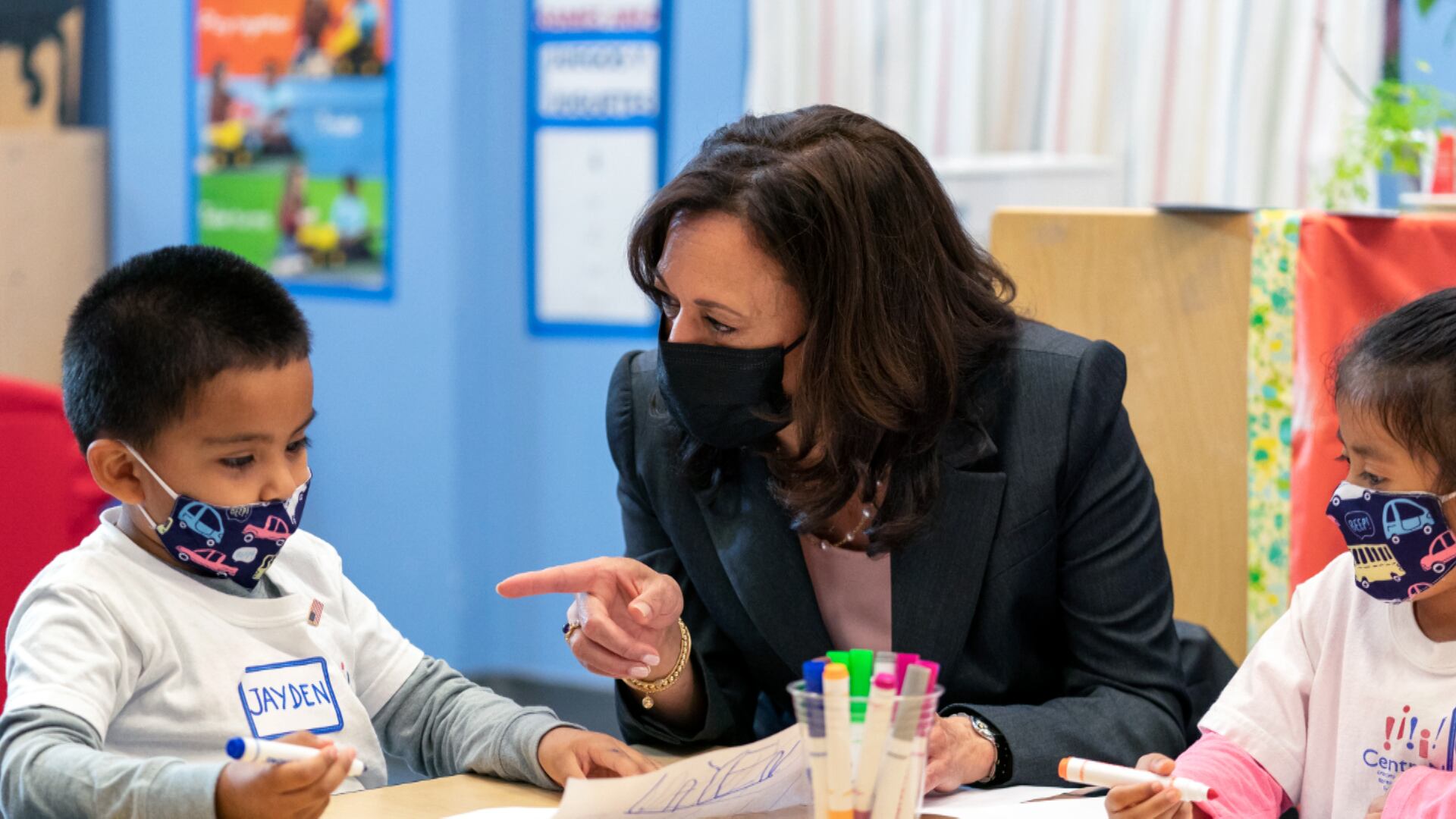
Millions of Americans with young children have relied on the child tax credit since the federal government began issuing checks in July 2021. The last round of payments was sent out just before the Christmas holiday — at the same time as the omicron variant surged. Leah Hamilton, associate professor of social work at Appalachian State University, joined Cheddar to discuss what the end to the tax credit means as the U.S. sees the end of many relief programs and its highest number of COVID cases since the start of the pandemic. "It'll become harder for families to meet their basic needs, increasing national childhood poverty rates and the proportion of families who have difficulty putting food on the table, maintaining stable housing, and paying their bills," Hamilton said. She also pointed to research that the credit as a long-term investment in children offsets claims that it contributes to macroeconomic impacts like inflation.
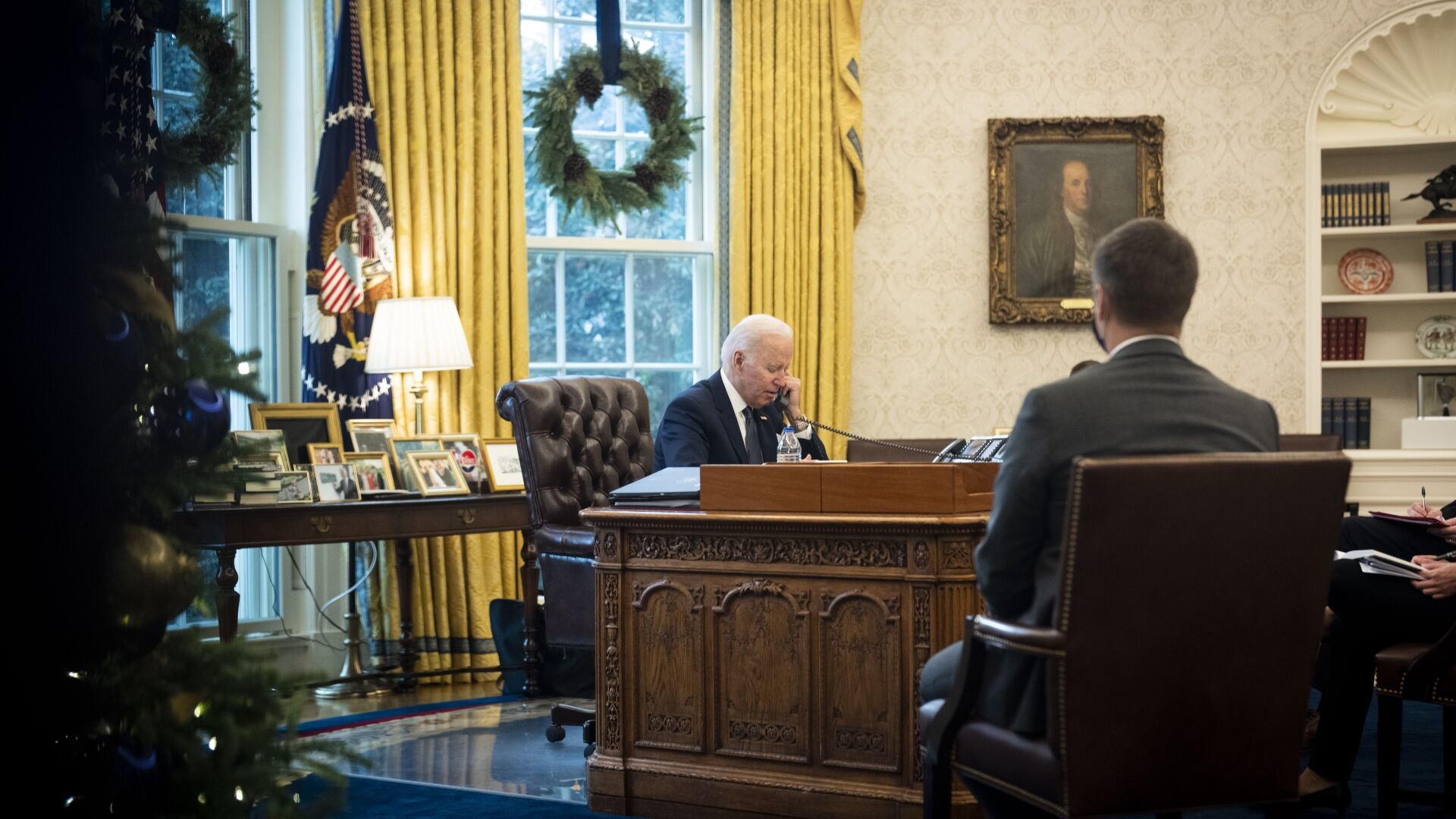
U.S. President Joe Biden spoke with Ukrainian President Volodymyr Zelensky over the week-end, just days after he spoke with Russian President Vladimir Putin. The call comes as Washington prepares to meet with Moscow on January 10, as tensions mount over Russia's military build up near its border with Ukraine. Cheddar News speaks with Mustafa Tameez, a former advisor to the U.S. Department of Homeland Security, about the issue.
Several Silicon Valley insiders are being accused of contorting a 1990s-era tax break to avoid taxes on millions of dollars of investment profits. The tax break is known as the qualified small business stock exemption, and it allows early investors in certain companies to avoid half of the taxes on up to $10 million in capital gains. A piece recently published in the New York Times says venture capital firms like Andreessen Horowitz replicated the tax exemption by giving shares of companies to friends and family, who would otherwise face a 23.8% capital gains bill. The CEO of Roblox is also accused of replicating the tax break for his family members at least 12 times. Although the loophole known as 'stacking' is considered to be legal, the Times piece implies that the exemption has been manipulated for the ultra-wealthy to become more wealthy. Greycroft co-founder and Chairman Emeritus Alan Patricof joins Cheddar News' Closing Bell to discuss.
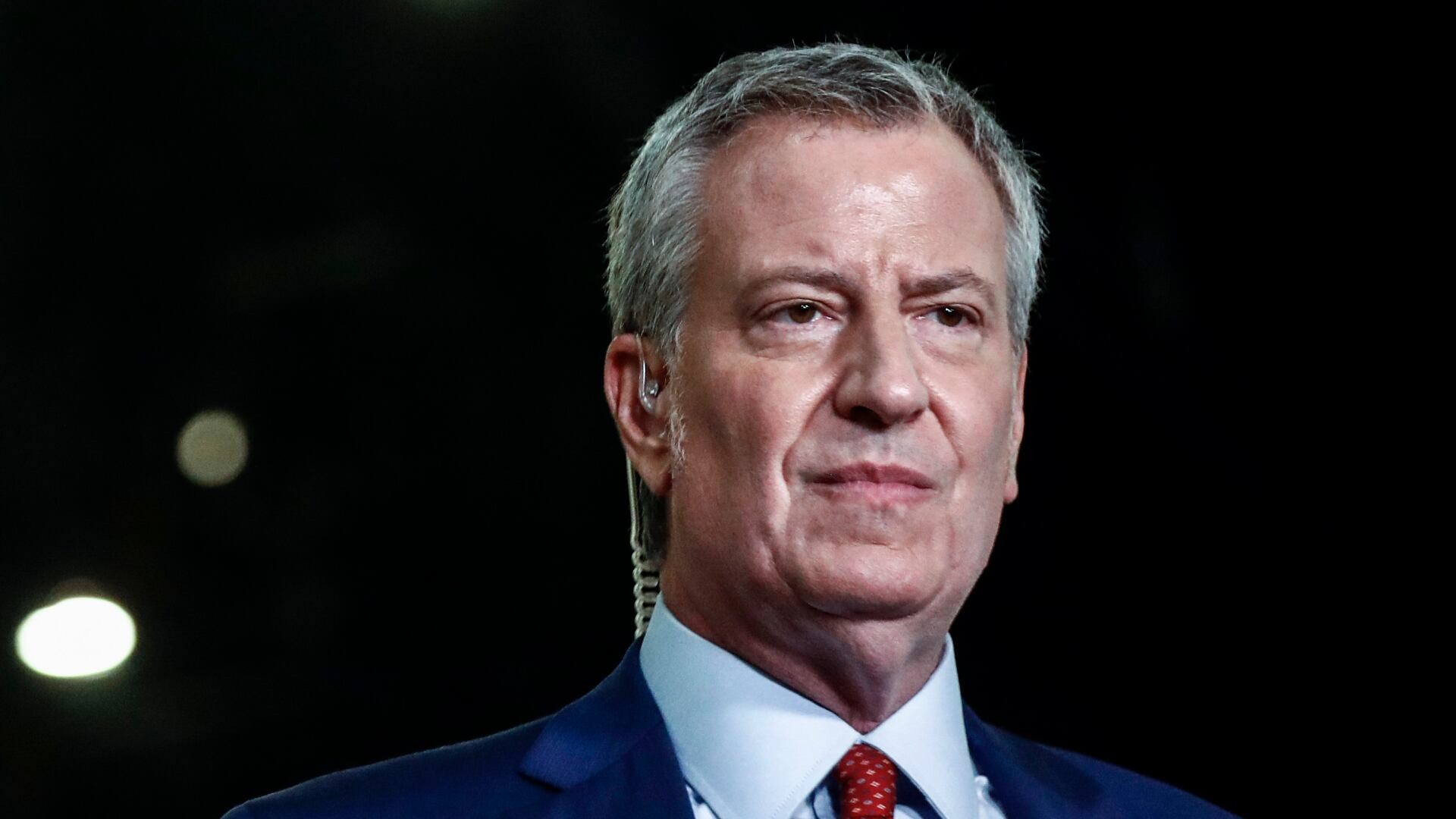
Chris Sommerfeldt, City Hall reporter for the New York Daily News, joins Cheddar News' Closing Bell, where he discusses both the wins and losses of Bill de Blasio's eight years as New York City Mayor.
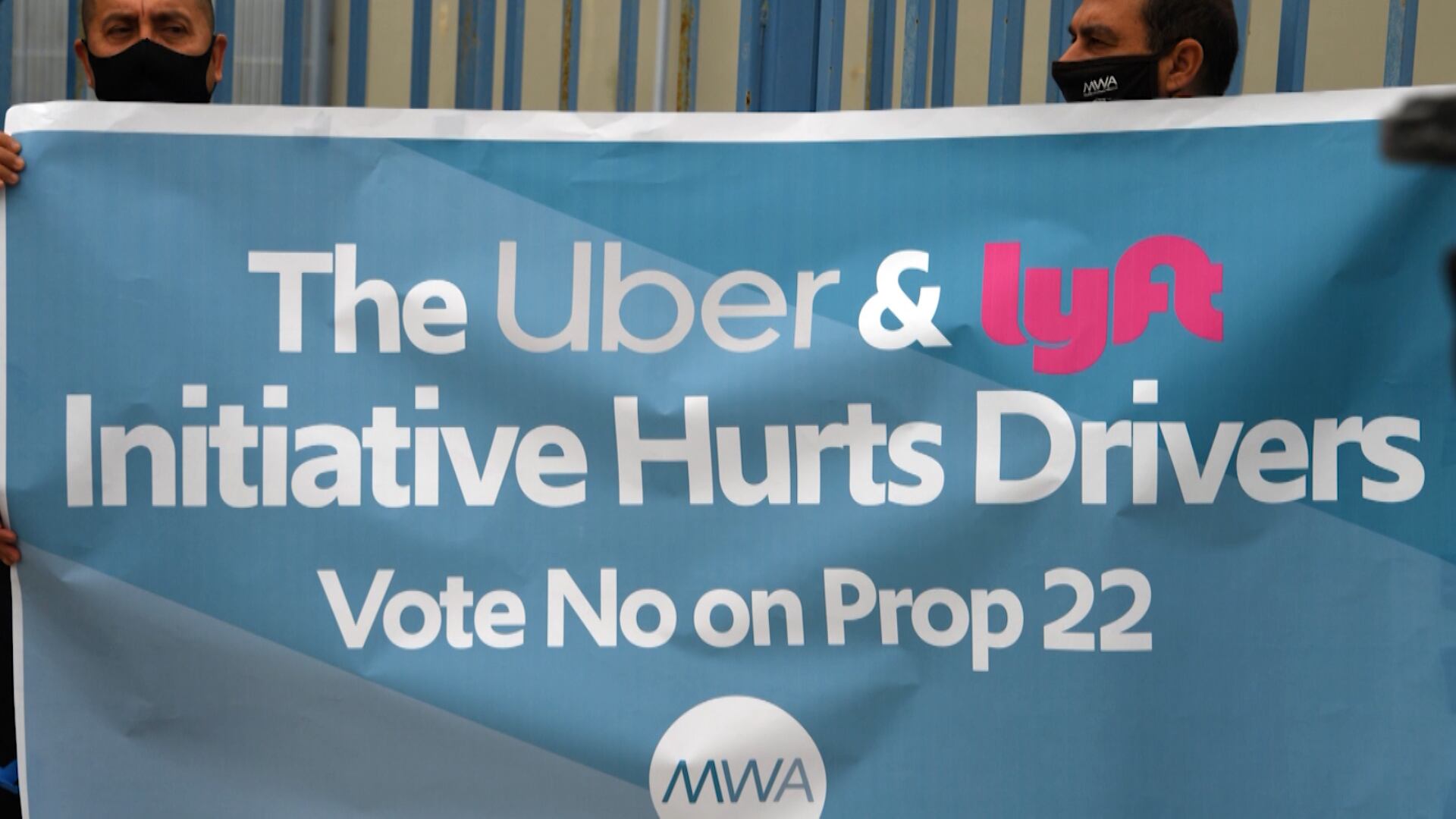
The push to regulate the gig worker economy is gaining steam as the share of workers who participate in freelancing through businesses like Uber and Lyft have also exponentially grown during the pandemic. Employment attorney Mark Kluger, founding partner at Kluger Healey, LLC, joined Cheddar to break down how the battle to reclassify gig workers will continue in the new year, and why the issue continues to generate conflict. "More and more workers are using gig work as their primary source of income and as a result of that they are not like employees in the sense that they don't have benefits like health insurance," Kluger noted.
2021 saw markets continue to be impacted by the onslaught of the coronavirus pandemic -most recently in the form of the Omicron variant- in addition to the global supply chain shortage, and increased inflation. But it wasn't all bad news, as crypto soared throughout the year, and meme stocks continued to have a moment. With the year coming to a close, investors are keeping an eye out to see if they should expect more of the same in the new year. Chris Vecchio, Senior Analyst, at DailyFX tells us what market trends to be on the watch for in 2022.