Democrats Try to Hang Net Neutrality Vote on GOP in Midterms
*By Britt Terrell*
Senate Democrats are seeking to make net neutrality a central issue in November's midterm election by putting Republicans on the record against an issue that most Americans support.
If the Democratic strategy works, it could help them win a Congressional majority, said Ross Rubin, principal analyst at Reticle Research.
"It's an opportunity for the Democrats to stand up and say 'we're on the side of the consumer,'" Rubin said Thursday in an interview with Cheddar. "Public opinion polls have shown that most Americans favor net neutrality, and this is an opportunity with the midterms coming up to say, 'here's how we voted, and the Republicans did not stand with us.'"
Three Republicans joined all of the Senate's Democrats to [pass a resolution](https://www.cnet.com/news/senate-votes-to-restore-net-neutrality-heres-how-every-senator-voted/) Wednesday to preserve net neutrality rules that ensure internet service providers provide equal access to all content and applications without showing favor to certain products or sites.
It is unlikely the House will pass a similar resolution ahead of the Federal Communication Commission's June 11 deadline for the repeal of net neutrality rules. But President Trump, who in the past has pivoted on resonant issues that could gain him favor with voters, might be convinced to keep net neutrality in place, Rubin said.
It was Trump's chosen FCC chairman, Ajit Pai, who pushed to repeal the net neutrality rules on the grounds that regulation prevents the businesses that build internet's infrastructure from innovating and re-investing.
"He was in support when Chairman Pai first announced the initiative," to get rid of net neutrality, Rubin said of Trump. But if Democrats' strategy to make it a more crucial midterm election issue succeeds, "it might be a chance for a populist appeal," he said.
For the full interview, [click here](https://cheddar.com/videos/senate-votes-to-keep-net-neutrality-rules-2).
Jarrod Loadholt, Partner at Ice Miller, joins Cheddar News' Closing Bell, where he breaks down the latest proposal by the SEC and explains how it could allow the agency to make major regulatory moves within the cryptocurrency space if approved.
Personal data platform Caden raised $3.1 million in pre-seed funding. Caden says its service allows users to have complete control over their data and earn a profit from it by sharing certain data with trusted brands, while never relinquishing ownership. The company also says its goal is to transform the internet and the use of personal data and make a better system for both consumers and brands. Caden founder and CEO John Roa joins Cheddar News' Closing Bell to discuss.
The leaders of Russia and China have declared their joint opposition to any expansion of NATO and affirmed that the island of Taiwan is a part of China.
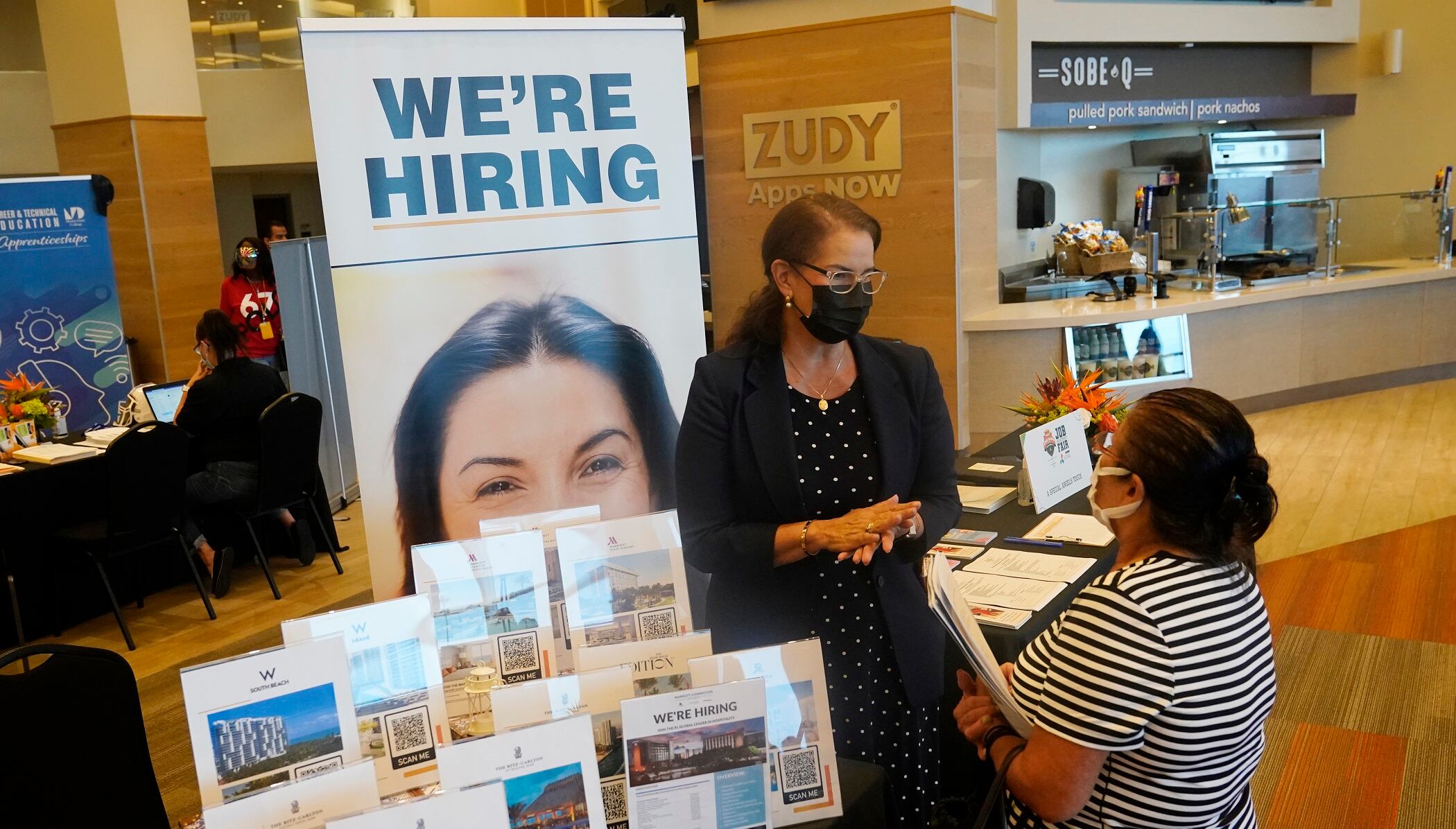
U.S. employers stepped up hiring in January, adding 467,000 jobs despite a wave of omicron inflections that sickened millions of workers, kept many consumers at home and left businesses from restaurants to manufacturers short-staffed.
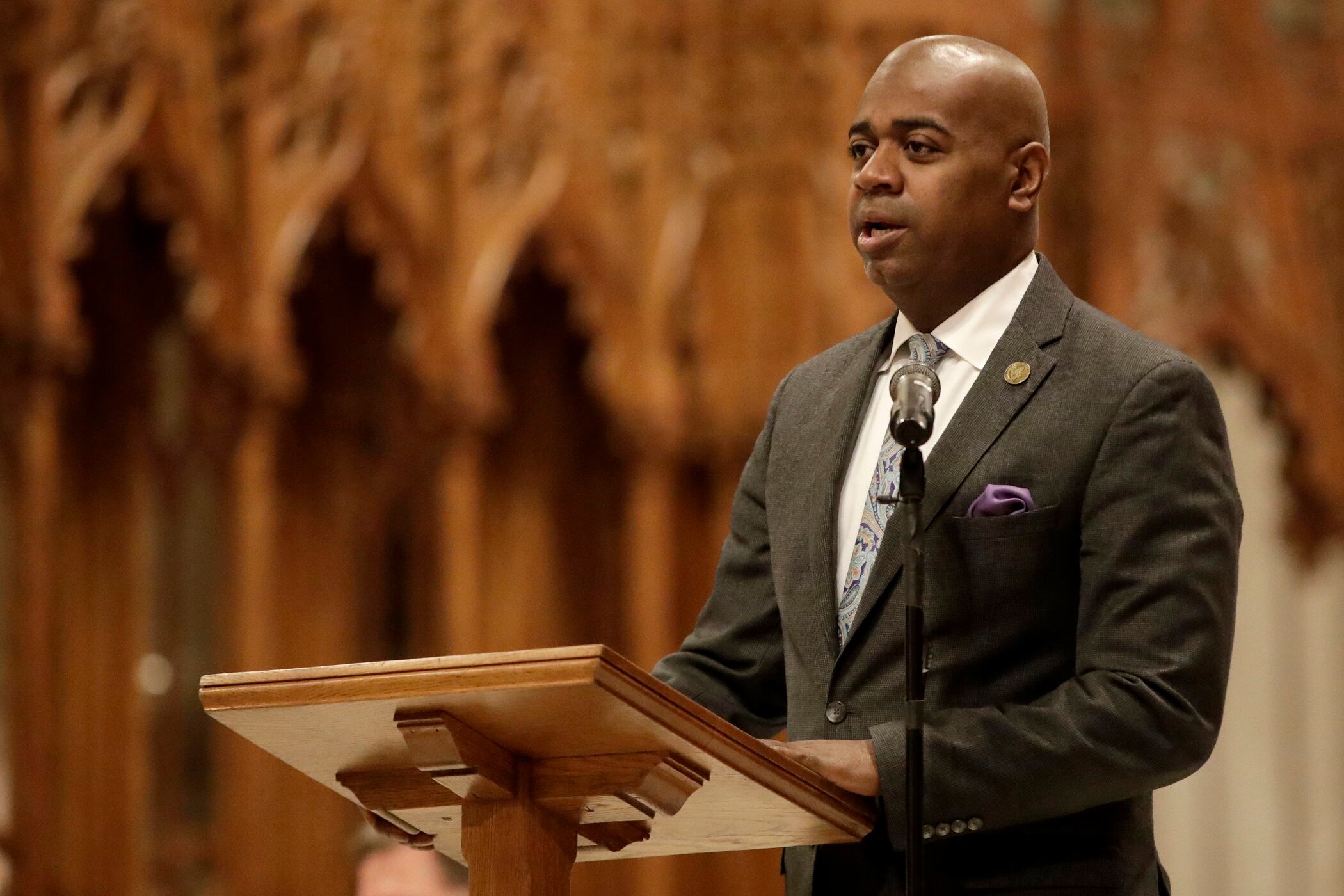
As we celebrate Black History Month, Cheddar is highlighting prominent Black Americans who are carving their own historic paths and trailblazing in their industries. Today we profile Newark, NJ, Mayor Ras Baraka.
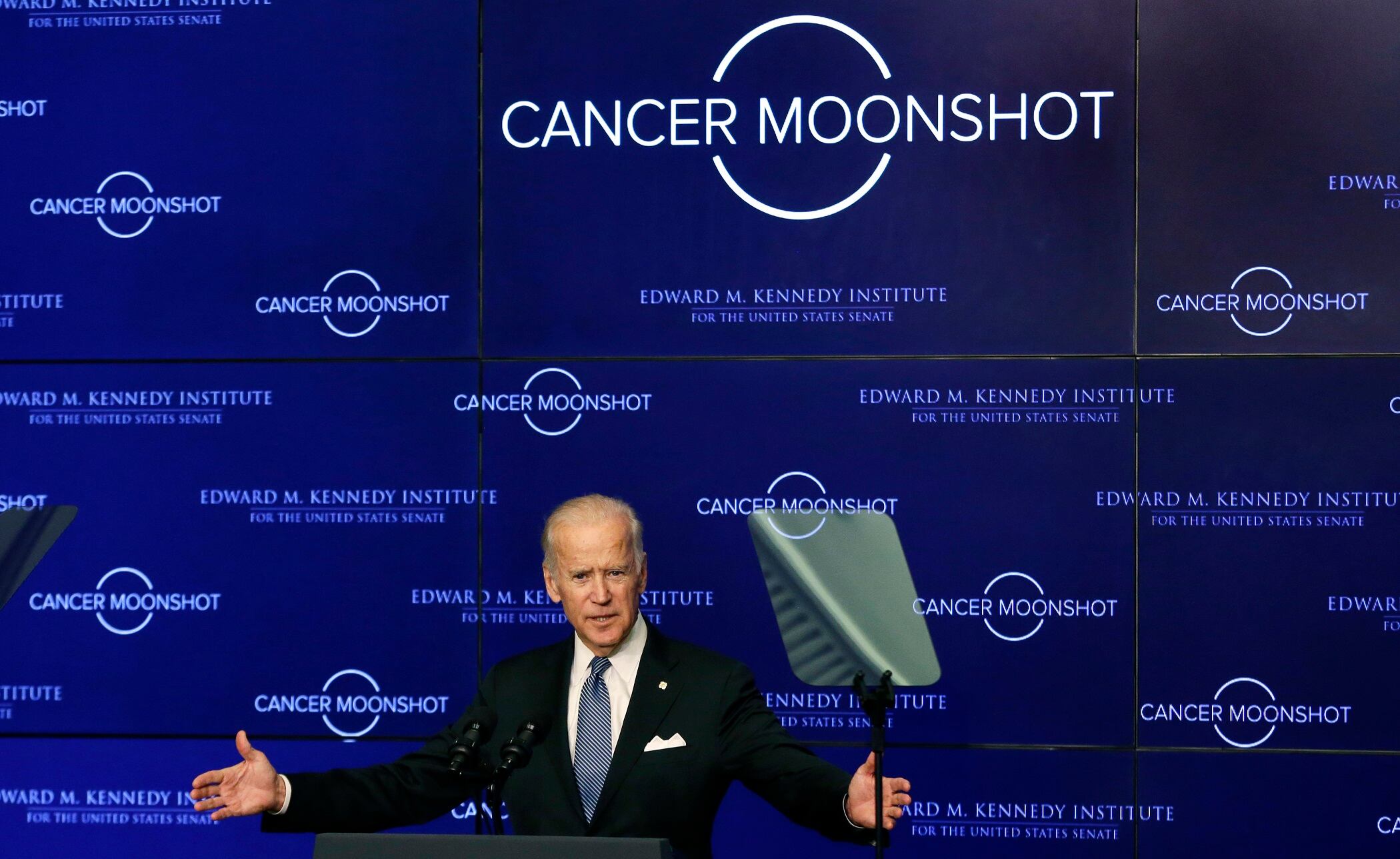
President Joe Biden is committing to reduce the cancer death rate by 50% over the next 25 years. That's a new goal for the “moonshot” against the disease that was announced in 2016 when Biden was vice president.
A major winter storm with millions of Americans in its path brought a mix of rain, freezing rain and snow to the middle section of the United States as airlines canceled hundreds of flights, governors urged residents to stay off roads and schools closed campuses.
Russia says it will relocate naval exercises off the coast of Ireland after Dublin raised concerns about them amid the tense dispute with the West over expansion of the NATO alliance and fears that Russia is preparing to invade Ukraine.
he Australian government has pledged to spend another 1 billion Australian dollars ($704 million) over nine years on improving the health of the Great Barrier Reef after stalling a UNESCO decision on downgrading the natural wonder’s World Heritage status.