One hundred and fifty years ago, Delmonico's was the first restaurant to invite women to dine without a male chaperones. Now, in the age of #MeToo, the steakhouse is honoring that meal with a special luncheon menu next week.
From from April 23 to 27, diners can choose dishes from a menu set by the chef and New York Times best selling author Gabrielle Hamilton. The menu is inspired by the food women would have ordered in the 19th century at 21st century prices. There will be beef bouillon ($15), Colorado lamb loin chop ($49), brûléed rice pudding, and [more](https://www.delmonicosrestaurant.com/ladies-luncheon-reservation/).
"Women's are a very important part of Delmonico's and we are so excited to celebrate this anniversary," said Carin Sarafian, Delmonico's director of sales and marketing.
From the time it opened in 1827 until 1868, women couldn't eat at Delmonico's ー or almost any other restaurantー unless they were accompanied by a man. When the all-female Sorosis Club was turned away from a New York Press Club dinner honoring Charles Dickens in 1868, the journalist [Jane Cunningham Croly](https://www.gfwc.org/who-we-are/history-and-mission/jane-cunningham-croly/) organized a ladies-only meal at Delmonico's, which welcomed them.
Other restaurants followed suit as women's clubs began to pop up across the country, following the Sorosis Club's example.
For full interview, [click here](https://cheddar.com/videos/150th-anniversary-of-first-ladies-luncheon).
With caseloads continuing to rise, more school districts say they can’t safely bring students back in person, and will begin the school year online. Houston and San Francisco are the latest cities to say they’ll start virtually.
Travelers from 22 states are now being told to quarantine or face a heavy fine if they come to New York, as the Tri-State area worries about getting caught in a second wave of infections brought on by outsiders.
Arizona, Texas, and Florida are together reporting about 25,000 new coronavirus cases as new restrictions aimed at combating the spread of the pandemic take hold in the United States and around the world.
The Trump administration has rescinded a rule that would have required international students to transfer schools or leave the country if their colleges hold classes entirely online this fall because of the coronavirus pandemic.
Millions of people thrive in the American West’s deserts today, but not every is thriving. You’ve probably heard of droughts and wildfires in California, of groundwater drying up in Arizona, and of entire communities, like those on the Navajo Nation, that have been left without running water. The region is finally coming to terms with decades of infrastructure projects, coupled with using more water than nature can provide, as the threat of climate change moves in. Cheddar explains why the American West is running out of water.
Burger King has rebalanced the diet of some of the cows by adding lemon grass in a bid to limit bovine contributions to climate change.
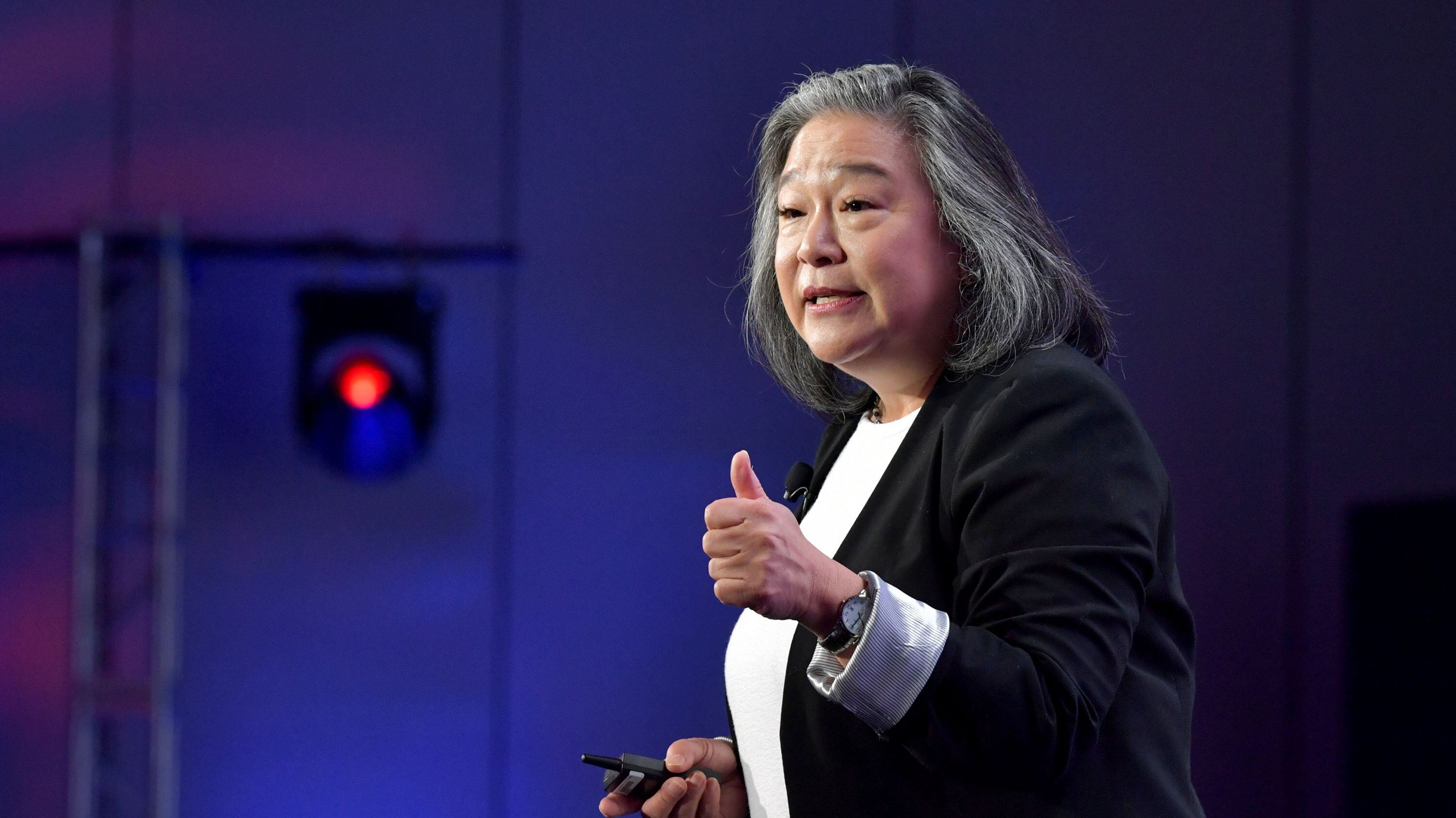
Tina Tchen, president and CEO of Time's Up, provides insight into how companies can go about addressing inequities in the workplace.
California is rolling back its re-opening: by order of the governor, most indoor places where people gather will be forced to close as the state’s coronavirus caseload rises.
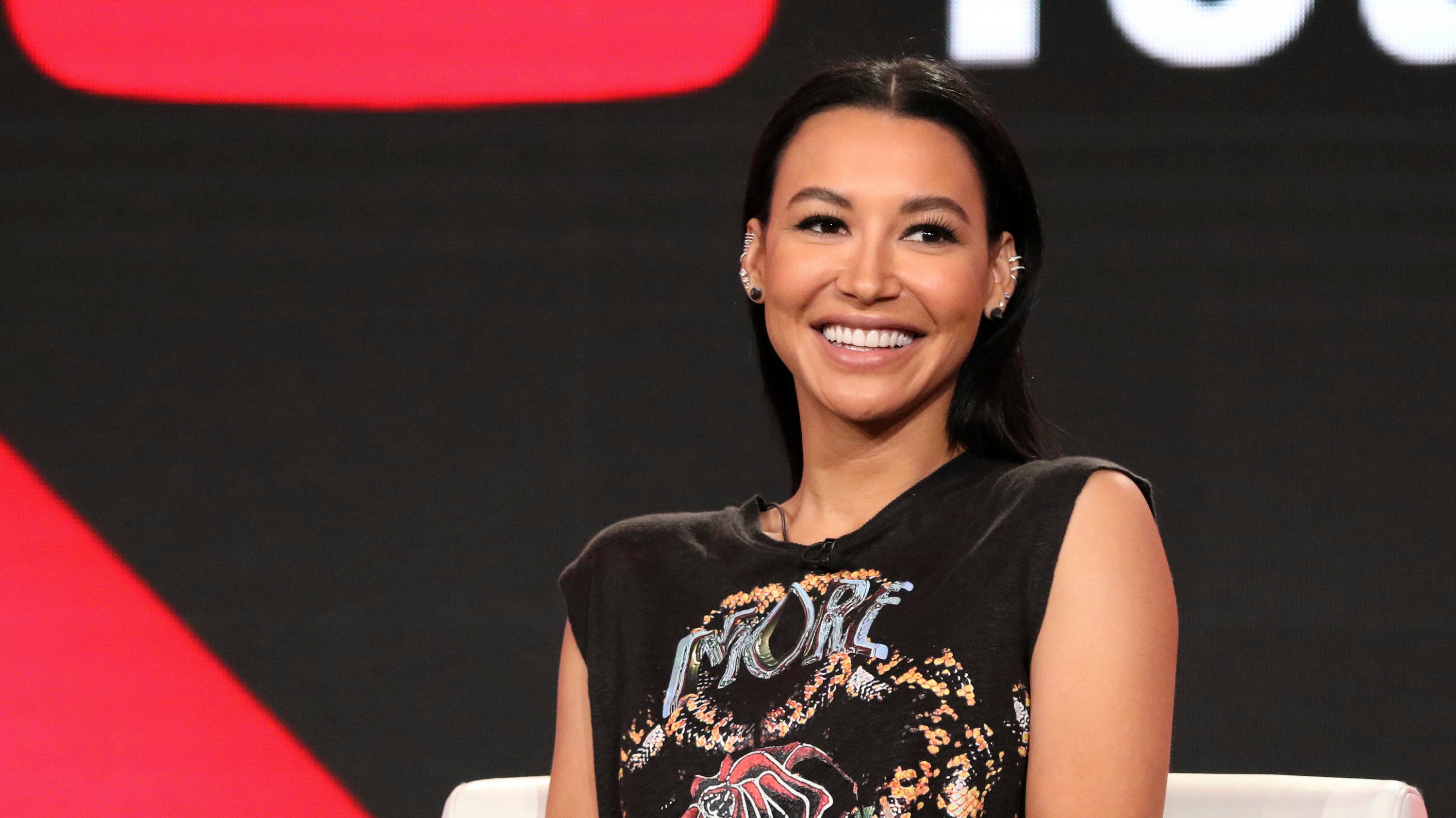
Authorities say "Glee" star Naya Rivera has been found dead at a Southern California lake.
California Gov. Gavin Newsom has extended the closure of bars and indoor dining statewide and has ordered gyms, churches and hair salons closed in most places as coronavirus cases keep rising.